
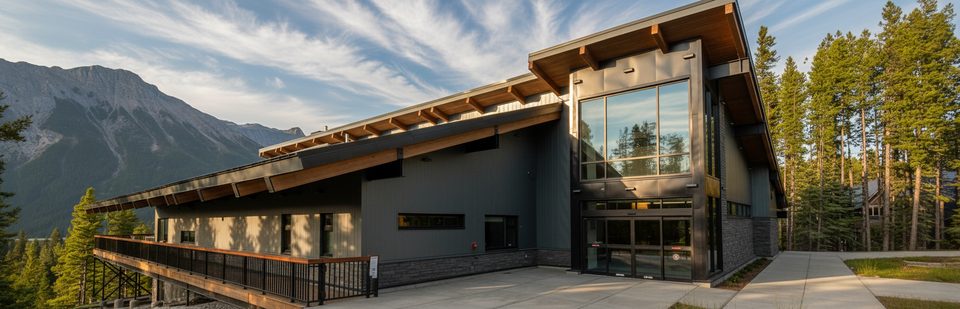
Place · 0.7 mi away
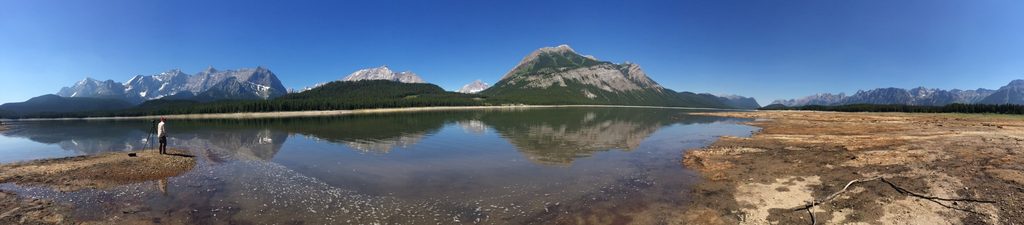
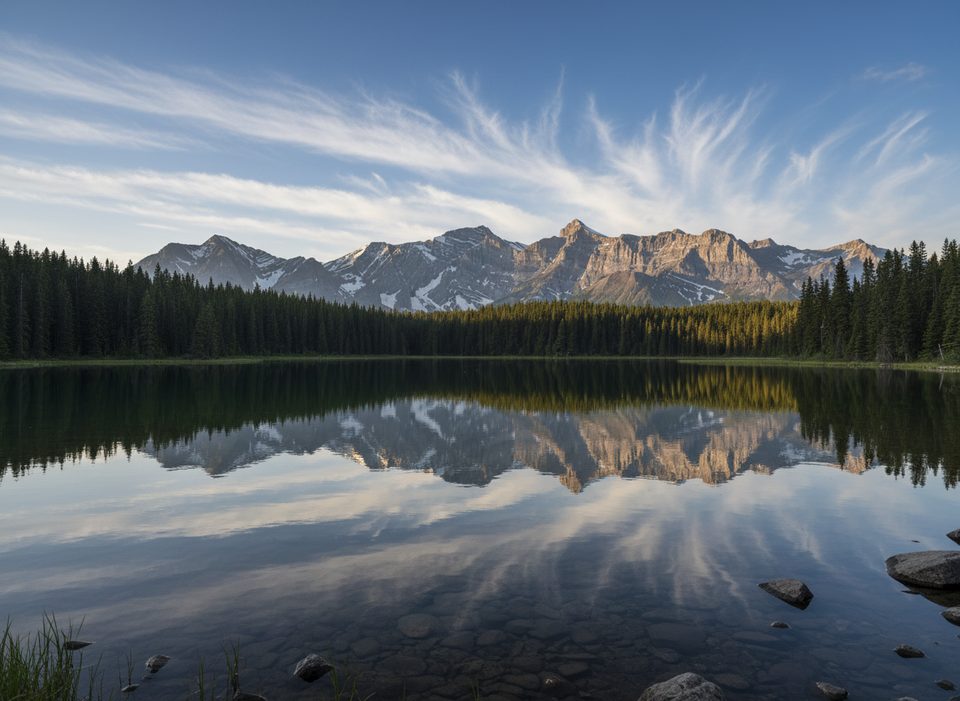
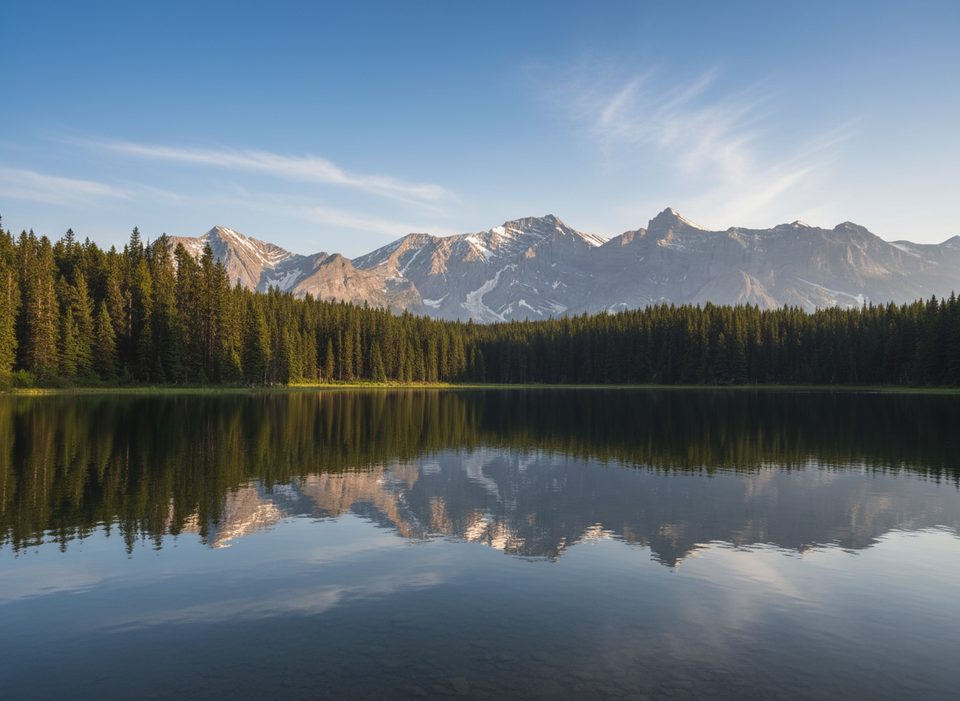
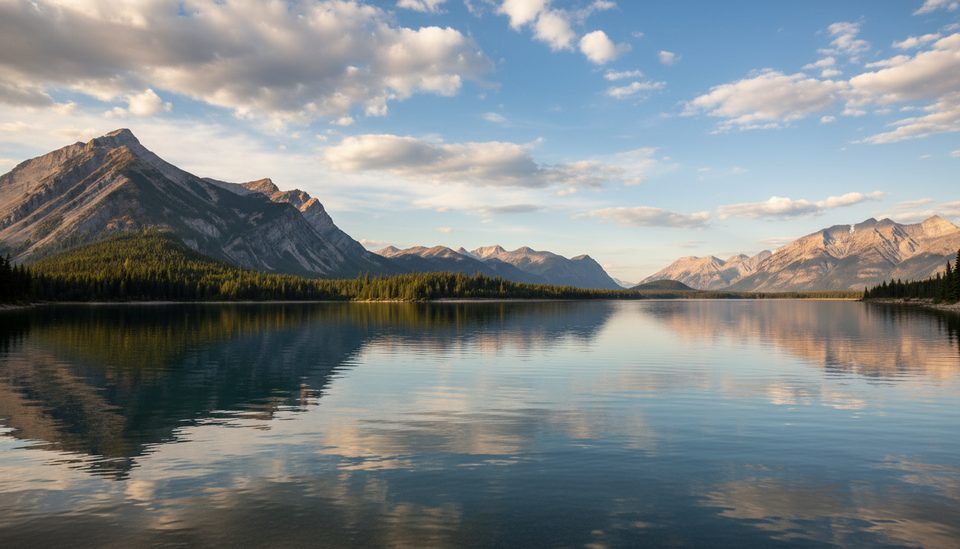
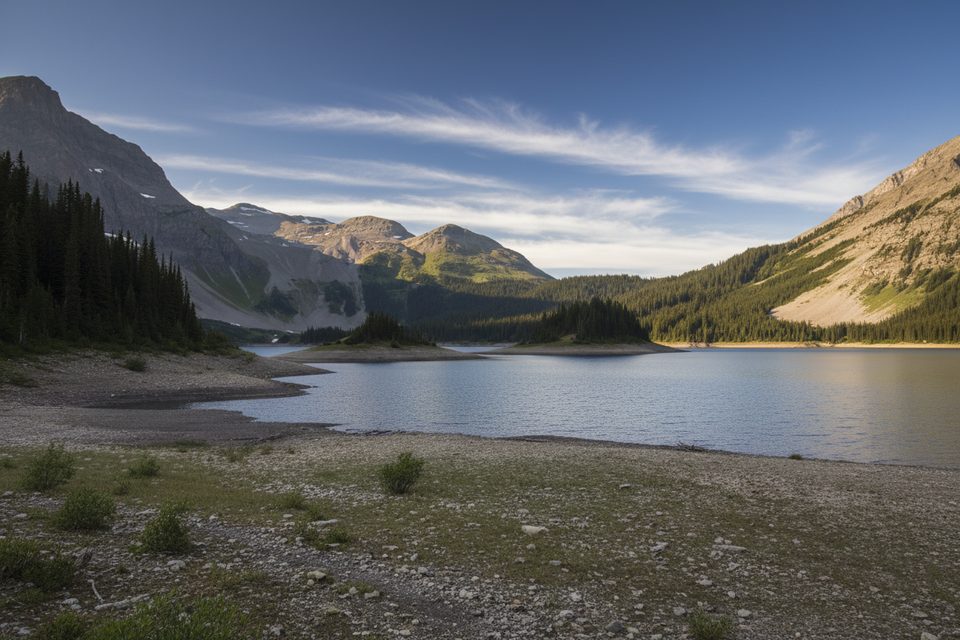
Lower Kananaskis Lake is a natural lake enlarged into a reservoir, tucked alongside its upper sibling in the heart of the park. It’s about 8 km long and 1.3 km wide at roughly 1,680 m elevation, serving hydroelectric, flood-control, and water‑supply roles while doubling as a superb recreation hub.
Expect classic Rockies drama: jagged peaks and U‑shaped valleys ring a blue reservoir, with limestone mountains like Mount Indefatigable and Mount Sarrail stealing the show. Boardwalk sections and cycling routes skirt parts of the shore, and lakeside viewpoints pop up frequently along the paths.
The Lower Lake Campground (83 unserviced sites) runs roughly May 7–Sept 12, with firepits, pit/vault toilets, a playground, and seasonal water via pumps/taps. Water typically starts around June 3 and shuts down near Sept 6, weather‑dependent. Firewood is sold on‑site or at the Boulton Creek store. A year‑round Group Use Area (up to 15 units) offers firepits, a picnic shelter, pit/vault toilets, and water pumps/taps. There’s a day‑use area by the lake, standard campsite parking (some pull‑throughs), and no local dump station; the nearest sewage disposal is at the Fortress Gas Plus station along Highway 40.
Bears are common enough that paths or trails can close temporarily. Carry bear spray, keep food secured, and follow any posted closures—both for your safety and for the animals.
Summer is for shoreline hiking, cycling between campgrounds and picnic spots, paddling, and fishing. Once winter settles in, the area shifts to cross‑country skiing and snowshoeing on signed routes when conditions are suitable.
A Kananaskis Conservation Pass is required for all vehicle parking in the region. For basics, the Boulton Creek Trading Post stocks groceries, camping supplies, fishing gear, rentals, and treats; Fortress Junction Service on Highway 40 covers fuel and general needs. Always check park advisories for wildlife, seasonal water service, and any route or bridge closures before you roll.
Year‑round. Choose summer for open trails, paddling, and biking; winter for snowshoeing and ski networks when conditions allow. Early and late season can mean limited water service at the campground—plan accordingly, and verify current advisories before you go.
Place · 0.7 mi away
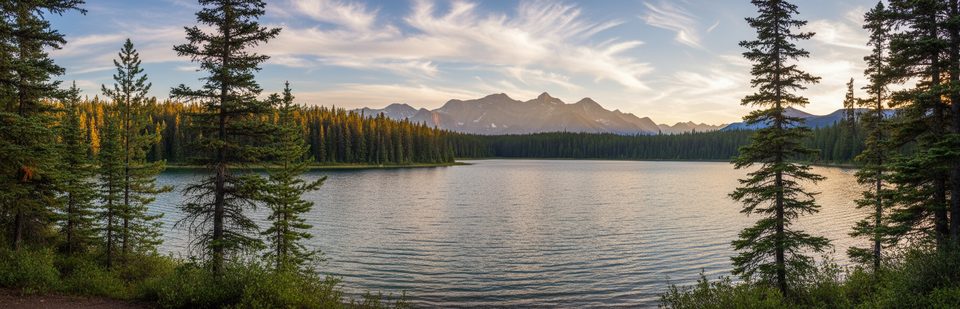
Place · 1 mi away
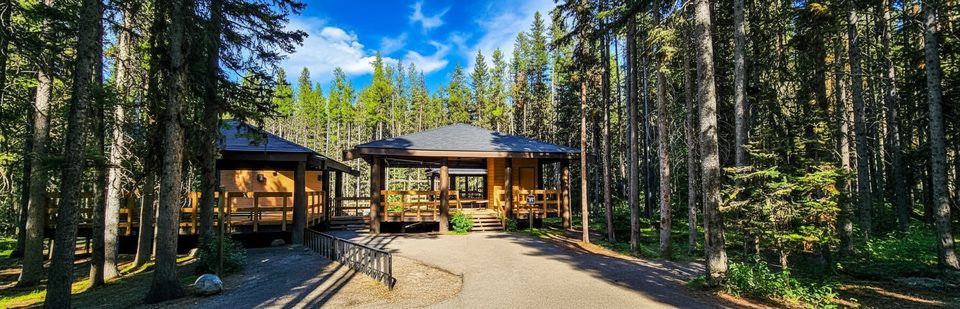
Place · 1.1 mi away
Place · 1.2 mi away
Easy · 0.7 mi away
Easy · 1.1 mi away
Easy · 1.7 mi away
Challenging · 1.8 mi away

Parkwolf Tour Guide
