
Place · 0 mi away
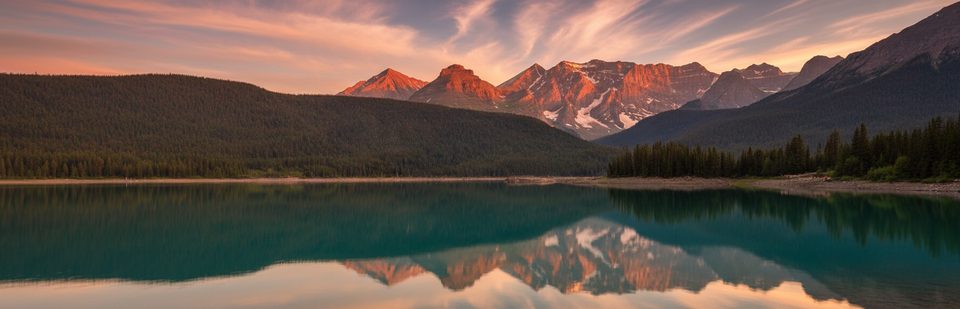
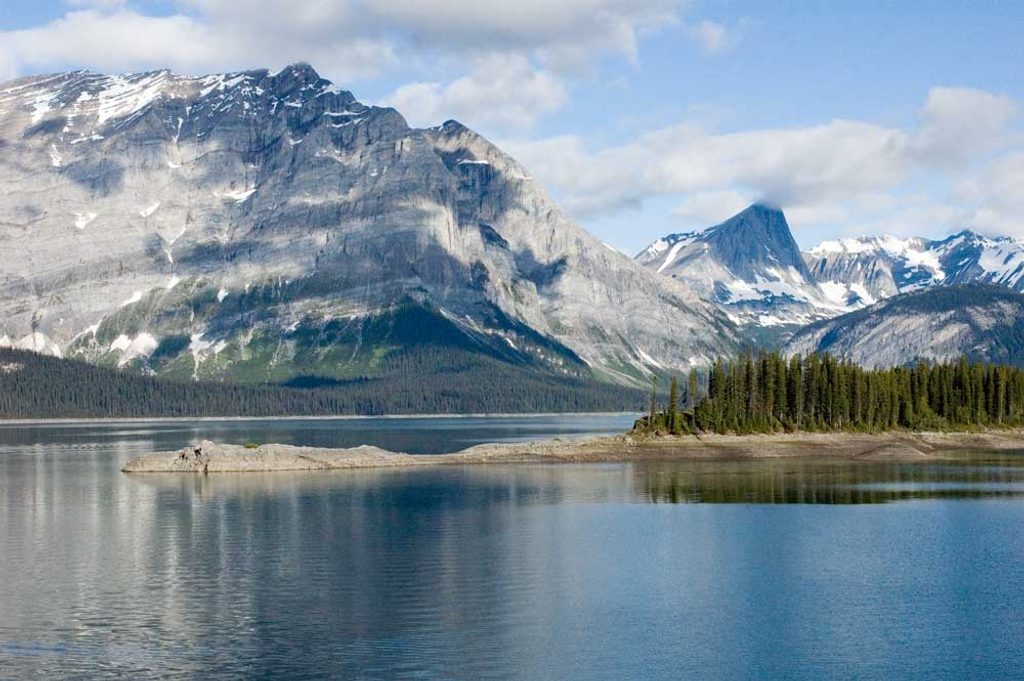
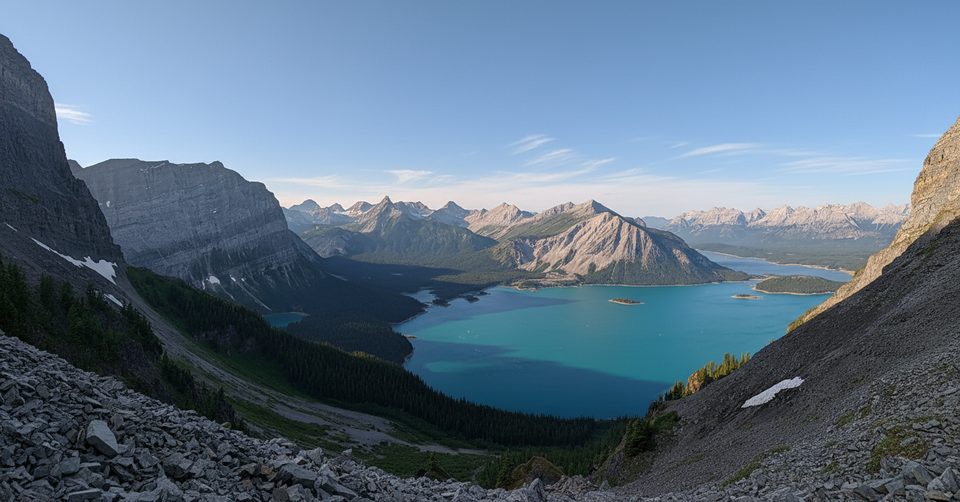
On the north shore of Upper Kananaskis Lake, a tongue‑shaped mass of sharp, angular boulders has been very slowly creeping downhill from Mount Indefatigable. Permafrost and interstitial ice let this talus “ooze” under its own weight, building the lumpy, ribbed surface you walk across. The lakeshore path skirts the lobe’s outer margin; park crews have armored a tread through the moving boulder field, so it briefly feels like a scramble compared with the mellow forested sections nearby.
You’ve got two easy options:
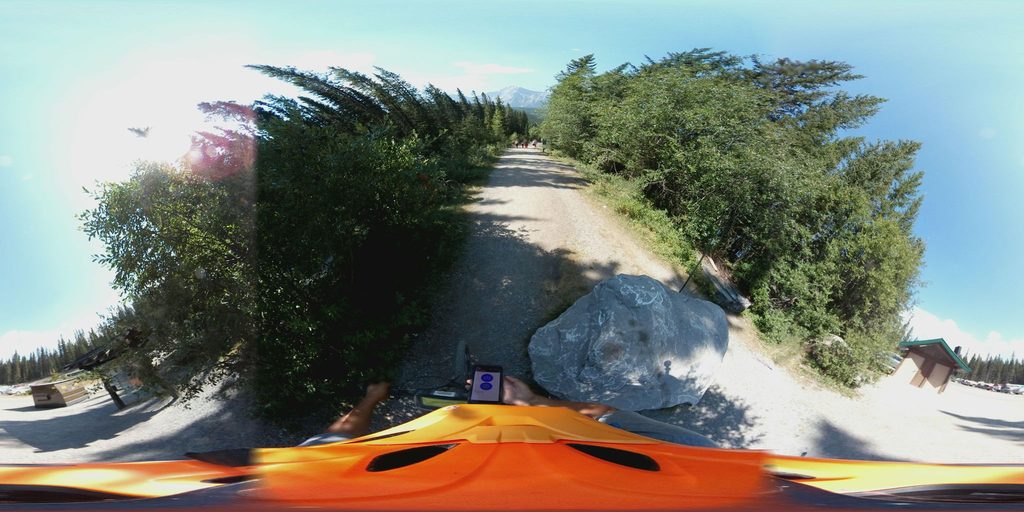
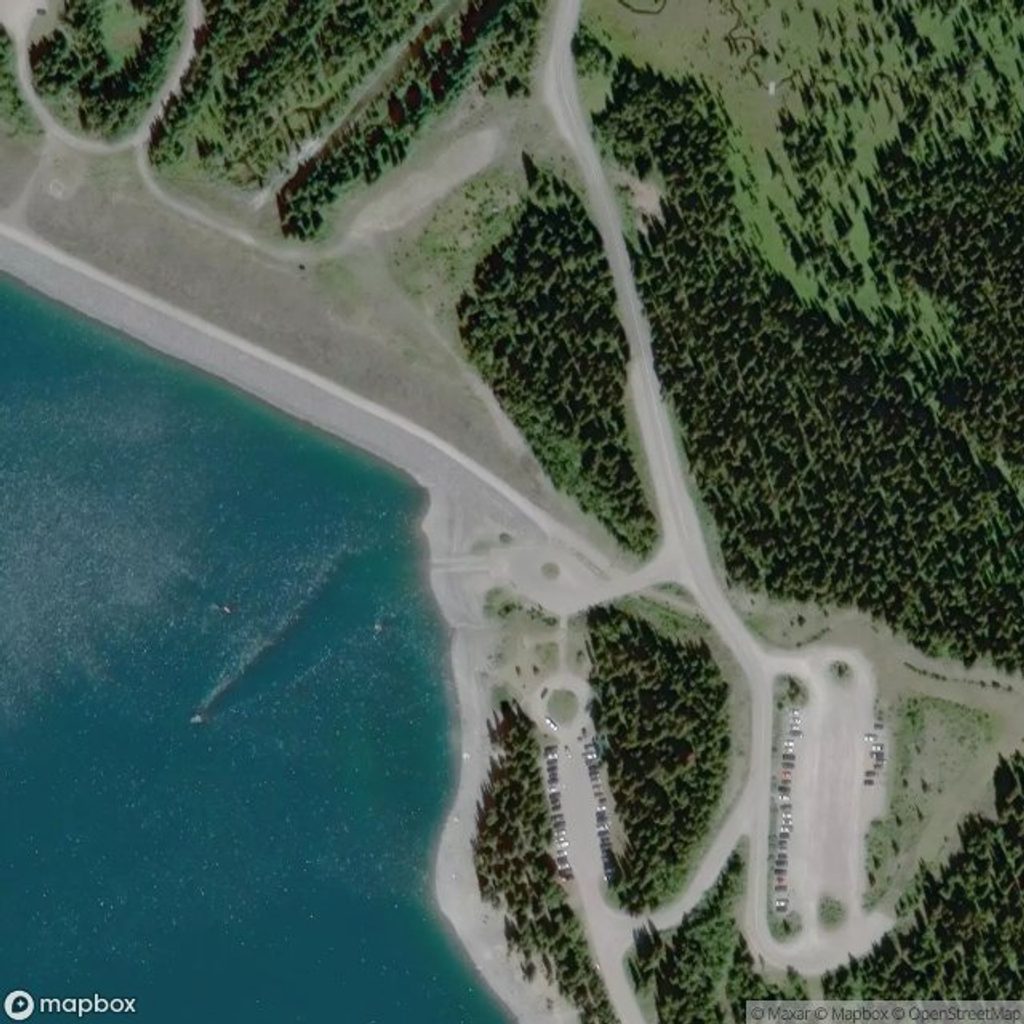
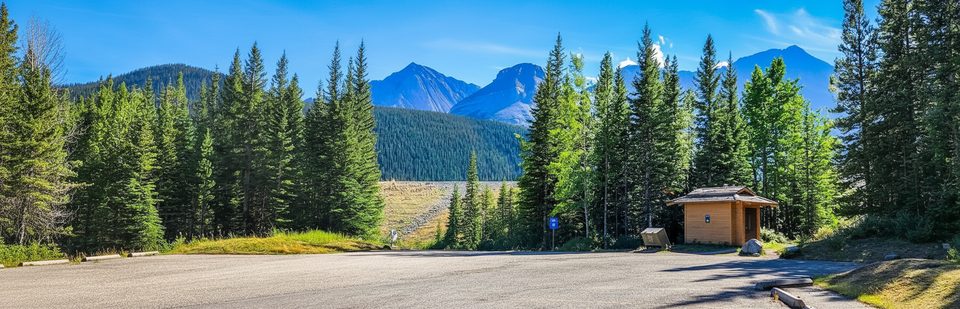
Know before you go: the interpretive stop is a simple pull‑off with no facilities, and a Kananaskis Conservation Pass is required to park. There’s no vehicle access to that trailhead from December 1 to June 14; in that period, reach it on foot as part of the lakeshore hike. For washrooms, use nearby day‑use areas such as Upper Lake, White Spruce, or North Interlakes (vault toilets), or Pocaterra for flush toilets.
Early winter reality (as of December 2, 2025): expect snow/ice along the lakeshore and especially tricky, void‑prone footing across the rock glacier when it’s snow‑covered. Microspikes are smart (snowshoes after storms), and turn around if drifted snow obscures gaps between blocks. Many PLPP winter trails are snowmobile‑packed, but the boulder field remains the crux. Also note that Upper Kananaskis is a reservoir—shoreline stumps and gravels may be exposed at low water and inundated later, subtly changing how this section feels.
Bighorn sheep are commonly seen along park roads. The boulder maze itself shelters small mammals—hikers sometimes spot “rabbits” darting among the rocks. This is prime bear country (both black and grizzly): carry bear spray, make noise in the forested approaches, and give wildlife space.
For easiest access and dry footing, aim for June 15 through fall when the interpretive pull‑off is open to vehicles. Summer weekends around the lake can be busy, so a weekday visit keeps things mellower. Winter and early spring (Dec–mid‑June) are doable on foot via the lakeshore, but expect ice, hidden holes, and short daylight.
Stay on the armored tread across the boulders to protect this sensitive landform. Lakeside camping is by reservation only, and there’s no dispersed camping along the shoreline.
Place · 0 mi away
Place · 0.2 mi away
Place · 0.4 mi away
Place · 0.5 mi away
Moderate · 0 mi away
Moderate · 0 mi away
Easy · 0 mi away
Moderate · 0.5 mi away

Parkwolf Tour Guide
