
Place · 0.1 mi away
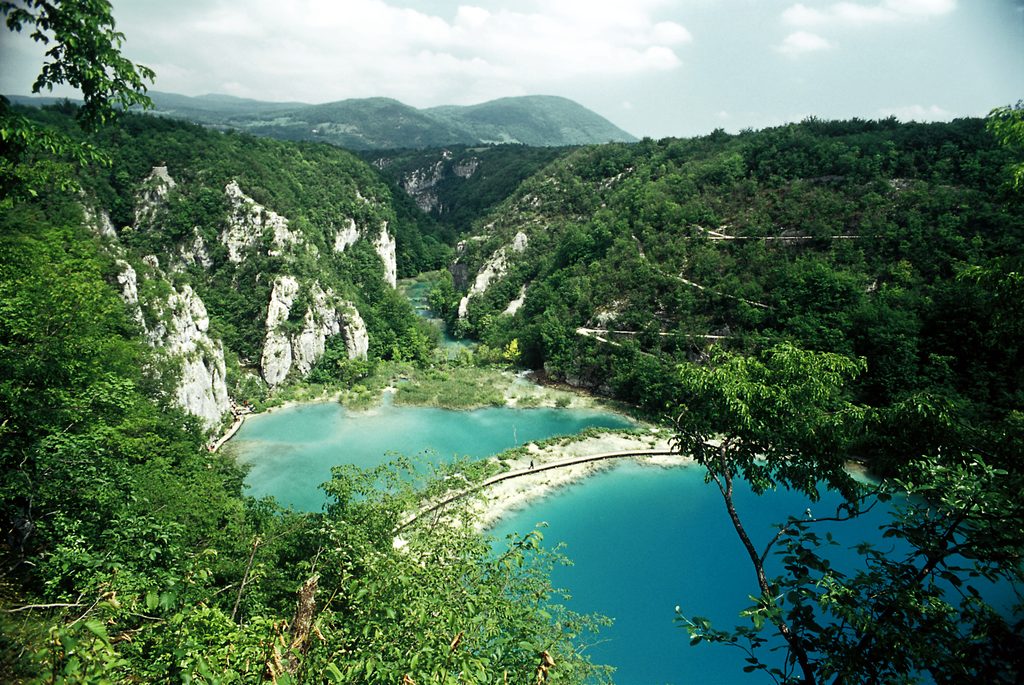
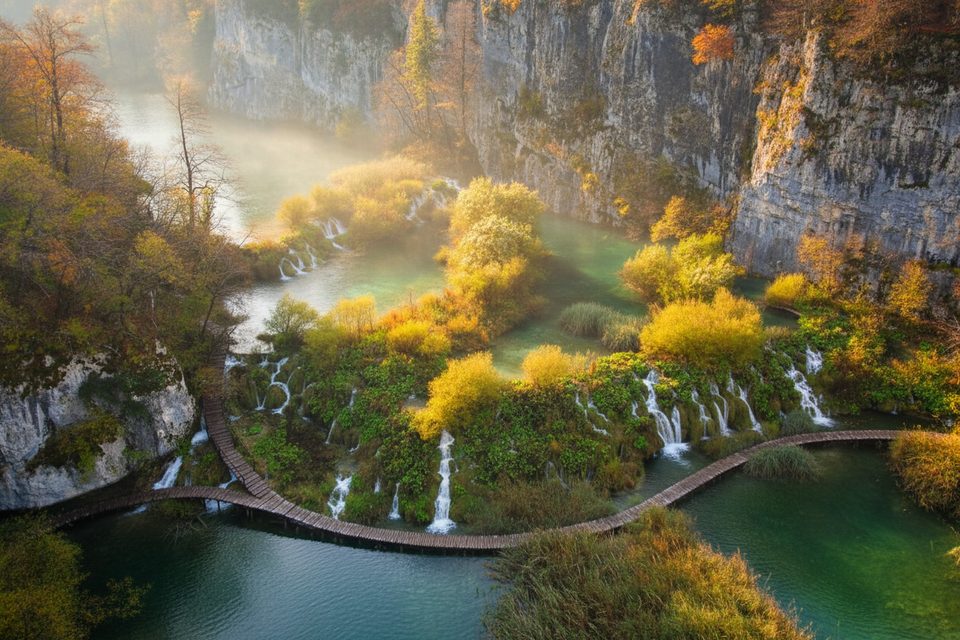
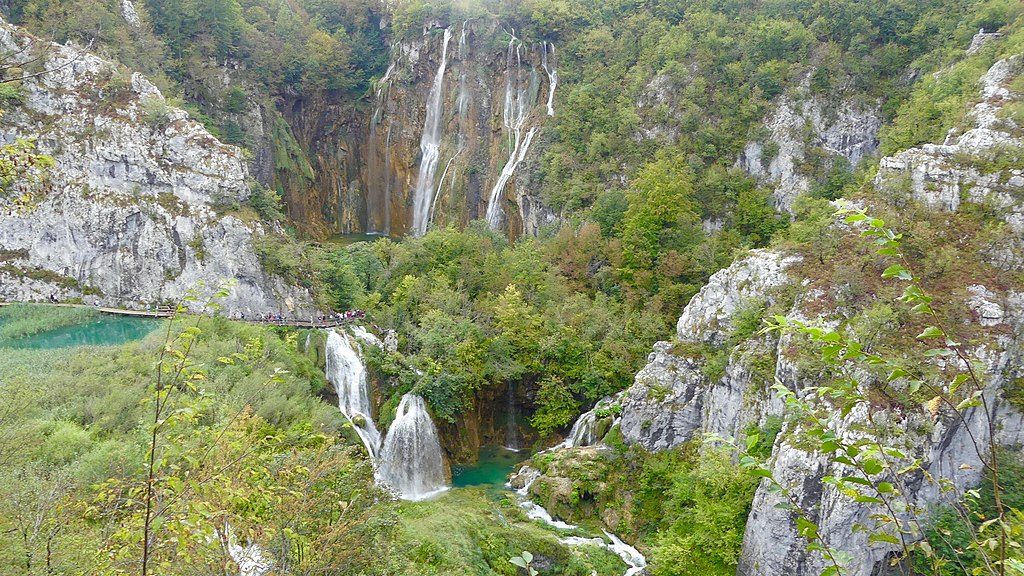
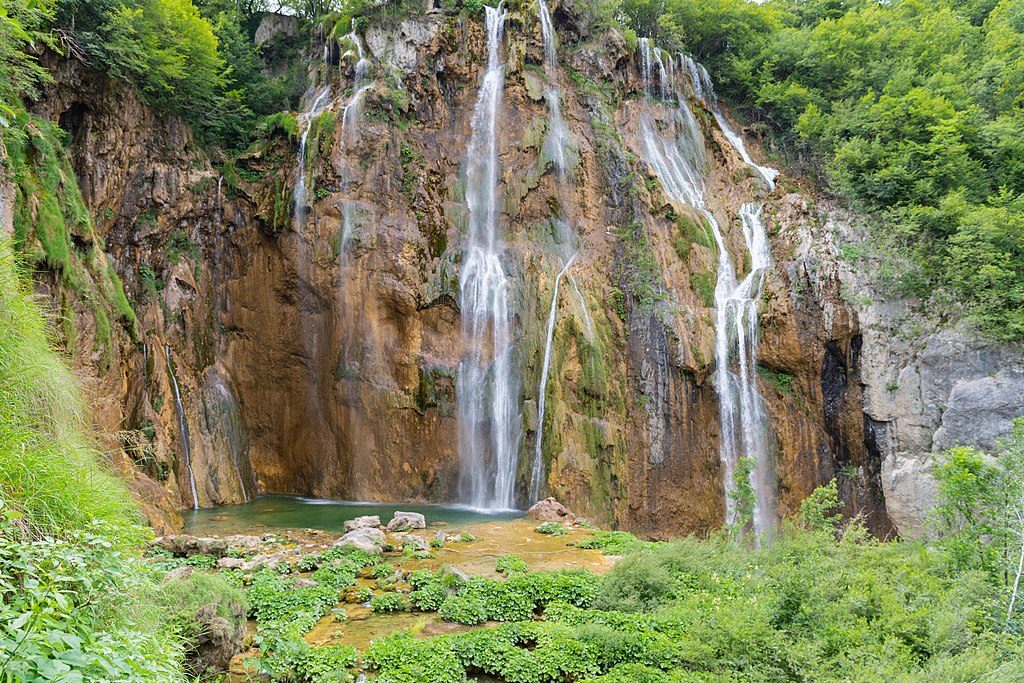
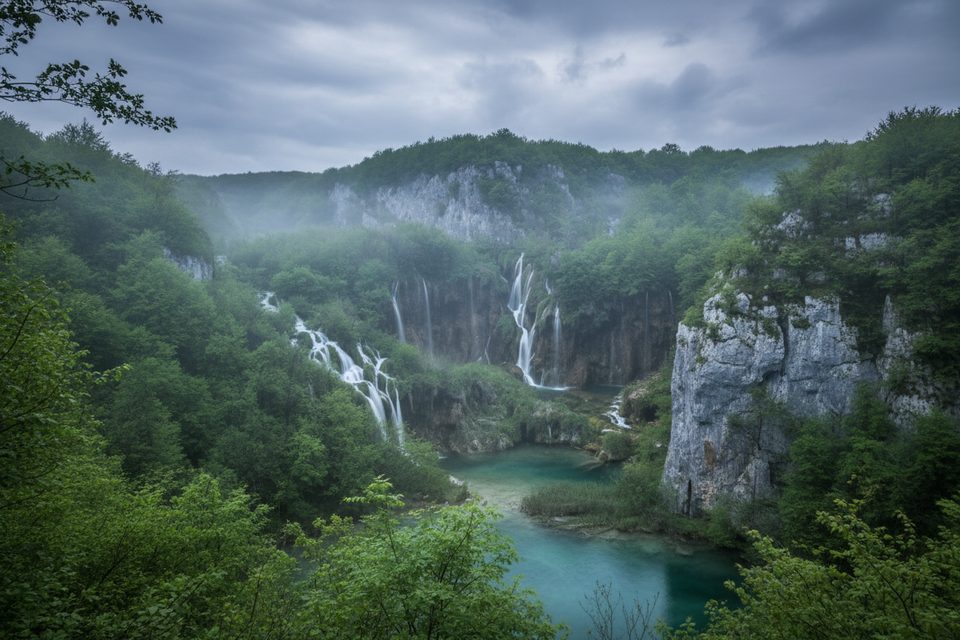
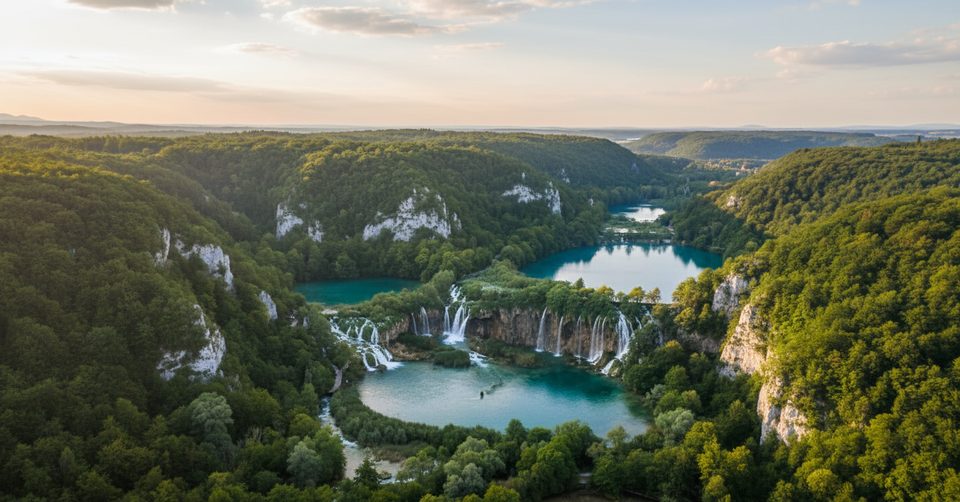
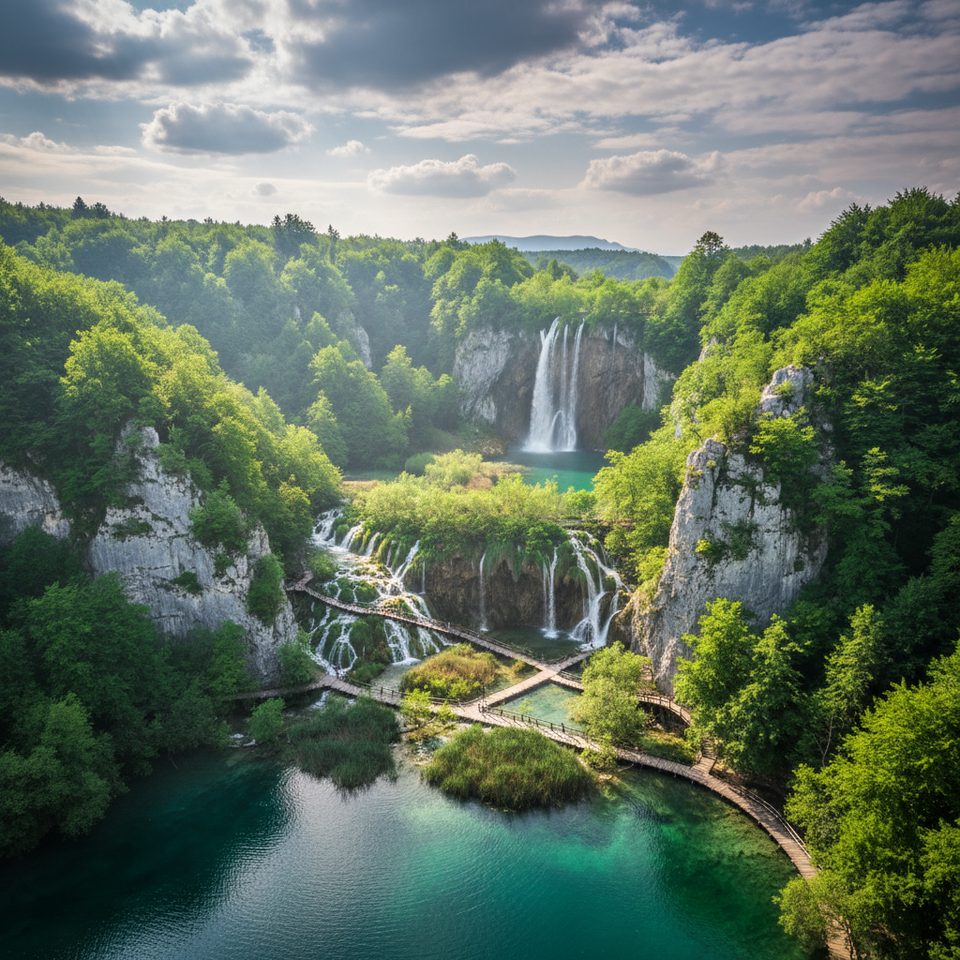
Novakovića Brod is the tiniest, last of the four Lower Lakes, tucked at the bottom of Plitvice’s limestone canyon. Water slips over a low travertine rim from Kaluđerovac into this pocket‑sized pool, then immediately dives off Sastavci Falls to form the Korana River. Croatia’s tallest waterfall, Veliki Slap (78 m), thunders nearby—this is where the park’s drama tightens into one compact scene.
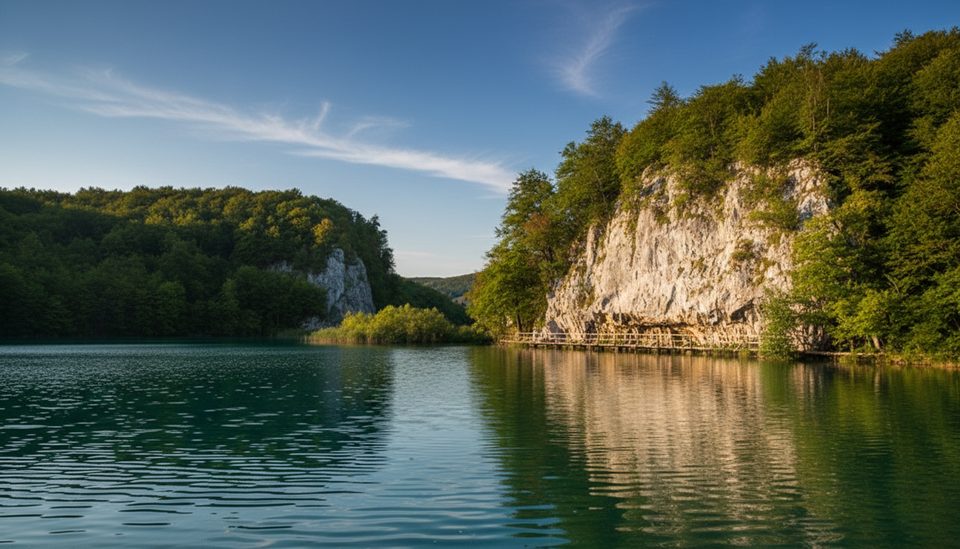
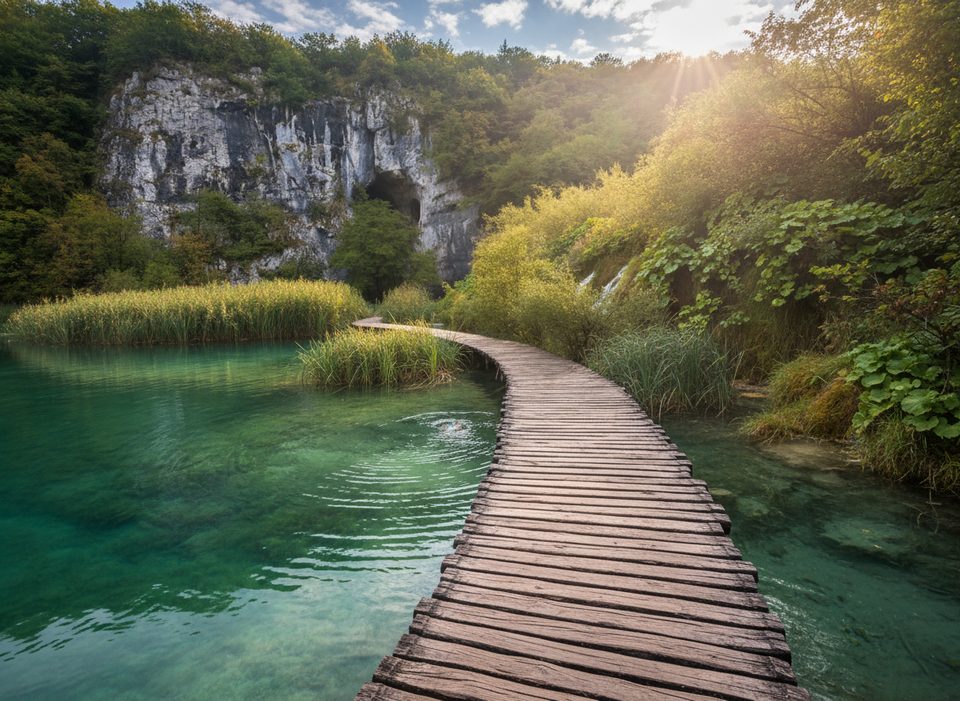
Expect turquoise water backed by steep canyon walls, boardwalks skimming the shore, and constant spray and sound from the falls around you. A wooden footbridge crosses the travertine barrier above the lake. Classic postcard viewpoints sit on the rim above the Lower Lakes; at water level, the boardwalk puts you right in the mist.
Start from Entrance 1. The standard Entrance 1 programs (A/B/C) thread the Lower Lakes, including Novakovića Brod. If you’ve only got a day, Program B focuses on the Lower Lakes and packs in the iconic views with gentle walking plus short boat/shuttle links. Keep your timed‑entry ticket handy for the boat and “panoramic train.”
There are no services at the lake itself—no parking, café, or restrooms along this stretch. Facilities cluster at Entrances 1 and 2 and at key service nodes (like boat and shuttle stops). Surfaces vary between wood, stone, and dirt and can be wet; shoes with real grip make a difference. Swimming is prohibited throughout the lakes to protect fragile tufa.
The Lower Lakes occupy a narrow limestone canyon, while the Upper Lakes sit on softer dolomite. Plitvice’s trademark barriers and falls are living travertine (tufa): calcium‑rich, crystal‑clear water precipitates minerals over moss and algae, slowly building and reshaping rims, cascades, and pools.
Most of the park is forest, home to brown bears, wolves, lynx, deer, and a broad cast of birds. Down by the lakes, you’re most likely to notice fish, frogs, birds, and busy insect life; larger mammals keep to quieter woods. Otters live here but are rarely seen.
Declared a national park in 1949 and inscribed as a UNESCO World Heritage site in 1979, the area also witnessed the first armed clash of the Croatian War of Independence in March 1991 before being restored for visitors.
Hit the Lower Lakes as early as your ticket allows or later in the afternoon to thin the crowds on the narrow boardwalks. In winter (roughly November–March), Entrances 2 and 3 typically close, so plan via Entrance 1 and check the day’s boat/shuttle timetable at info points.
Place · 0.1 mi away
Place · 0.1 mi away
Place · 0.1 mi away
Place · 0.1 mi away
Moderate · 0.3 mi away
Easy · 0.3 mi away
Easy · 0.3 mi away
Easy · 0.3 mi away

Parkwolf Tour Guide
