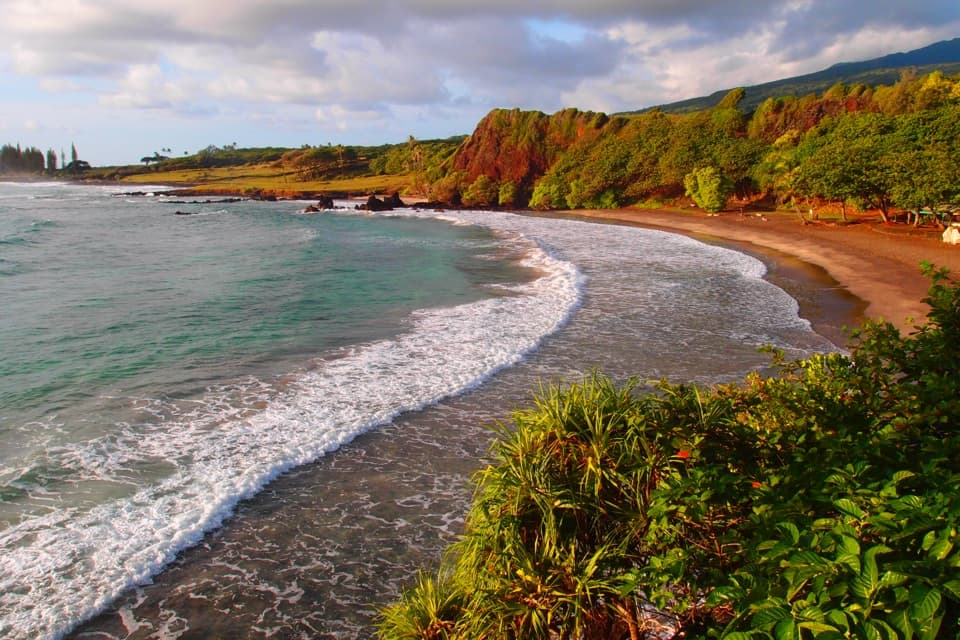

Overview
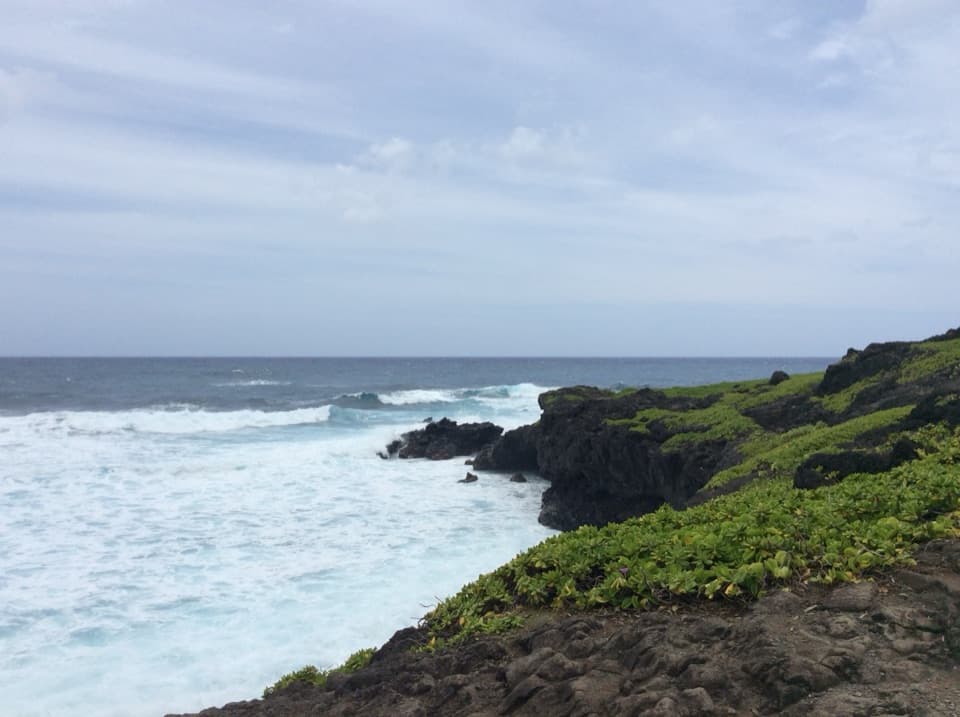
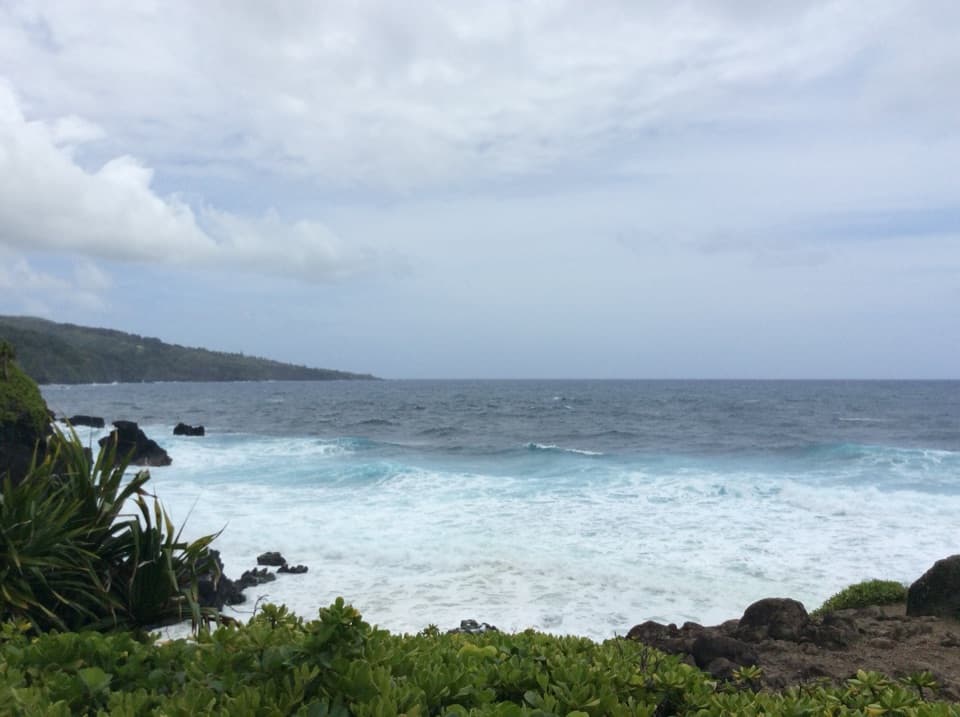
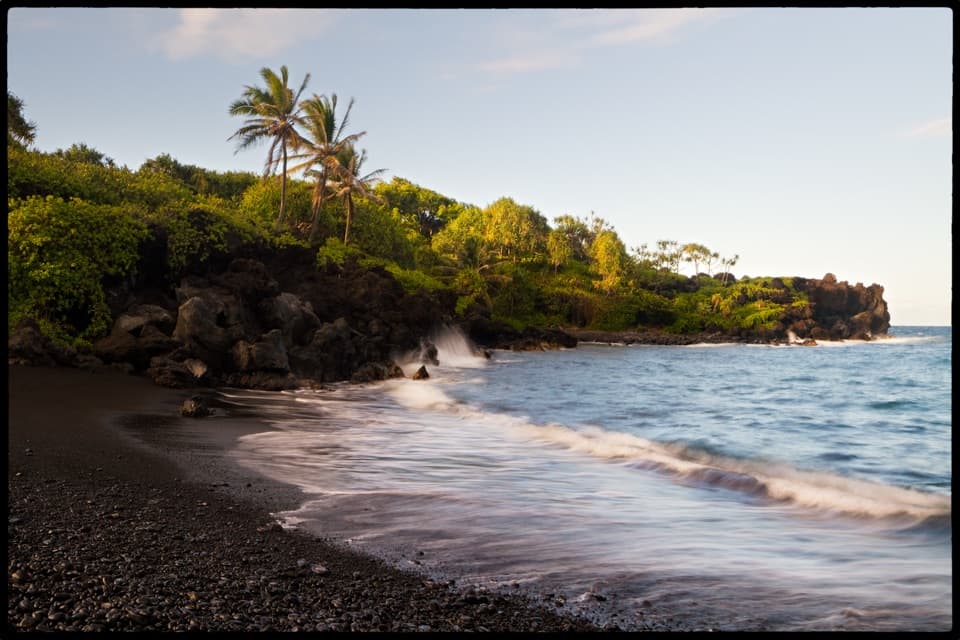
About Waimoku Falls
Why stop
- The bamboo forest and stream crossings make the long hike varied.
Heads up
- The falls take a moderately strenuous four-mile round trip to reach.
Map
Where it is
The highest, rockiest slopes around here are a summer buffet for grizzly bears.
Road to Hana Tour Guide
Your drive to Waimoku Falls, narrated.
Parkwolf is a GPS audio tour guide for Road to Hana. As you drive, it chimes in with what’s ahead: hidden gems, upcoming stops, history, geology, and wildlife, right through your car’s speakers.
See the Road to Hana audio tourRecorded for this place
Kīpahulu’s Coast and Waterfalls“You’re coming up on Kīpahulu Visitor Center, the starting point for coastal walks and the Pīpīwai waterfall hike.”
Plays as you drive up to Waimoku Falls in the Parkwolf Road to Hana Tour Guide.
More stories near here in the app
- The Bat in the Evening Sky
- Wailua Falls from the Bridge
- Where the Lava Went
- Kukui: The Tree That Gave Light
- 48 audio storiesacross Road to Hana’s roads, triggered by GPS as you drive
- Wildlife heatmapsfor Hawaiian Monk Seal, Green Sea Turtle, Frigatebird, and 13 more
- Works offlinemaps, 13 trails, 39 places, and audio download before you lose signal
- CarPlay readysimple controls built for the drive
“Fantastic app with many points of information… It’s great to just turn on while you’re driving and it gives you an audio tour of the national Park. We love it!!!!”


Guide
More about Waimoku Falls
Plan for the whole hikeWaimoku Falls is a roughly 400-foot cascade at the end of Pīpīwai Trail in Haleakalā’s remote…
Waimoku Falls is a roughly 400-foot cascade at the end of Pīpīwai Trail in Haleakalā’s remote Kīpahulu District. Allow the full 4-mile round trip and 800 feet of climbing; the trail is rated moderately strenuous. This is a forest walk with a waterfall at the far end, not a roadside stop. Kīpahulu is 12 miles past Hāna on Hāna Highway. It’s hot, humid, and rainy here, so bring drinking water, food, sturdy shoes, and fill up on fuel before you go; there are no food, supplies, or fuel in the park.
The walk has plenty before the fallsPīpīwai starts by the Kīpahulu Visitor Center and parking area.
Pīpīwai starts by the Kīpahulu Visitor Center and parking area. Makahiku Falls overlook is about half a mile in, and the bamboo forest begins around a mile. From there, the trail follows streams over boardwalks and footbridges. The waterfall is the headline, but the bamboo grove, banyan, and streamside scenery are what make the long walk feel like a full visit.
Stop at the signed viewpointThe marked trail ends at the Waimoku Falls viewing area.
The marked trail ends at the Waimoku Falls viewing area. From there, the cascade drops down a dark cliff framed by dense green foliage. Take your photo from the marked viewpoint and keep the rock wall and surrounding plants in the frame. Don’t follow informal paths toward the plunge pool or enter the stream: off-trail travel is illegal, and flash floods and sudden rockfalls can happen here.
Look for life in the streamPīpīwai’s water is habitat for endemic freshwater shrimp and rock-climbing gobies.
Pīpīwai’s water is habitat for endemic freshwater shrimp and rock-climbing gobies. The Hawaiian islands formed over a volcanic hotspot and sit far from continents; their isolation shaped unusual native plants and animals. If you pause by the stream, look from the trail rather than wading in.
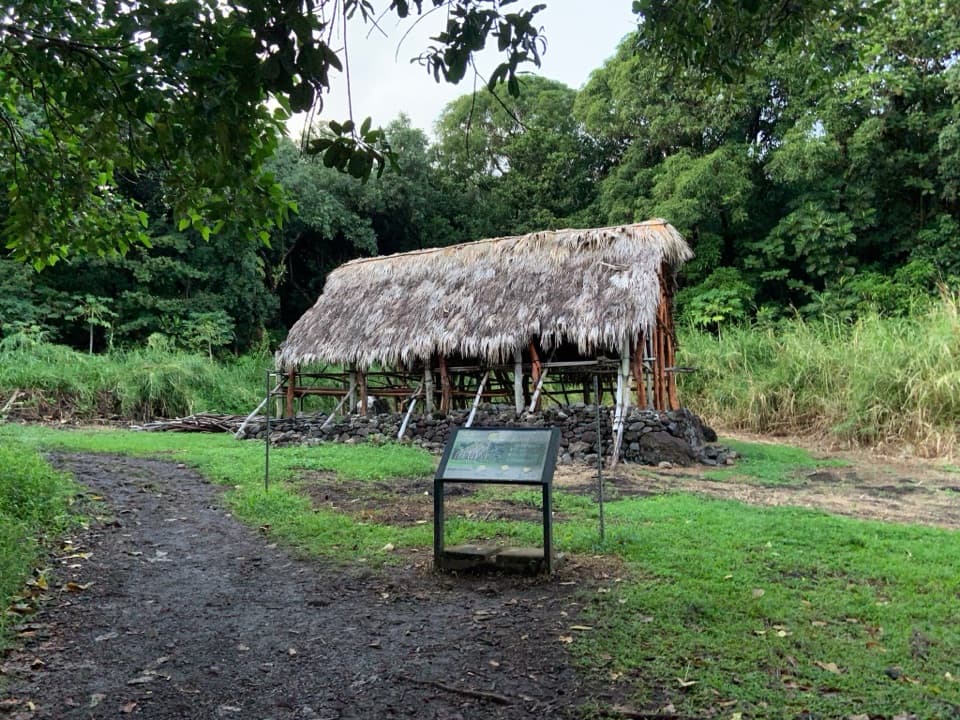
Kīpahulu is a living placeNative Hawaiians have lived in Kīpahulu for hundreds of years, and its traditional ahupuaʻa…
Native Hawaiians have lived in Kīpahulu for hundreds of years, and its traditional ahupuaʻa link resources from mountain to sea. The falls sit in that wider landscape, so leave the stream and surrounding area as you found them.
Wildlife
Wildlife in Road to Hana
 10 sightingsHawaiian Monk SealMost seen around 11 AMSighting map
 127 sightingsGreen Sea TurtleMost seen around 5 PMSighting map
 86 sightingsFrigatebirdMost seen around noonSighting map
 17 sightingsRed-footed BoobyMost seen around 6 AMSighting map
 73 sightingsNene (Hawaiian Goose)Most seen around 6 AMSighting map
 58 sightingsHawaiian StiltMost seen around 8 AMSighting map
Sighting maps show where each species has been reported across Road to Hana. Wildlife moves, so no sighting is guaranteed.