
Place · 0.7 mi away
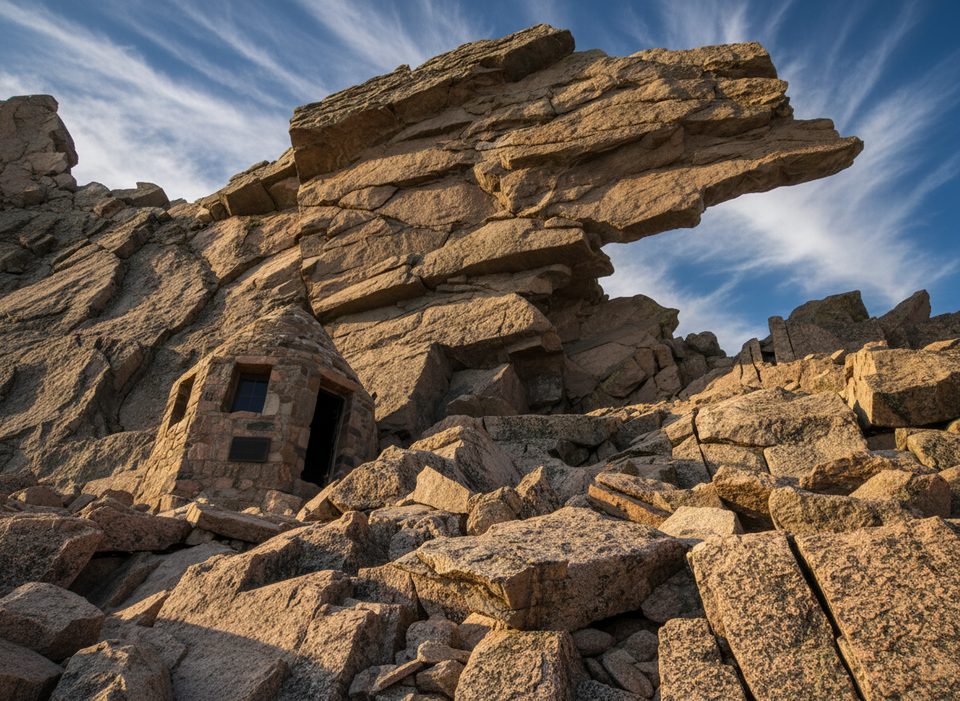
This beehive-shaped stone hut sits right at the Keyhole above the Boulder Field on Longs Peak—where wind funnels through with gusto. It’s a memorial to climber Agnes Vaille and a reality check for anyone pushing higher. Treat it as a brief windbreak and a decision point, not a place to ride out a storm.
Agnes Vaille died of exposure on Longs Peak in 1925 after a winter ascent, a tragedy that spurred construction of this shelter soon after. Built of native stone in 1927 and later rebuilt by Vaille’s family in 1935, the structure is a classic example of National Park Service rustic design and is listed on the National Register of Historic Places. The story—along with the death of would‑be rescuer Herbert Sortland—underlines the mountain’s unforgiving conditions.
Think simple: a single circular room with a conical roof, no door, no heat, no lights, no water. Snow frequently piles inside even in summer. The real shock is the wind; conditions can differ dramatically on either side of the Keyhole. Use the hut to regroup and assess weather, time, and energy.
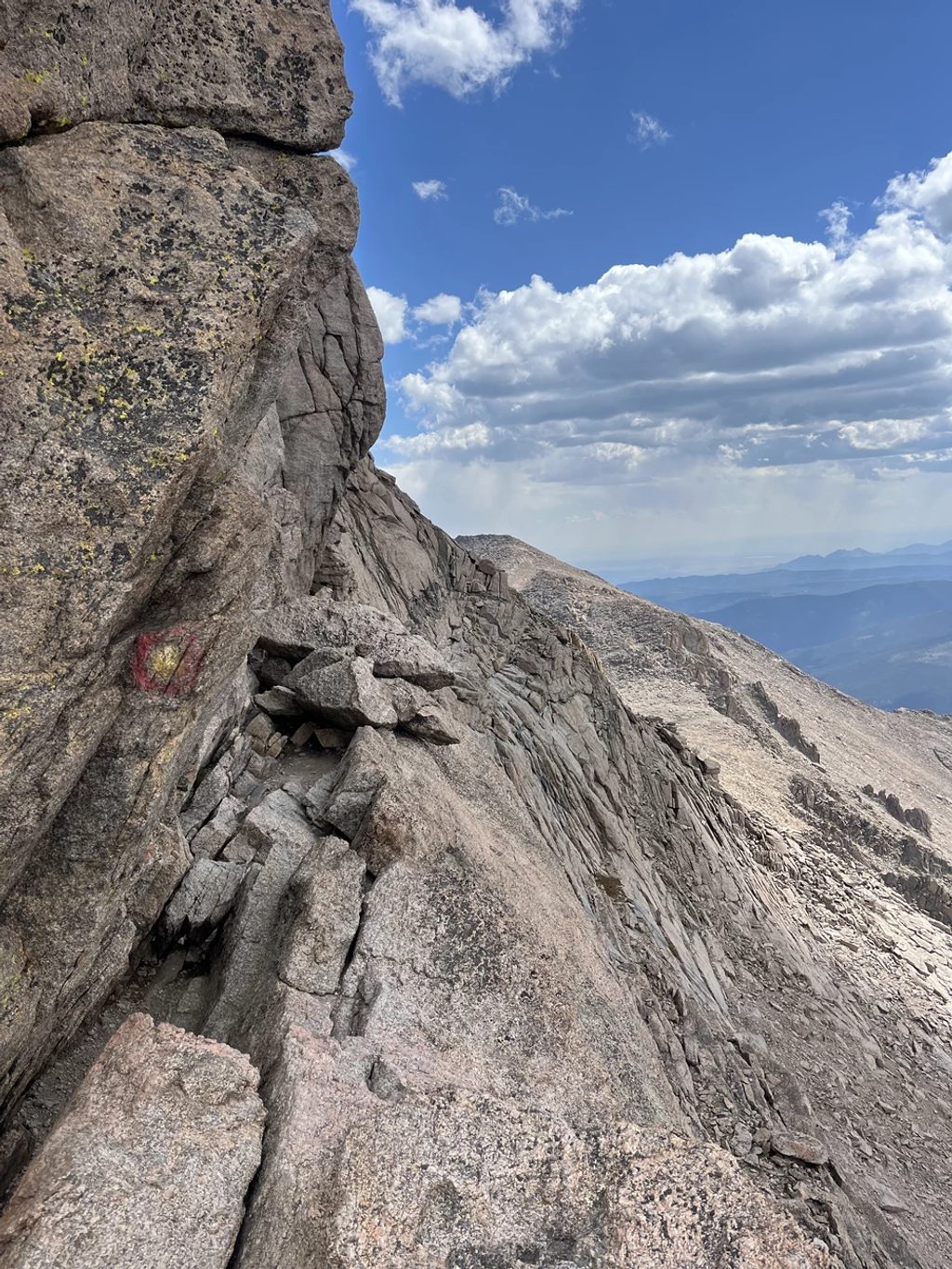
You’ll encounter the shelter via the standard Keyhole Route from the Longs Peak Trailhead. Most hikers reach it as the high point before things turn truly alpine. Beyond the Keyhole, the route becomes real Class 3 territory (Ledges, Trough, Narrows, Homestretch) with exposure and objective hazards—turn back if weather or conditions aren’t right.
There are no amenities at the shelter. Privies in the Boulder Field area can be seasonally closed, and there’s no water above treeline—plan to be fully self‑sufficient and pack out all trash. Late September can bring snow and ice that shut down progress past the Keyhole.
Pre‑dawn starts are the norm to beat wind, lightning, and afternoon storms. Clear summer days bring more people onto the route; expect company near the Keyhole. If skies build or winds rage, consider the Keyhole—and the shelter—a smart turnaround point.
Place · 0.7 mi away
Place · 1.1 mi away
Place · 1.2 mi away
Place · 1.6 mi away
Challenging · 1.6 mi away
Challenging · 1.6 mi away
Challenging · 1.6 mi away
Challenging · 1.6 mi away

Parkwolf Tour Guide
