
Place · 0.5 mi away
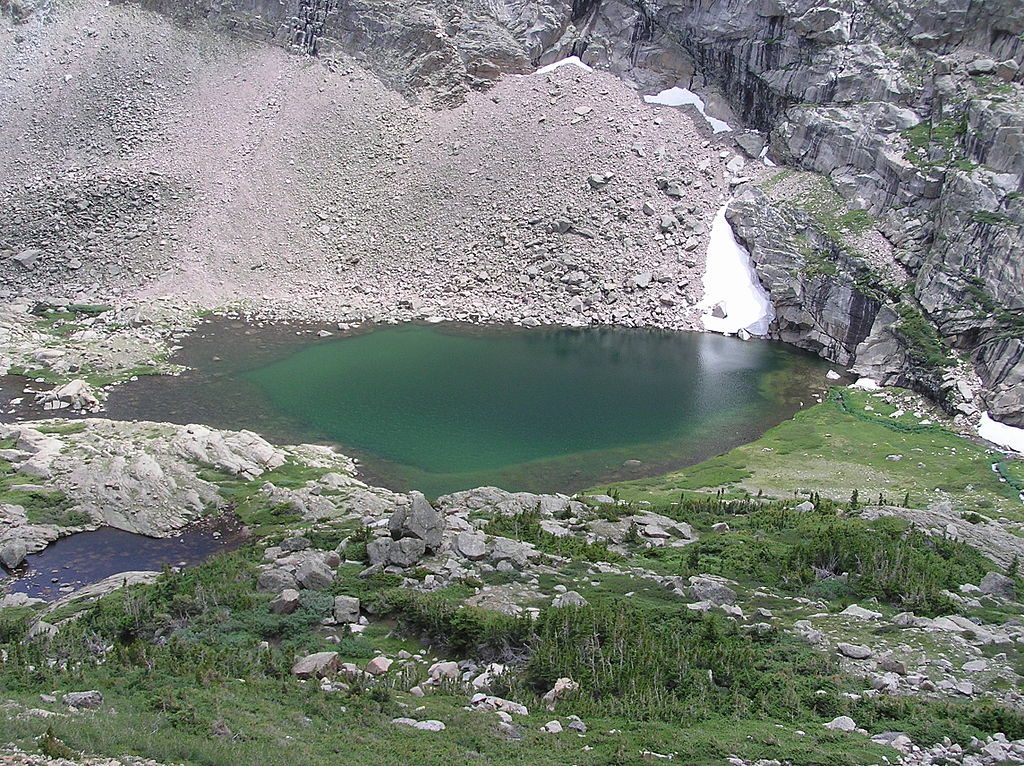
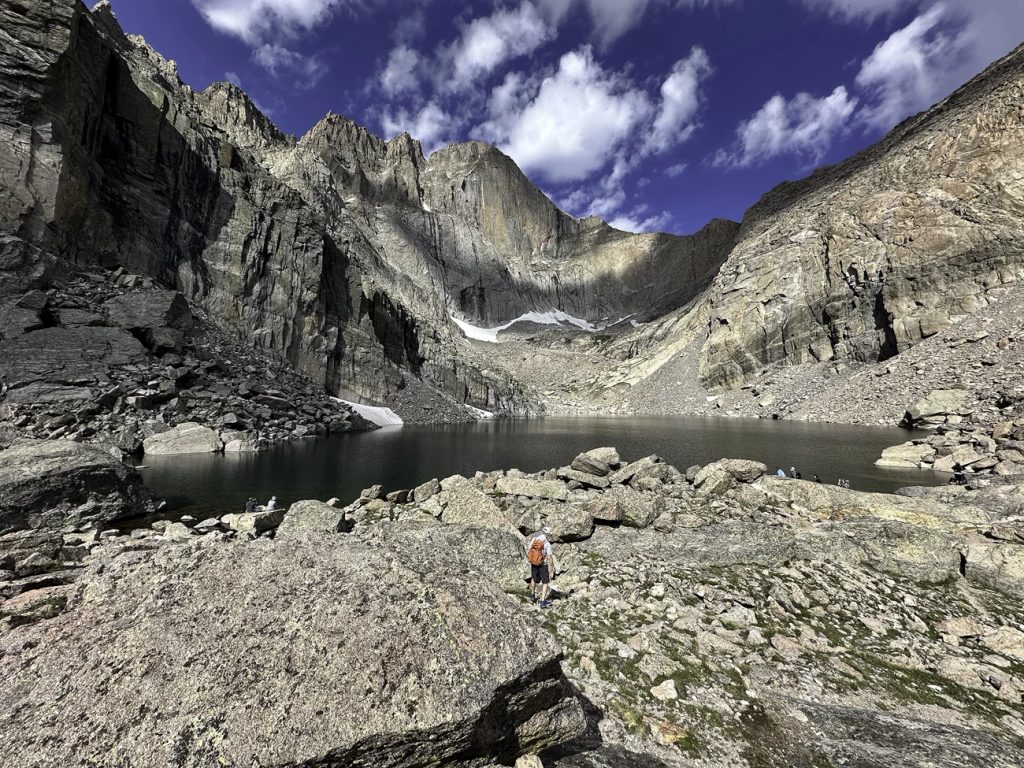
Peacock Pool is a small alpine tarn tucked beneath Columbine Falls in the dramatic Chasm Lake basin under Longs Peak’s Diamond and the Ship’s Prow. Most hikers simply admire it from above along the Chasm Lake trail—it's gorgeous from the traverse and doesn’t require leaving the path.
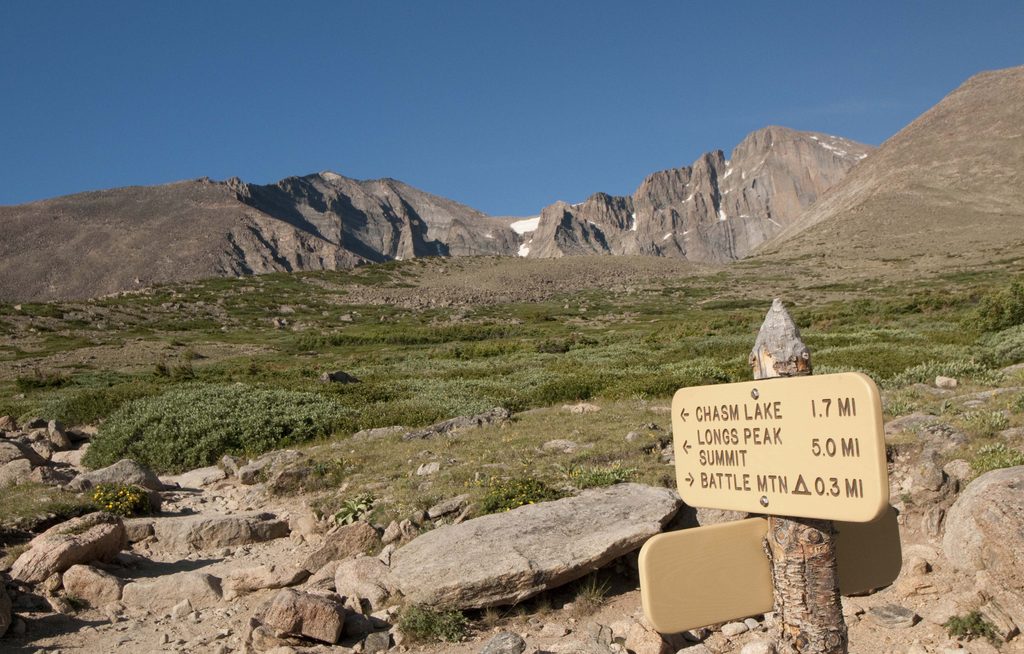
Start at the Longs Peak Trailhead and follow the East Longs Peak/Chasm Lake trail through forest to treeline. At Chasm Junction, turn left toward Chasm Lake; within a short distance you’ll overlook Columbine Falls spilling into Peacock Pool below. Expect a sustained climb and thin air. The outing to this overlook and the basin typically runs about 8–9 miles round trip with roughly 2,400–2,600 feet of elevation gain if you continue into the basin. Parking at the trailhead fills very early in summer—pre-dawn starts are the norm.
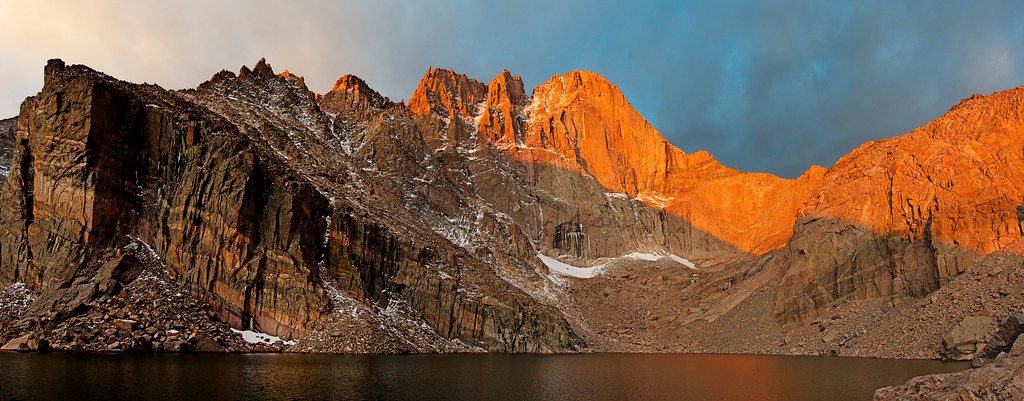
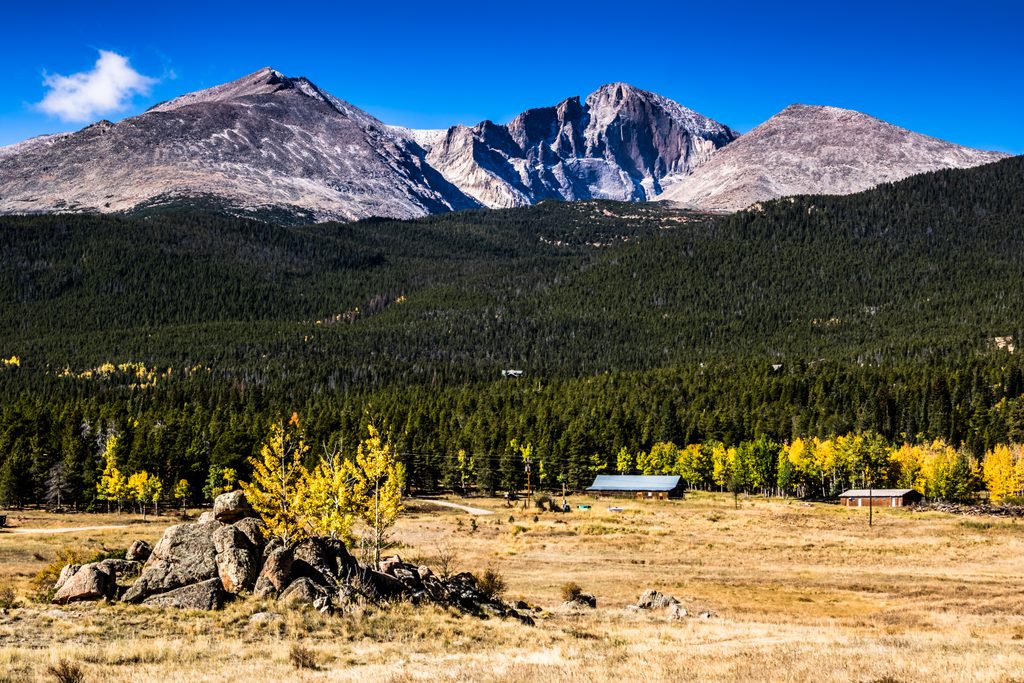
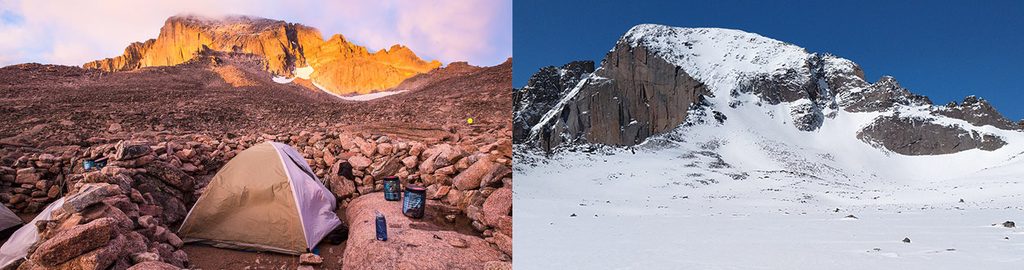
From the traverse, you get a classic glacial cirque view: Longs Peak’s sheer Diamond face, Mt. Meeker, Mt. Lady Washington, and Columbine Falls dropping toward the emerald pool. Wildlife is part of the fun—marmots and chipmunks are common in the alpine, and you may hear pikas or spot bighorn sheep.
In summer and fall, the slopes down to the pool are steep and fragile. The best practice is to enjoy Peacock Pool from the established trail to protect the tundra. In winter and spring, snow may smooth out the descent, but only consider it if you have the skills and have assessed avalanche conditions.
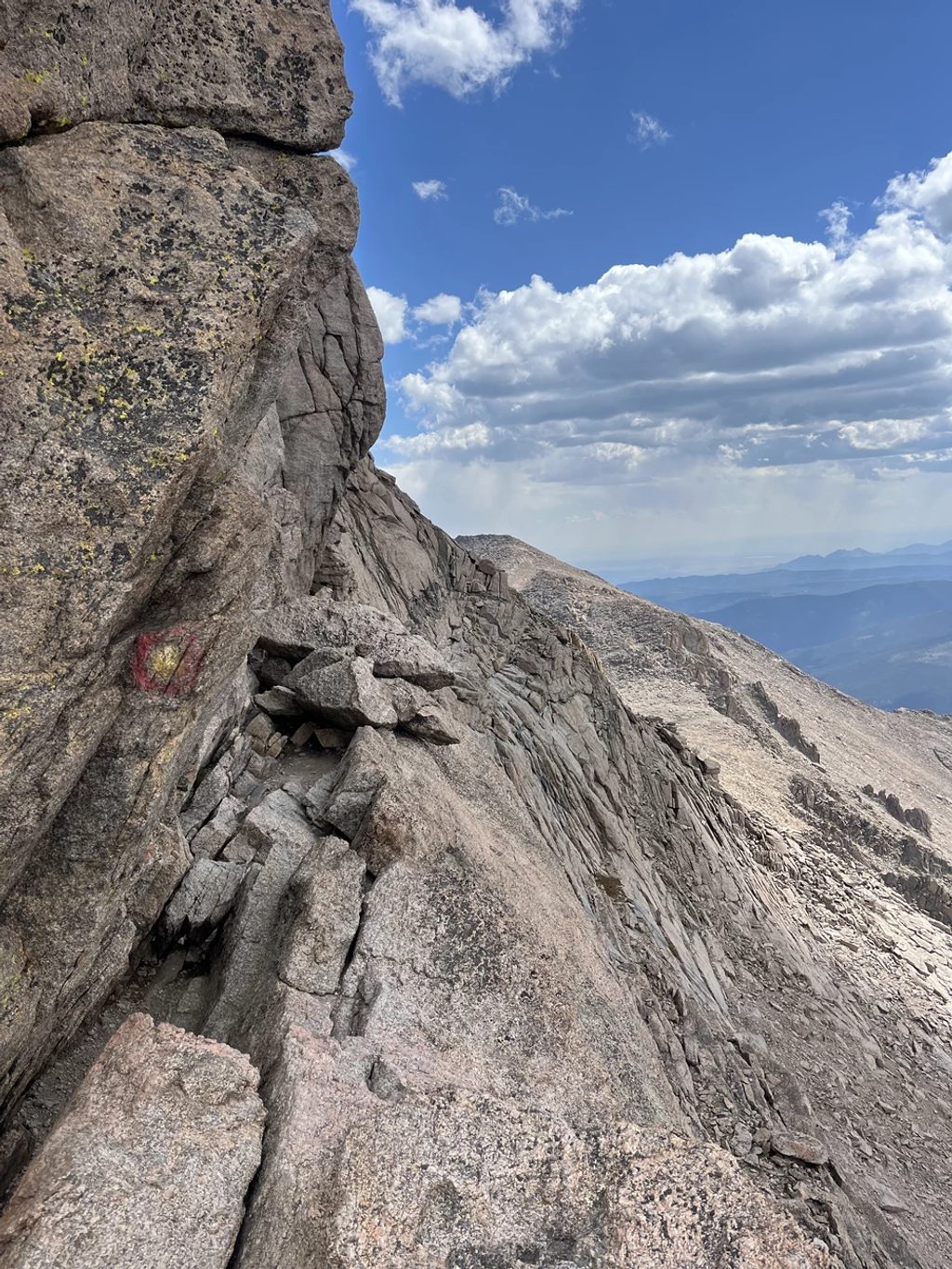
Snow and ice can linger well into early summer; traction (and even an ice axe in early season) can be necessary. Above treeline weather changes fast—start early to beat afternoon thunderstorms and strong winds. Hydrate, pace yourself, and heed altitude symptoms. If you continue toward Chasm Lake, expect a short, cairned rock step near the end.
There’s a privy near Chasm Junction on the Chasm Lake route and vault toilets at the trailhead. There are no services at Peacock Pool—no trash cans or treated water—so pack out everything and treat any collected water. The park may use timed-entry or similar systems seasonally; check the official site before your visit.
Aim for early morning any time of year—lighter crowds, calmer winds, and better odds of beating summer thunderstorms. Peak visitation runs June–September. If you’re tempted to go down to the pool, winter/spring conditions are generally more forgiving on the terrain, provided you have the skills and evaluate snow safety.
Don’t confuse this with “The Pool” near Fern Lake—that’s a different, low-elevation river stop on the park’s east side.
Place · 0.5 mi away
Place · 0.6 mi away
Place · 0.7 mi away
Place · 0.9 mi away
Challenging · 2.2 mi away
Challenging · 2.2 mi away
Challenging · 2.2 mi away
Challenging · 2.2 mi away

Parkwolf Tour Guide
