
Place · 2 mi away
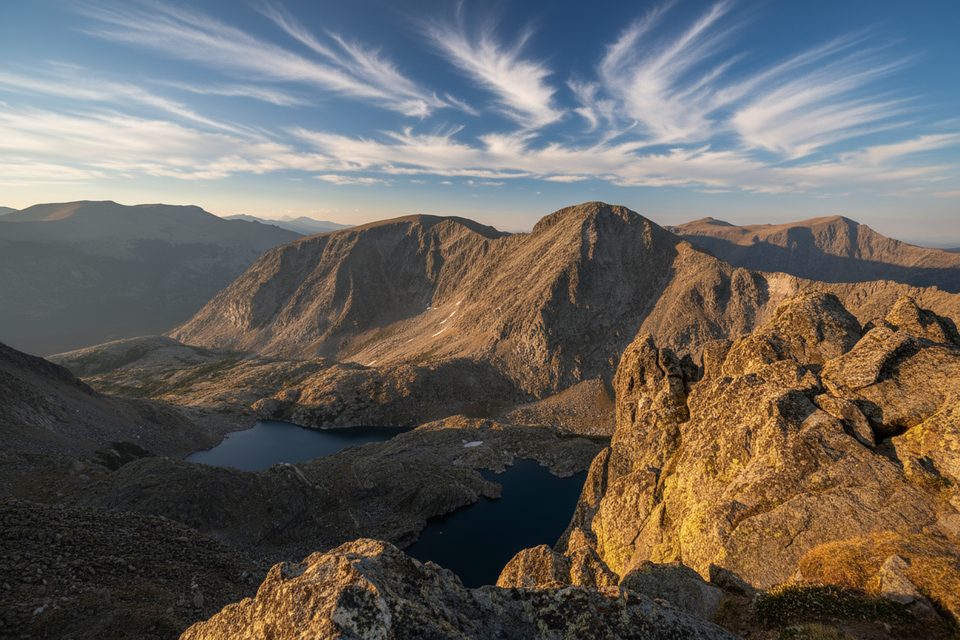
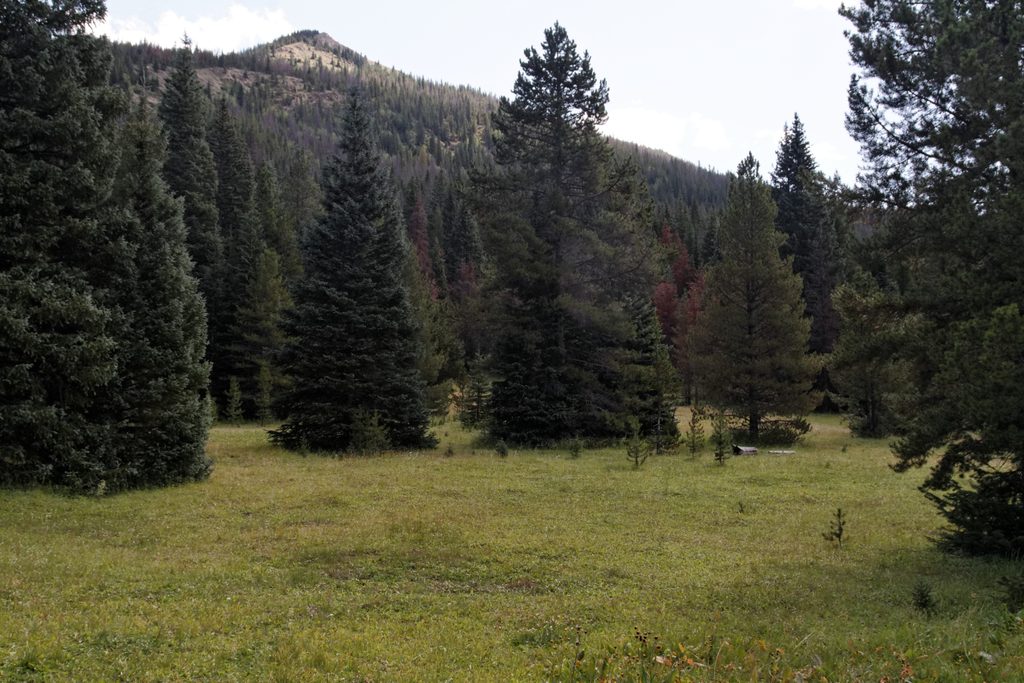
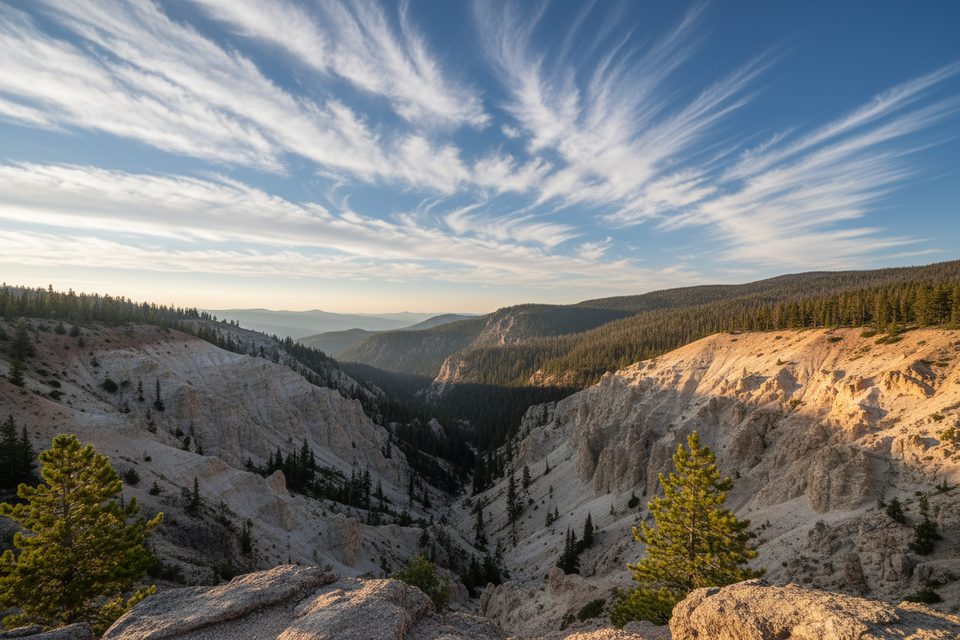
Dutch Town is a single designated backcountry campsite tucked just below timberline at 10,760 feet. It’s about 6 miles from the Colorado River Trailhead on the park’s west side via the Red Mountain Trail, with roughly 1,760 feet of gain. Plan on 5–6 hours one-way. The payoffs are solitude, big Never Summer scenery, and a sheltered, cheerful site that catches first light.
This is minimalist, true-wilderness camping: there’s no privy, no built infrastructure, and campfires are not allowed—bring a stove. A nearby creek is your water source (always treat or boil). From April 1 through October 31, a bear-resistant canister is required for all food and scented items. Follow Leave No Trace and avoid pitching under standing dead trees. Small mammals (marmots, woodrats) are active here—secure all food and gear to avoid nighttime raids.
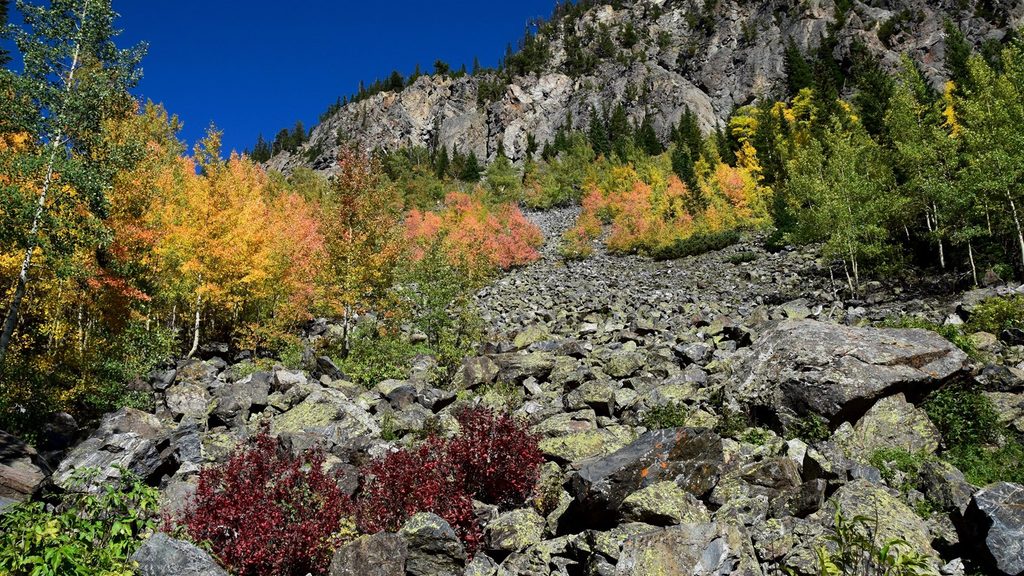
The approach from the Colorado River Trailhead starts in shaded forest, transitions to a flatter, less scenic stretch on the Grand Ditch, then ramps back up as you near Dutch Town. The final push often involves a boulderfield and steep, slower travel with some route-finding—start early and give yourself time. Early summer can bring lingering snow and downed trees, especially near the ditch; late July through September is typically the cleanest window.
Expect a classic west-side mix of meadows, willows, and high-country views of peaks and waterfalls near camp. Moose frequent the Kawuneeche Valley corridor you’ll hike in on; dawn and dusk are your best bets. Elk are common park-wide, with patterns shifting seasonally. At camp, marmots are bold and curious—another reason to keep a tidy kitchen and tighten up your food storage.
A wilderness camping permit is required for this site. There’s no toilet at Dutch Town, and the trailhead facilities aren’t guaranteed—use the restrooms at Kawuneeche Visitor Center before you drive up and sort any permit needs there on the west side. Water is from the creek only; pack a treatment method and extra carrying capacity.
The park runs timed-entry reservations in peak season. For the west-side Colorado River Trailhead, you generally need the "Rest of Park" permit if entering between 9 a.m. and 2 p.m.; arrivals before 9 a.m. or after 2 p.m. typically don’t require a permit. If you’re also planning Bear Lake Road that same day, that corridor has its own permit window. Check current details with the National Park Service. Note: Late August 2025 saw a temporary closure of the Colorado River Trail and the Grand Ditch for project work—verify any active closures before you commit.
This is high, exposed country. Hydrate, watch the sky for fast-building storms, and be conservative with turnaround times. Treat all water. Use your bear canister even if you don’t see wildlife—it’s required and protects animals and your food.
Place · 2 mi away
Place · 2.5 mi away
Place · 3.5 mi away
Place · 3.5 mi away
Moderate · 1.9 mi away
Moderate · 1.9 mi away
Easy · 2.9 mi away
Moderate · 2.9 mi away

Parkwolf Tour Guide
