Place · 2 mi away

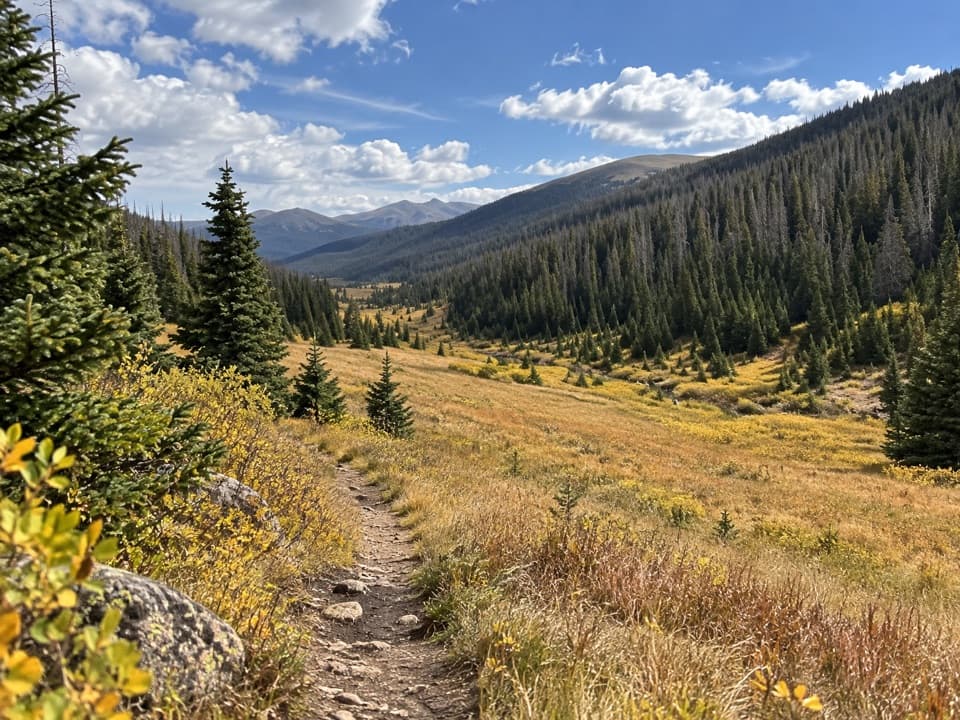
Lulu City is a ghost of a mining town tucked into a quiet meadow along the upper Colorado River. Don’t come expecting preserved buildings; this one’s about the walk, the river, and the feel of history in a broad, glaciated valley. You’ll find a few foundations, a small cemetery, and interpretive touches that make the past feel close—just set your expectations low on “ruins” and high on scenery and solitude.
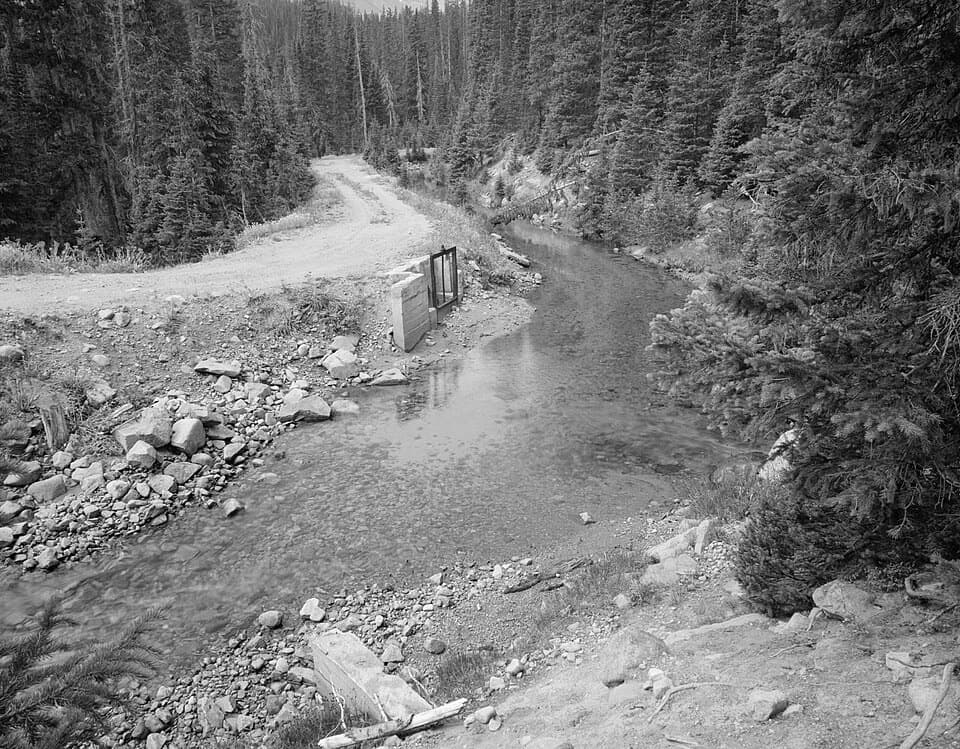
Most visitors reach the site via the Colorado River Trail from the west side of the park (off Trail Ridge Road). It’s an easy–moderate out-and-back of roughly 7–7.5 miles round trip with gentle grades through meadows and aspen. The trail tracks the river, with occasional small stream crossings and the possibility of muddy sections near water. Parts of the route parallel the historic Grand Ditch. Pets aren’t allowed, and you’ll need a park pass.
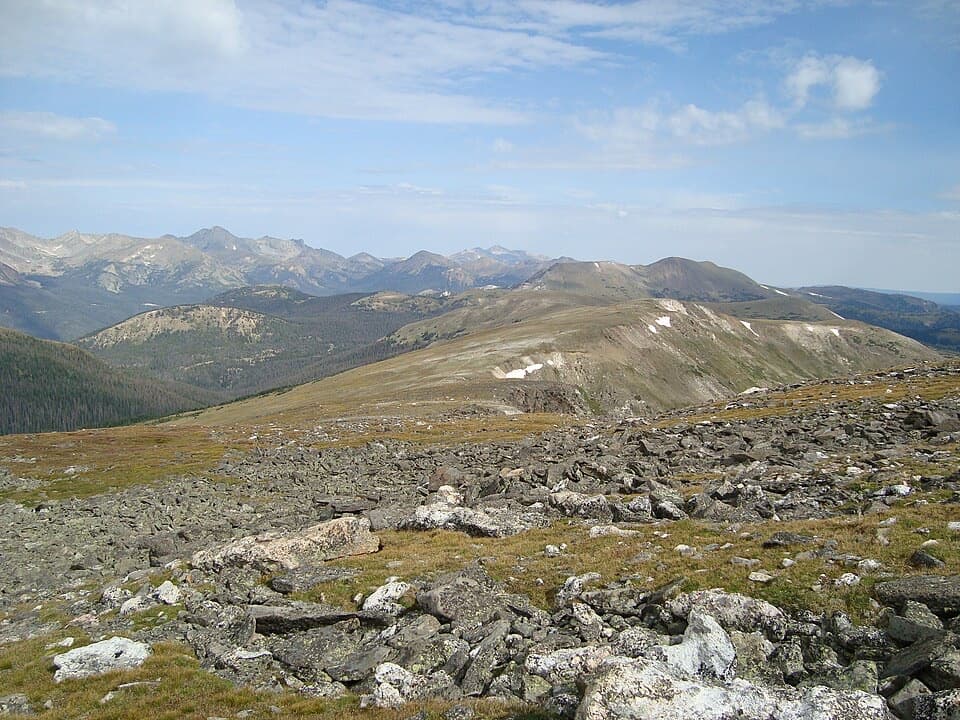
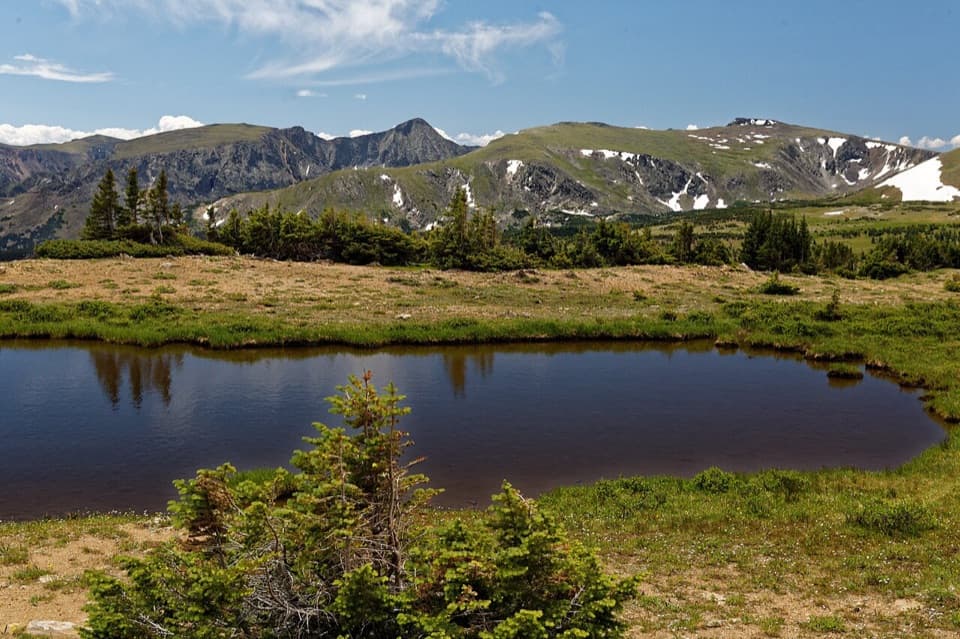
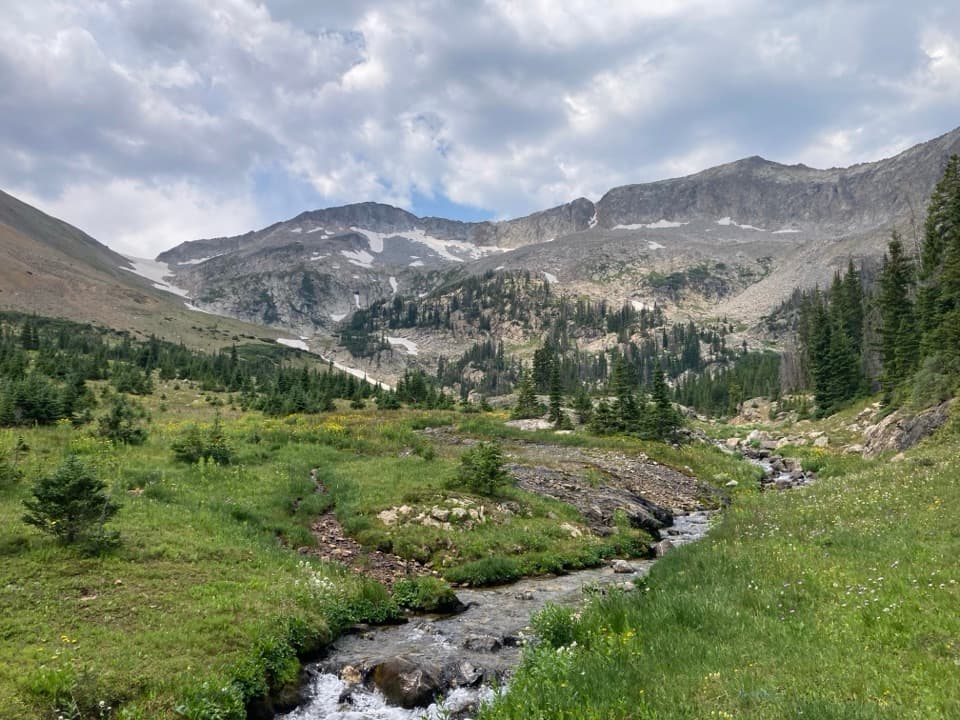
At Lulu City, expect an open meadow by the river, a signed historic area with sparse cabin remnants, and a small cemetery. Some hikers notice more substantial cabin remains earlier along the route, but the “city” itself is subtle. The reward is the setting: a broad U-shaped valley carved by ancient ice, with views toward the Never Summer country and the constant hush of the Colorado River.
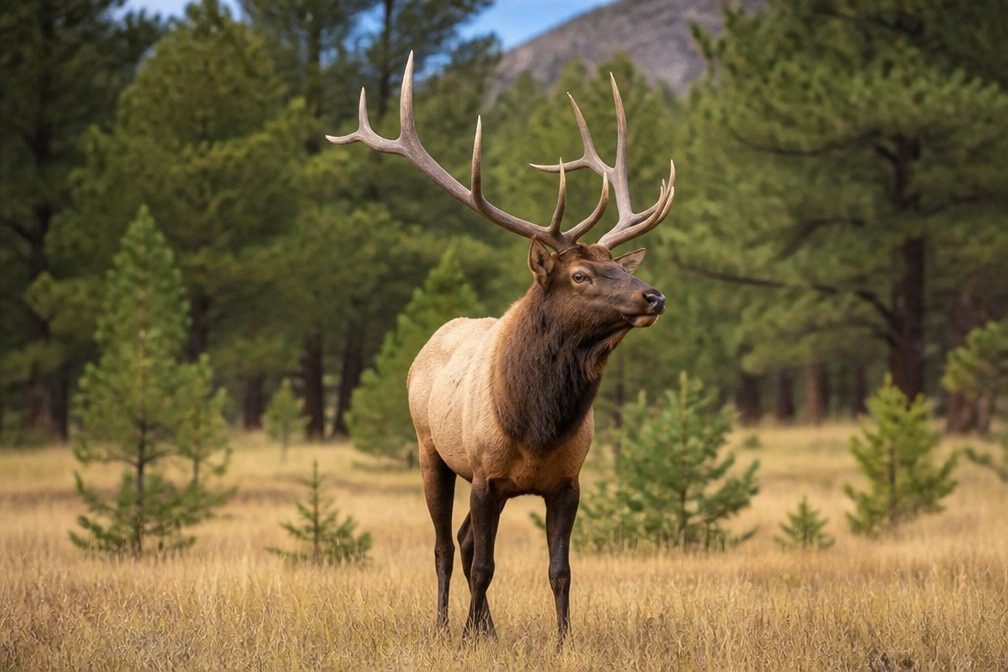
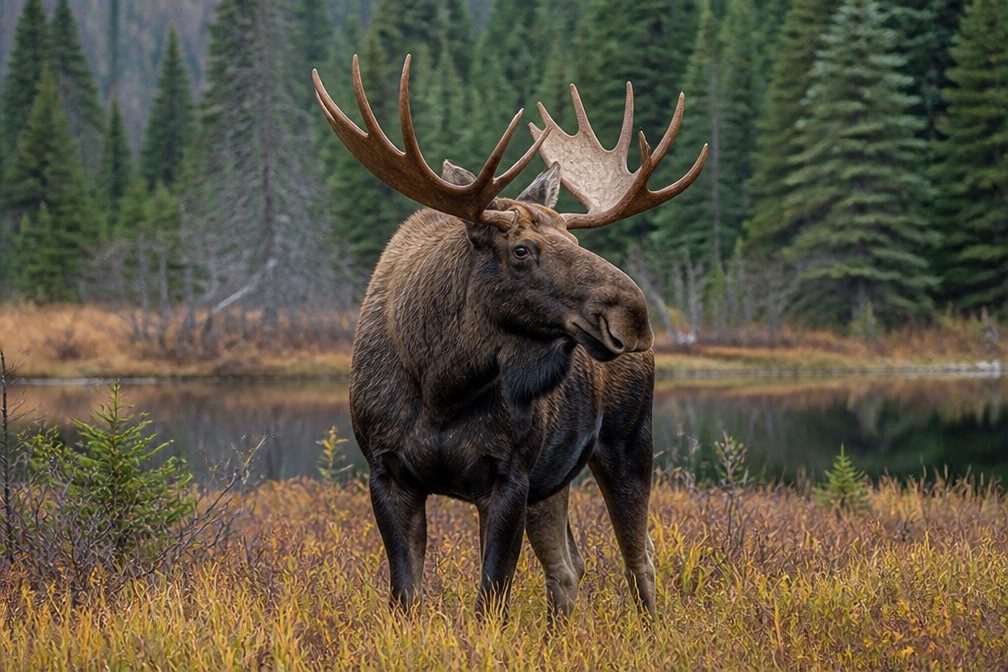
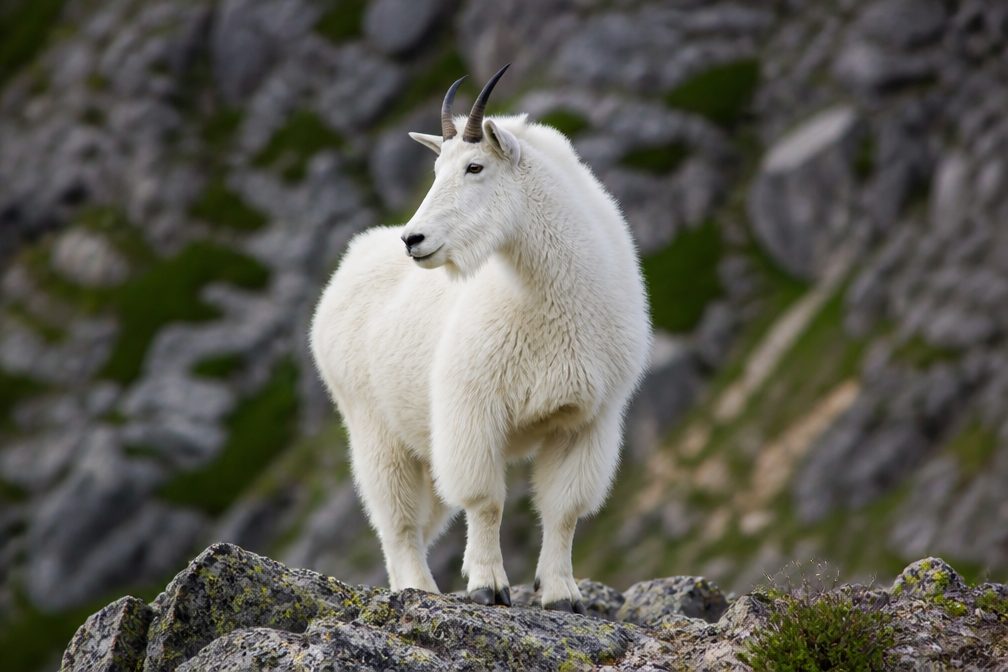
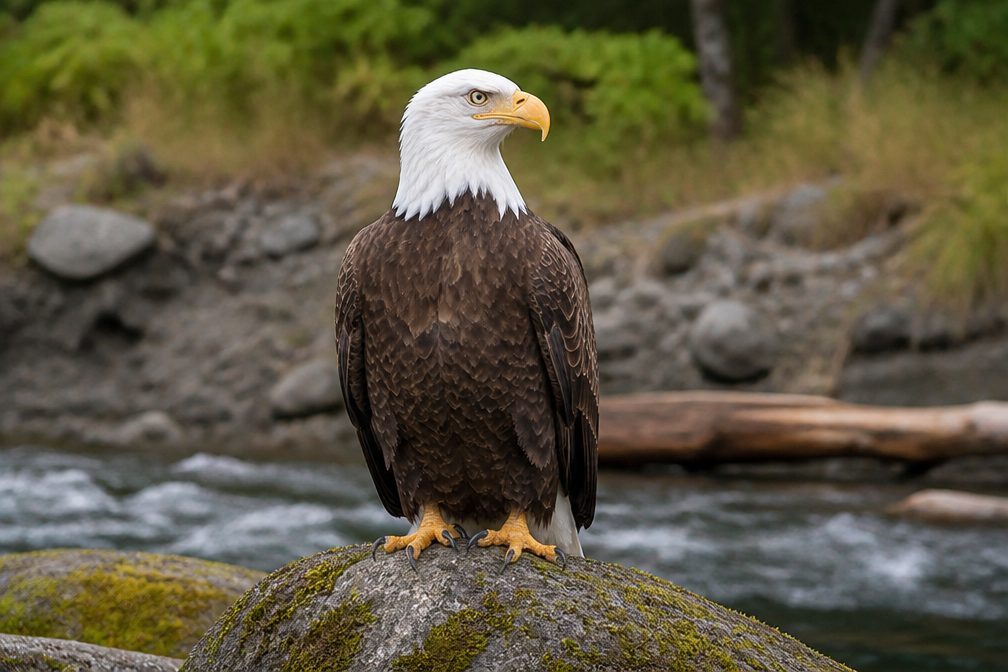
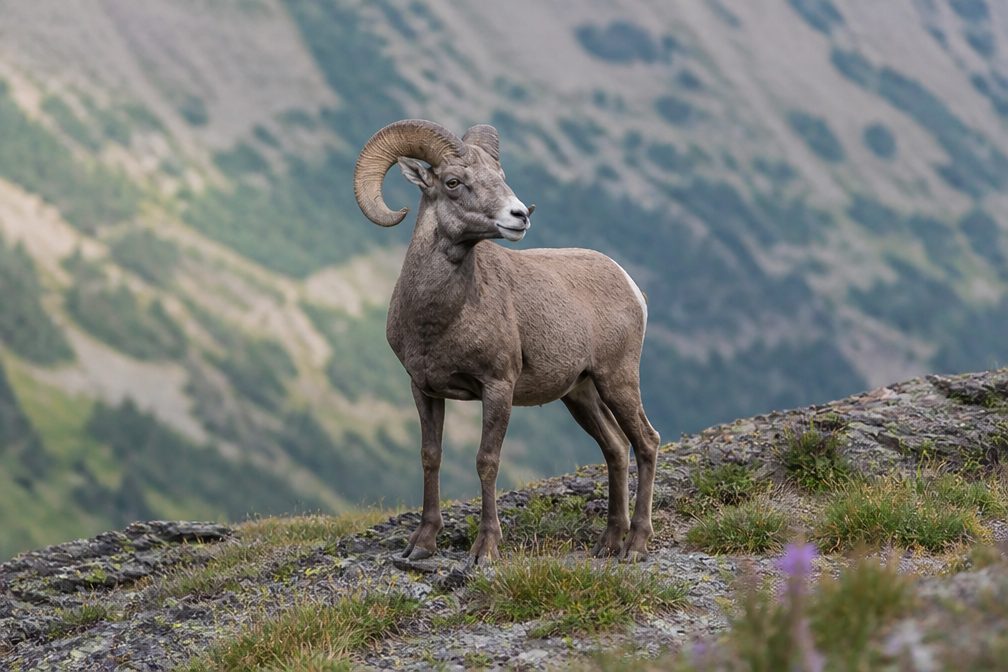
This is a great west-side walk for wildlife. Elk and deer commonly graze the meadows, and hikers also report marmots, moose, bighorn sheep, and plenty of birdlife. Give all animals lots of space and keep the camera zoom doing the work.
Late spring through fall is the sweet spot, generally May to October. Go early for cooler temps, better wildlife activity, and fewer people. Weekdays feel extra quiet. Afternoon storms are common in summer, so plan to be headed back before the boomers. Soft morning light works best for meadow and river photos.
There are no amenities at Lulu City: no toilets, no water, no tables. Treat it as backcountry—use the restroom at the trailhead, pack out all trash, and leave historic features where you find them. Seasonal closures, road openings, and occasional bridge or trail work can affect routing; check current conditions before you go.