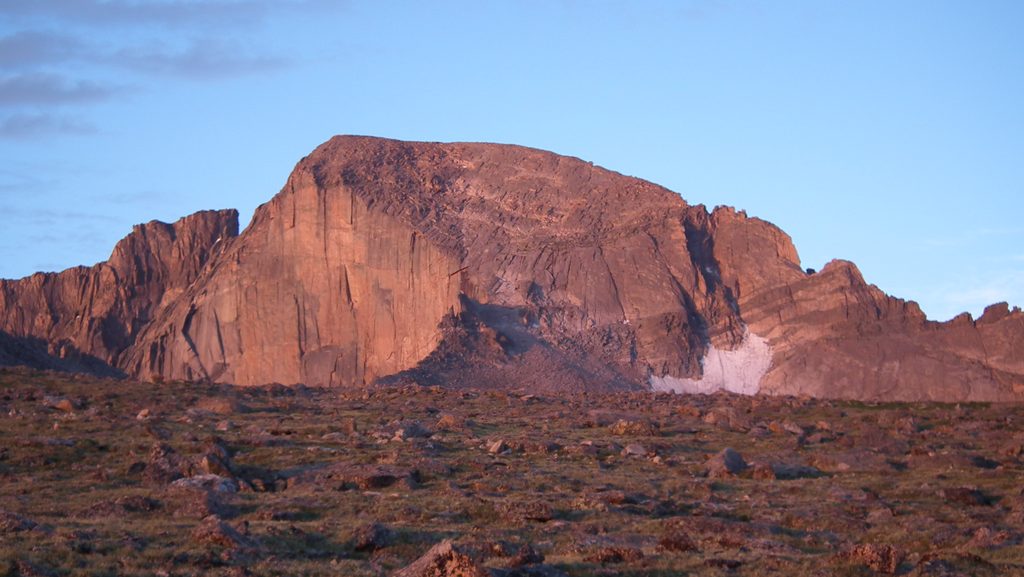
The Diamond

Longs Peak’s famed east face, a high, committing alpine rock wall
The Diamond, Rocky Mountain National Park
InsideRocky Mountain National Park

Overview

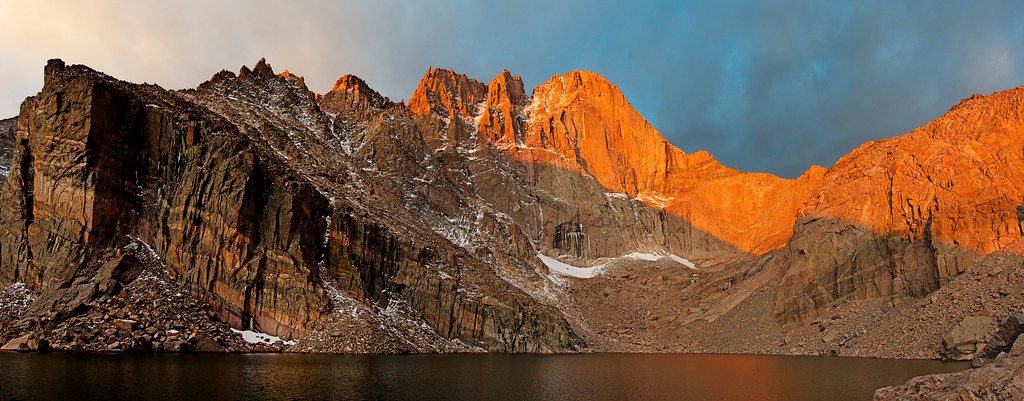
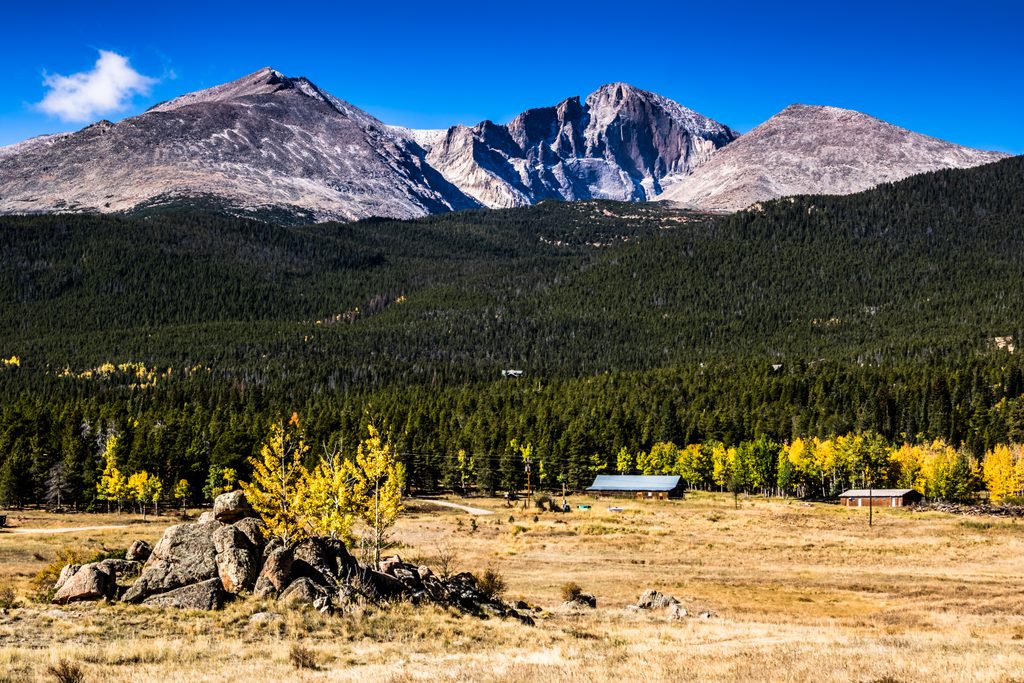
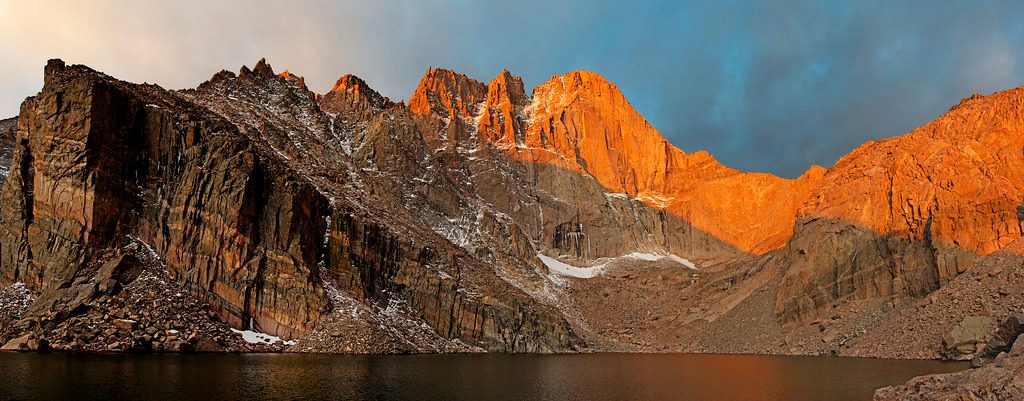
The Diamond is the near-vertical east face of Longs Peak, a nearly 1,000-foot sweep of alpine granite perched above 13,000 feet. It’s the park’s marquee big wall for rock climbers—serious, exposed, and unforgettable. The famed Casual Route (5.10-) is the most-traveled line, but it’s still a full-on alpine rock climb at high altitude. First big-wall ascents here date to the 1960s; the wall remains a proving ground for modern climbers.

Routes and difficulty

  • Easiest line: the Casual Route (5.10-), a popular first Diamond objective. Expect sustained climbing and real route-finding at altitude.
  • The wall hosts many established routes with varying styles and difficulties; traffic funnels onto Broadway Ledge and the most classic lines.

Getting there: approach and base

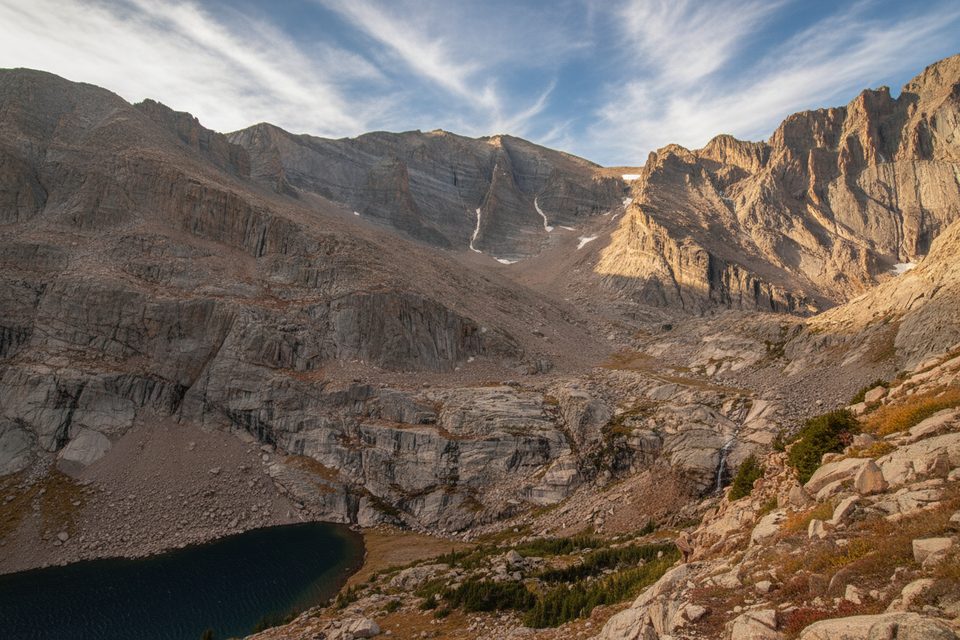
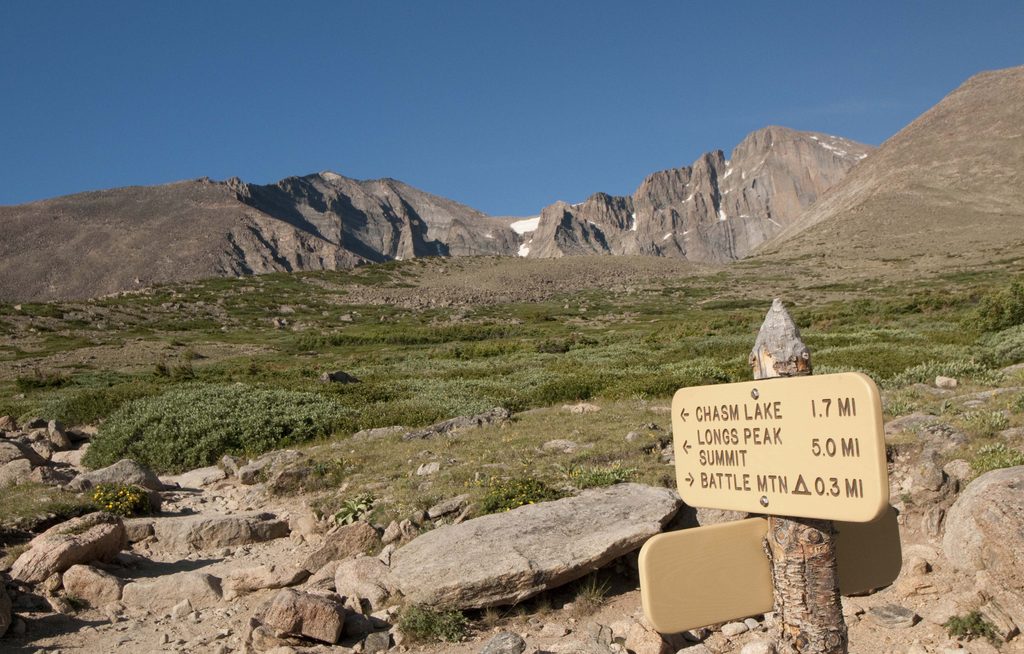
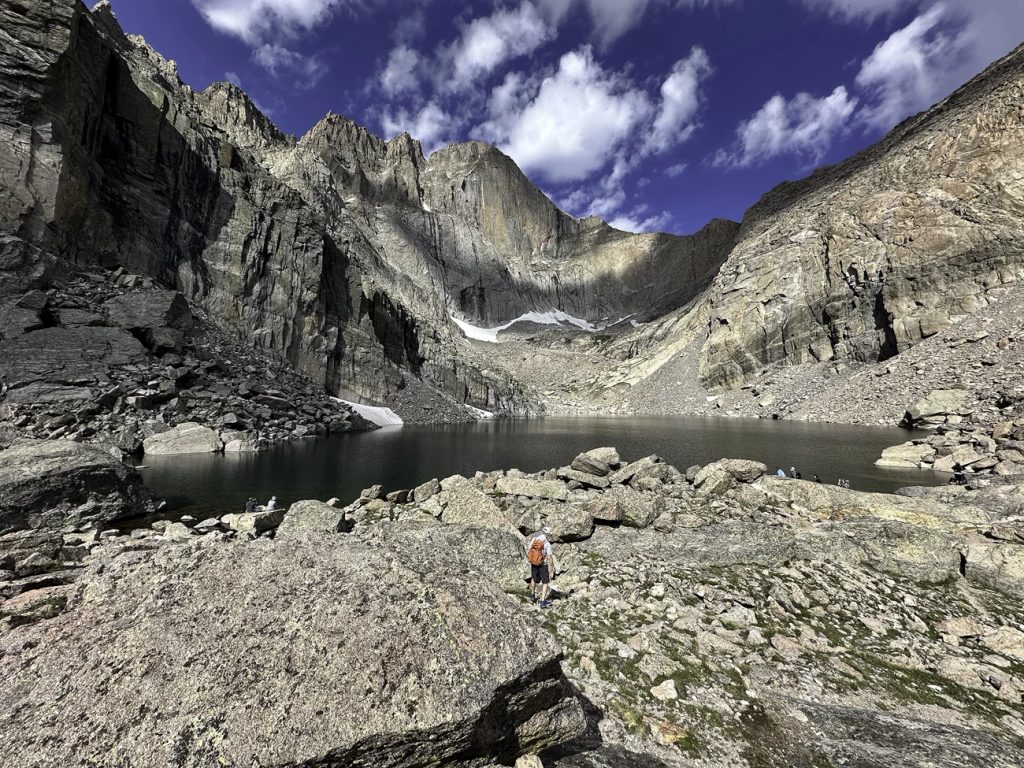
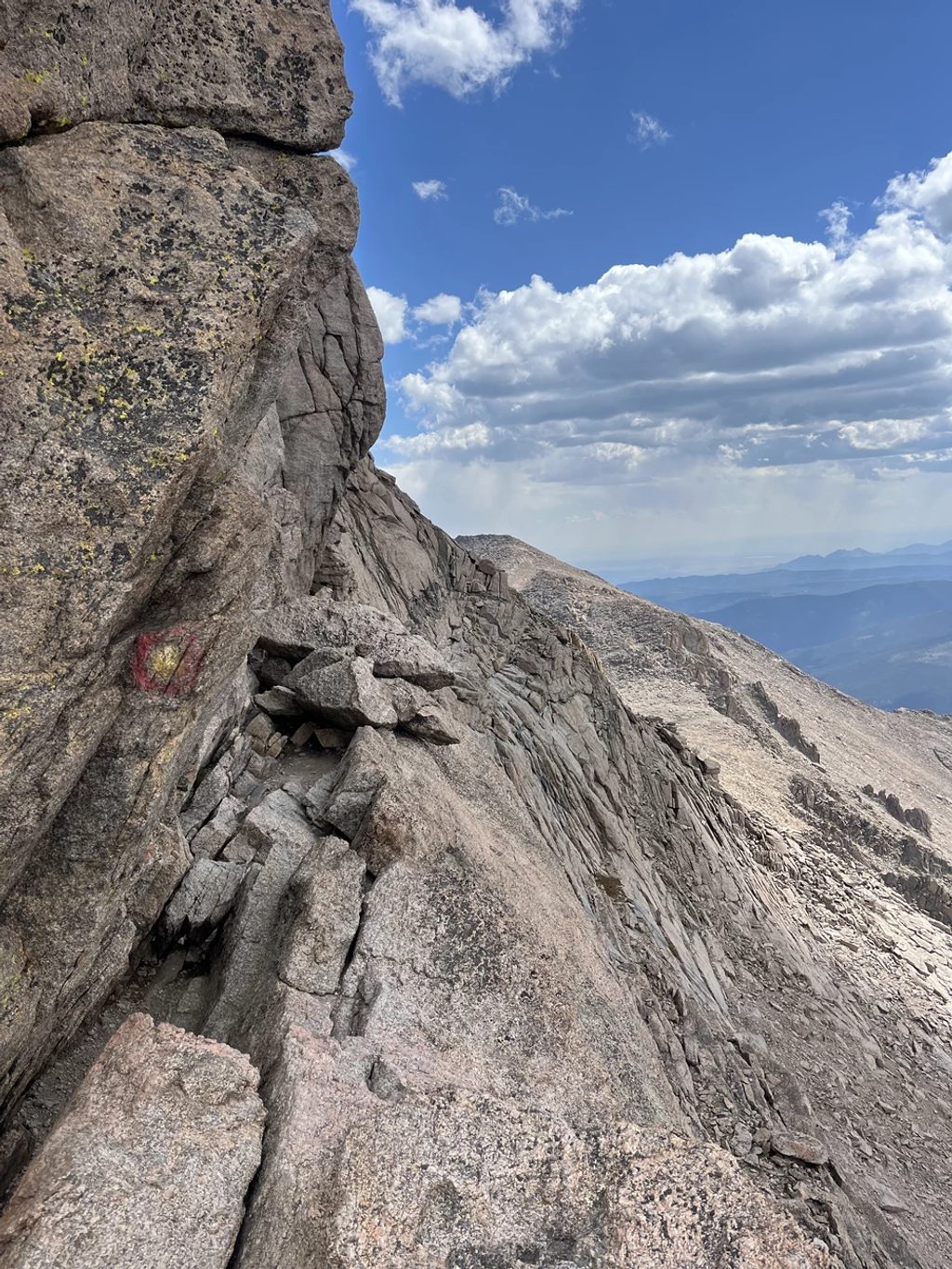
Most parties start from the Longs Peak Trailhead off CO-7, hike the East Longs Peak Trail to Chasm Junction, then on to Chasm Lake. From there, continue to Mills Glacier and up toward Lamb’s Slide/North Chimney to reach Broadway Ledge and the base of the routes. The North Chimney and Broadway have rockfall exposure and can be congested—helmets and spacing matter. Plan on an alpine start and a long day.

Descent options

From Table Ledge/summit, you can either rappel or walk off. Common rap choices include the D7 line (a series of bolted stations; the first rap requires trending left to stay on route) or the Crack of Delight raps from Broadway. Walk-off options include continuing to the summit and descending via the North Face eyebolts toward the Boulderfield, or contouring toward Chasm Lake. Route-finding should stay in 3rd–4th class terrain—if it feels harder, you’re off-line.

Season and conditions

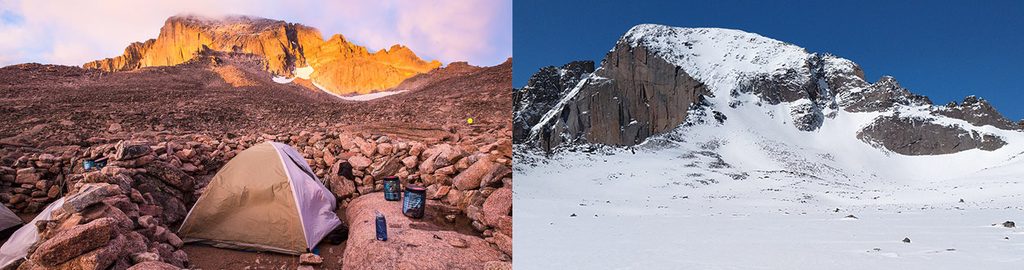
It’s high, cold, and exposed. Summer brings fast-changing weather and frequent afternoon thunderstorms, with crowding on popular lines. Even in prime season, winter-like conditions can appear without much warning. Build in a conservative turnaround time and start before dawn. Acclimatize to the park’s elevation, stay hydrated, and fuel well.

Permits, parking, and on-the-ground logistics

  • Day climbs don’t require a special climbing permit beyond current park entry rules, but any overnight bivy in the Longs Peak/Chasm Lake area requires a wilderness permit.
  • Timed-entry reservations are used in peak season; arriving before the daily reservation window typically avoids that requirement—always verify current rules.
  • The Longs Peak Trailhead lot fills very early; most climbers arrive between 1–4 am.
  • Vault toilets are at the trailhead; there are no facilities at Chasm Lake, Mills Glacier, or the base—carry and use a WAG/blue bag and pack out all waste.

Who will love it (and who won’t)

If you’re a competent alpine rock climber comfortable with long approaches, crowd management, exposure, and self-reliance, this is a lifetime objective. If you’re looking for a casual viewpoint or short hike, look elsewhere—The Diamond is all commitment, no amenities.

Best time to visit

  • Best windows: mid-summer mornings for calmer weather and drier rock; start pre-dawn to beat storms and queues.
  • Days of week: weekdays see fewer parties on the wall and on rappel lines.
  • Photography: early light on the east face is gorgeous from across Chasm Lake; climbers on-route are best captured mid-morning as the wall lights up.

Pros

  • Iconic alpine granite wall with classic routes like the Casual Route
  • Wild, high-elevation setting with dramatic views above Broadway Ledge

Cons

  • Long, committing approach and objective hazards like rockfall and weather
  • Crowding on popular lines and rappel routes during peak season

Tips

  • Arrive at the Longs Peak Trailhead between 1–4 am to secure parking and an alpine start.
  • Wear helmets and keep distance in the North Chimney and on Broadway due to rockfall and crowding.
  • Pre-pick your descent (D7 raps, Crack of Delight raps, or a walk-off) and carry a clear topo to avoid off-line terrain.
  • Check current timed-entry rules and obtain a wilderness bivy permit if you plan to sleep out.
  • Carry a WAG bag and extra layers; winter-like weather can hit even in midsummer.
The Parkwolf tour guide sitting on a phone mounted in a car

Parkwolf Tour Guide

Like a tour guide in your car.

Save the places you found around Rocky Mountain, then let Parkwolf guide the drive between them.Download Parkwolf on the App Store