
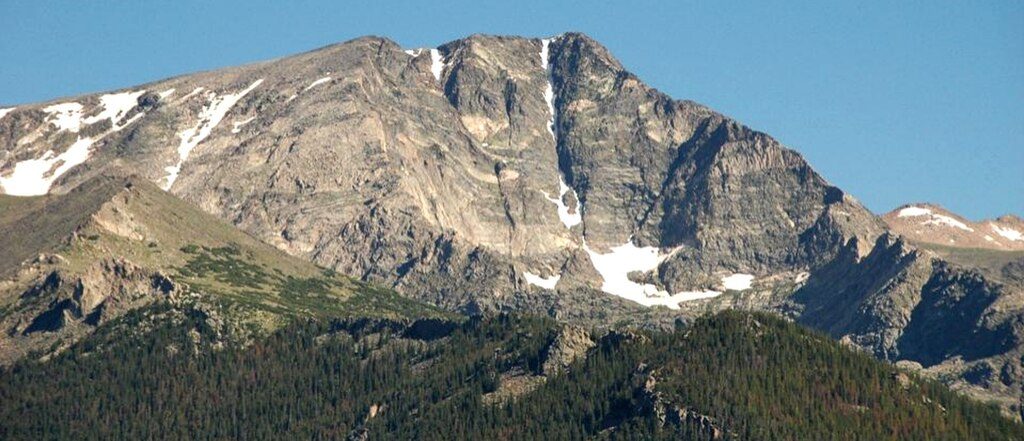
Place · 1.3 mi away
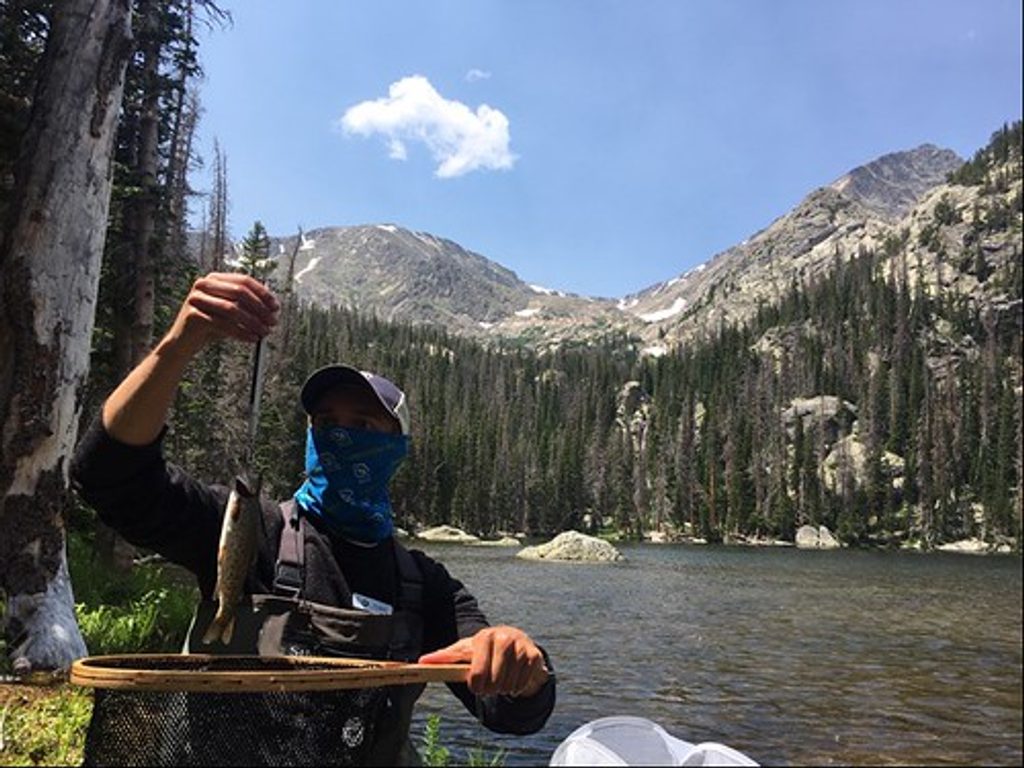
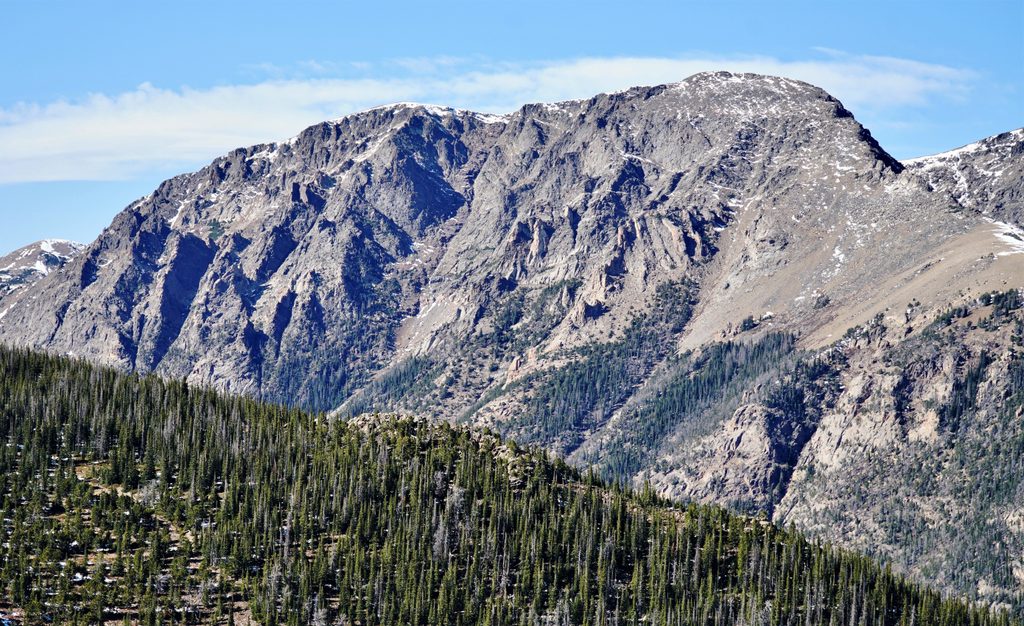
Ypsilon Lake is a hard-earned, quieter alpine lake that rewards the grind with a serene shoreline and a lovely inlet waterfall. It sits near treeline around 10,559 feet, tucked beneath Ypsilon Mountain, with most views oriented east. If you’re after a less-crowded lake day and don’t mind steady climbing, this one delivers.
Start from the Lawn Lake Trailhead in Horseshoe Park. The path climbs from the valley, then turns north to parallel the Roaring River—crossing it on a new footbridge—before continuing through open lodgepole forest. Expect a consistent grade, occasional peeks toward Endovalley and Sundance Peak, and a short ridgeline feel in spots. Near the lake, look for a spur at the inlet to a pretty waterfall. A faint fisherman’s path skirts parts of the shore for different perspectives, including a peek at Mount Chiquita.
The hike runs roughly 9.4–9.5 miles roundtrip to Ypsilon Lake, with about 2,180 feet of gain to the lake itself. Many hikers report around 4.5–6 hours roundtrip depending on pace and stops. Beyond the lake, a short but steep, unmaintained scramble leads to the Spectacle Lakes above treeline—stunning country beneath Donner and Blitzen ridges, but only for experienced parties comfortable with route-finding and rough talus.
This corridor showcases big geologic stories. The trail spends time along the Roaring River, whose dramatic trench was carved by the 1982 Lawn Lake dam failure flood. The broader route also traces part of an early park trail system highlighted in historic geologic accounts. Glacial shaping is evident throughout the upper basins.
In summer, expect alpine wildflowers like potentilla and the occasional mountain deathcamas along open meadows. Quick, small mammals—an ermine or long‑tailed weasel if you’re lucky—have been spotted around the upper basins. As always, observe wildlife from a distance and protect fragile alpine plants by staying on durable surfaces.
Weather turns fast at elevation. In summer, plan to be back below treeline before typical afternoon thunderstorms. Late summer often brings the most straightforward footing. Winter through early summer can mean deep snow and ice—traction or snowshoes and avalanche awareness may be necessary depending on conditions.
Start early for cooler temps, fewer people, and sunrise alpenglow on Longs Peak’s Diamond visible from early parts of the hike. Morning light and calm winds make the lakeshore and inlet waterfall especially photogenic. Aim to be descending by early afternoon in summer.
Hikers who want a quieter lake and don’t mind a steady, sometimes rocky climb. If you love exploring beyond the beaten path and have the skills, the Spectacle Lakes add a wild, alpine bonus—just treat it as a true off‑trail extension and turn around if conditions or navigation feel iffy.
There are no facilities or potable water at the lake, and on-trail services are essentially nil once you leave the trailhead. Carry what you need, including plenty of water, sun protection, stout footwear, and layers. In shoulder seasons, microspikes can be the difference between sketchy and smooth travel.
Place · 1.3 mi away
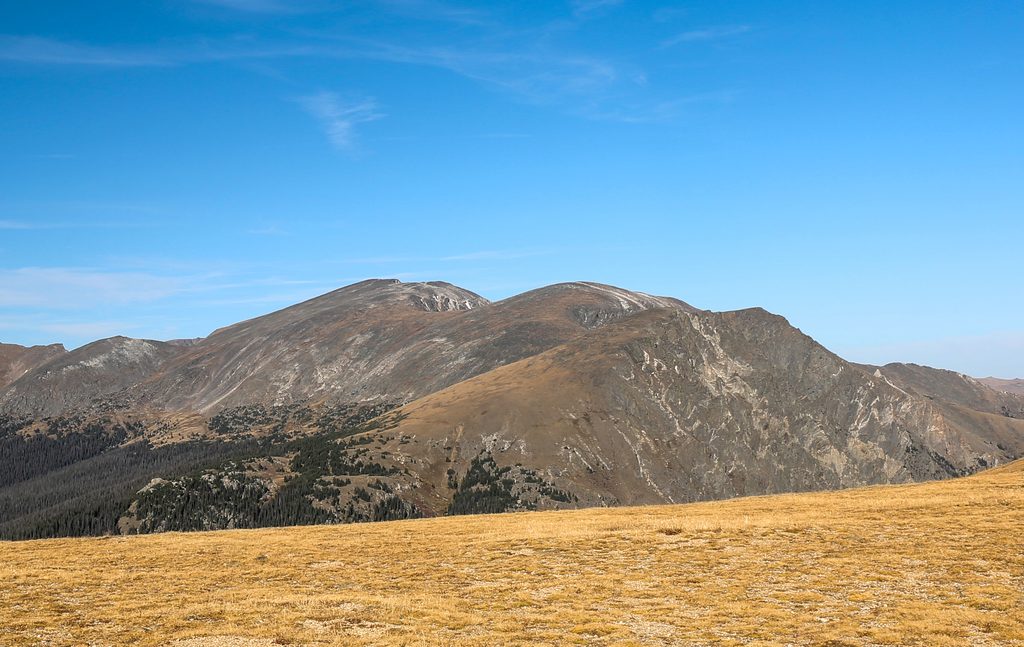
Place · 1.3 mi away
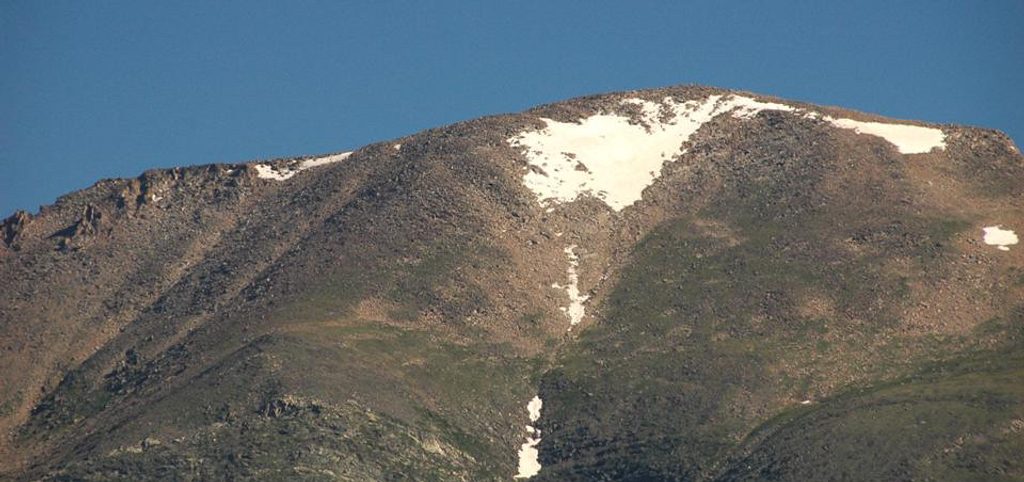
Place · 1.7 mi away
Place · 1.9 mi away
Easy · 2.8 mi away
Moderate · 3.2 mi away
Moderate · 3.2 mi away
Challenging · 3.6 mi away

Parkwolf Tour Guide
