
Place · 0 mi away
Moderate
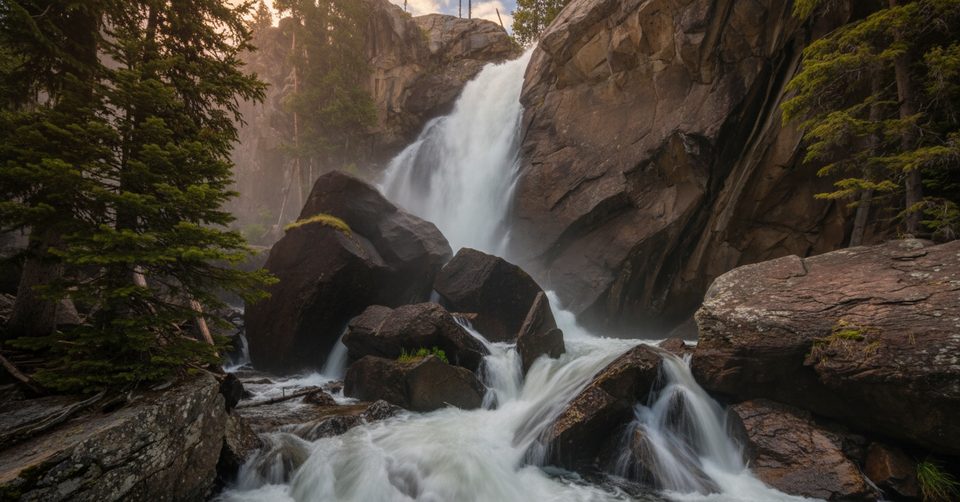
Calypso Cascades is a crowd-pleasing waterfall hike in Rocky Mountain National Park’s Wild Basin, known for multiple cascades, sturdy bridges, and the constant soundtrack of North St. Vrain Creek. From the Wild Basin Trailhead, it’s 3.6 miles total (out and back) with roughly 600–620 feet of gain—mostly easy walking with a steeper, stair‑step finish to the main viewpoint. If you’re hunting classic RMNP water without committing to a big day, this delivers.
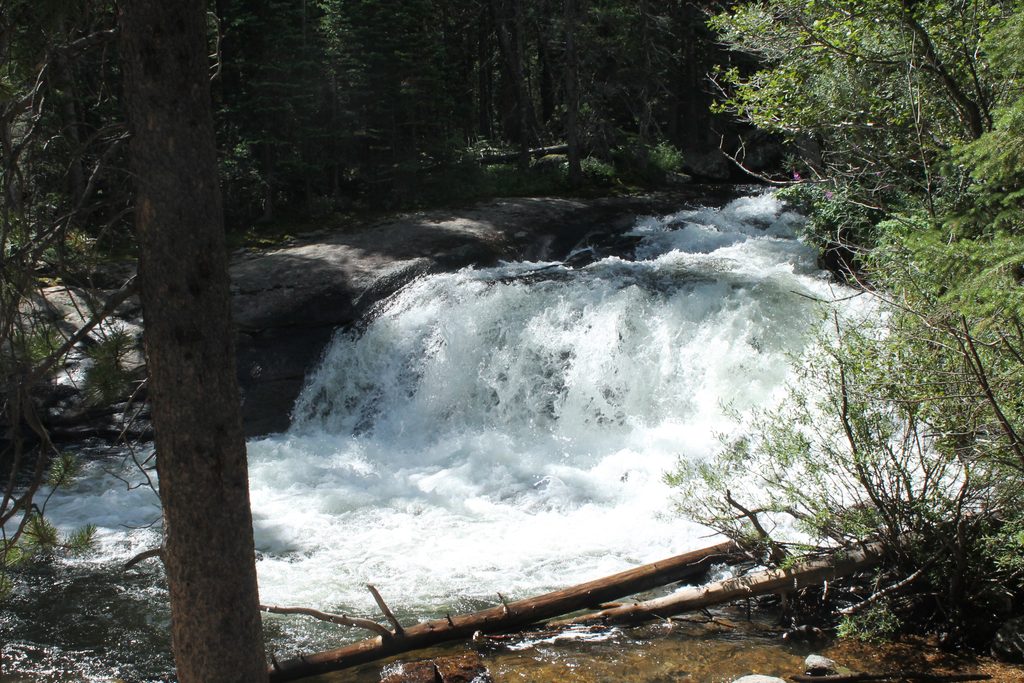
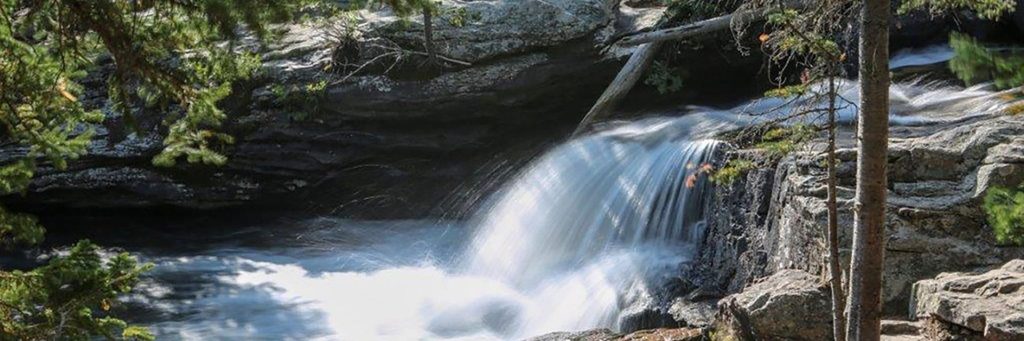
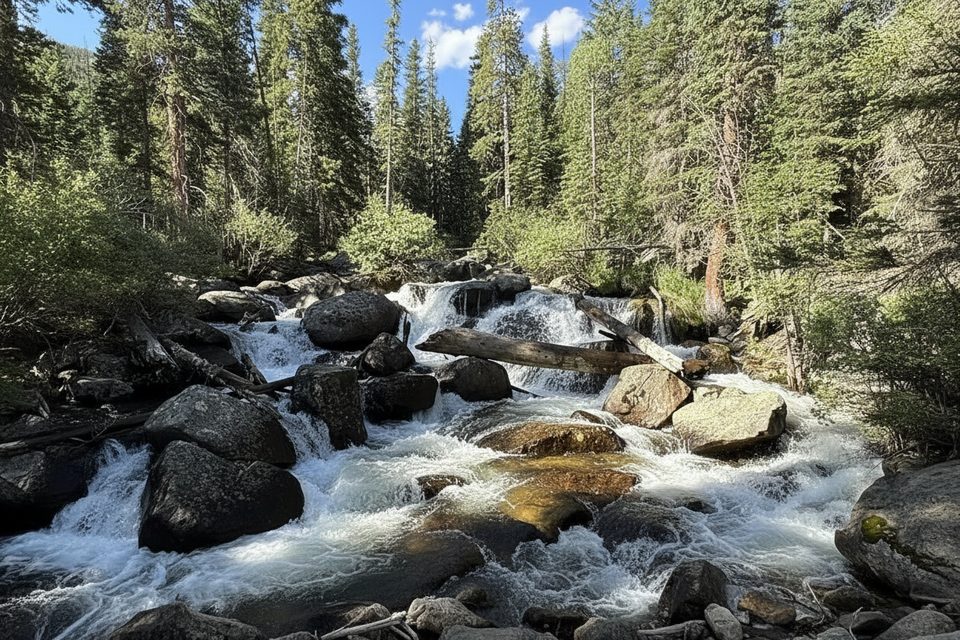
The namesake feature is a broad, stair‑step cascade—water spilling over harder rock layers where softer layers have eroded away over time. Peak runoff turns it into a roar; late season flow is gentler but still photogenic. In June–July, keep an eye out for the rare pink‑purple Calypso orchid along the trail.
From Wild Basin, you’ll quickly pass Lower Copeland Falls (0.3 mi) and Upper Copeland Falls (0.4 mi via a short parallel spur that reconnects), then continue through shady forest with periodic creek views and bridges. Around 1.6 miles, pass an unnamed falls—don’t be fooled—Calypso Cascades is roughly 0.2 miles farther, with a steeper, stepped approach to a bridge and prime viewing area. Most hikers spend 2–3 hours round trip with photo stops.
Prefer a quieter approach? The Allenspark Trailhead route is about 5.8 miles round trip and climbs ~1,269 feet. It’s a direct line to Calypso, typically steeper and rockier in sections, with extremely limited neighborhood parking—arrive early and park only where allowed.
Not done yet? Continue 0.9 miles beyond Calypso to Ouzel Falls for a bigger waterfall payoff. That makes it about 5.4 miles round trip from Wild Basin with roughly 950 feet of gain—still very manageable and, frankly, the better choice if you have the time and legs.
Late spring through early summer is prime: snowmelt swells the creek and the cascades roar. June–July is also your window for spotting the Calypso orchid. By late September, golden aspens light up the route. Winter and shoulder seasons can be lovely and far quieter, but expect snow/ice—traction (microspikes or snowshoes depending on conditions) is often necessary. Regardless of season, start early to secure parking and to be off exposed areas before common summer afternoon thunderstorms.
Timed entry or access policies may apply in peak season—check the park’s official website before you go.
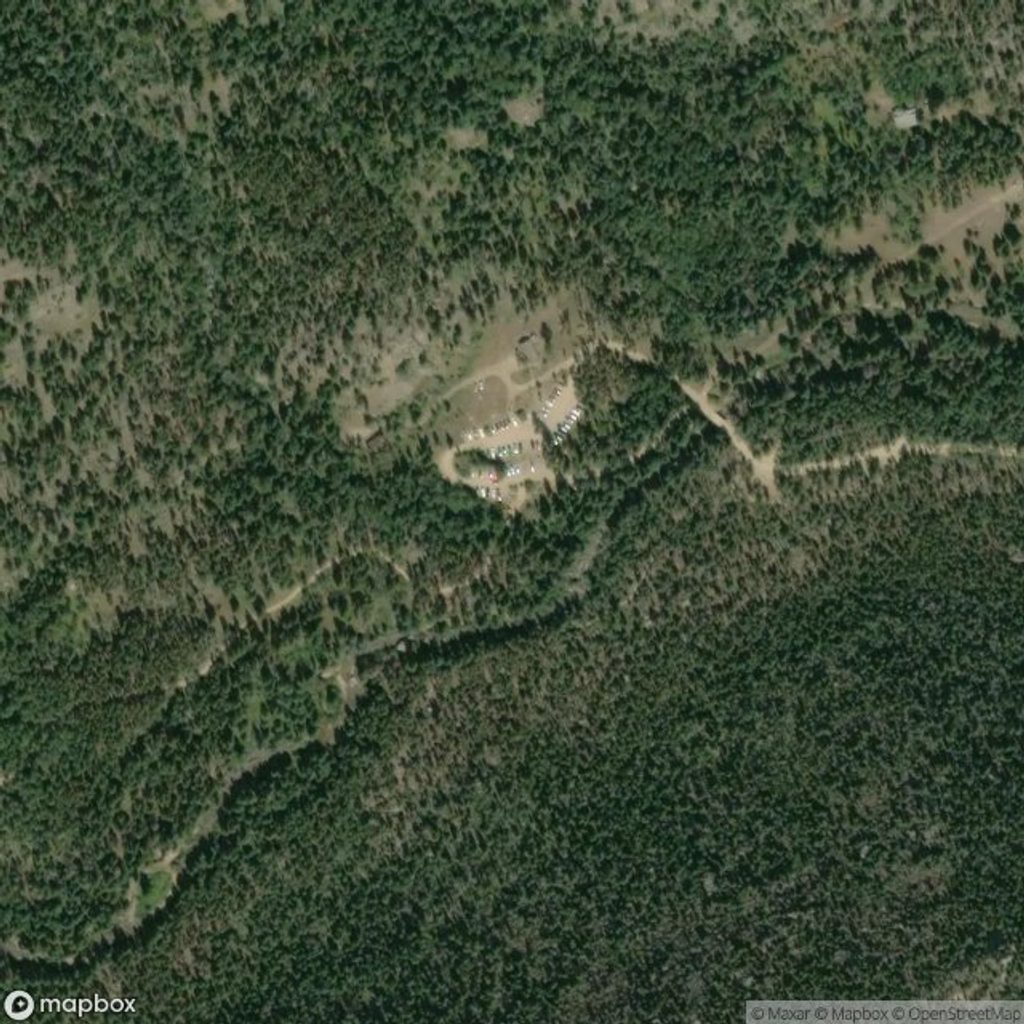
Primary access from the Wild Basin Trailhead: turn off CO-7 onto Wild Basin Road and continue about 2.2 miles on a narrow gravel road to the main lot at road’s end. Lots fill early in peak season—drive to the end to avoid adding extra distance. The Allenspark Trailhead has extremely limited neighborhood parking; arrive early and park legally.
Expect slick bridges and wet rock near the cascades; swift water is stronger than it looks. Summer afternoon thunderstorms and lightning are common—start early. Trails may be muddy after rain; walk through mud to avoid widening. Winter and shoulder seasons can be icy or snowy—use traction and poles. Watch for falling trees/branches and perform tick checks. Cell service is spotty; download maps.
Place · 0 mi away
Place · 0.1 mi away
Place · 0.1 mi away
Place · 0.1 mi away
Moderate · 0 mi away
Moderate · 0 mi away
Challenging · 0 mi away
Moderate · 0 mi away

Parkwolf Tour Guide
