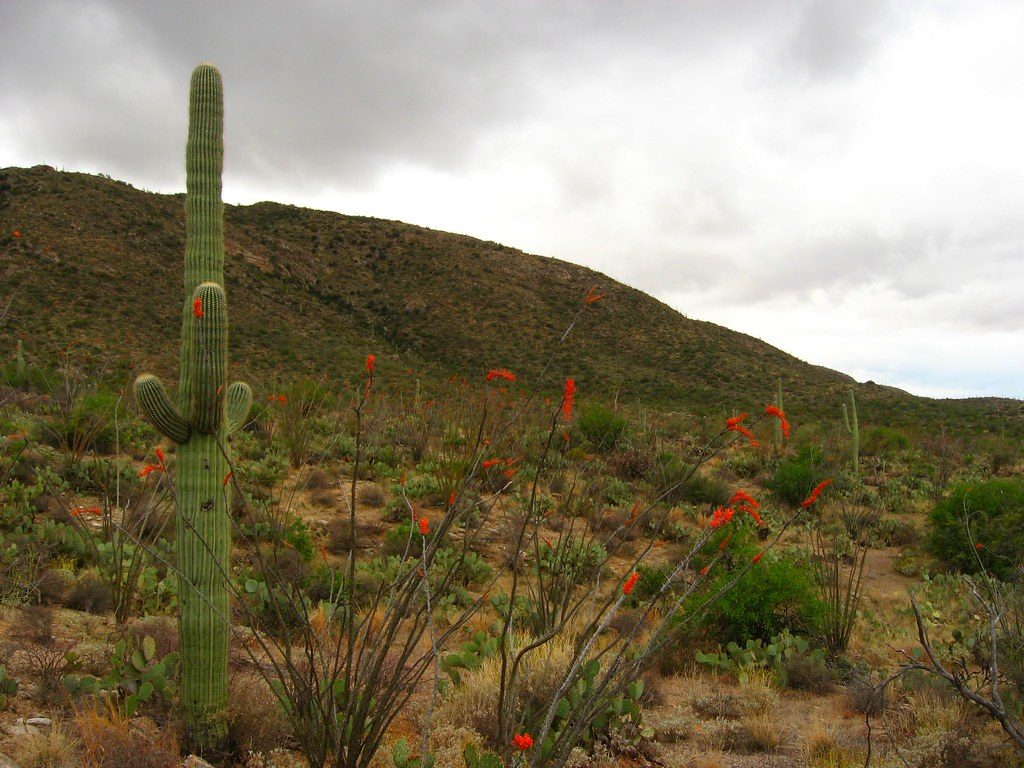
Cactus Forest Drive

Slow, scenic loop through towering saguaros and Sonoran Desert views
Cactus Forest Drive, Saguaro National Park
InsideSaguaro National Park

Overview

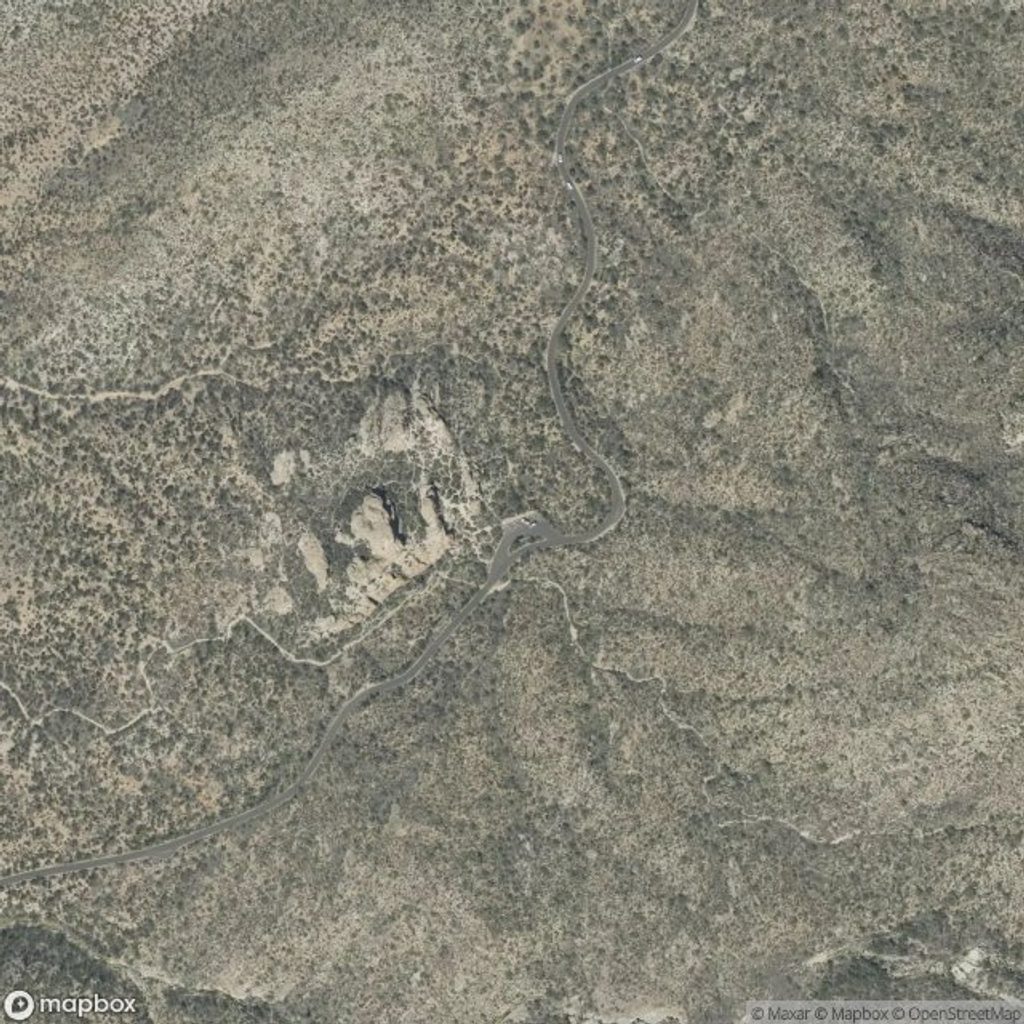
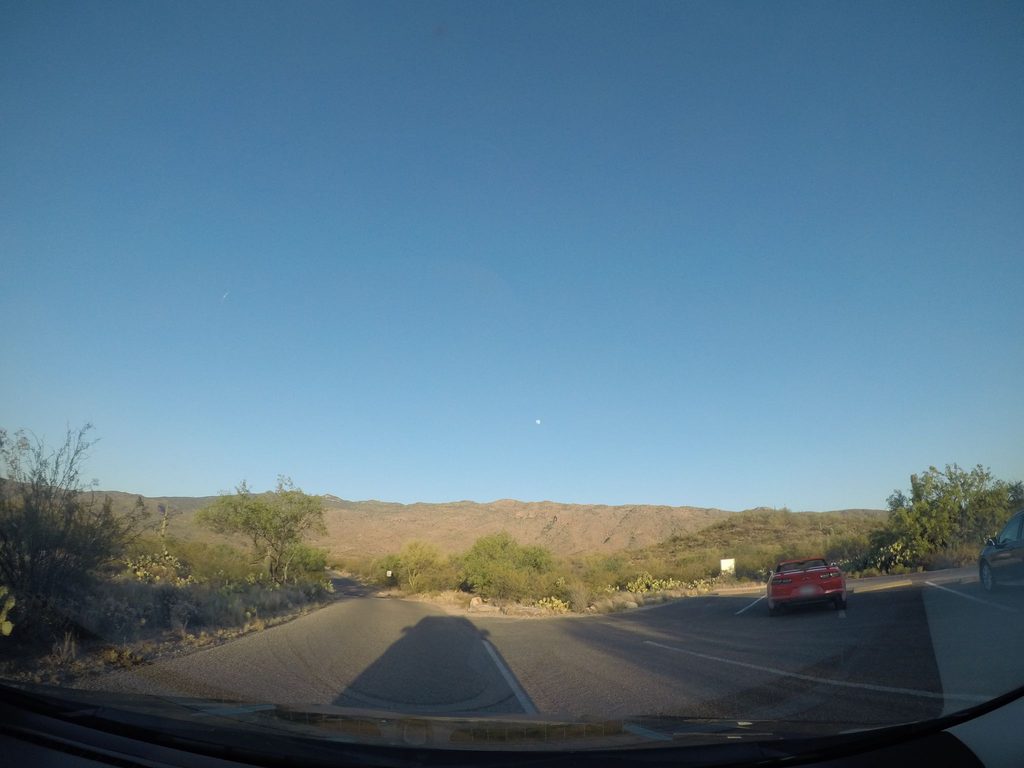
This is the signature scenic drive in the park’s East District: an 8‑mile, one‑way paved loop with a 15 mph limit that nudges you to slow down and explore. It starts near the Rincon Mountain Visitor Center and immediately immerses you in a dense saguaro forest, with frequent pullouts, overlooks, and interpretive signs. Expect big‑sky views of the Rincon Mountains and, early on, sightlines toward the Santa Catalina range. You can knock it out in about 30 minutes, but the best experiences take 2–4 hours with short walks and photo stops.

What You'll See

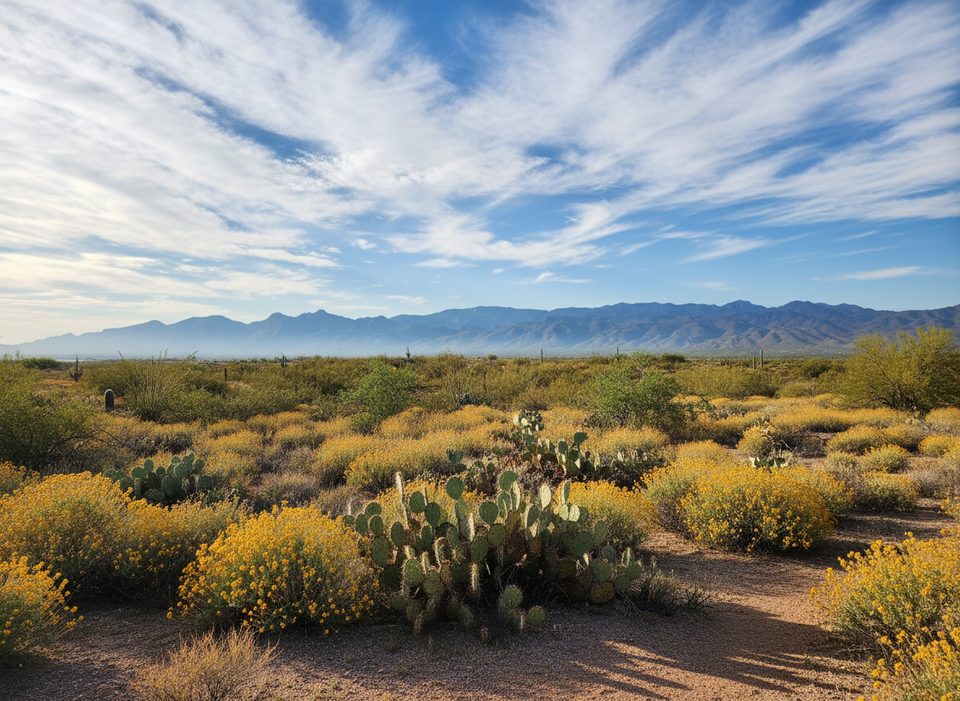
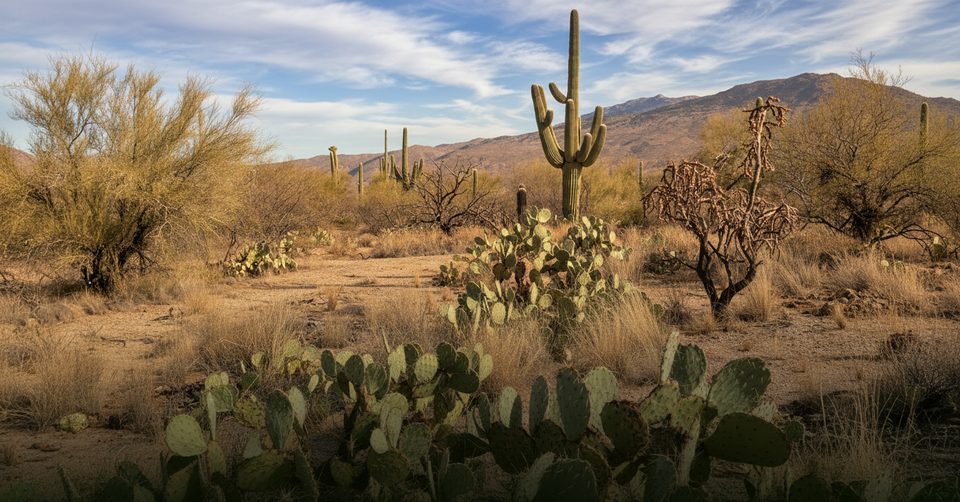
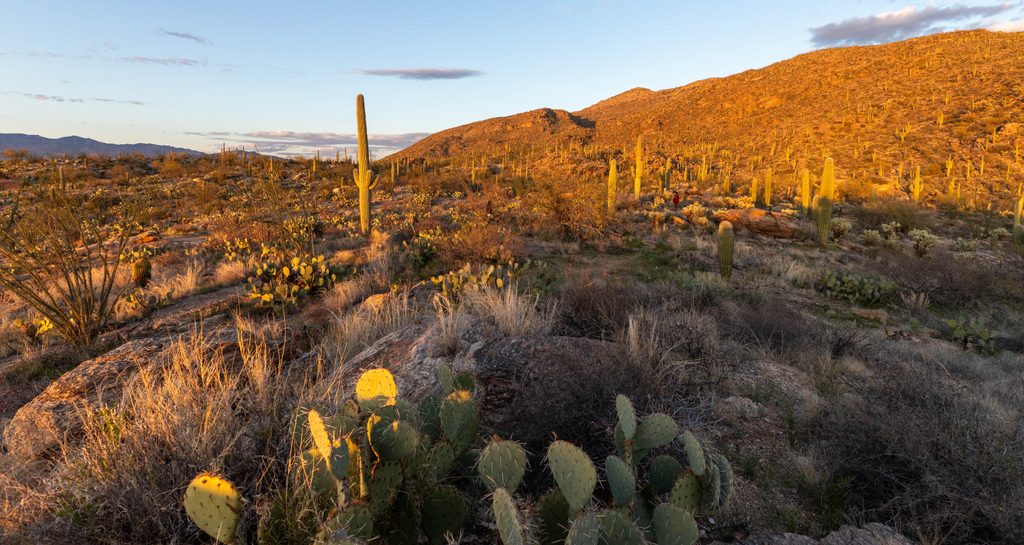
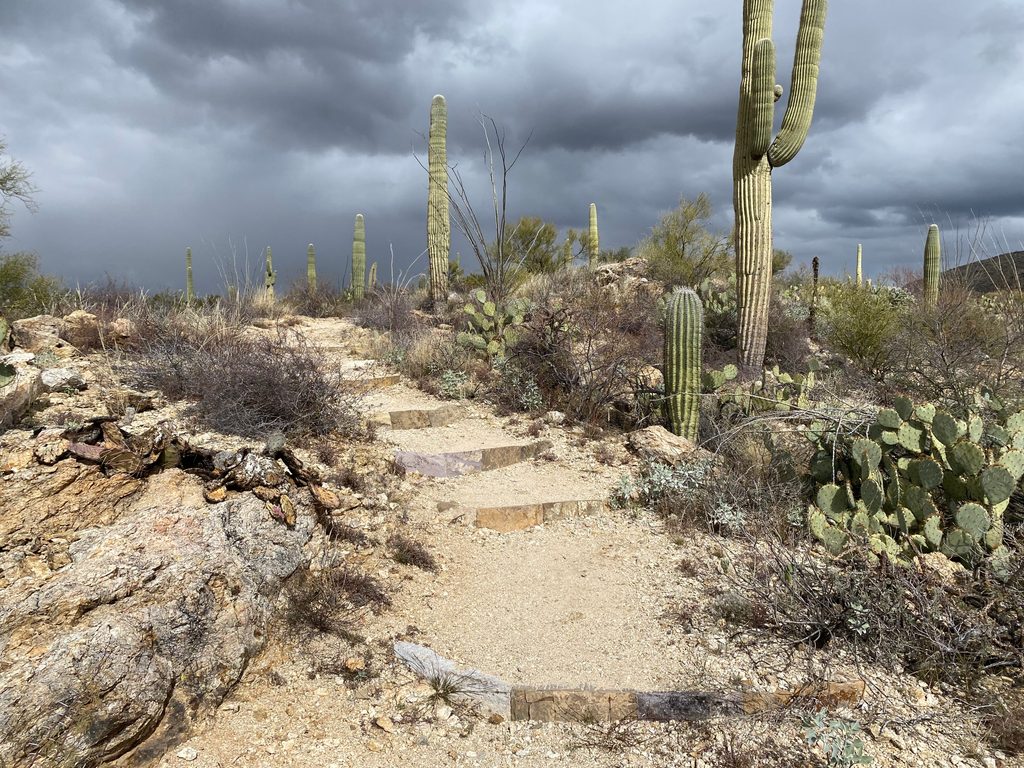
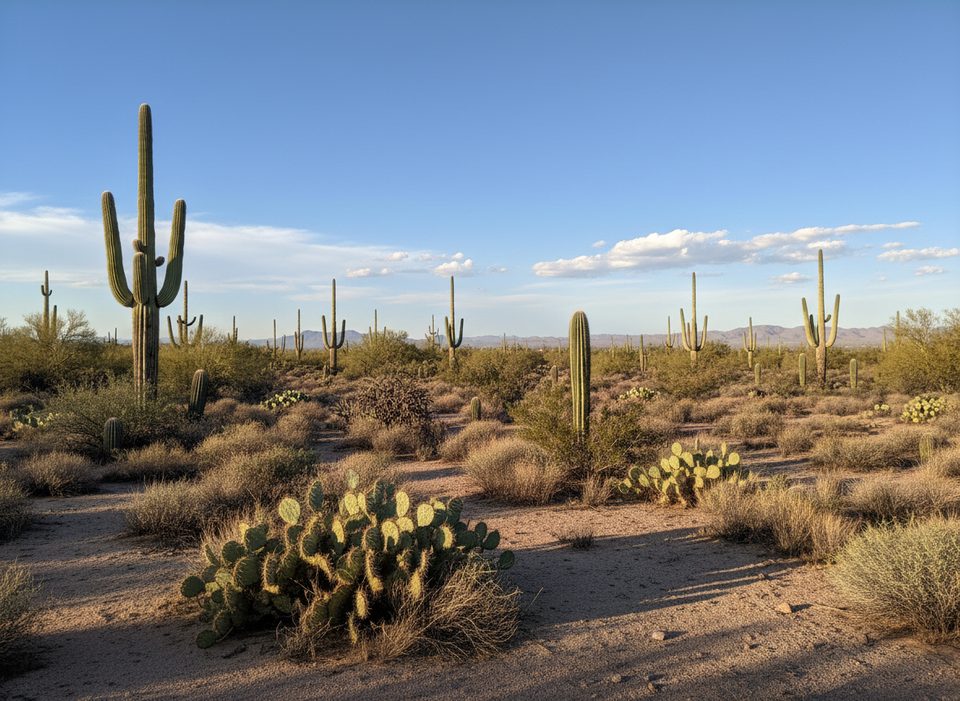
  • Towering saguaro “forests” framed by mountain views, plus classic Sonoran Desert companions like prickly pear, fishhook barrel, and cholla.
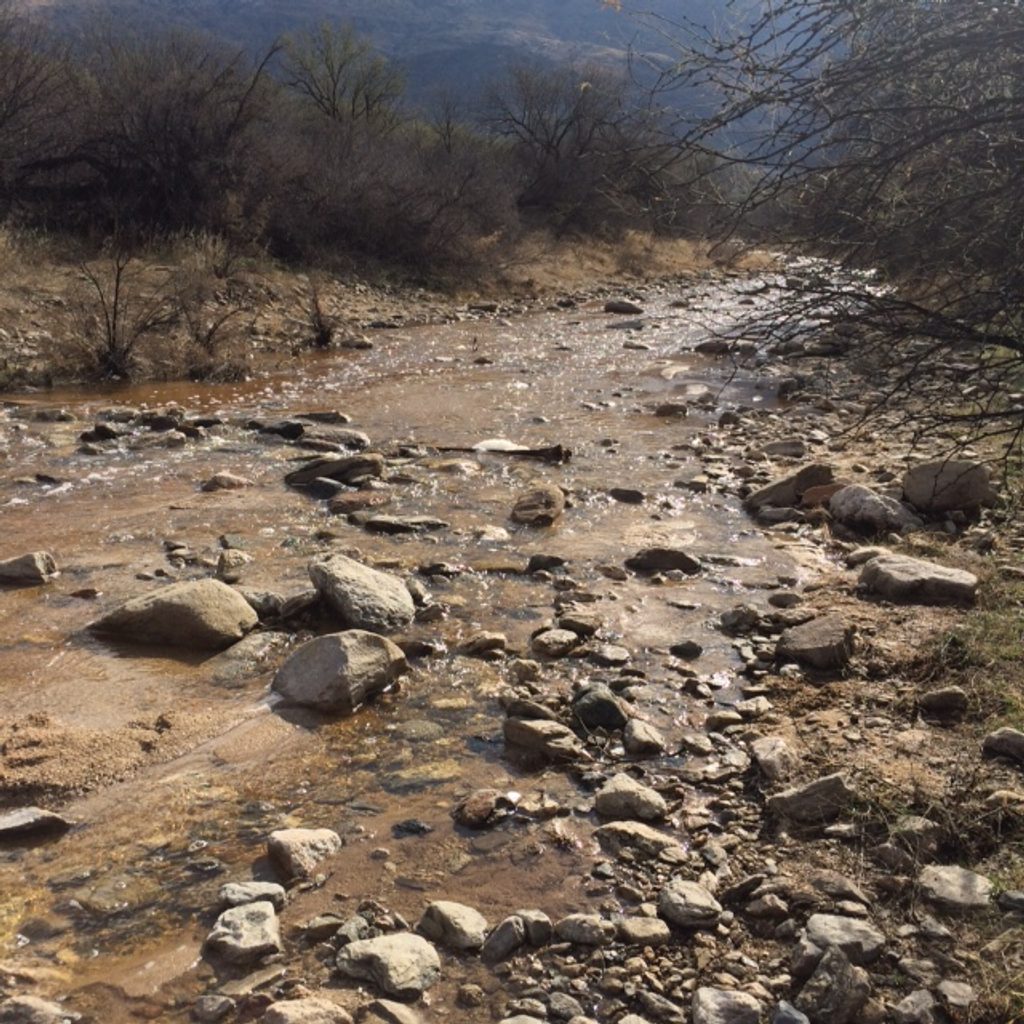
  • Desert geomorphology up close—bajadas, rocky washes, and the broad valley floor that lights up beautifully at golden hour.
  • Trailheads sprinkled along the loop, including easy places to wander among the cacti for photos and quiet.

History Snapshot

The road dates to the Civilian Conservation Corps era (1936–1938), and you can still spot CCC stonework along the way. It was later paved and widened in the 1990s to include a bike lane—so expect (and yield to) cyclists while you drive.

Wildlife & Desert Life

This loop doubles as an outdoor classroom for saguaro ecology: late‑spring flowers open at night and are pollinated by bats, then by white‑winged doves and insects in the morning. Young saguaros often germinate beneath mesquite and palo verde “nurse trees.” Woodpeckers carve nest holes that later shelter elf owls and other birds. On warm days you’ll see lizards everywhere; coyotes tend to move early and late, and a lucky few spot a Gila monster in spring.

How to Do It

  • Pace: Use the pullouts. A relaxed circuit with a few short walks and a picnic is the sweet spot.
  • Facilities: Restrooms at the Visitor Center and at designated picnic sites along the loop; otherwise, services are limited.
  • Road etiquette: It’s one‑way with many pullouts—use them to let others pass. Watch for cyclists in the bike lane.

Best Time to Visit

  • Morning is best for cooler temps and calmer traffic; golden hours deliver the most dramatic photos.
  • Late winter through spring brings mild weather and wildflowers.
  • In summer monsoon (late July–September), avoid entering flowing washes and heed storm warnings—flash floods can arrive fast.
  • Sunset is gorgeous here, but plan your stops ahead since the loop is one‑way.

Practical Notes

Bring more water than you think you need, sun protection, and sturdy shoes—cholla segments are no joke. Get a better driving/trail map at the Visitor Center before you start. There’s an entrance fee (covering both park districts).

Pros

  • Dozens of pullouts, overlooks, and interpretive stops along the loop
  • Easy access to multiple trailheads and picnic areas from the road
  • Rich desert ecology on display with sweeping mountain backdrops

Cons

  • One-way loop requires planning for hikes and turnarounds
  • Limited services once on the loop—use the Visitor Center first
  • Trailhead pullouts can fill during busy periods

Tips

  • Start at the Visitor Center for restrooms, water, and a better map before the loop.
  • Plan 2–4 hours so you can use pullouts, walk a bit, and picnic.
  • Carry plenty of water and sun protection; shade is scarce.
  • Use pullouts to let faster drivers pass and watch for cyclists in the bike lane.
  • During monsoon season, never enter flowing washes and keep an eye on weather.
The Parkwolf tour guide sitting on a phone mounted in a car

Parkwolf Tour Guide

Like a tour guide in your car.

Save the places you found around Saguaro, then let Parkwolf guide the drive between them.Download Parkwolf on the App Store