
Place · 0.4 mi away
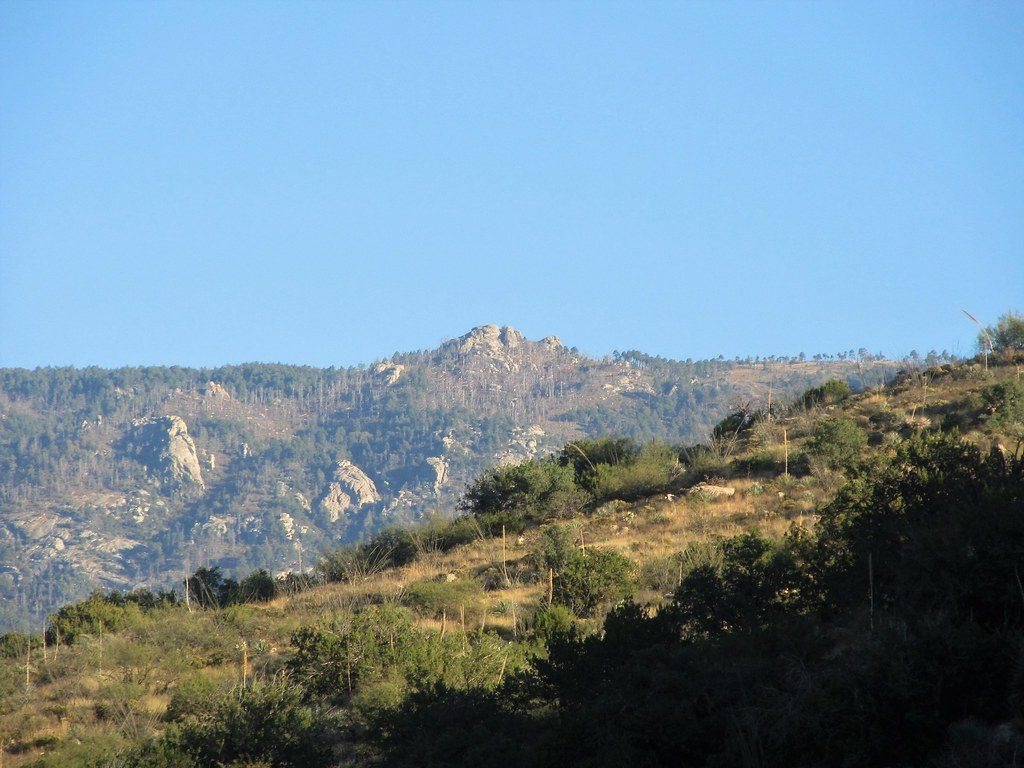
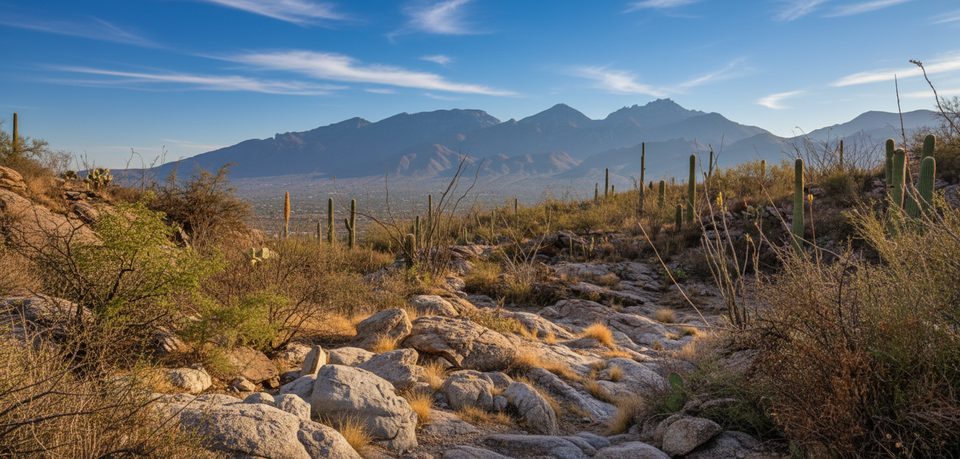
Spud Rock is the payoff perch of the Rincon high country—an airy granite outcrop just off the Fire Loop that dishes out far-reaching views across the Catalinas, Tucson Mountains, Baboquivari/Kitt Peak, Rincon Peak, and the Santa Ritas. Mica Mountain may be taller, but its summit is wooded and viewless; Spud is where you go for the panorama.
There’s no road access—this is a hike-in objective. Popular approaches include:
Whichever you choose, budget for a full, strenuous day or make it an overnight using the high-country camps.
The spur is brief and obvious, marked by cairns. The summit feels remote and quiet, with wind in the pines and broad horizons in every direction. It’s an easy add-on if you’re already touring Mica Mountain and Manning Camp—most hikers consider Spud Rock the visual highlight of the loop.
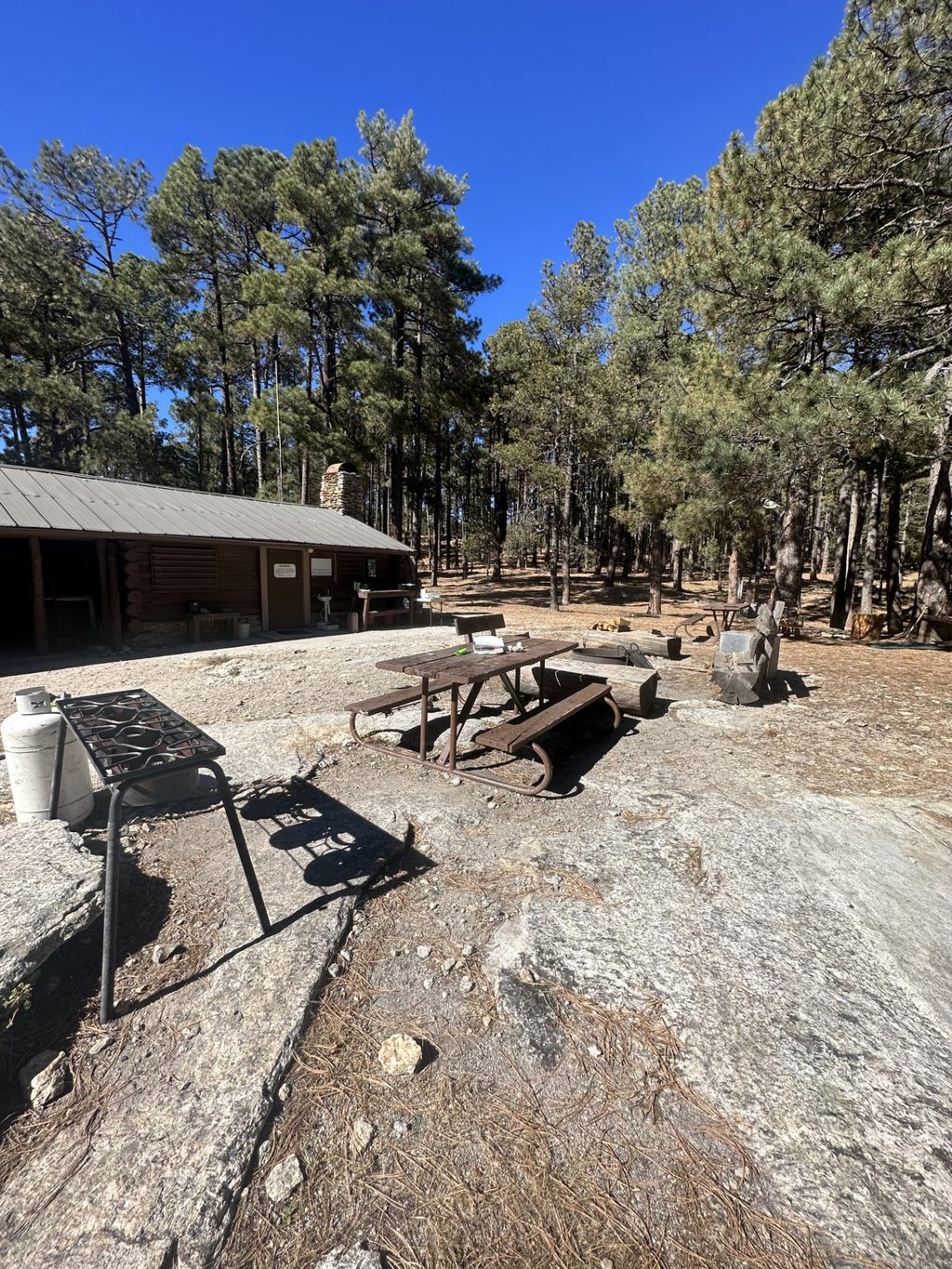
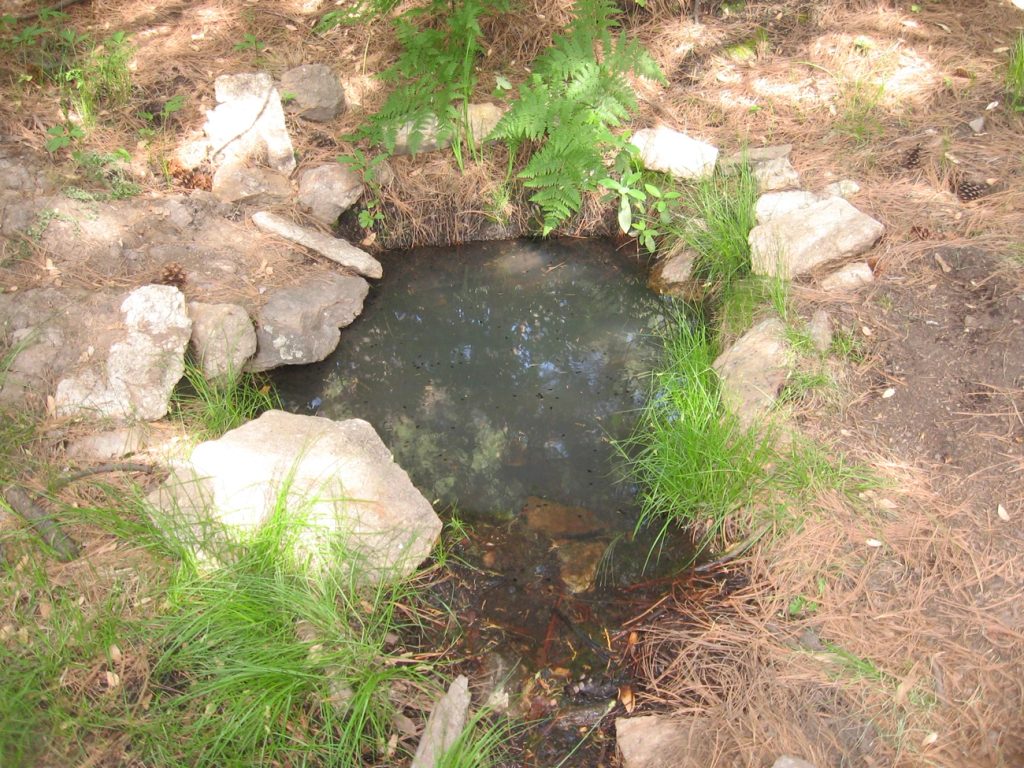
High-country water is seasonal. Reliable sources are often found at Douglas Spring and Manning Camp in cooler/wetter periods, while Turkey Creek approaches lean on Mudhole Spring. Always verify current conditions and treat all water. Designated backcountry campgrounds nearby (Grass Shack, Manning Camp, and Spud Rock Spring) require advance permits; Spud Rock Spring Campground is small and notably isolated, with big eastern views and cooler temps under pines and aspens.
Expect true backcountry vibes: gopher snakes, Gila monsters, deer, and rabbits are all possible sightings. Some segments traverse old burn scars, and footing can be steep or eroded in places. In winter, the crest can hold feet of snow; in summer, the lower miles bake—start early and protect yourself from the sun.
You’re standing in the park’s ancient Rincon core, where some of southern Arizona’s oldest rocks crop out. The high country includes very old metamorphic units like Pinal Schist—part of the complex geologic story that built these mountains.
Local lore says the name traces back to potatoes raised on a nearby flat by two railroad engineers—hence “Spud.”
Place · 0.4 mi away
Place · 0.9 mi away
Place · 1.5 mi away
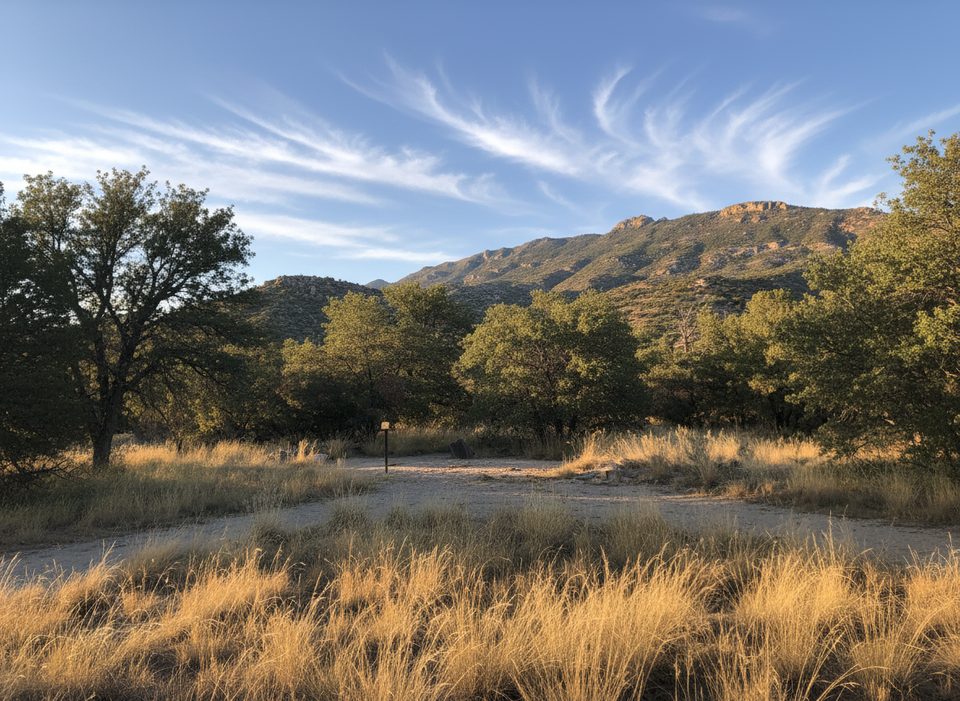
Place · 3.4 mi away
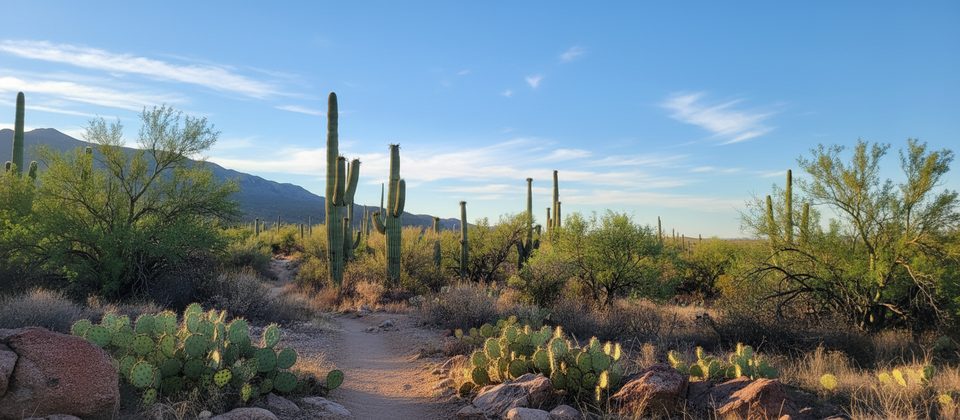
Easy · 7.8 mi away
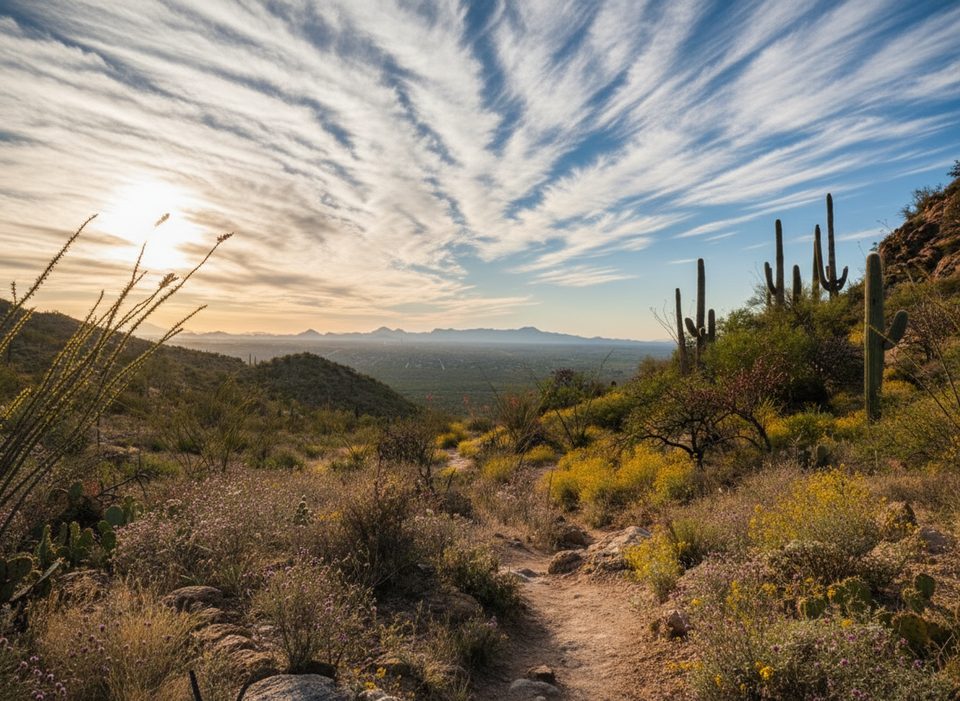
Challenging · 8 mi away
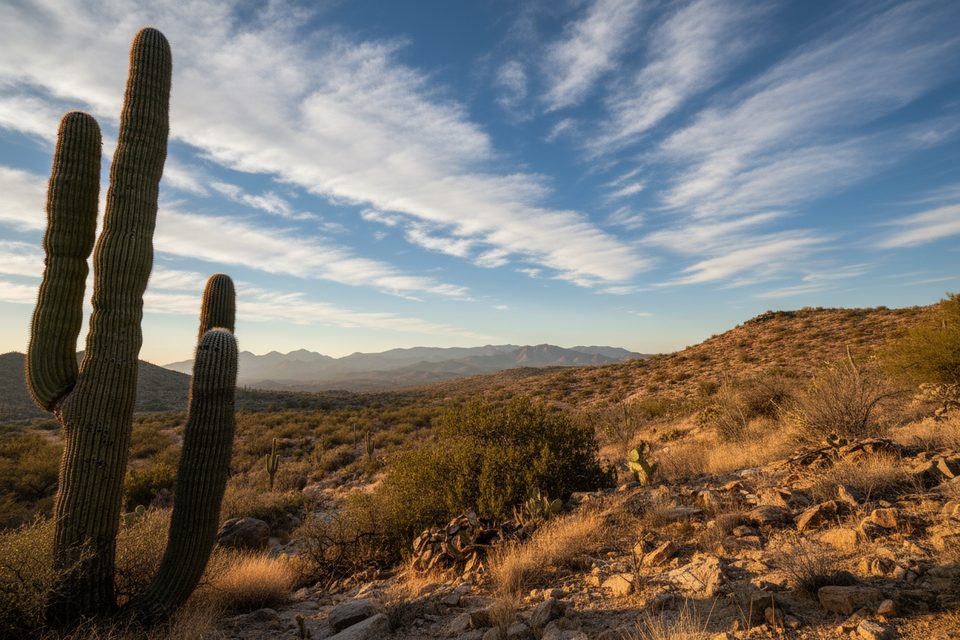
Challenging · 8 mi away
Moderate · 8 mi away

Parkwolf Tour Guide
