
Place · 2.2 mi away
Challenging
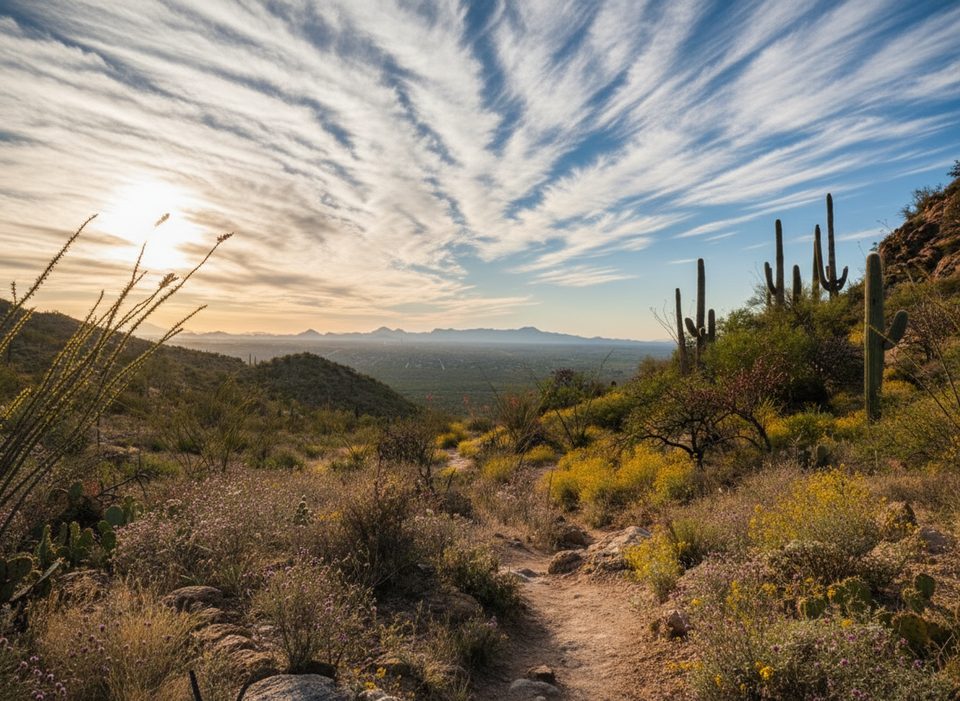
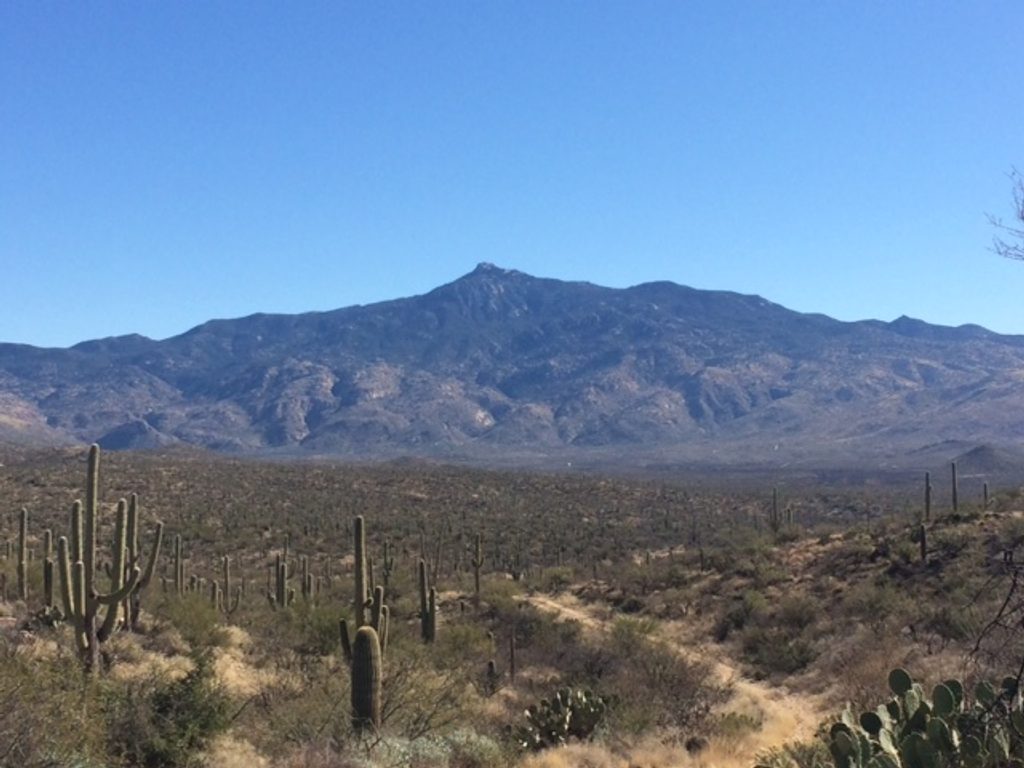
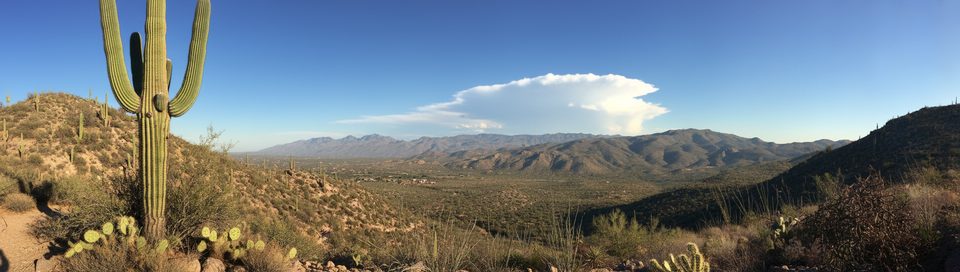
Starting at the dead-end of East Speedway Boulevard on the park’s east side, Douglas Spring is a well-built, well-signed path that immediately starts climbing through classic saguaro forest toward higher grasslands and, much farther up, the Rincon high country. The full out-and-back is about 16.6 miles total, with steady, stair-like grades and sustained elevation that make it feel moderate-to-hard even for fit hikers. Expect great desert views, diverse cacti, and a trail tread that’s clear enough you won’t be bushwhacking.
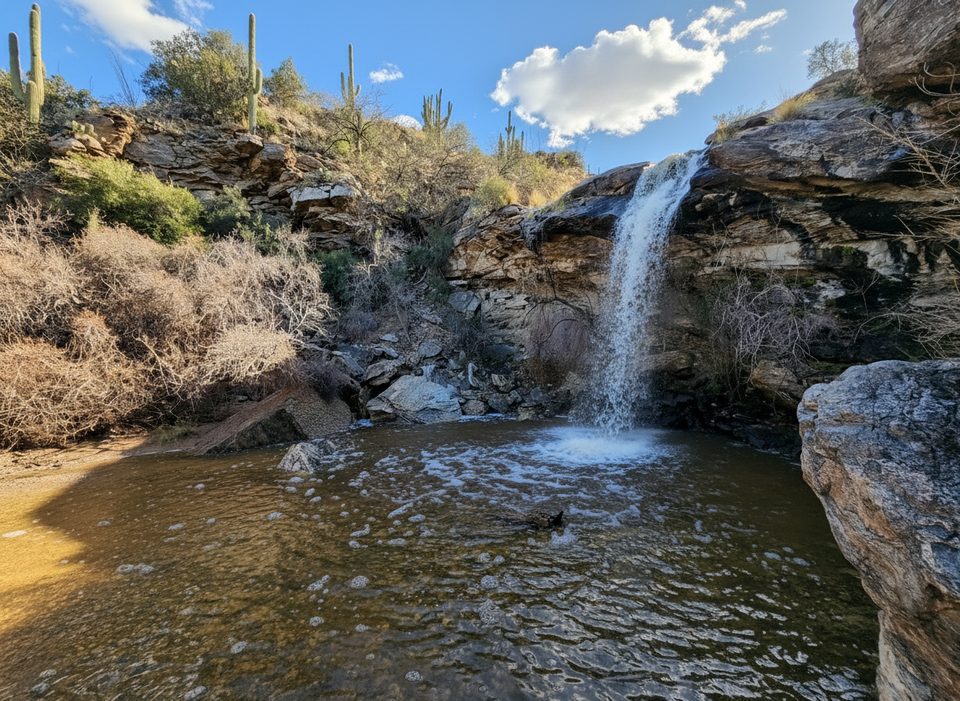
If you’re after a rewarding day hike without committing to the whole thing, the turnoff to Bridal Wreath Falls makes for a popular objective at roughly 2.9 miles from the trailhead (about 5.6 miles round trip). The falls are seasonal—best after winter/spring rains or during the monsoon—so manage expectations outside those windows. Strong hikers and backpackers press farther: Douglas Spring Camp is a long push at roughly 13.7 miles round trip with sustained climbing and big views. Beyond, the trail reaches cooler, more forested terrain atop Tanque Verde Ridge at Cowhead Saddle (about 8.8 miles one way). There are also junctions with Three Tank, Carrillo, and Wildhorse if you want to stitch loops.
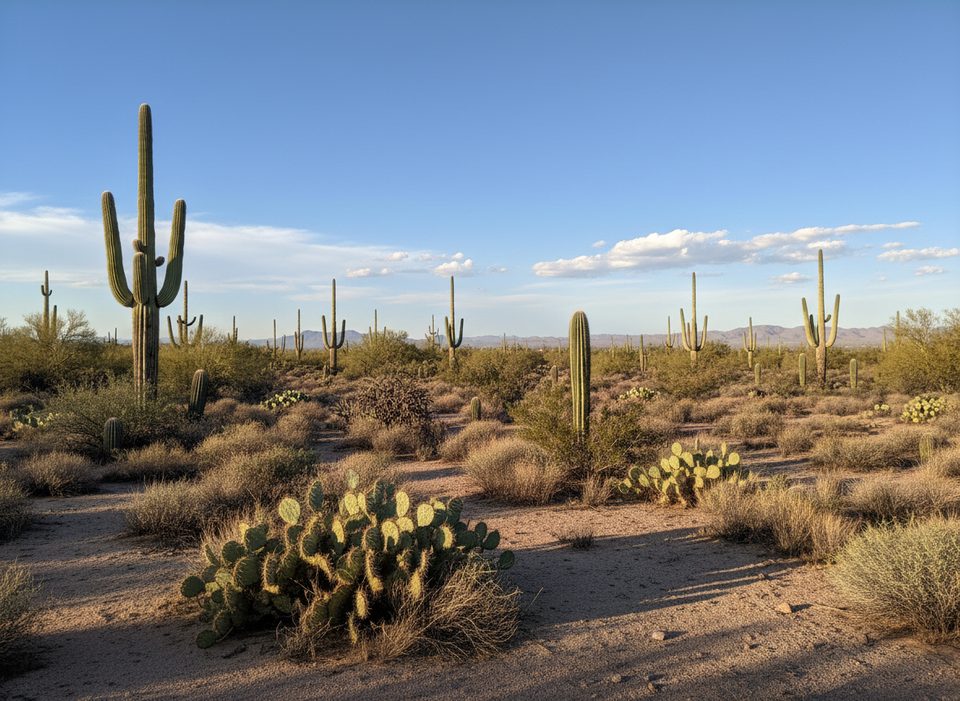
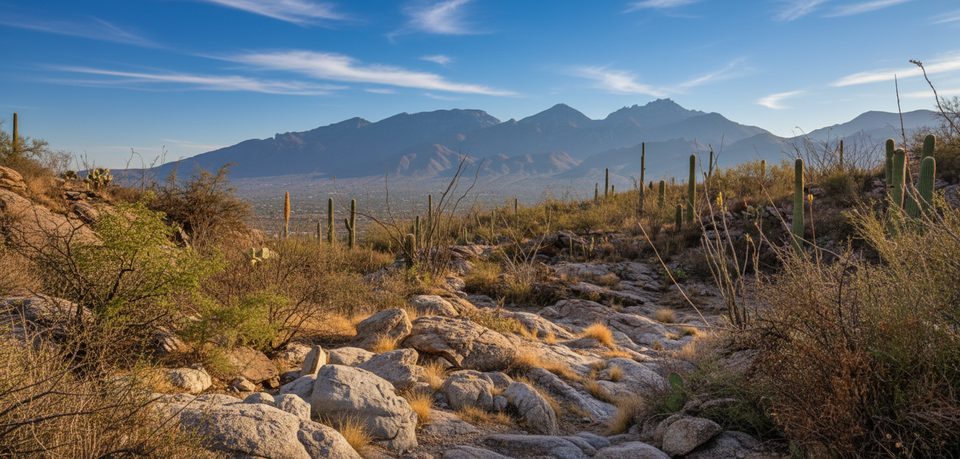
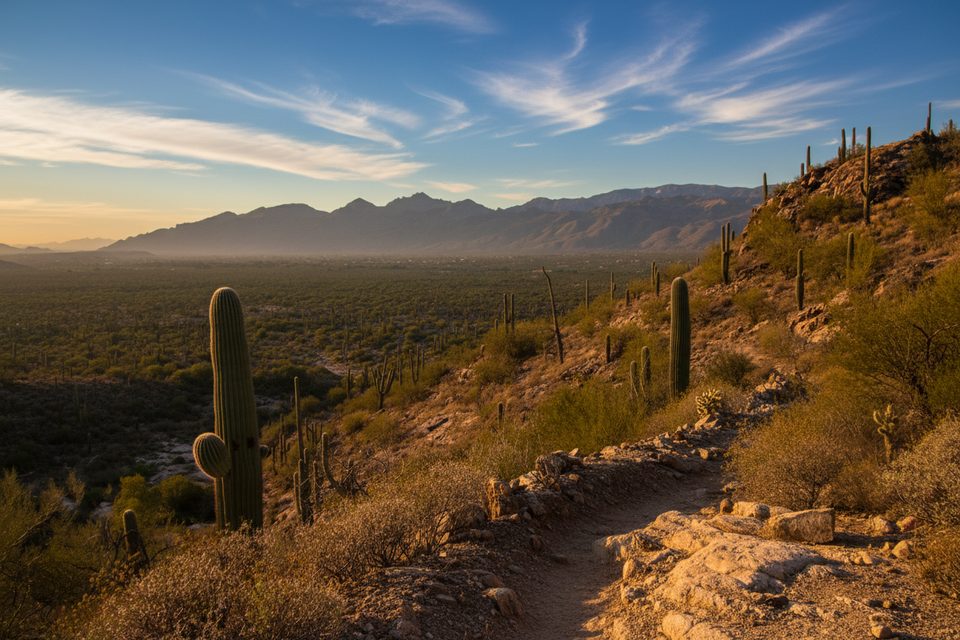
The first couple miles gain quickly—think stone “steps” in places—before easing into rolling grasslands. You’ll pass forests of saguaro, with ocotillo and yucca dotting the slopes, and eventually oak woodland higher up if you go long. Keep an eye out for desert wildlife; sightings of jackrabbits are common, and hikers occasionally report Gila monsters and rattlesnakes. The tread is generally wide and obvious, but you may encounter some overgrown stretches; long pants can help.
October through March is prime time for cooler temps and clearer air. Even around 70°F, direct sun on this sustained climb can feel hot, so start early and bring more water than you think you need. For Bridal Wreath Falls, aim for late winter through spring or right after monsoon storms for the best chance of flow. Weekends see steady use, but this corridor typically isn’t a shoulder-to-shoulder crowd scene.
There are no restrooms or water at the trailhead; fill up at visitor centers and carry at least a gallon per person for longer efforts. The small lot fills early; overflow parking is along the wide shoulder of Speedway. Dogs aren’t allowed on this trail. Horses are permitted, so expect some stock use (and watch your step). Backcountry camping in the East District requires a permit, and Douglas Spring Camp spots can be limited. Park rules include staying on signed trails below 4,500 feet and a maximum trail group size of 18.
Heat and sun exposure are the big ones—plan shade, sun protection, and an early start. Summer monsoon can bring lightning and flash flooding; watch the sky and turn around if storms build. Africanized bee activity is occasionally posted near junctions; heed all signs and detours and avoid dark clothing and strong scents. Locals report occasional vehicle break-ins at night at the trailhead—avoid leaving valuables and stick to daylight parking if possible. If waterfall flow is your make-or-break, know that Bridal Wreath can be dry outside wet periods. For a different waterfall experience nearby, Tanque Verde Falls is another option—but it’s a stiffer, more challenging outing.
Small lot at the east end of Speedway Blvd; overflow on the wide shoulder of Speedway. No water or restrooms. Avoid leaving valuables, especially if parking before dawn or after dark.
Exposed heat, sustained climbing, seasonal lightning/flash flood risk, occasional Africanized bee activity near junctions, no water or restrooms at trailhead, horse traffic and droppings, and reports of nighttime break-ins.
Place · 2.2 mi away
Place · 2.6 mi away
Place · 2.8 mi away
Place · 3.8 mi away
Moderate · 0 mi away
Challenging · 0 mi away
Moderate · 0 mi away
Moderate · 0 mi away

Parkwolf Tour Guide
