Place · 2.6 mi away

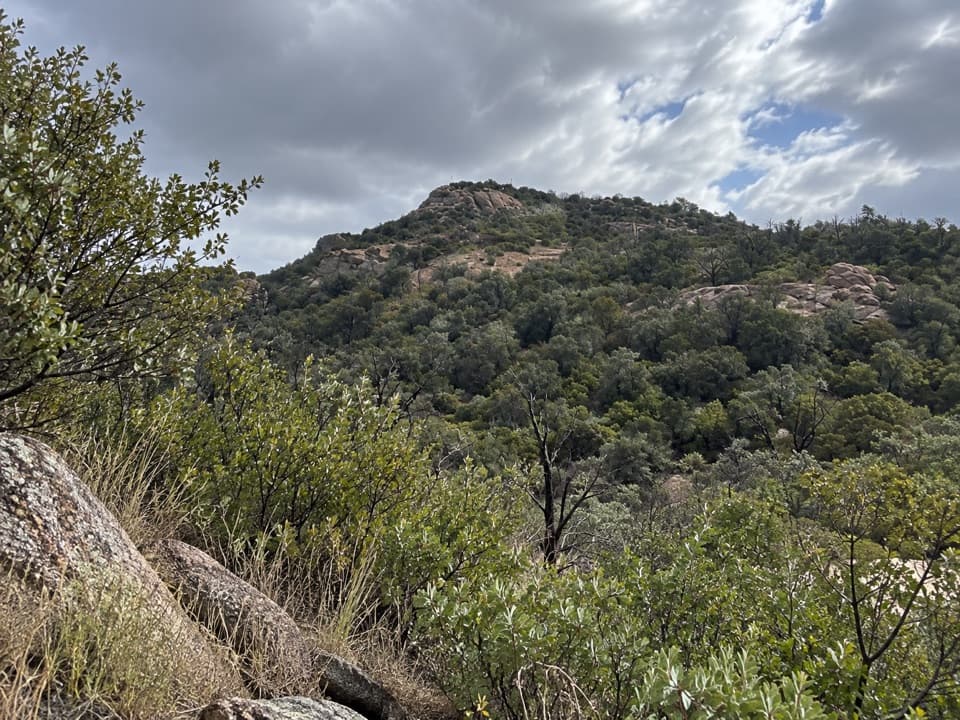
A small, hike-in backcountry campground tucked into the Rincon Mountain District, this spot trades car-camping convenience for true desert solitude. You’ll sleep among saguaros and mesquite with big skies and even bigger sunsets, far from pavement and crowds. There are three designated sites and the vibe is quiet and minimalist—pack it in, pack it out.
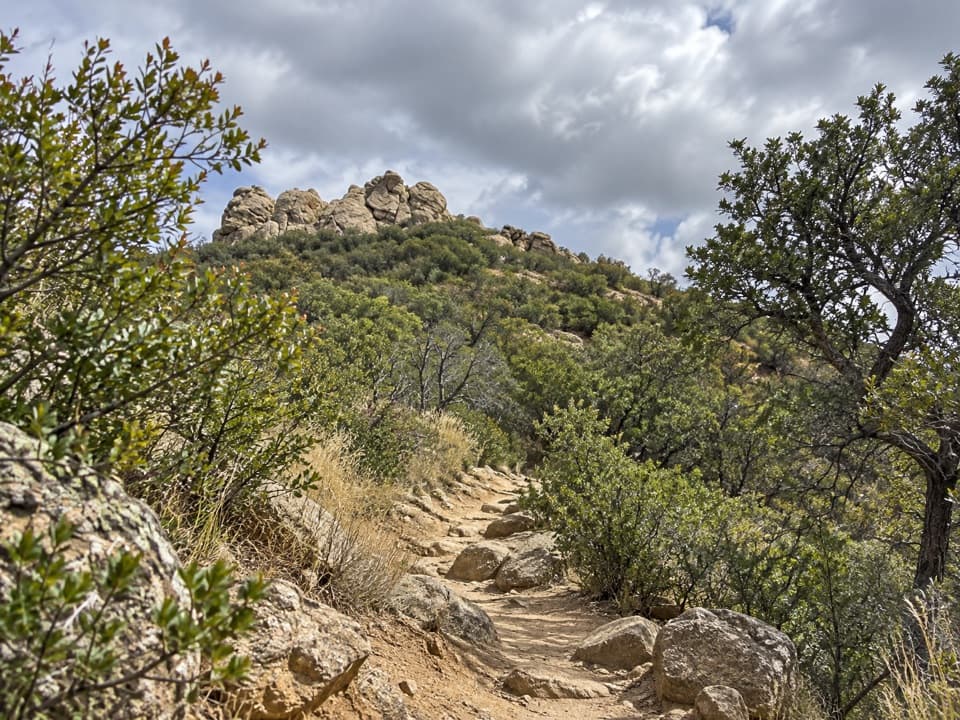
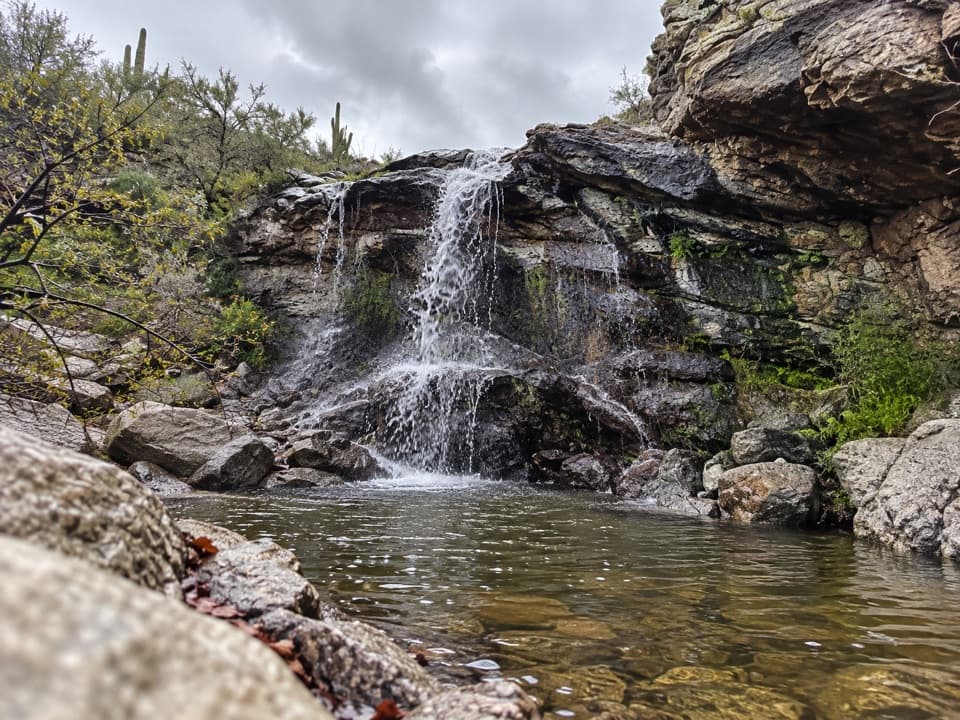
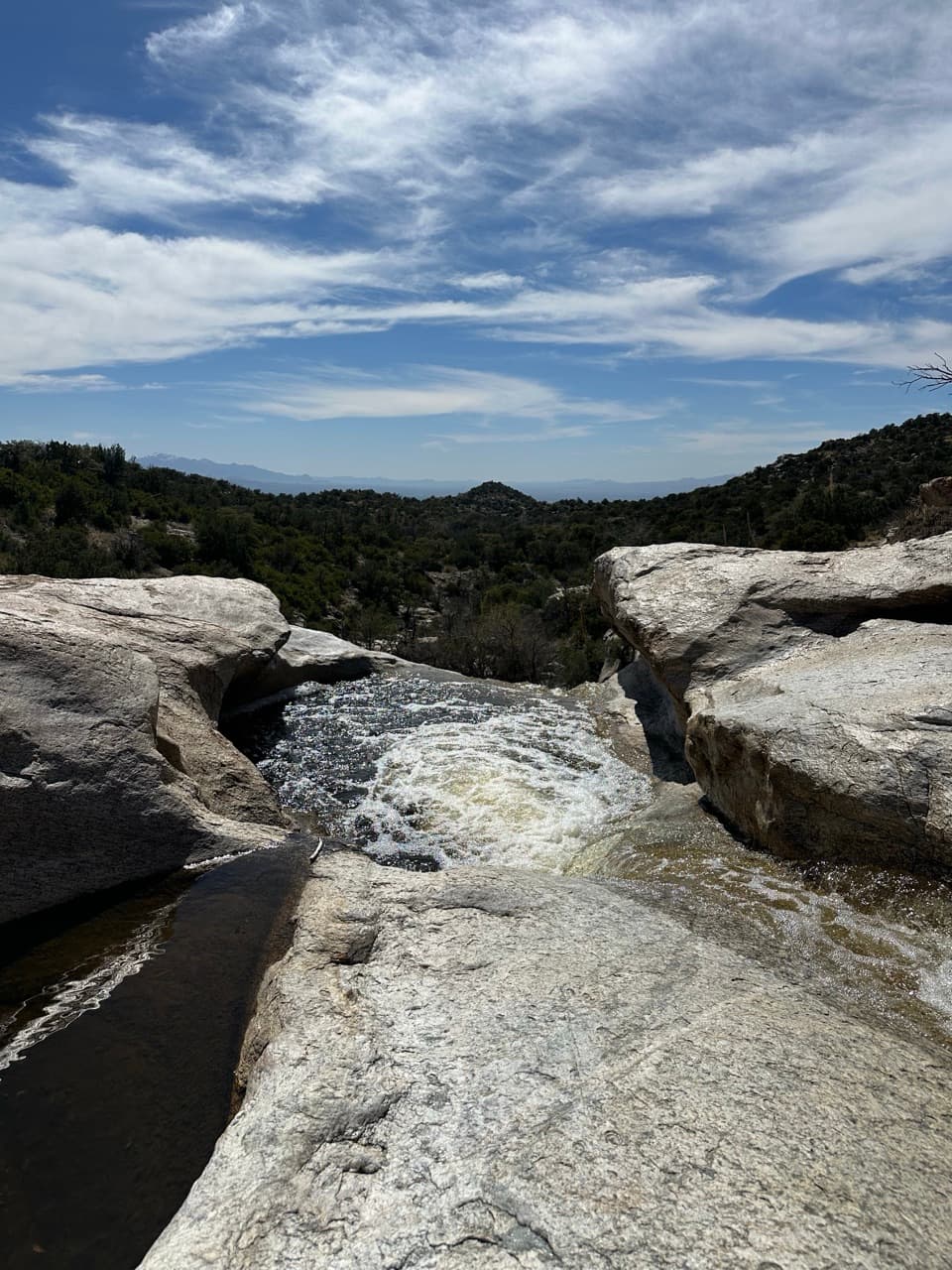
Reach it via the Douglas Spring Trail from the end of E. Speedway Blvd. Plan on roughly 6–6.5 miles and about 1,800 feet of climbing. The path is well signed with plenty of stair-like sections and steady grades. A popular detour, Bridal Wreath Falls, often runs dry—nice if it’s flowing, but don’t count on it for water.
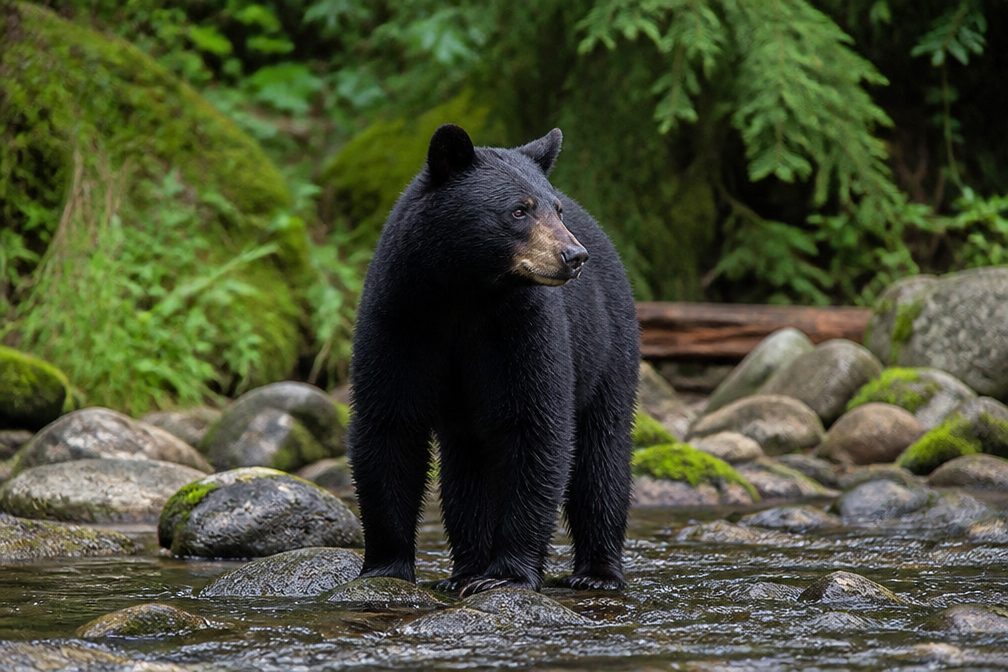
Expect primitive tent sites with limited shade from mesquite/juniper. A pit/vault toilet is at the campground (bring your own TP), and food storage is aided by bear boxes at some sites—if your site lacks one, you can use the boxes at neighboring sites. Campfires aren’t allowed, so plan to cook on a stove if permitted. Cell service is spotty to nonexistent; some campers report occasional Verizon signal, but don’t rely on it.
There’s no potable water. Seasonal trickles may appear in a drainage near camp, but conditions change quickly—carry what you need and treat anything you collect. The desert sun is real here: start early, wear a hat, and bring electrolytes. Winters can be chilly at night; summers can be brutally hot, and monsoon season can bring lightning and flash floods.
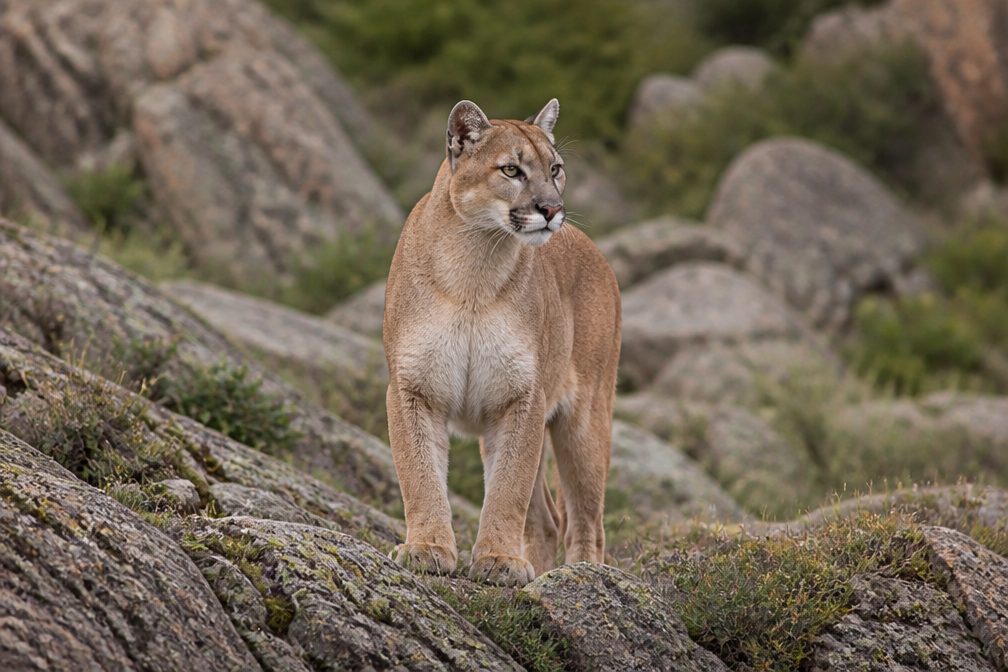
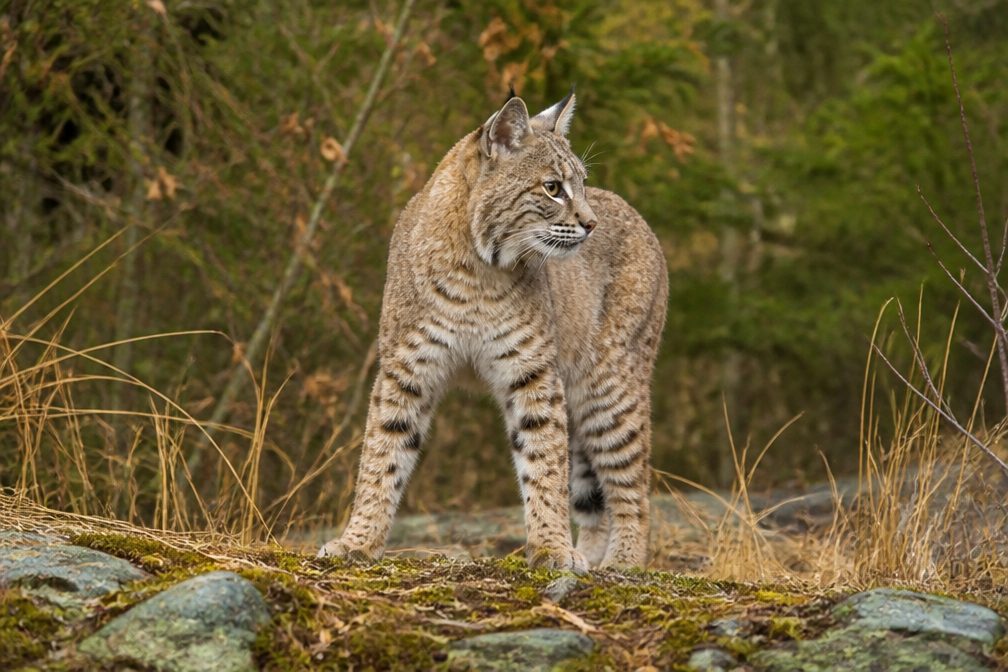
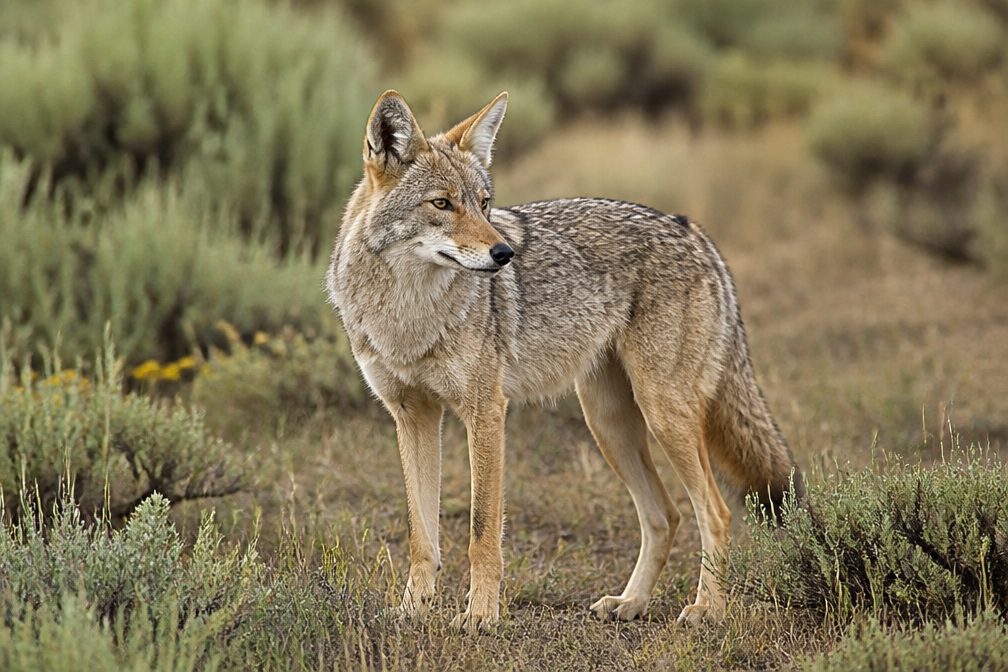
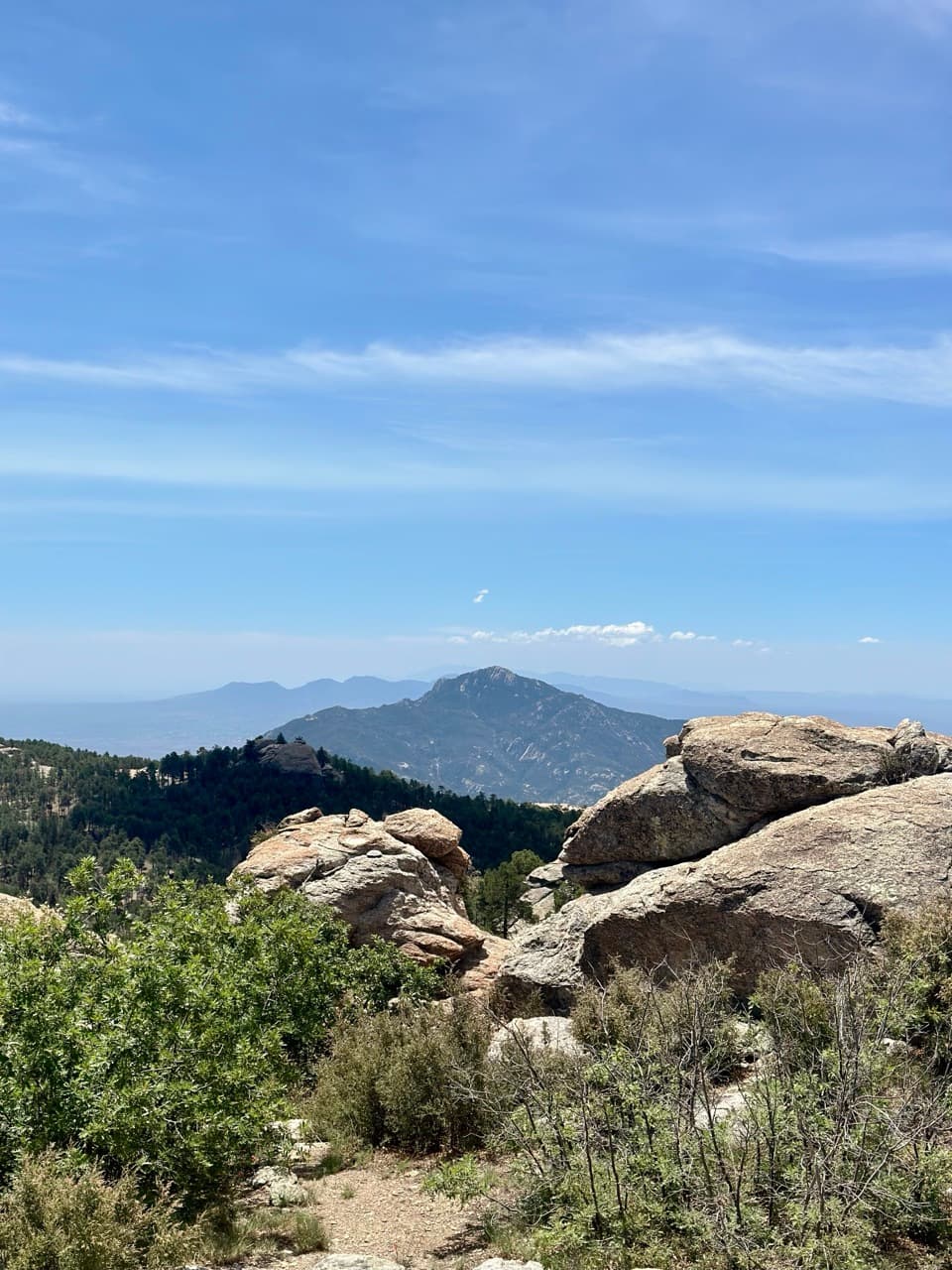
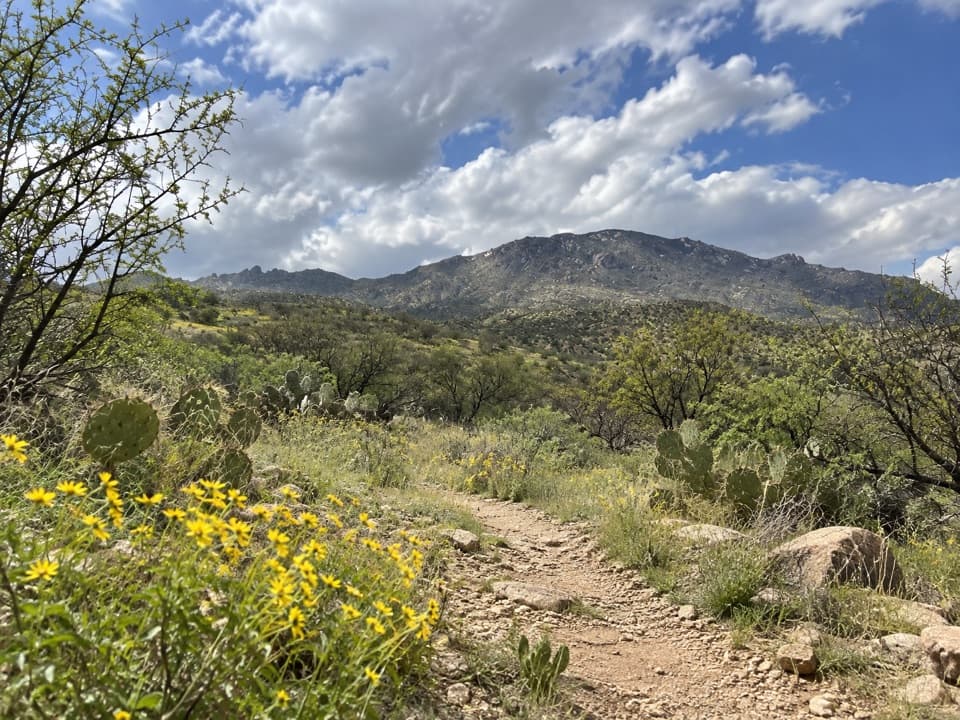
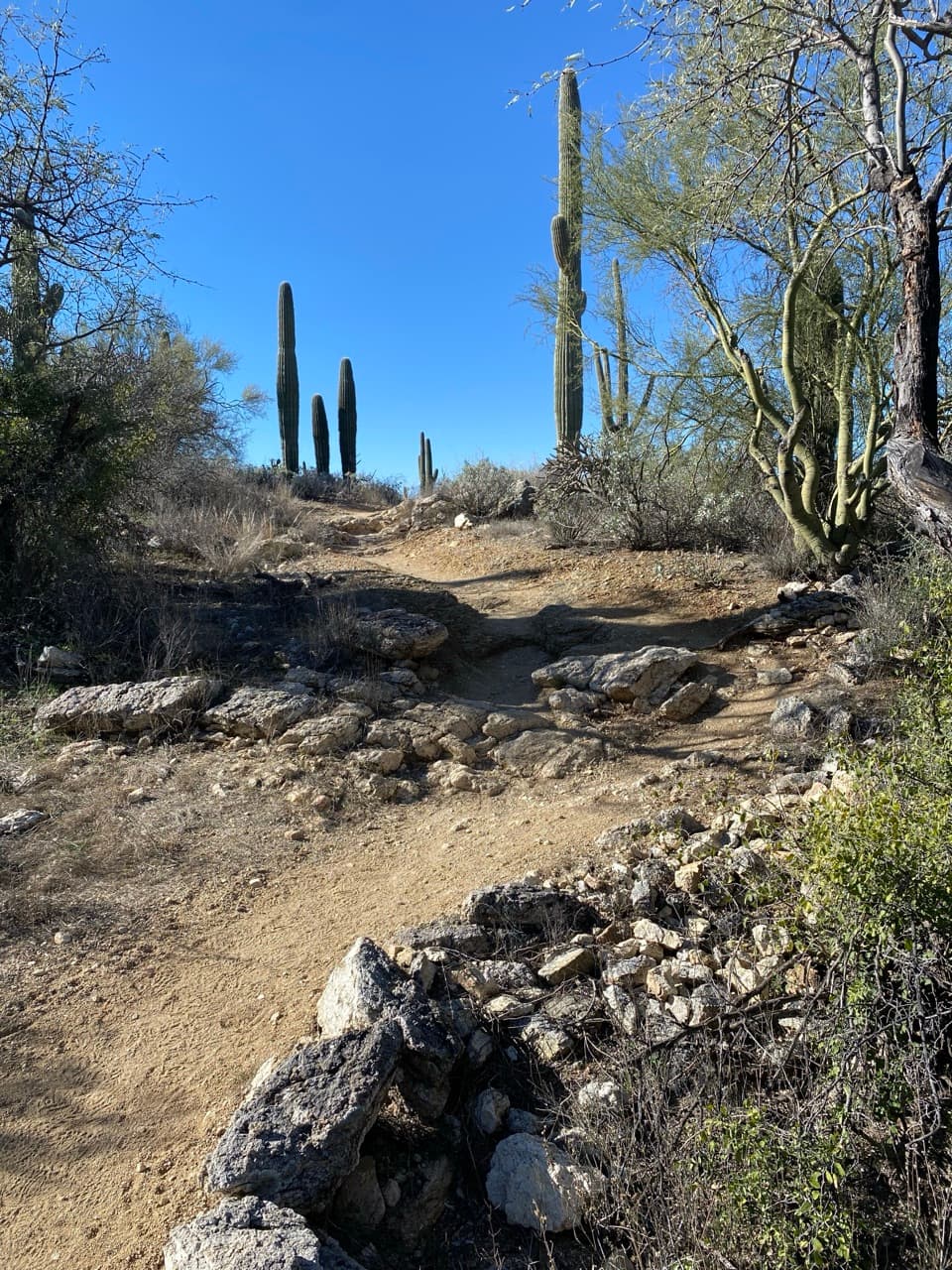
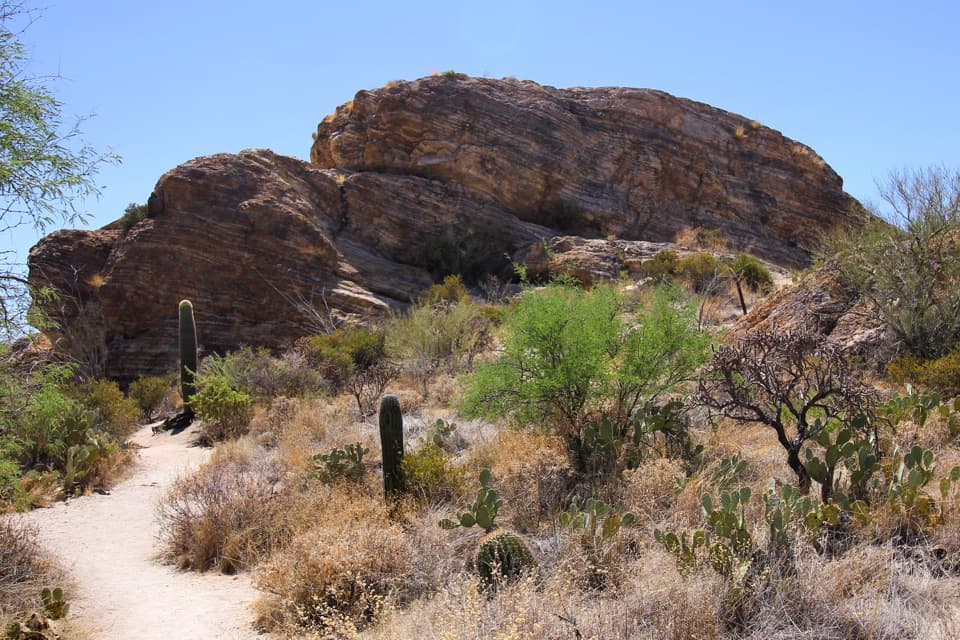
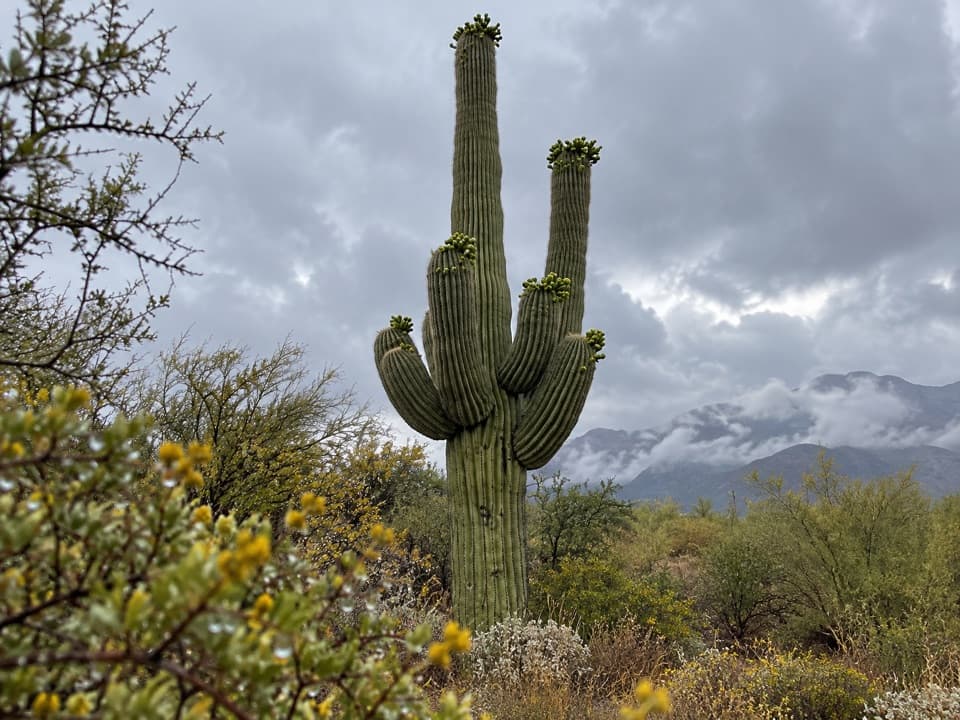
The approach moves through classic Sonoran Desert: towering saguaros, cholla, and open vistas that look back toward Tucson and surrounding ranges. Keep an eye out for desert birds like hawks and roadrunners. This is wild country—know what to do if you encounter bees, bears, or mountain lions, and store food properly.
Late fall through early spring is prime—cooler days, crisp nights, and, if you’re lucky, spring blooms. Pre-spring is especially pleasant for overnights. Aim to reach camp by late afternoon for golden-hour light and big-sky sunsets. In summer, go very early or don’t go—heat and exposure make the trek punishing.
Permits/reservations are required for these designated backcountry sites (secured in advance); check current regulations, fire restrictions, and water updates with the park before committing. Navigation is straightforward, but the distance, elevation, and exposure make this a real backcountry outing—prepare accordingly.