
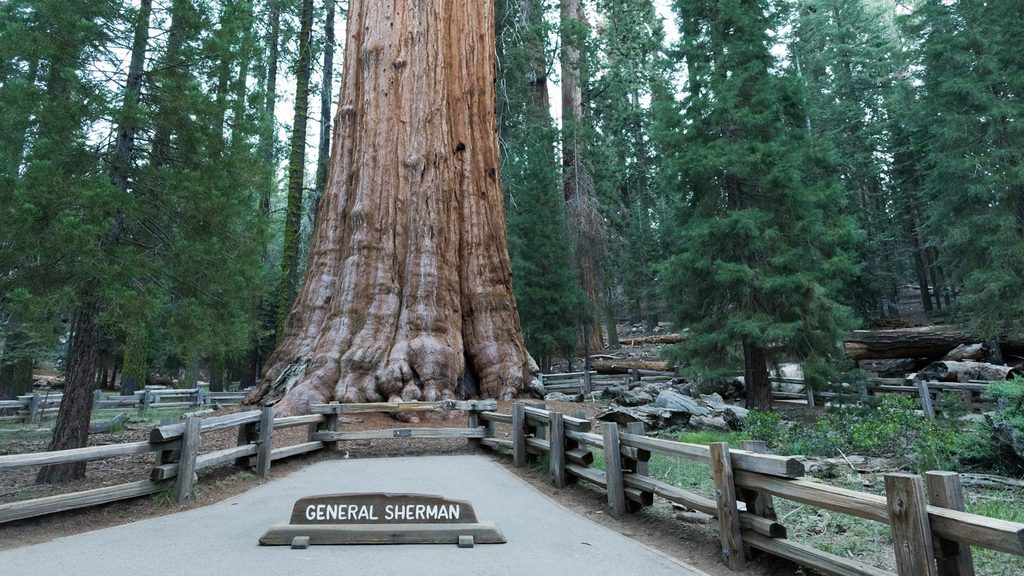
Place · 0 mi away
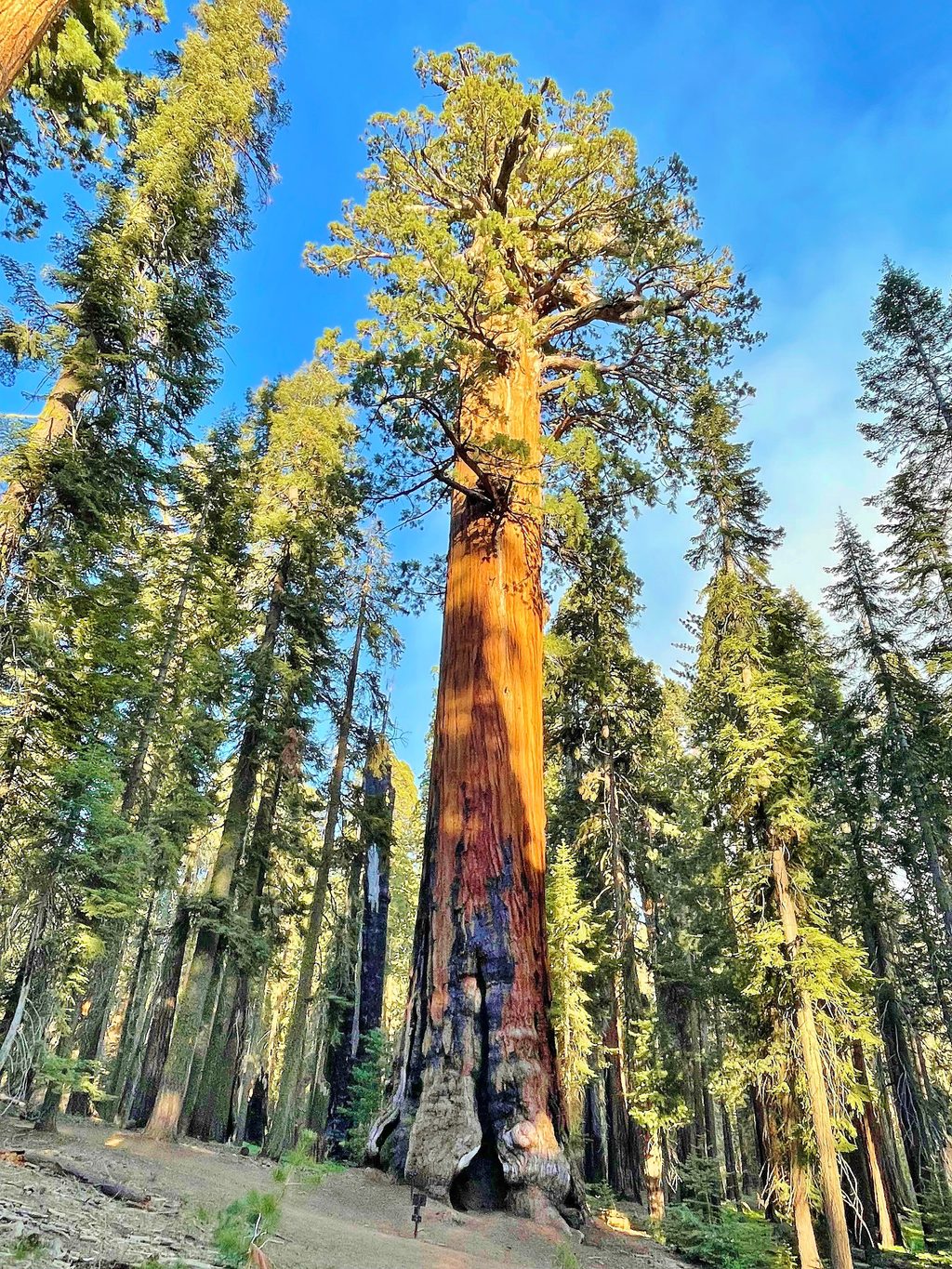
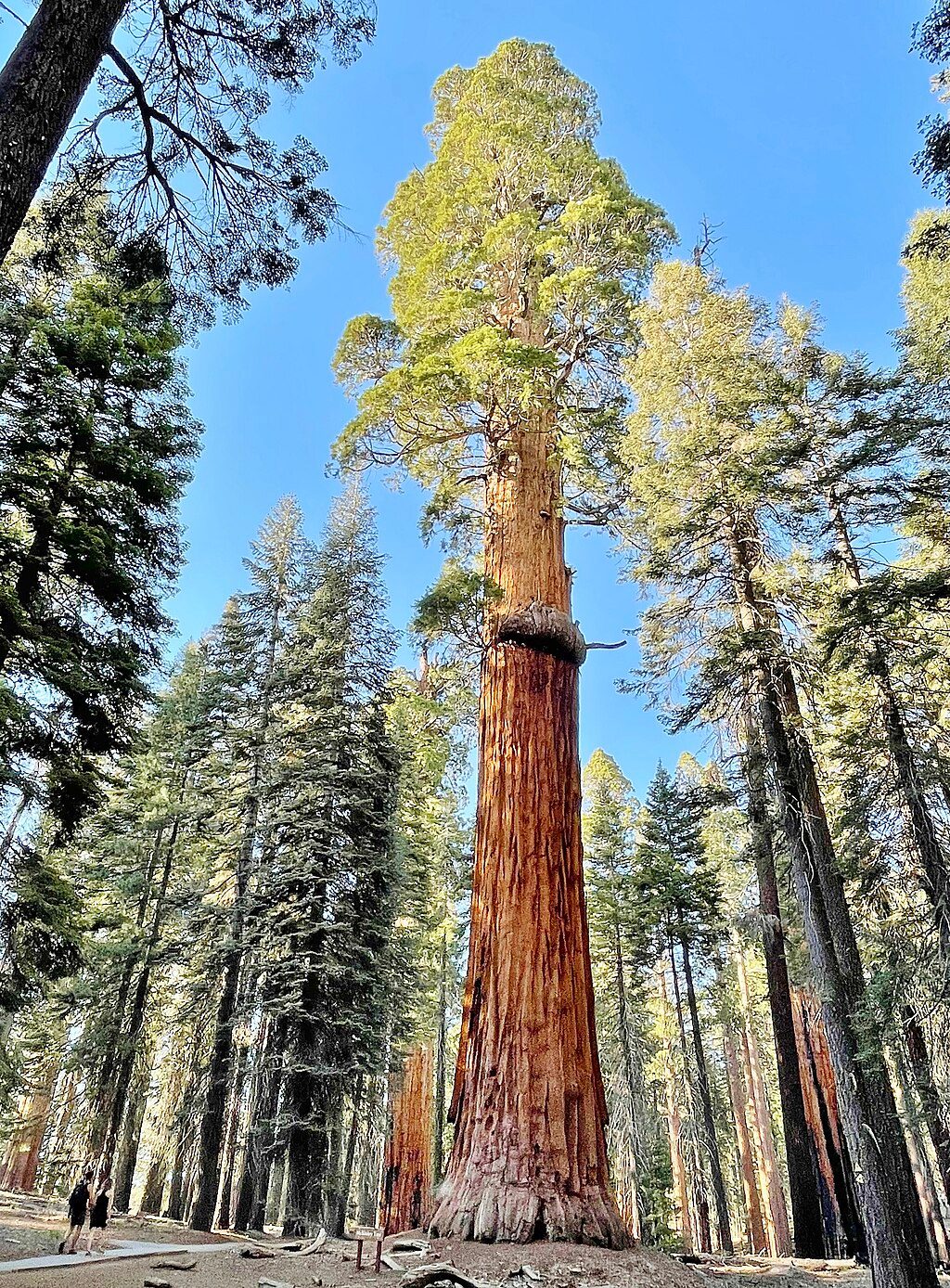
The Lincoln Tree is a giant sequoia in the Giant Forest’s Congress Trail network—a worthy detour from the General Sherman area when you want big-tree drama without the shoulder-to-shoulder scene. It’s widely considered one of the largest living trees on Earth by volume (often cited as fourth), and it wears its age proudly with photogenic burn scars and a broad, buttressed base.
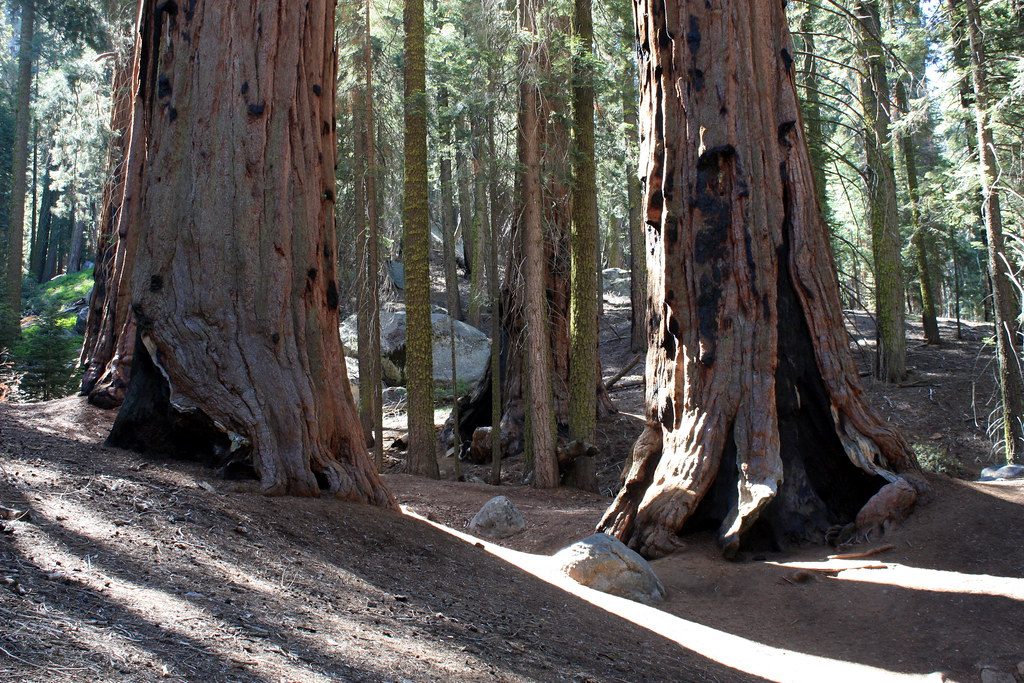
This titan stands about 256 feet tall with a trunk volume measured around 44,471 cubic feet. Up close, you’ll notice the irregular base, prominent fire scars on multiple sides, and even a small pale burl on the northeast face. Its crown looks a bit bleached with thick, outstretched limbs—classic “very old sequoia” character. The charred bark and basal cavities aren’t damage to lament; they’re part of the tree’s fire-adapted story and a visual record of centuries of low-to-moderate fires that sequoias routinely survive.
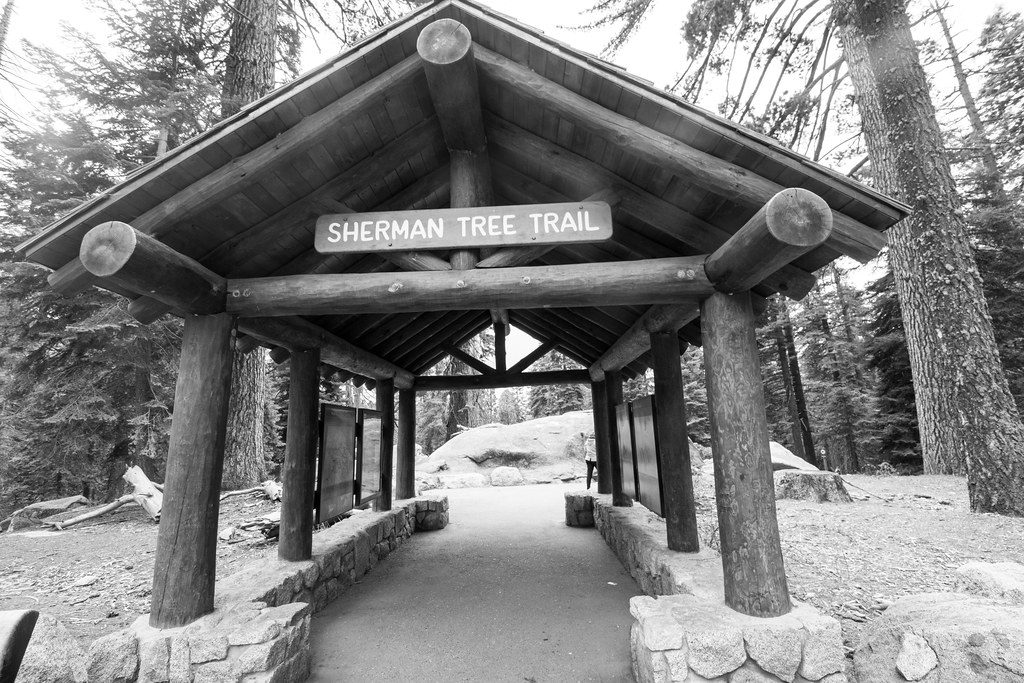
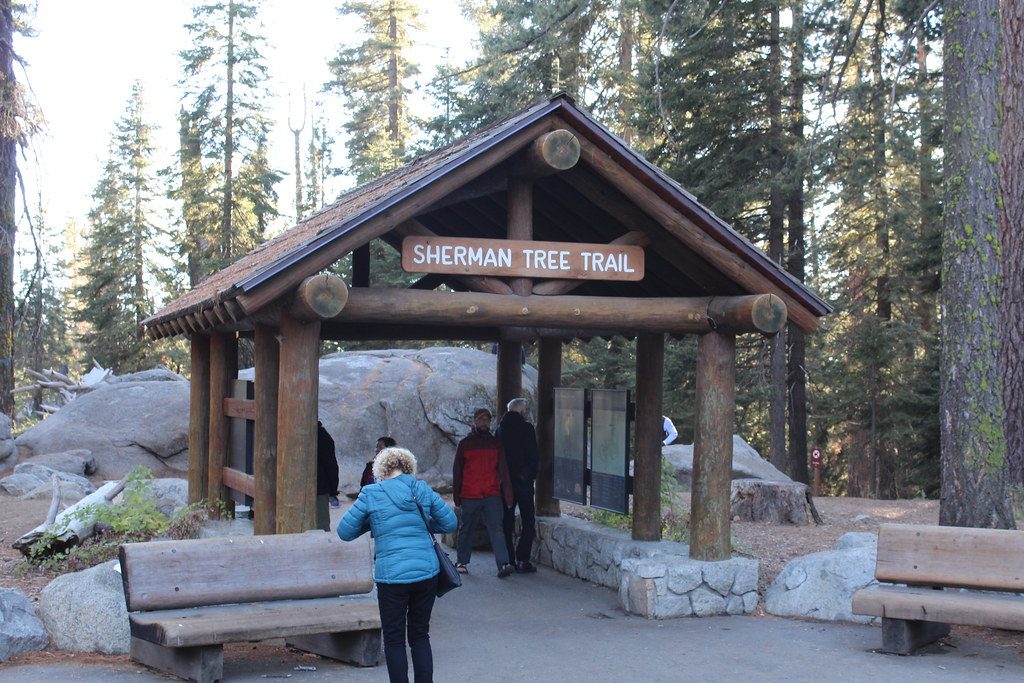
There’s no dedicated parking for the Lincoln Tree. Park at the General Sherman area along Generals Highway and follow the paved Congress Trail loop to the “Area of the Presidents.” Restrooms are available at the Sherman/bus stop area—use them before you head out. Seasonal shuttles serve Giant Forest and can save you a parking headache when lots fill. Don’t expect picnic tables right at the tree; plan picnics for designated areas elsewhere in the park.
Yes—especially if you’ve seen Sherman and want another marquee giant with fewer people lingering. The Lincoln Tree’s massive, scarred base is uniquely photogenic and gives a real sense of the grove’s fire ecology. If you’re short on time, it’s an excellent “one more giant” stop that rounds out the Giant Forest experience.
Place · 0 mi away
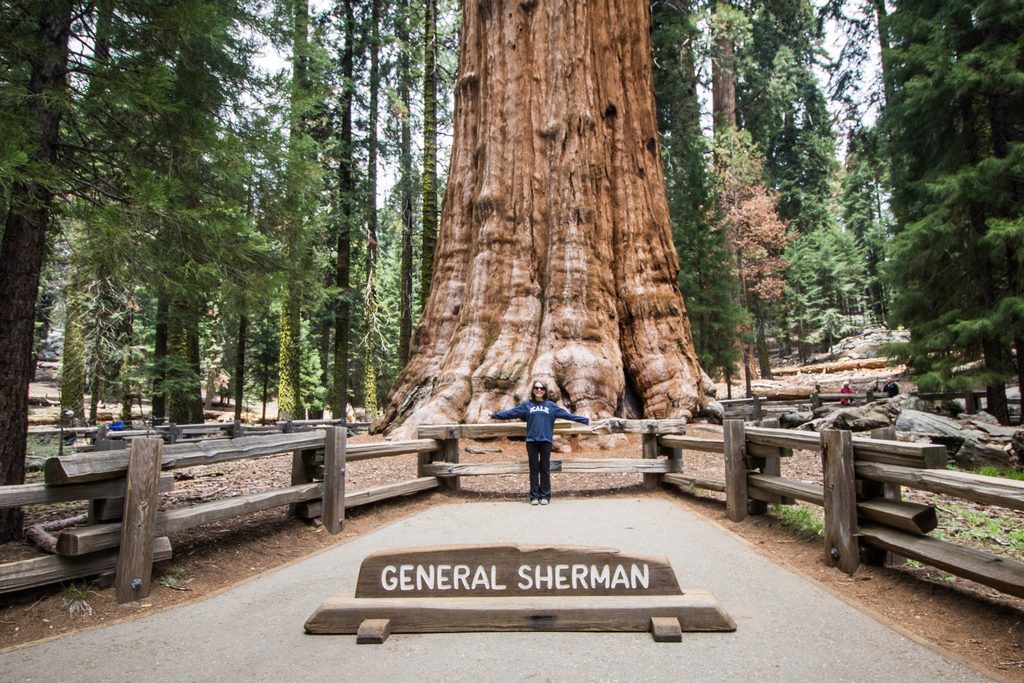
Place · 0.2 mi away
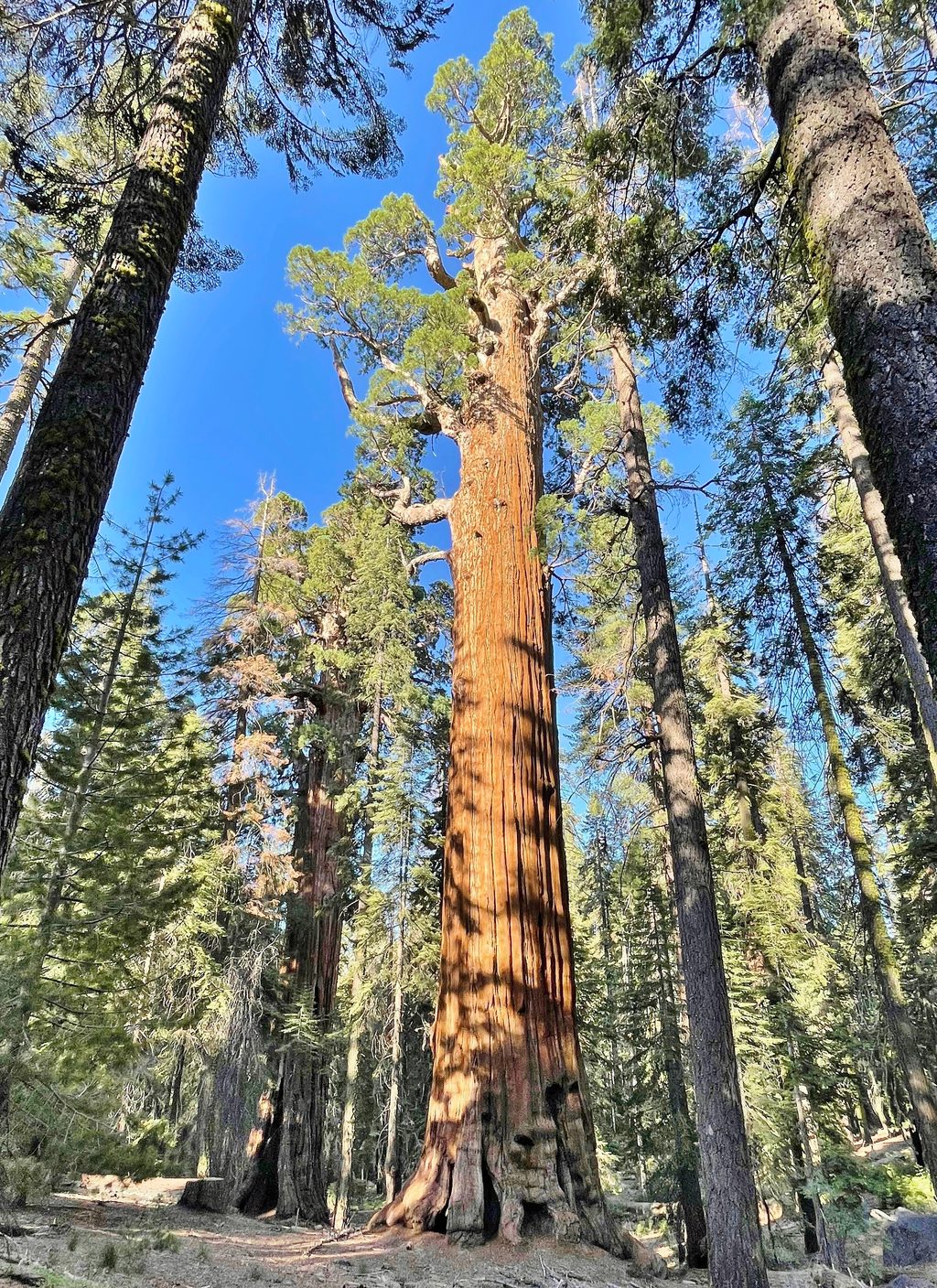
Place · 0.8 mi away
Place · 0.8 mi away
Easy · 0 mi away
Easy · 0 mi away
Easy · 0.2 mi away
Challenging · 1.1 mi away

Parkwolf Tour Guide
