
Place · 0.2 mi away
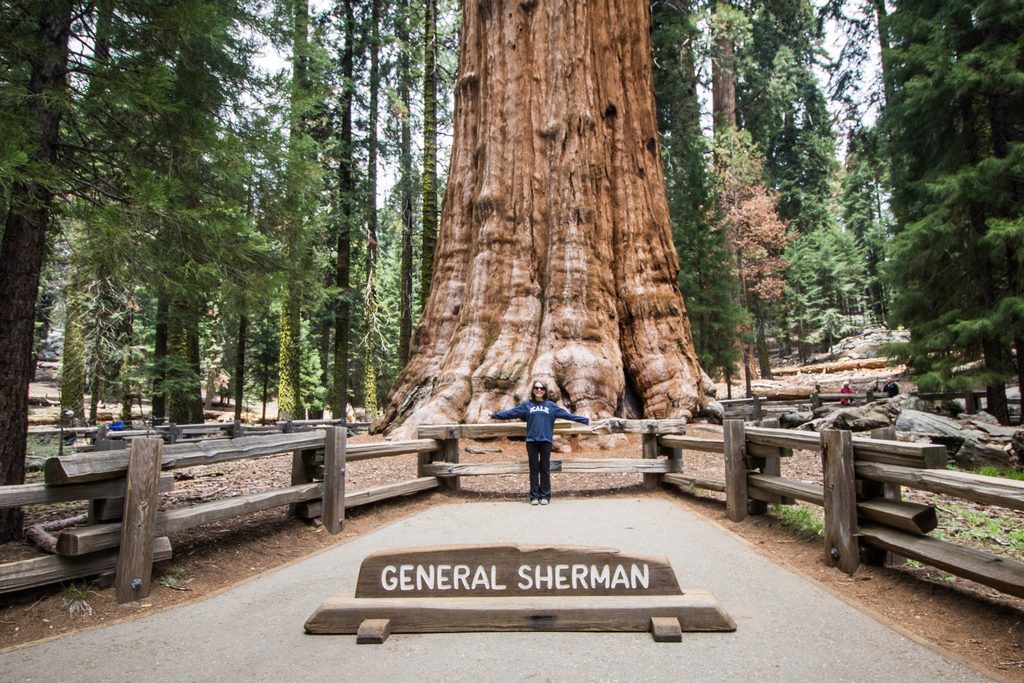
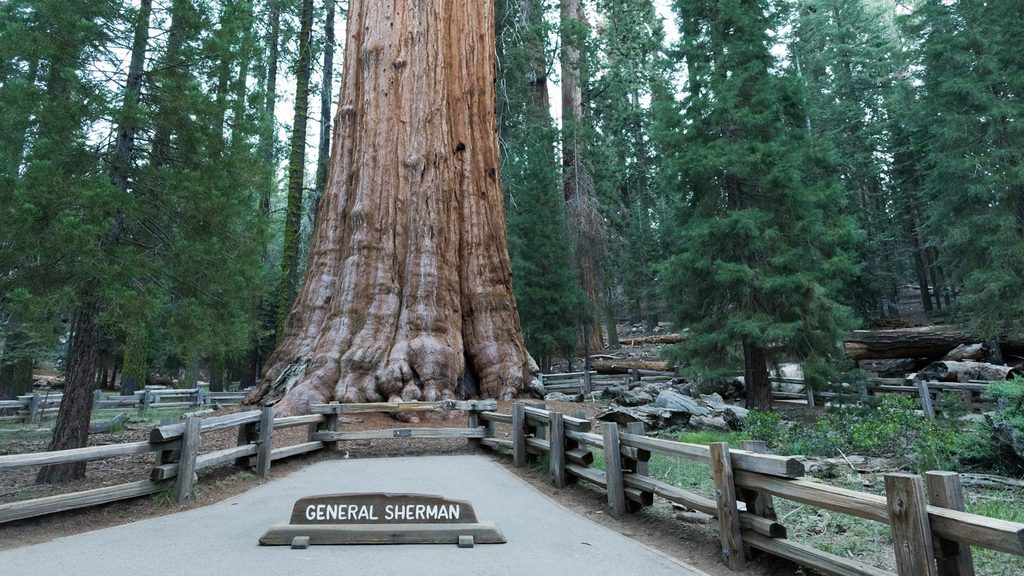
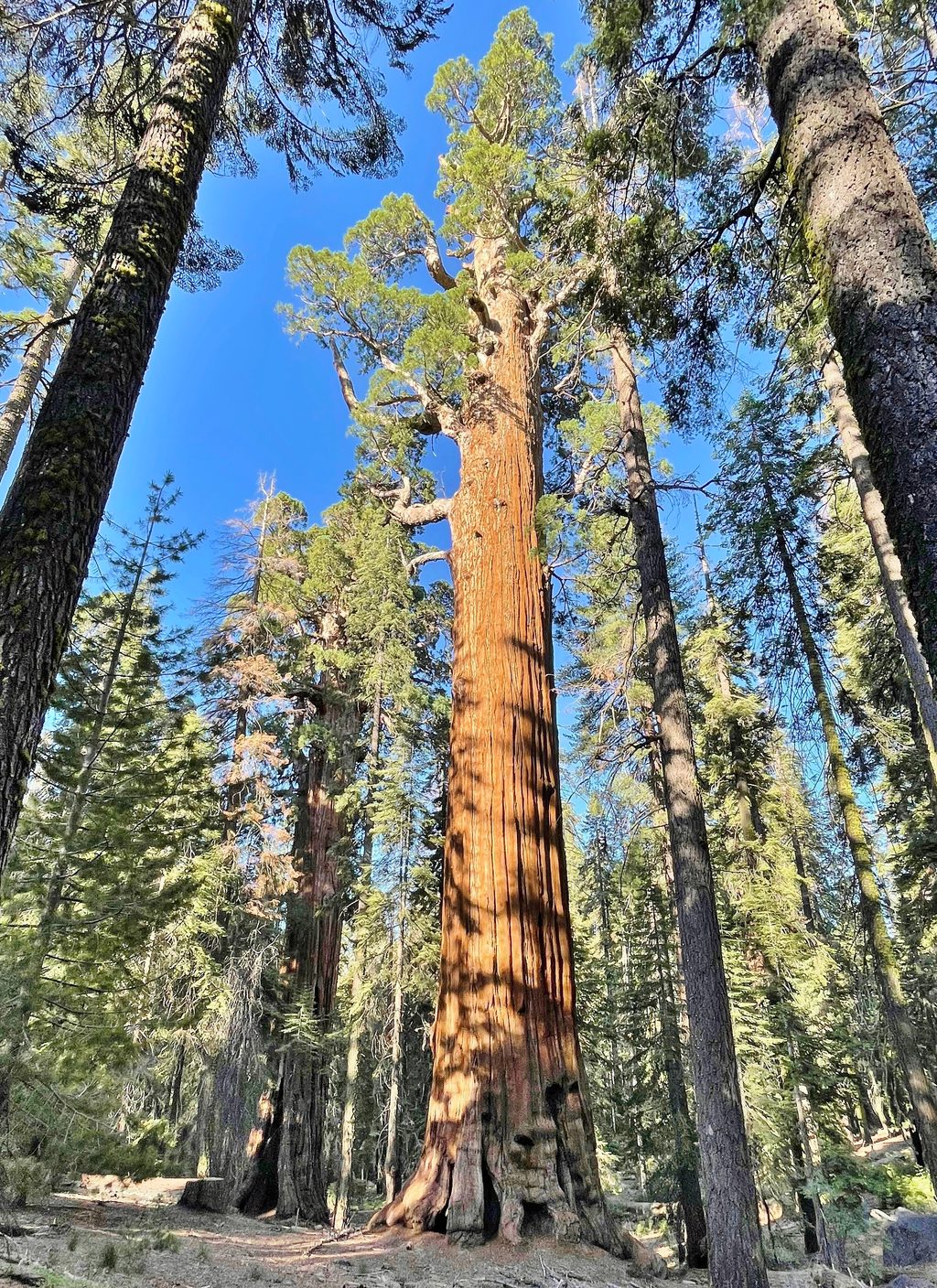
You’re here for one thing: to stand before the biggest living tree on Earth. The General Sherman Tree is a monarch sequoia that’s all about sheer volume—an awe punch that photos never quite capture. Expect a short, well‑maintained stroll through the Giant Forest to a fenced viewing area beneath its massive trunk.
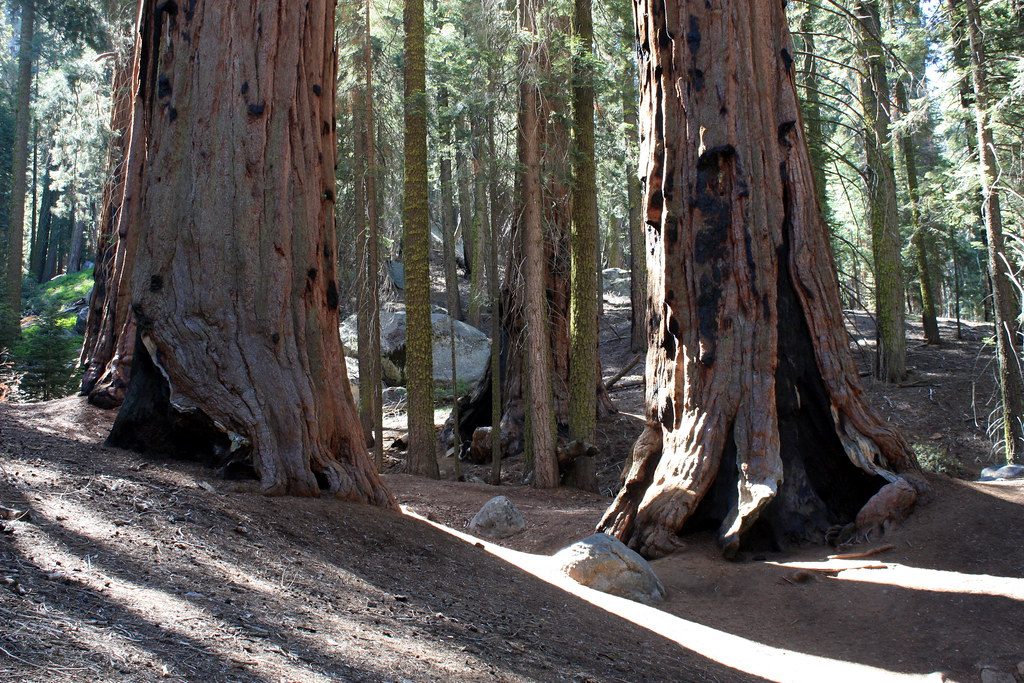
Numbers aside, the experience is visceral: thick, fire‑scarred bark; a crown that doesn’t even start until far above the forest floor; and a sense of time measured in millennia. It’s the headline stop in Giant Forest, and it earns the hype. If the main viewpoint feels busy, wander a bit—the surrounding grove holds plenty of other giants that feel nearly as impressive, without the scrum.
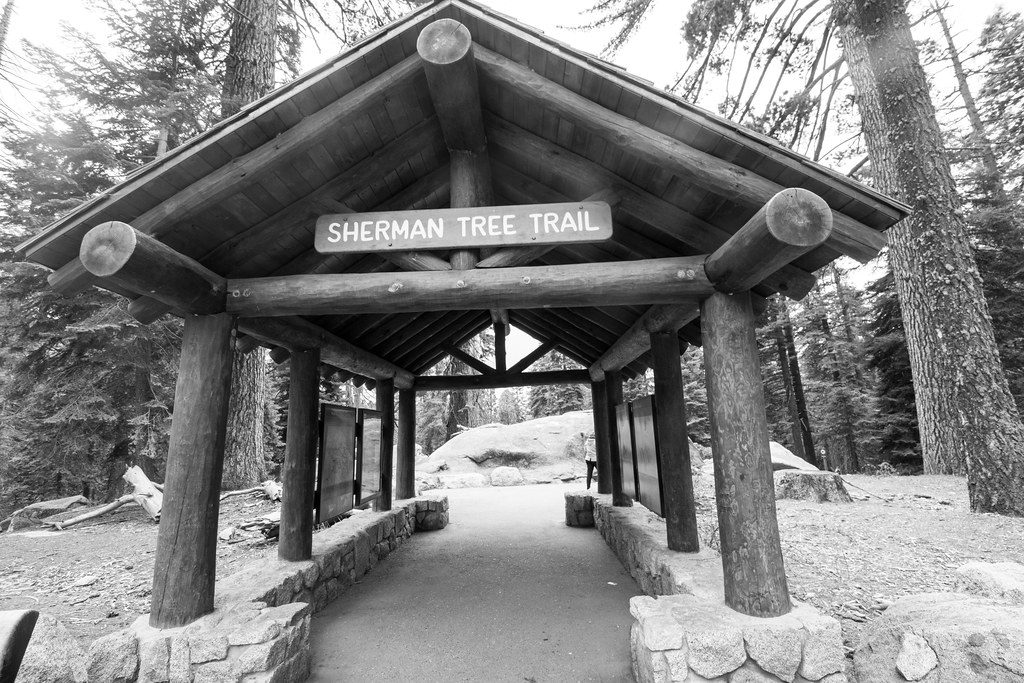
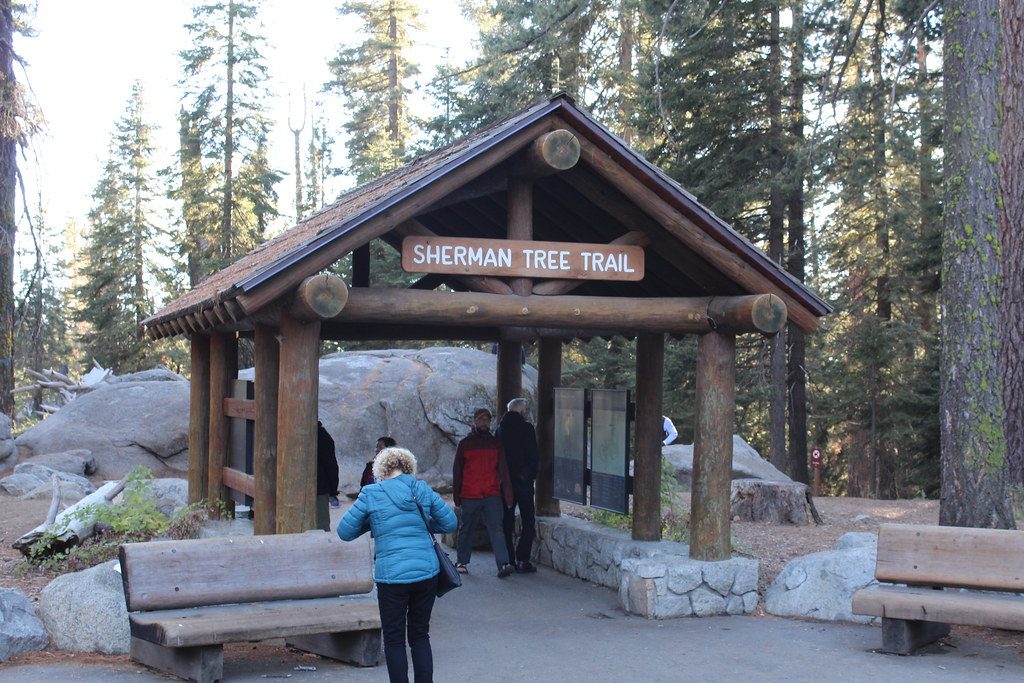
Most visitors park off Wolverton Road and follow a paved, exhibit‑lined path about 0.5 miles downhill to the tree; the climb back up is what gets your attention. Benches along the way make it manageable. There’s also a closer approach from the highway side when that lot is open. In winter, expect the upper lot to close and the lower approach to serve as the main access, with snow or ice on the path.
This is the park’s photo‑op, so mid‑day brings queues at the sign and tight clusters at the railing. The simple fix: go early or late, then linger or loop nearby. If you walked down from the upper lot during shuttle season, you can hop a shuttle back up and skip the uphill grind.
Start near Sherman and keep going onto the two‑mile paved Congress Trail, which threads past more named behemoths. You’ll see varied bark textures, fire scars, and quiet corners where the scale sinks in. Along the Sherman approach there’s also a photogenic fallen “tunnel” tree you can walk through—fun for kids and, honestly, most adults.
Winter can turn the walkway into an icy ramp; traction helps, and progress is slower but serene. Summer is peak crowd season, and shuttles typically run, easing the parking crunch. At roughly 6,000–7,000 feet, the uphill return can feel punchy—pace yourself and drink water.
Giant sequoias are fire‑adapted with thick insulating bark and cones that benefit from recurring low‑intensity fire. You’ll notice fencing at Sherman to protect shallow roots—respect it. Wildlife sightings here tend toward birds and mule deer; bears live in the broader area, so keep food secured and your distance if you see one.
Place · 0.2 mi away
Place · 0.2 mi away
Place · 0.6 mi away
Place · 0.6 mi away
Easy · 0.1 mi away
Easy · 0.2 mi away
Easy · 0.2 mi away
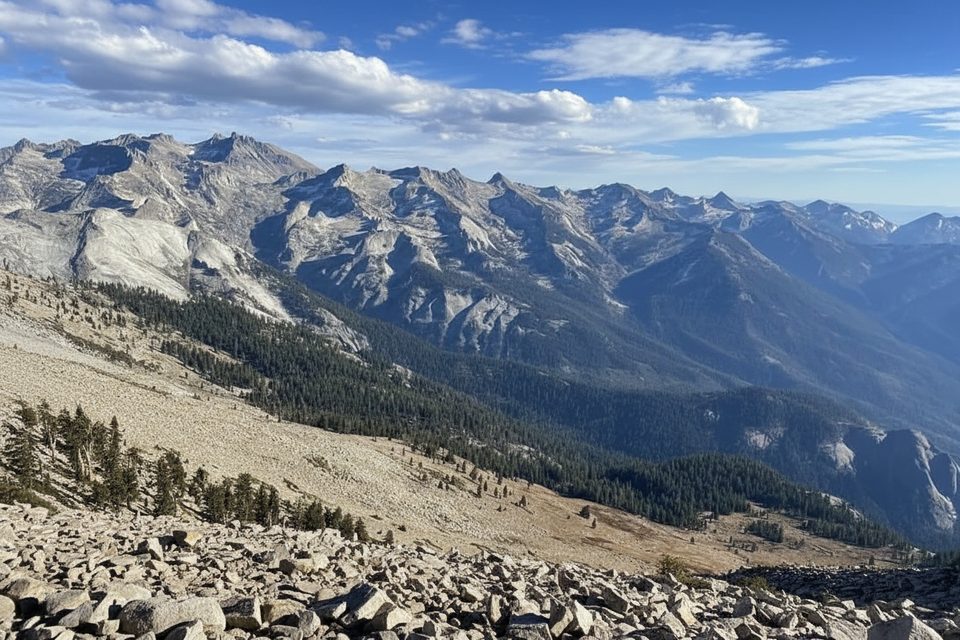
Challenging · 1.3 mi away

Parkwolf Tour Guide
