General Sherman Tree

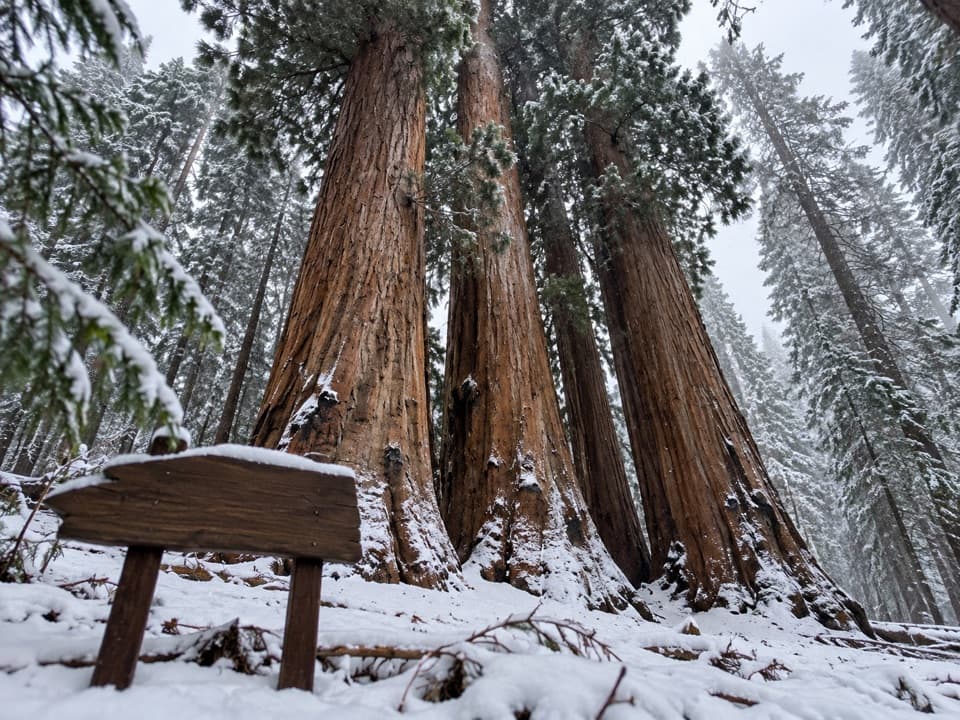
The world’s largest tree by volume, framed by a cathedral of sequoias
General Sherman Tree, Sequoia National Park
InsideSequoia National Park

Overview

This is the headline act of the Giant Forest—an ancient giant sequoia that holds the title of largest living tree on Earth by trunk volume. You don’t come here for solitude; you come to feel small. It’s awe in slow motion as the trunk rises and rises, ringed by a fence to protect its shallow roots.

What You’ll See (and why it’s famous)

  • A massive, single-stem giant sequoia roughly 275 feet tall with immense trunk volume and centuries of growth on display.
  • Interpretive signs along the approach explain how sequoias get so big, live so long, and why their roots are shallow and easily damaged—another reason the fencing (and staying on pavement) matters.

Getting There & The Walk

  • Main access is off Wolverton Road: a paved, half‑mile downhill to the tree with exhibits and some stairs. The walk back is uphill—pace yourself.
  • There’s also a short, paved path from the small lot along Generals Highway (served by seasonal park shuttles). A common hack in shuttle season: walk downhill to the tree, continue to the Generals Highway shuttle stop, and ride back to the main lot to skip the uphill.
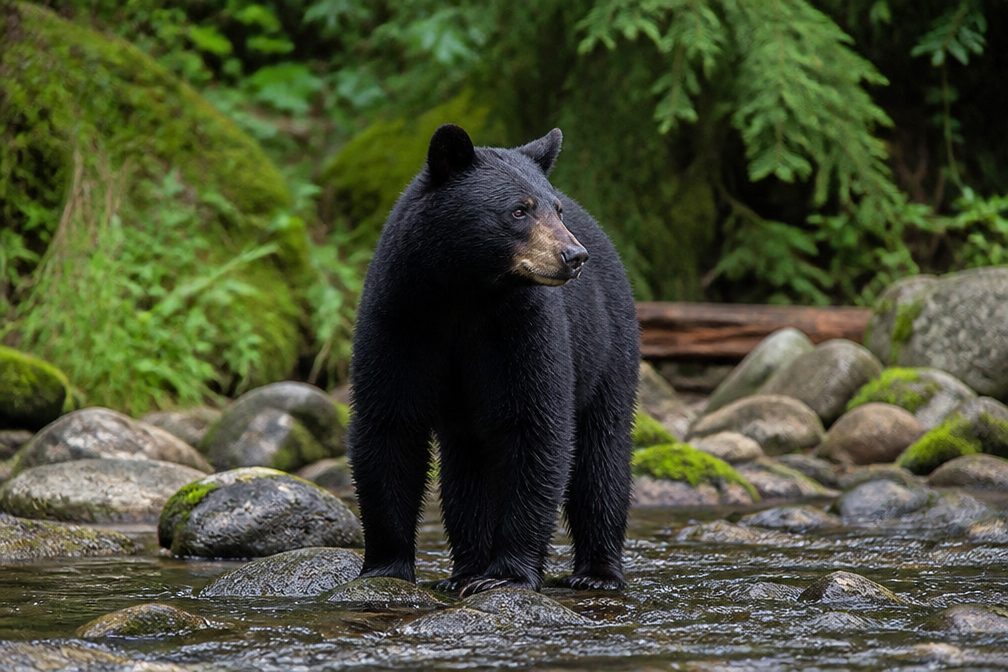
  • Facilities at the main lot include restrooms, water, trash, and food‑storage lockers (use them—bears are active in this area).

Crowds, Photos & Best Time to Visit

  • Expect peak crowds late morning through mid‑afternoon, especially Fridays and weekends when early afternoon sees the heaviest foot traffic. The line to pose at the “General Sherman” sign can stretch to 30 minutes at busy times.
  • Best bet: arrive early (sunrise to ~10 am) or late (after ~5 pm) for easier parking, softer light, and fewer people. Weekdays beat weekends; Monday–Thursday mornings are the calmest.
  • Photo tip: you don’t need the sign line—walk around the perimeter for cleaner trunk and canopy angles.

Seasonal Notes

  • Winter often brings snow and ice; traction devices are smart. When snow piles up, the main lot can close and the Generals Highway lot may be used by all. On some winter holiday weekends, shuttles run—check current service before you go.

Nearby Add‑Ons

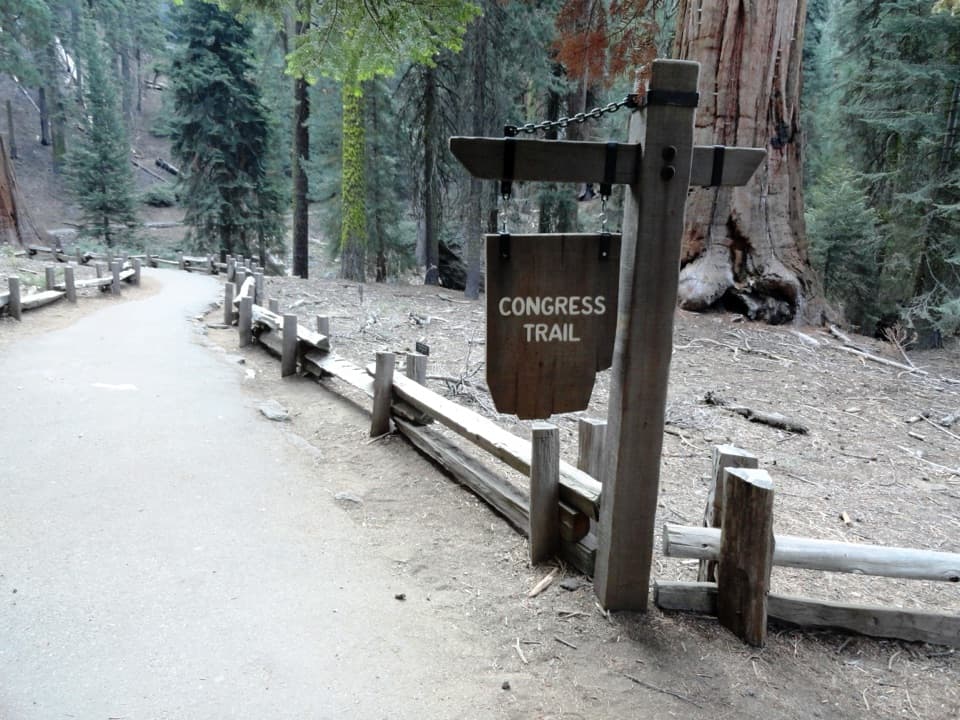
  • The Congress Trail begins near the Sherman area and loops past more massive sequoias—an easy way to turn a quick stop into a memorable walk without the crowds.

Wildlife

  • Keep an eye (and ear) out for Douglas squirrels (chickarees) working sequoia cones—fresh cone scales on the ground are a giveaway. Store any food and scented items properly; bears roam the groves.

Good to Know

  • Stay on the paved paths—sequoia roots spread wide and shallow.
  • The tree sometimes sheds large branches naturally; it’s part of how these giants endure.
  • During significant fires, protective wraps have been used around the base; the tree weathered recent fire seasons unharmed.

Pros

  • World’s largest living tree by volume
  • Paved, interpretive walk through a cathedral-like sequoia grove
  • Restrooms and water at the main parking area

Cons

  • Midday crowds and a photo line at the sign
  • Uphill return to parking can feel steep at elevation

Tips

  • Arrive at sunrise or after 5 pm to dodge the longest lines.
  • Park at Wolverton Road, walk downhill, then shuttle back to skip the uphill.
  • You don’t need the sign line—circle the fence for cleaner photo angles.
  • Bring water; the walk back is uphill and the elevation makes it feel tougher.
  • In winter, expect snow/ice and consider traction devices for the paved path.
The Parkwolf tour guide sitting on a phone mounted in a car

Parkwolf Tour Guide

Like a tour guide in your car.

Save the places you found around Sequoia, then let Parkwolf guide the drive between them.Download Parkwolf on the App Store