
Place · 0 mi away
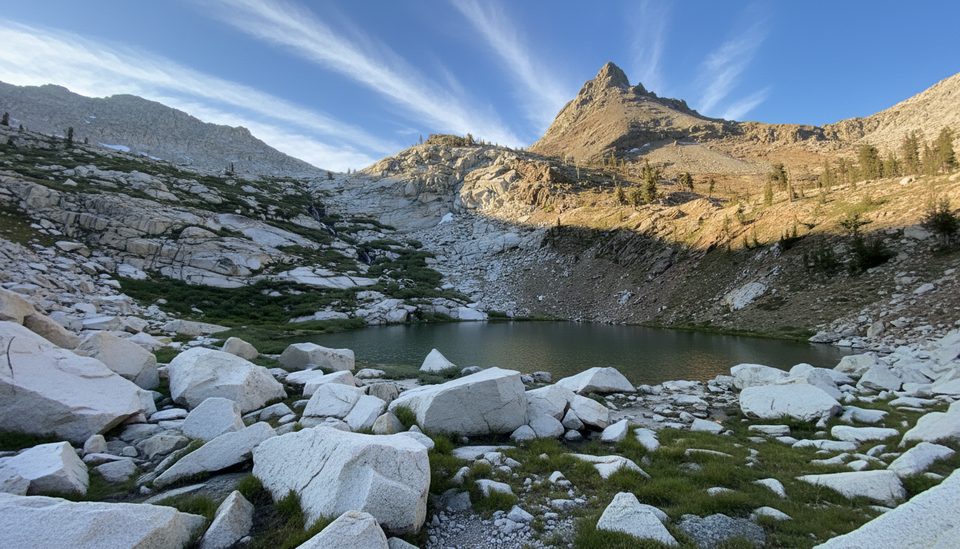
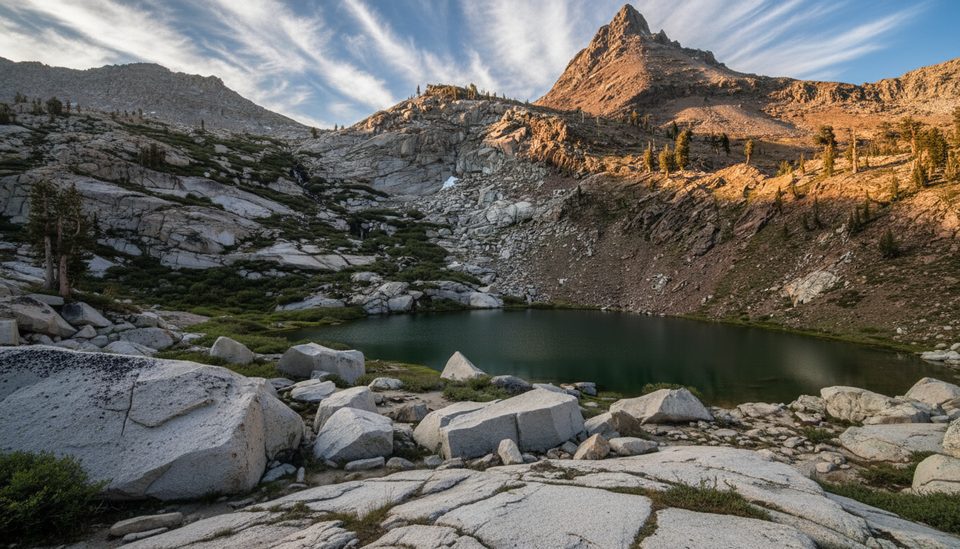
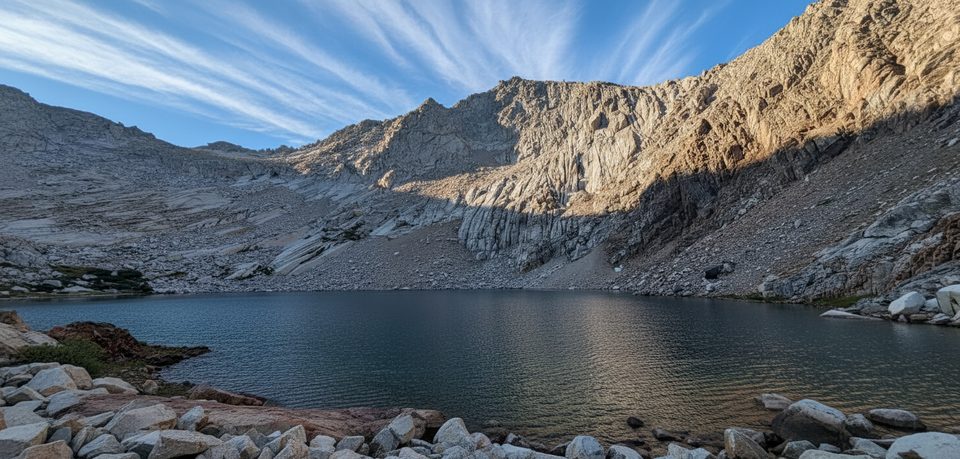
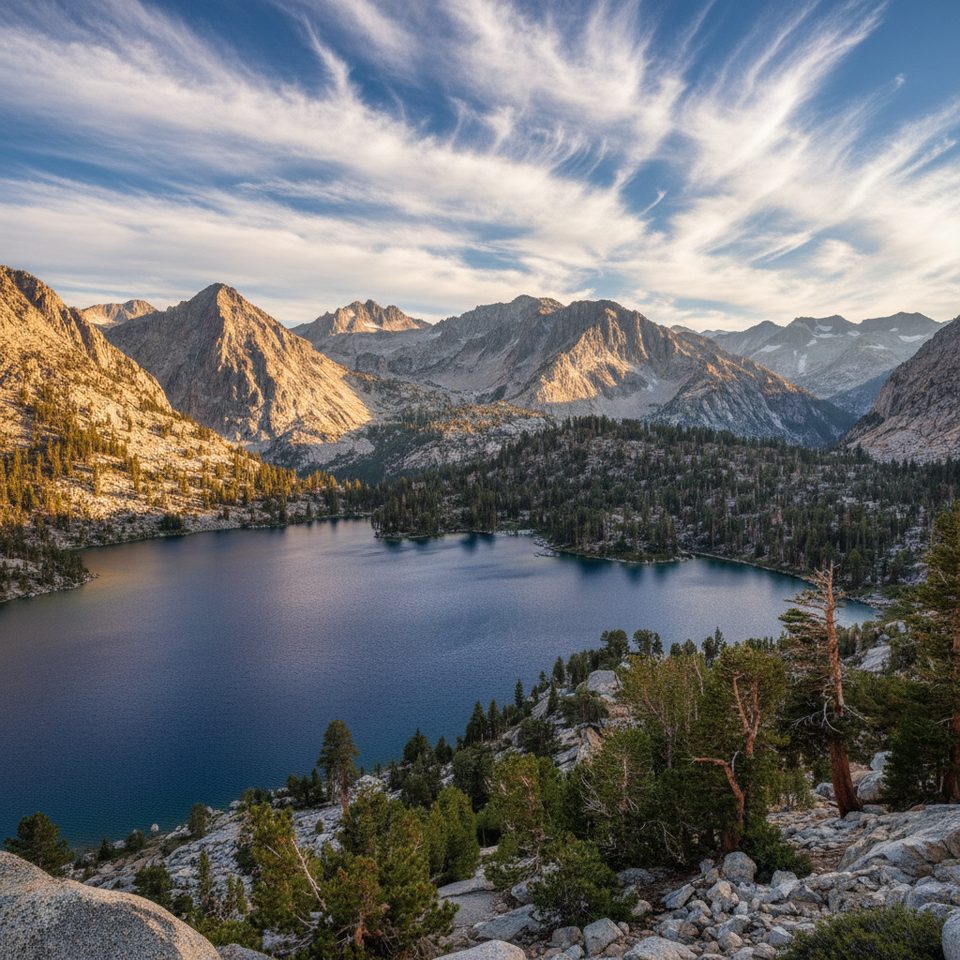
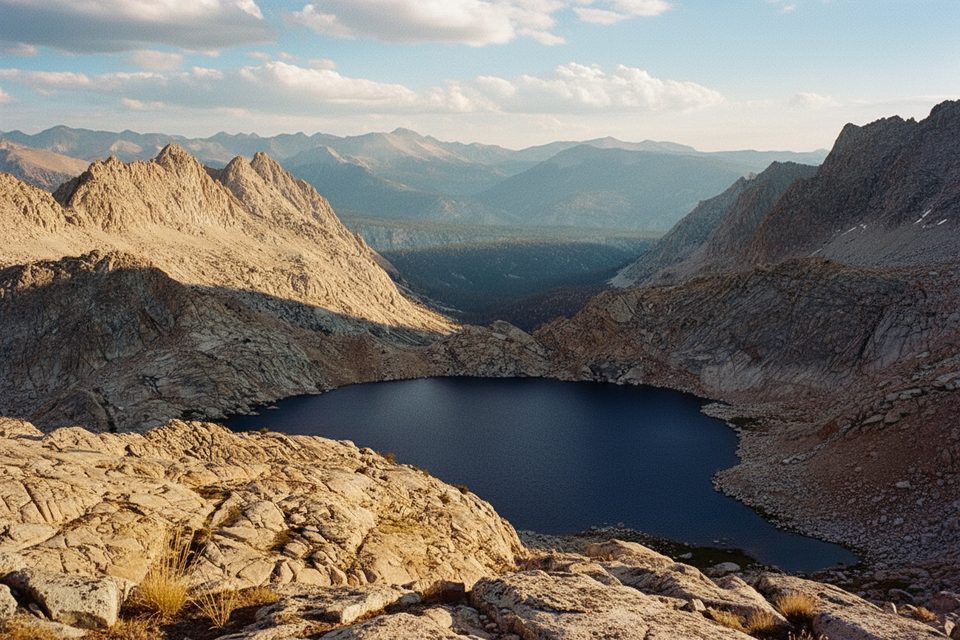
Upper Monarch Lake sits in a classic glacial cirque beneath the ramparts of Sawtooth Peak in the Mineral King corner of the park. It’s the higher and larger of the two Monarch Lakes and feels a touch more remote and quiet once you leave the crowds at the lower shoreline behind.
Plan on a stout day: about 9.7 miles round trip with roughly 2,867 feet of climbing from the Sawtooth/Monarch Lakes trailhead. The grade bites early with sunny, switchbacking climbs, then eases into traverses with big views toward Timber Gap, the Great Western Divide, and Sawtooth Pass. A short use path beyond the lower lake leads to Upper Monarch; footing gets rockier and a bit rougher as you climb higher.
Upper Monarch is tucked right against the headwall, with that dramatic granite-and-water combo Mineral King is known for. You’ll notice a small impoundment at the outlet. On calm days the reflections are excellent, and anglers report small brook trout in the Monarch Lakes.
Expect exposed sections on the ascent, loose gravel and sandy patches if you wander higher toward Sawtooth Pass, and strong mosquitoes in peak summer. Start early for cooler temps and some helpful morning shade on parts of the climb. Trekking poles are a smart call. Water is available from multiple flowing sources en route and at the lakes—carry a filter and you can get by with a lighter bottle.
Facilities are by Lower Monarch Lake: a wilderness pit toilet and at least one bear food-storage locker. Reliability of lockers isn’t guaranteed, so bring a bear canister if you’re camping. Overnight wilderness permits are required for backpacking. Stock use is not permitted on this trail.
The Mineral King Road is narrow, winding, and slow with one-lane sections—budget extra drive time. Marmots are notorious here for chewing hoses and tires, so many hikers tarp their undercarriage at the trailhead. Bathrooms and bear boxes are available at/near trailheads in the valley.
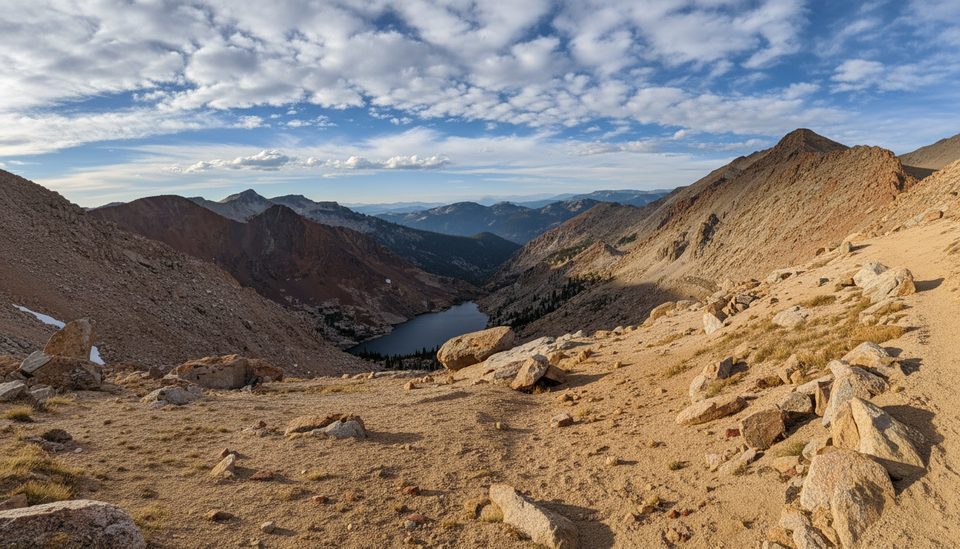
This basin showcases the Sierra Nevada’s granitic backbone: glacially carved bowls, polished slabs, and serrated ridgelines of the Great Western Divide. Wildlife is active—think black bears in the backcountry, marmots near parking areas, and plenty of high-country birdlife—so store food properly and keep a clean camp.
Late June through September is typical, with lingering early-season snow possible near the lakes. Aim for an alpine start to beat heat and afternoon storms, and to snag easier parking on busy weekends. For photos, early and late light are best; mornings often bring calmer water for reflections.
Place · 0 mi away
Place · 0 mi away
Place · 0.5 mi away
Place · 0.6 mi away
Challenging · 1.8 mi away
Challenging · 1.8 mi away
Challenging · 1.8 mi away
Challenging · 1.9 mi away

Parkwolf Tour Guide
