
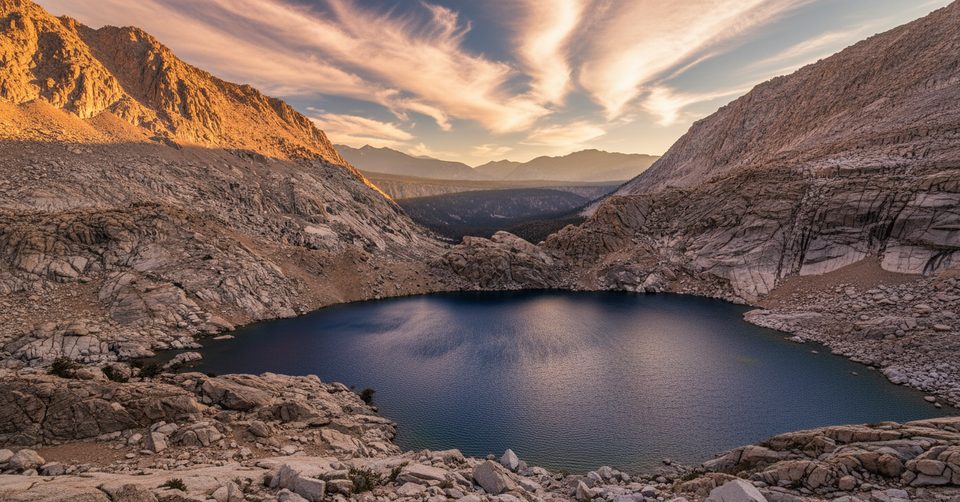
Place · 0.5 mi away
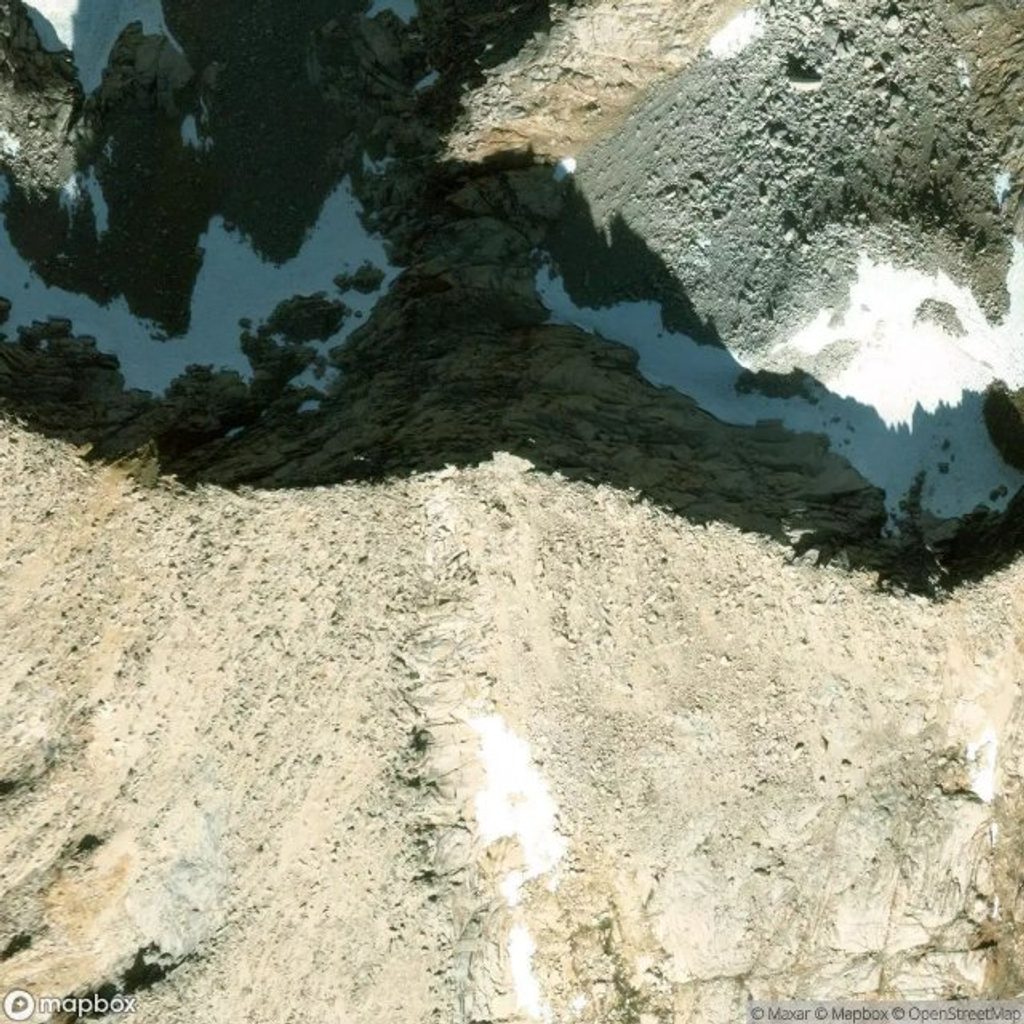
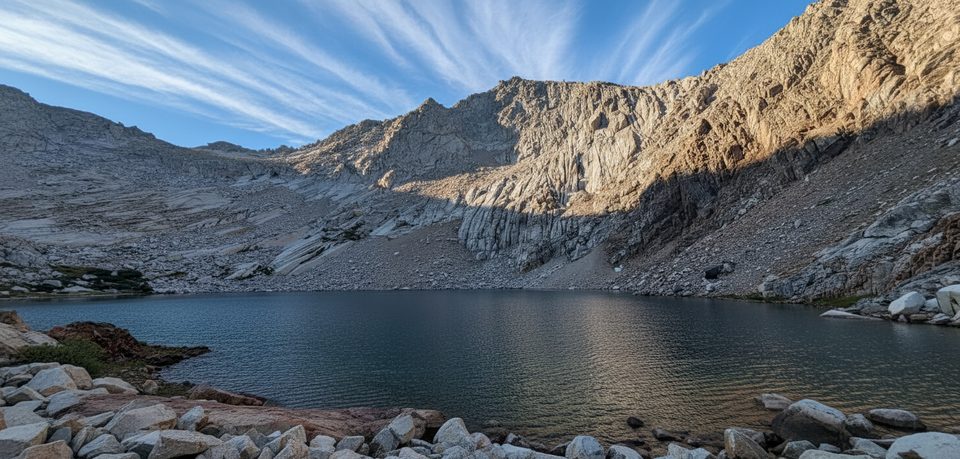
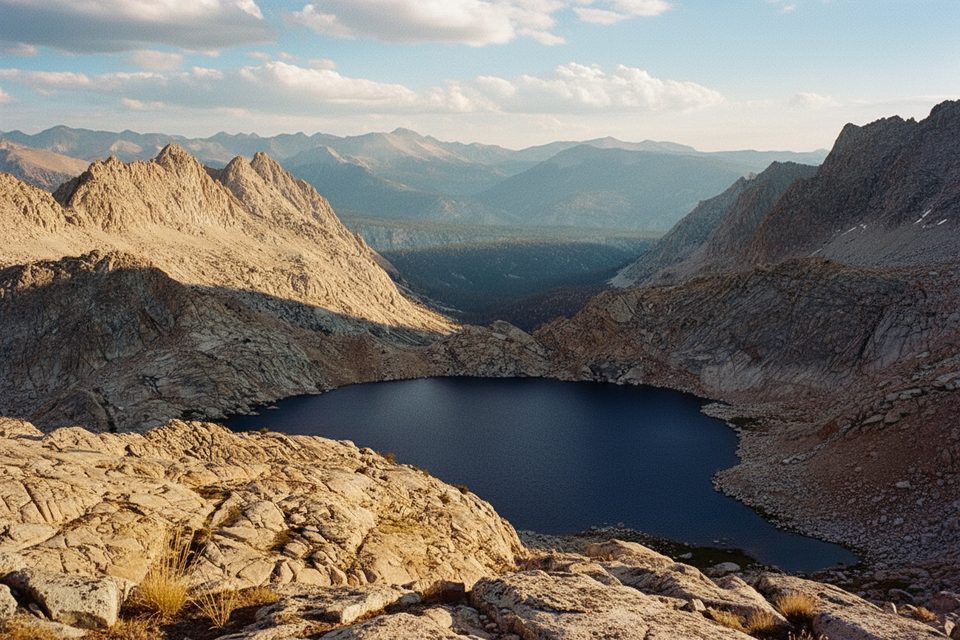
Sawtooth Peak crowns the Mineral King skyline on the Great Western Divide, topping out around 12,343 feet. It’s a strenuous, rewarding objective with big alpine scenery—cirques, bright-blue lakes, and serrated granite ridges. The first recorded ascent dates to 1871 by Joseph Lovelace during a deer hunt.
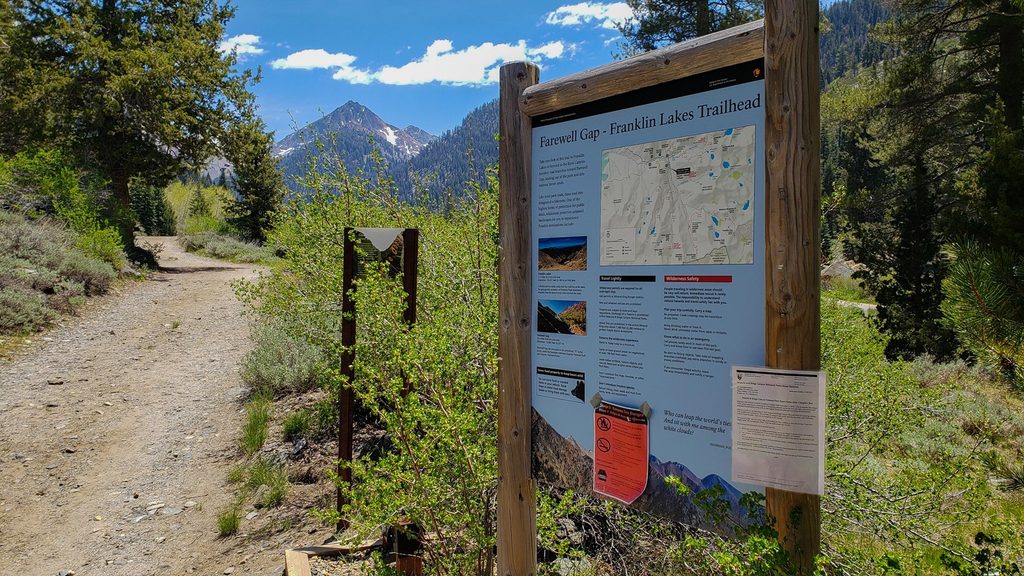
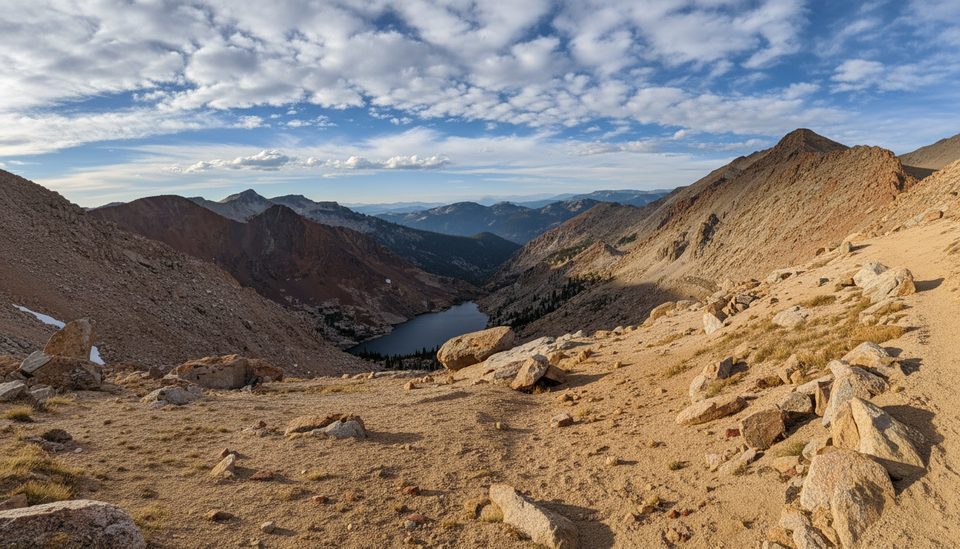
Most hikers start at the Sawtooth/Timber Gap trail area in Mineral King and climb to Monarch Lakes (about 4.2 miles one way). Beyond the lakes, the path grows rough and effectively unmaintained, with steep, loose granitic sand up to Sawtooth Pass. From the pass, the peak is a class 2, off-trail scramble on the northwest slope/ridge to the summit—no formal trail, so expect route-finding.
Published distances vary based on whether you tag the pass or the summit and whether you mix in variations to Columbine Lake, but plan on roughly 10–12+ miles round trip and 4,600–4,800 feet of climbing. The final slopes are the crux: sandy, loose, and calf-burning.
Late spring through early fall is the typical window. Early season can bring snow and ice near the pass; traction and an ice axe may be prudent then. You’ll be at high elevation—pace, hydrate, and watch for altitude effects. Trekking poles are very helpful in the loose sand; many hikers also appreciate a helmet for the summit blocks. Expect mosquitoes in mid-summer.
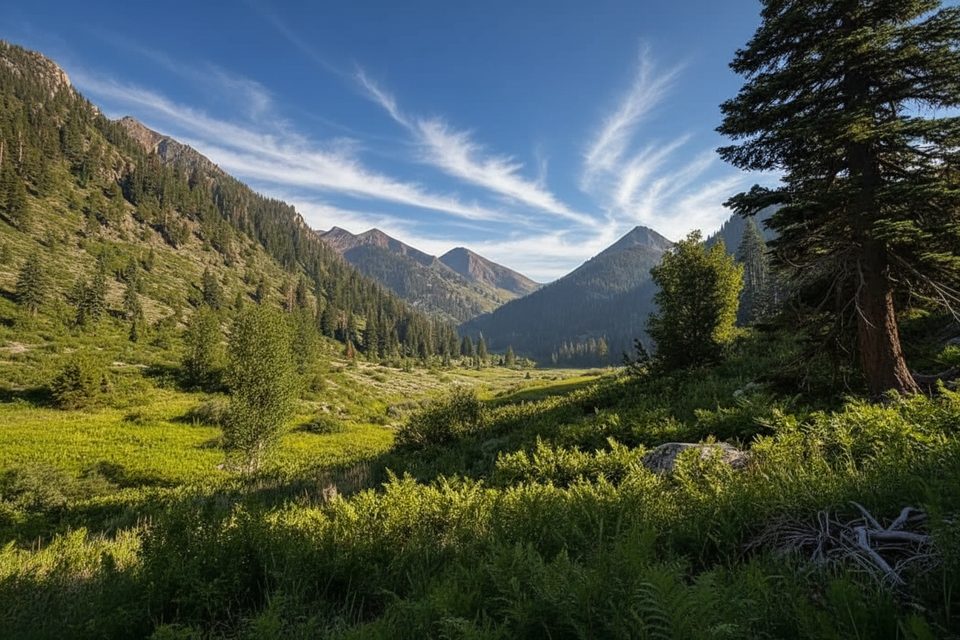
From Monarch and Columbine Lakes to the wide-openness of Sawtooth Pass and the airy summit ridge, this is Mineral King’s quintessential big day. On clear days you can scan the Great Western Divide, with far horizons that include the Kaweah and even the Whitney group.
Aim for a stable weather window between late spring and early fall. Start at (or before) dawn to secure parking, avoid afternoon heat, and give yourself plenty of time for the loose, slow-going terrain above Monarch Lakes. Weekdays are quieter; weekends and holidays see heavier trailhead use.
Black bears, mule deer, and very habituated marmots are common around Mineral King. Store all food and scented items in bear boxes, give wildlife space, and keep a clean camp if you’re staying overnight.
Place · 0.5 mi away
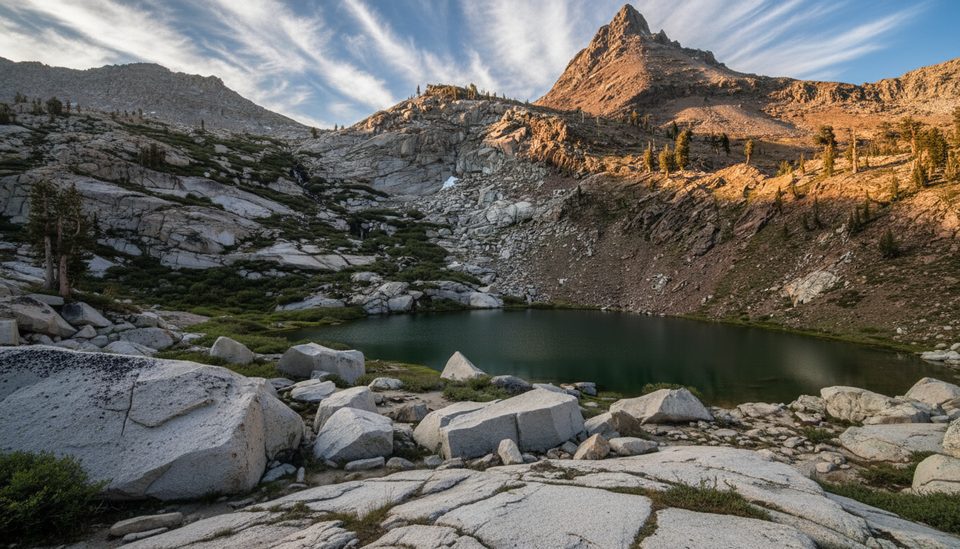
Place · 0.5 mi away
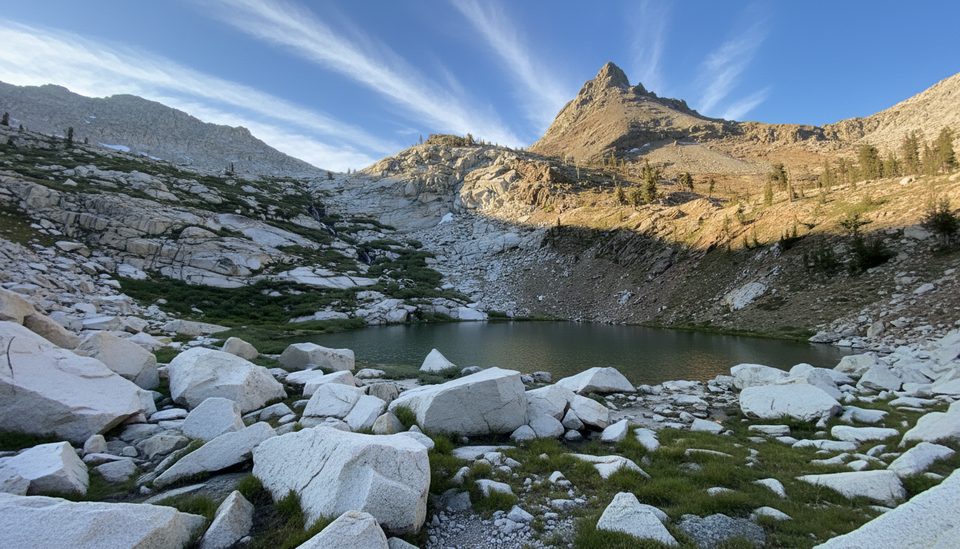
Place · 0.5 mi away
Place · 0.5 mi away
Challenging · 2.2 mi away
Challenging · 2.2 mi away
Challenging · 2.3 mi away
Challenging · 2.3 mi away

Parkwolf Tour Guide
