Challenging

Franklin Lakes Trail

Steady Mineral King climb to alpine lakes beneath the Great Western Divide
Franklin Lakes Trail, Sequoia National Park
Distance12 mi
Typical time6.5 hr
DifficultyChallenging
PetsNot allowed

Overview

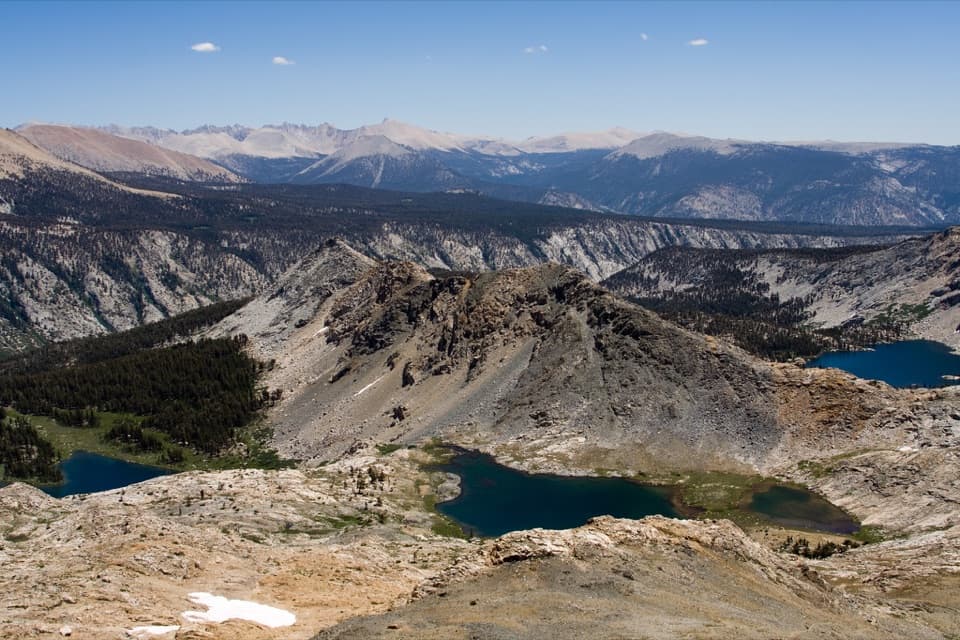
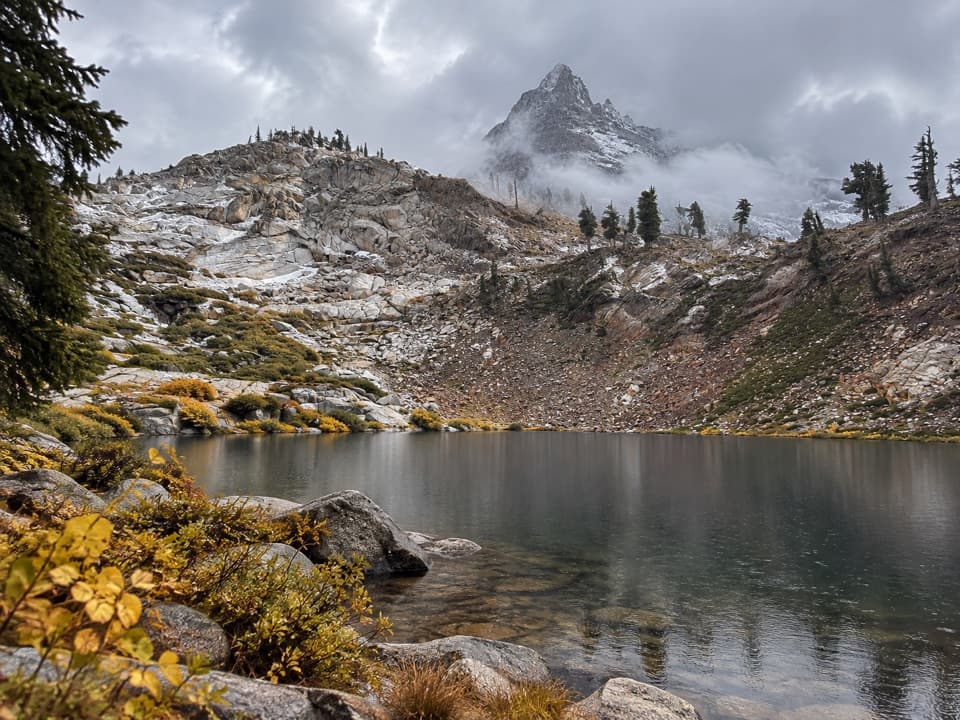
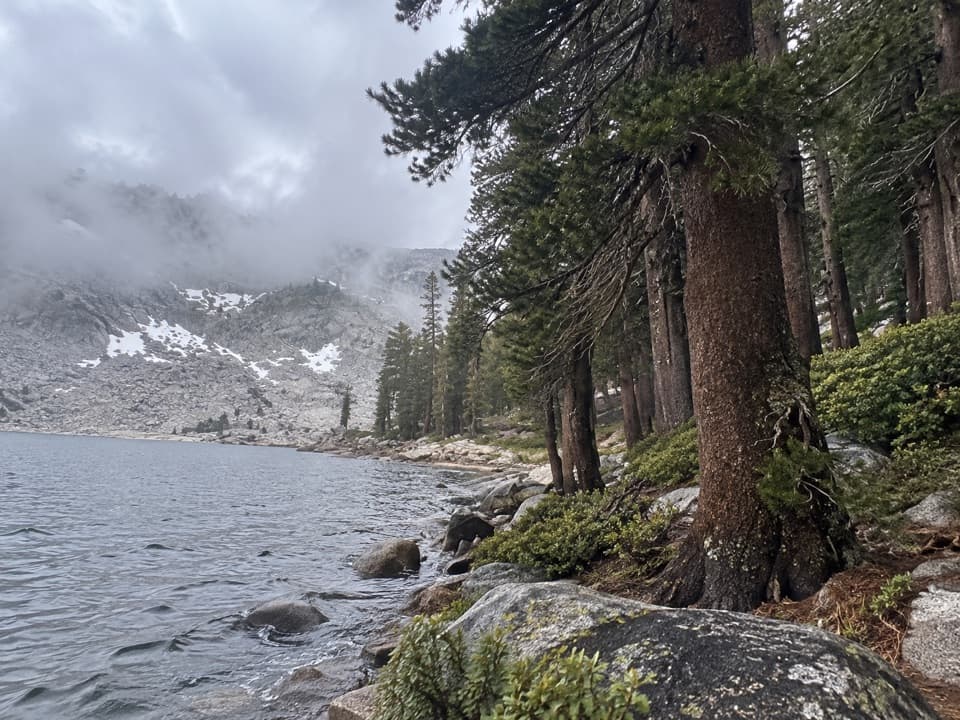
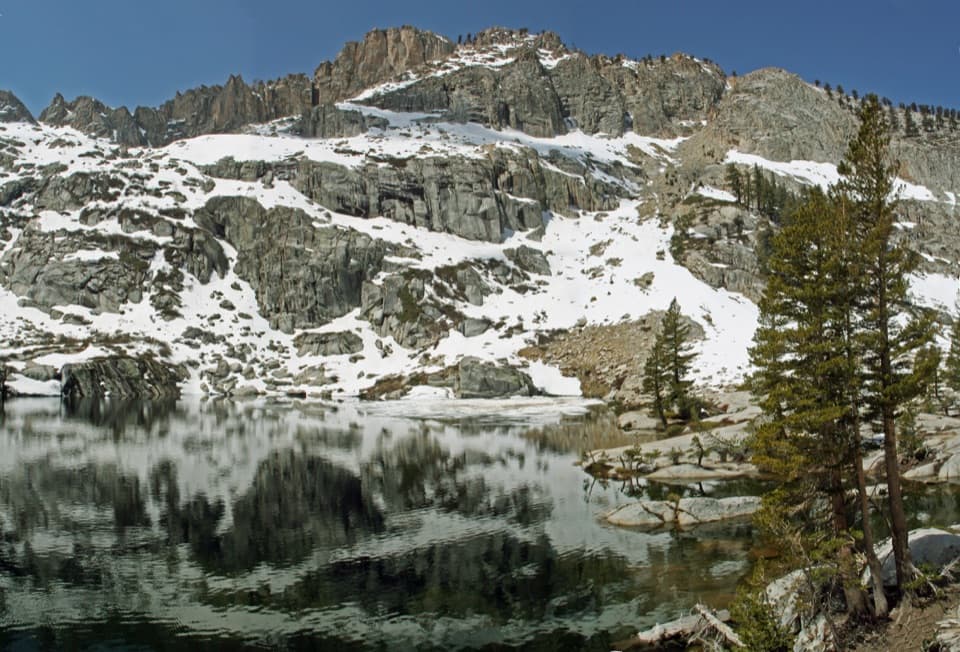
Franklin Lakes is a classic Mineral King objective: a sustained, view-filled climb to turquoise-clear alpine basins tucked beneath the Great Western Divide. The hike is roughly 12 miles total (out-and-back) with about 2,700 feet of gain, topping out around the lakes near 10,400–10,500 feet. Expect a real workout, big Sierra scenery, and a satisfying destination that’s great as an ambitious day hike or a first-night backpacking camp.

Route and Highlights

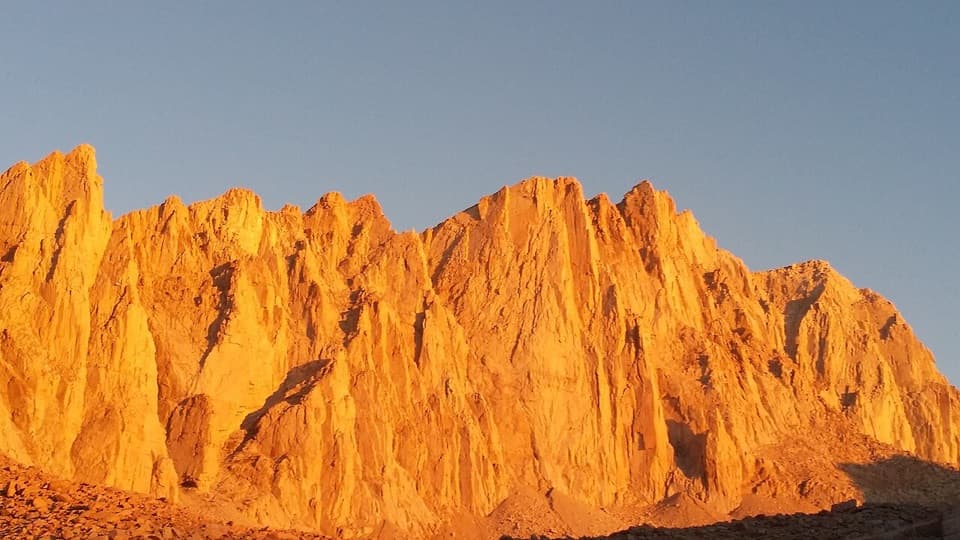
Start near the Mineral King Pack Station and follow the Farewell Gap–Franklin Lakes Trail. The path climbs steadily via long switchbacks above the East Fork Kaweah River, then into the Franklin Creek drainage. Along the way you’ll pass seasonal waterfalls and traverse slopes painted with striking red, brown, and orange metamorphic rock—reminders of the area’s mining past. Near treeline, the forest thins to meadows and open granite, delivering broad valley views before the trail pops into the hanging basin at Lower Franklin Lake. There’s a small historical concrete dam at the outlet. If you’ve got extra gas, continuing beyond the lakes to Franklin Pass adds big Divide views, but it’s a steep bonus and not necessary for a great day.

Difficulty and Who It’s For

The grade is consistent and the altitude is noticeable, so this lands in the moderate–strenuous category. Fit hikers typically spend 6–7 hours round trip, more with long lake breaks or photo stops. Expect some rocky/narrow sections and seasonal stream crossings. If you’re acclimated and enjoy steady climbs to photogenic lakes, you’ll love it. If big elevation gain at altitude isn’t your thing, consider saving it for when you’re better acclimated—or plan it as an overnight to spread out the effort.

Season and Best Time to Hike

Mineral King is a late spring–early fall destination; winter conditions close the road. Early summer brings lively waterfalls and wildflowers; by October, aspens in the area show off fall color. Start early for cooler temps, steadier pacing on the climb, and calmer lake reflections. Afternoon thunderstorms are possible at high elevation—keep an eye on the sky.

Camping and Permits

Designated campsites near Franklin Lakes make this a popular first-night stop for backpackers continuing over Franklin Pass to longer itineraries. Bear-proof food storage boxes are provided near the lakes. No permit is needed for day hikes. Wilderness permits are required for overnights; secure yours in advance during the quota season.

Wildlife and Safety

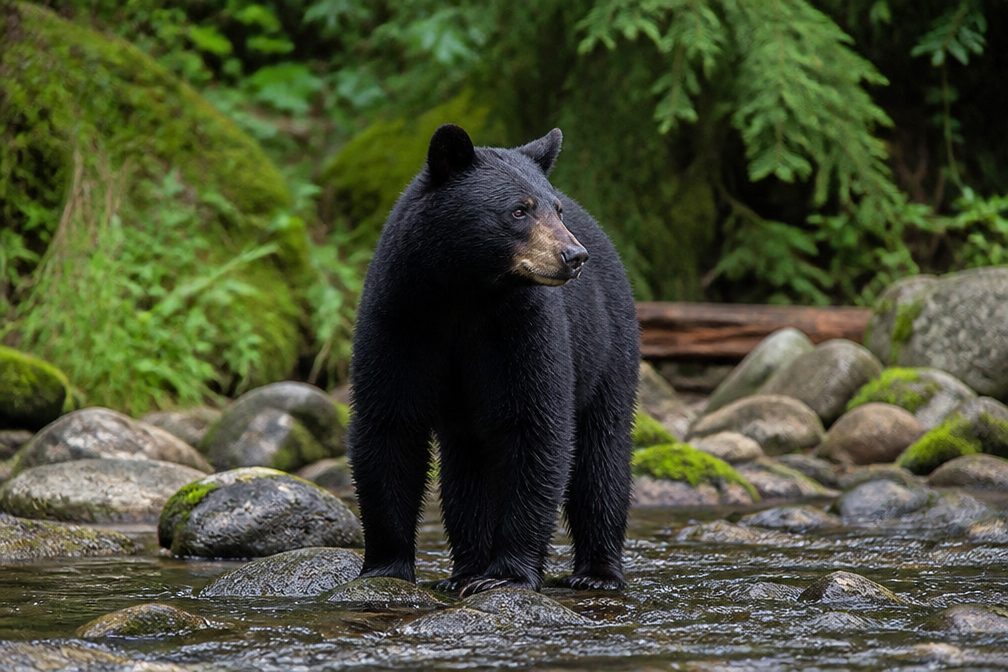
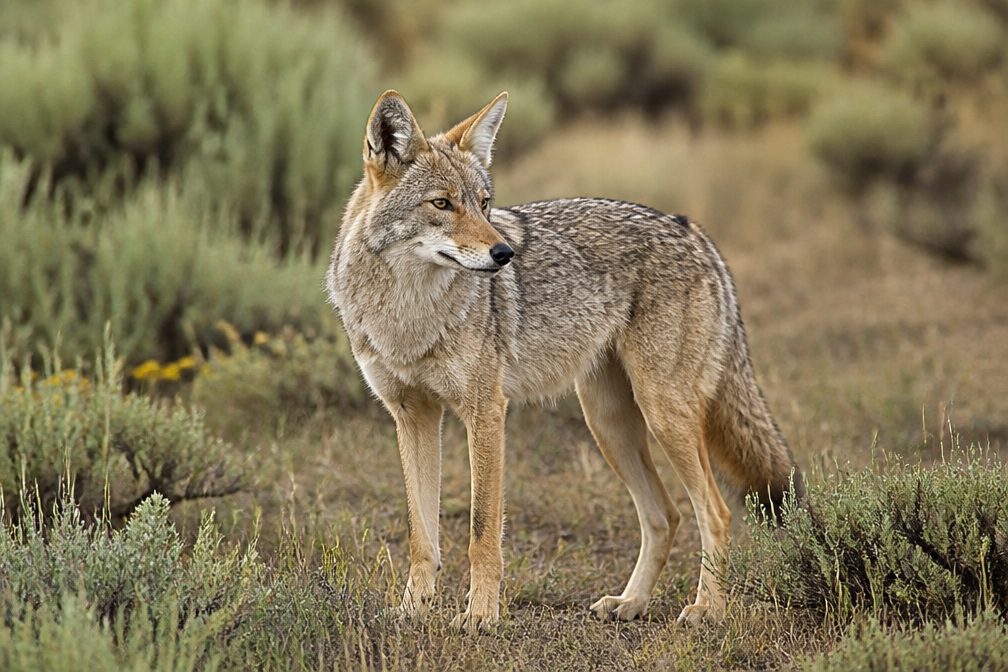
You’re in bear country—store all food properly. Marmots are notorious in Mineral King and have been known to chew car hoses and wires; many visitors take precautions to protect vehicles at the trailhead. The trail’s altitude, sustained gain, and switchbacks are the main challenges; trekking poles help on both the climb and the descent.

Alternatives and Extensions

Strong backpackers often link Franklin Lakes with longer routes like the Big Five/Little Five Lakes via Timber Gap, or loop to Columbine and Monarch Lakes via Sawtooth Pass. For day hikers, simply reaching Lower Franklin Lake is the prize—going a bit farther along the shore or toward Franklin Pass ramps up the views without committing to a full pass crossing.

Pros

  • Bear boxes at lakeside camps make overnights simpler and safer
  • Easy extension toward Franklin Pass for huge Great Western Divide views
  • Striking multicolored metamorphic rock adds unique geology all along the climb

Cons

  • Marmots can damage parked cars; vehicle protection is a real consideration
  • Sustained 2,700 ft climb with altitude and seasonal stream crossings
  • Mineral King Road closes in winter, narrowing the hiking window

Parking

Park at the White Chief or Sawtooth trailhead lots in Mineral King, then walk a short distance down Mineral King Corrals Road to the Pack Station to start the trail.

Caution

High-elevation, sustained climb with seasonal stream crossings; afternoon storms possible. Marmots are known to chew vehicle hoses/wires—take protective measures at the trailhead. Check seasonal road access and current trail conditions; wilderness permit required for overnights.

The Parkwolf tour guide sitting on a phone mounted in a car

Parkwolf Tour Guide

Like a tour guide in your car.

Bring Sequoia trail research into the car, with offline maps and stories that play as you drive.Download Parkwolf on the App Store