
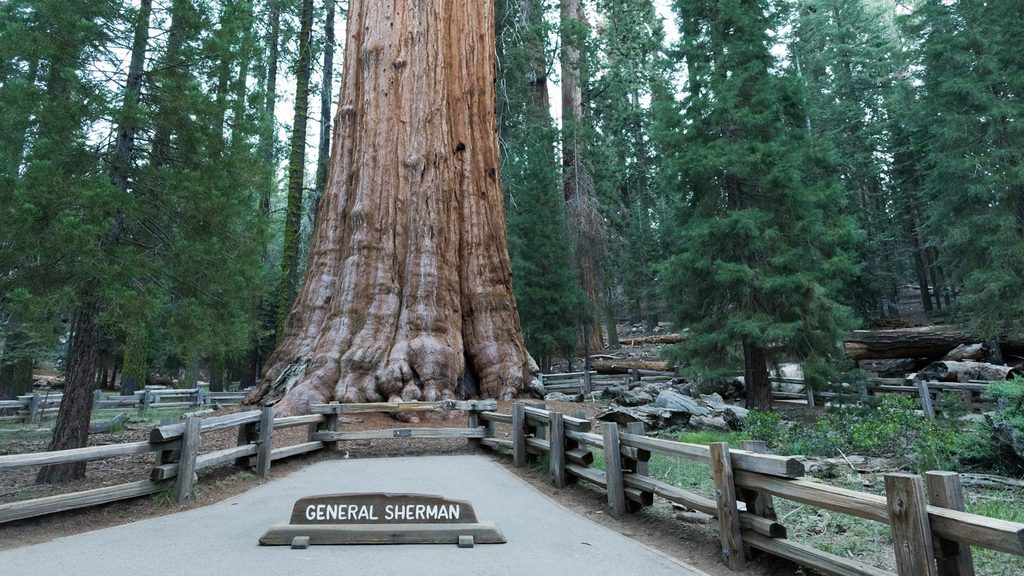
Place
Challenging
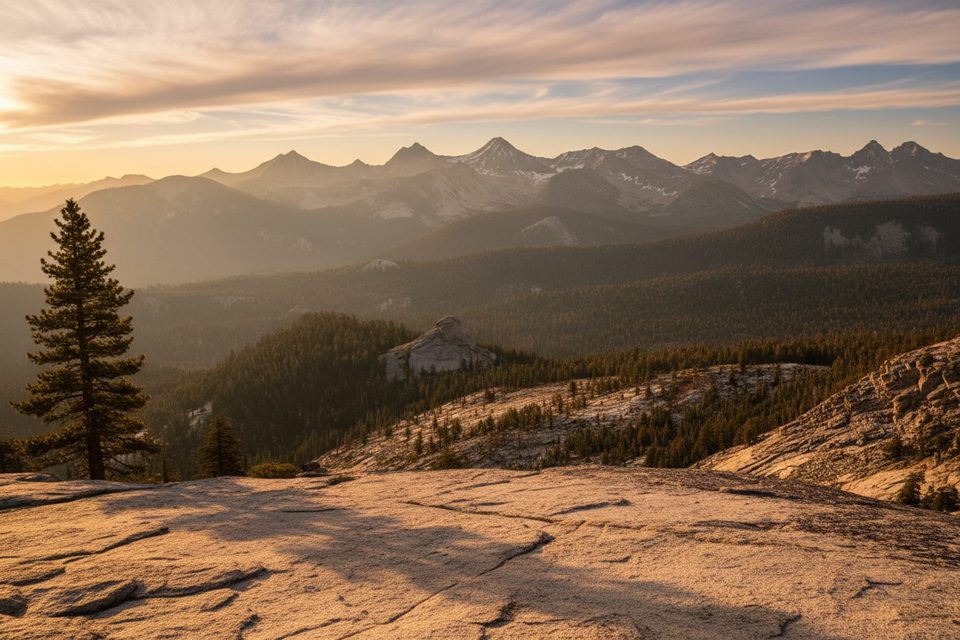
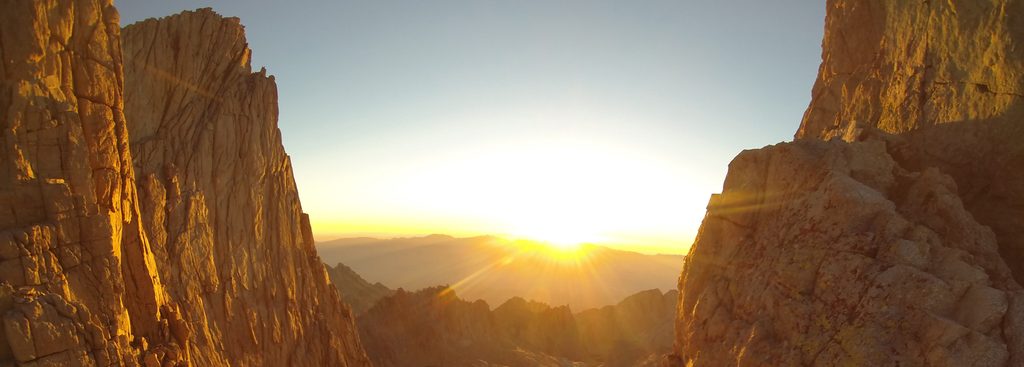
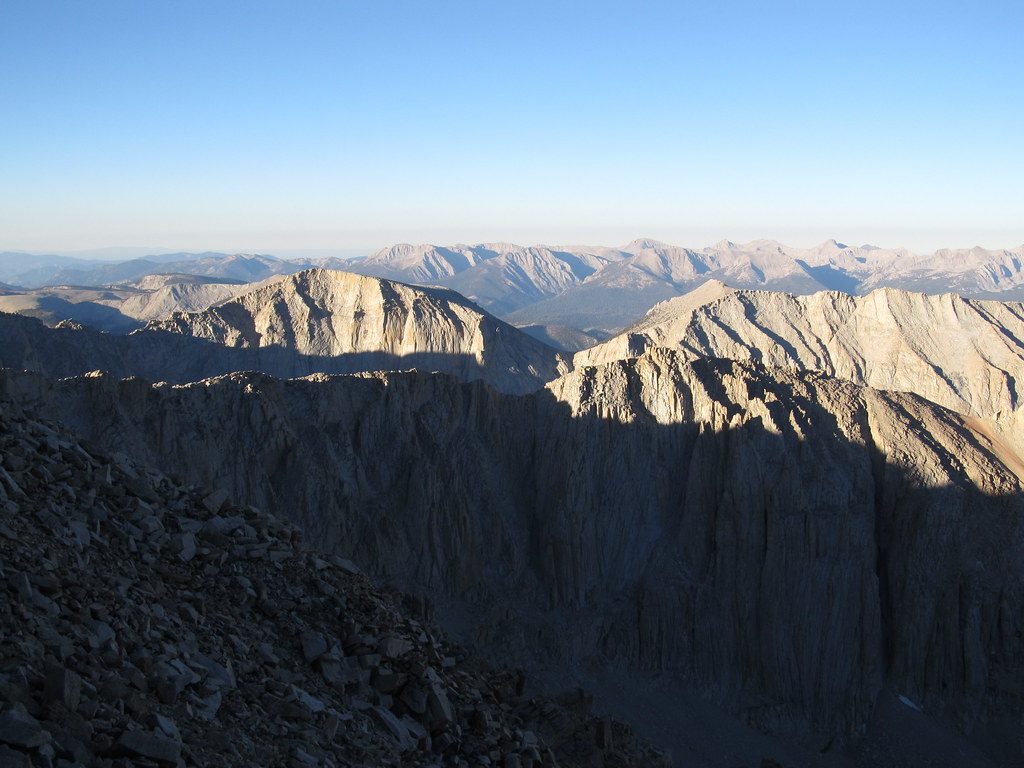
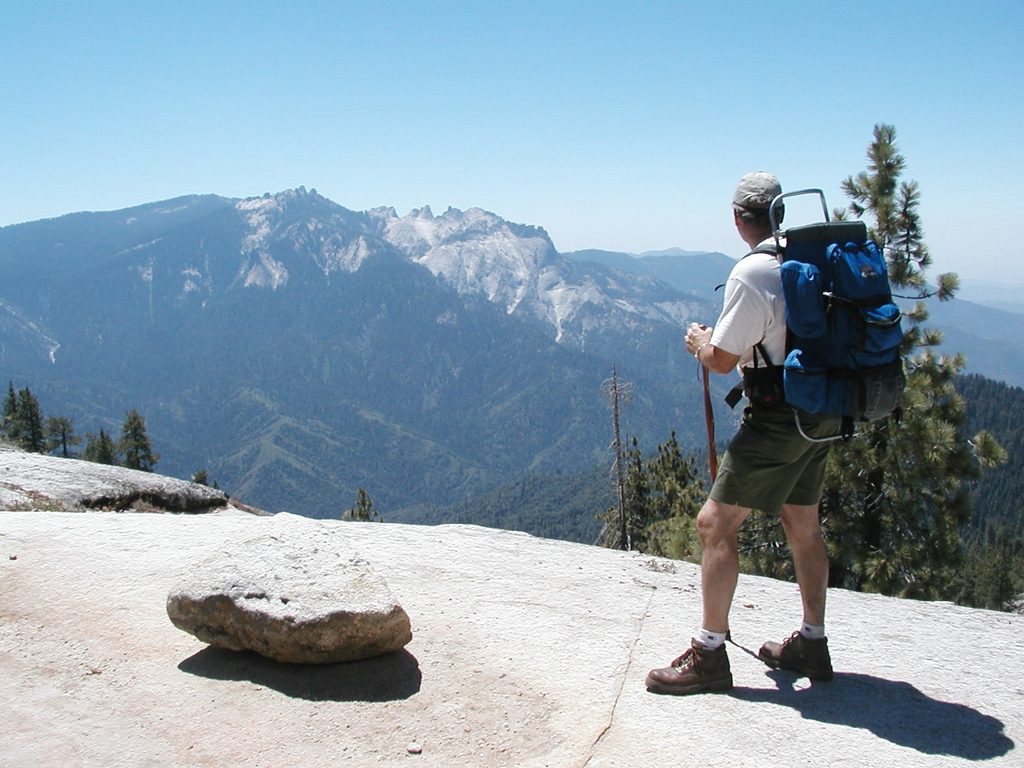
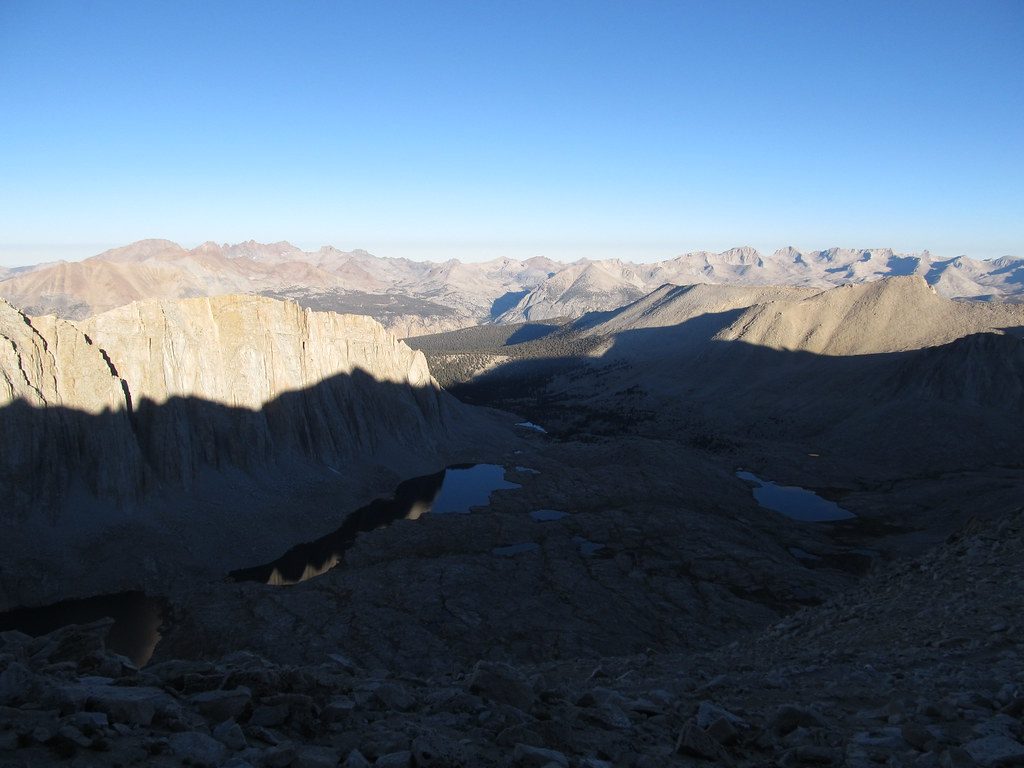
JO Pass Trail is a cross-boundary connector linking Sequoia National Park to the Jennie Lakes Wilderness in Sequoia National Forest. It’s a natural-surface singletrack with classic High Sierra flavor—granite underfoot, airy meadows, and a ridge-top pass with broad views toward the park’s high country.
Plan on roughly 5.6 miles point-to-point for the JO Pass segment, traveling between the Twin Lakes Trail junction near Clover Creek (inside the park) and the Rowell/Big Meadow side in the forest. Expect a sustained climb that includes a notably steep, sandy 600-foot grunt in about 0.8 miles, then gentler grades through open forest to the pass. Elevations generally range from about 8,700 to 9,500 feet, so you’ll feel the altitude. Most hikers weave this trail into a popular Jennie Lake → JO Pass → Weaver Lake traverse or a longer loop from Big Meadow.
The character shifts as you go: open grasses give way to pines, occasional boulders, and a sandy hillside that rewards you with views toward stepped ridges below Mount Silliman. Just below the pass, Patee Meadow offers a reliable trickle—handy for refilling. On the descent toward Weaver Lake, the trail can turn brushy with manzanita and runs more exposed to sun and summer thunderheads. Wildlife-wise, marmots frequent the high country, and black bears are known in the Weaver Lake area. Anglers and observers will notice trout activity at the area lakes if you add those side trips.
Aim for mid/late summer into early fall, after lingering early-season snow patches melt out near the passes. Early starts are smart for beating afternoon clouds and managing the exposed, brushier stretches. Expect company around Jennie and Weaver Lakes in peak season; the pass corridor itself sees fewer folks than the lakes.
If you’ll overnight on the park side, a wilderness permit is required; if you stay entirely within the Jennie Lakes Wilderness, no wilderness permit is needed. A campfire permit is required for campfires/stoves on the forest side. Pet rules change at the boundary—dogs are allowed on the forest trails, but different rules apply inside the park, so verify before bringing a dog across the pass.
Junctions are generally signed, but missing signs have been reported—carry a map or GPS and don’t rely solely on placards. Expect occasional washouts or downed trees; check with the Hume Lake Ranger District for current conditions. The sandy, steep section to the pass demands steady footing, and altitude can make the climbs feel bigger—pace accordingly. Water is reliable at Patee Meadow just below the pass, but don’t count on every creek late in the season.
Best access is from Big Meadow Trailhead (Rowell/Big Meadow side) in the national forest; on the park side, the JO Pass junction is reached via the Twin Lakes Trail near Clover Creek (no parking at the junction itself).
Sign theft and storm/flood damage mean junctions and tread can be tricky; early-season snow lingers, and a steep sandy climb requires sure footing. Check conditions before you go.
Place
Place
Place
Place
Challenging
Challenging
Challenging
Easy

Parkwolf Tour Guide
