
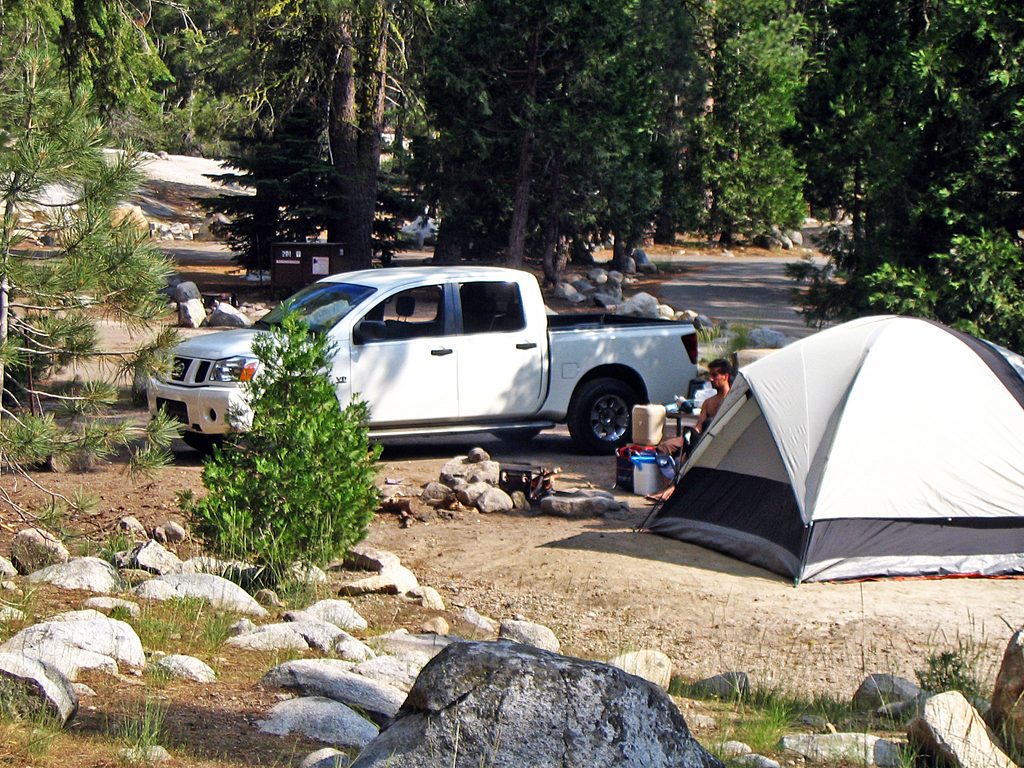
Place · 0.2 mi away
Moderate
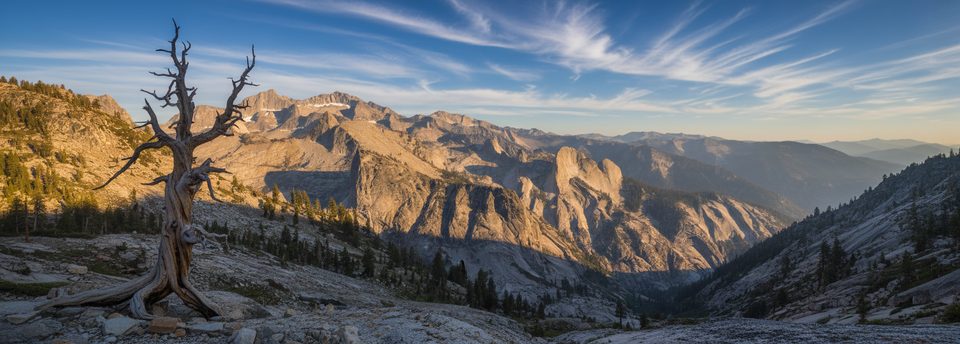
Starting from Lodgepole’s Twin Lakes Trailhead (signed as Silliman Pass South), this corridor is a sustained climb through forest toward high country lakes and granite. The lower signed segment covers about 4.9 miles one way with roughly 1,900 feet of gain, starting near 6,800 feet and topping out around 8,400 feet before the route transitions toward use trails and off‑trail options. Expect a steady grade with a few short, steeper pitches.
Early on, the forest opens to glimpses of glacier‑carved terrain and, if you branch that way, the Silliman Lake basin—a worthy detour for a quick overnight or sunset stop. Higher up, the country trends toward slabs, meadows, and tarns above treeline with long views from divides. If you continue beyond maintained tread, features like Silliman Saddle, Tableland, and the Kings–Kaweah Divide deliver big, airy walking when conditions allow.
On maintained tread the hike is a straightforward but sustained climb. Beyond the first couple of miles, sections may shift to use trails and cross‑country travel—expect route‑finding, slab walking, and occasional hand‑use scrambling near steeper passes. Snow can linger into mid‑summer on higher passes (notably around Elizabeth Pass on longer loops), and wind exposure above treeline is common. Marshy meadows may appear in places like Cloud Canyon later in the season.
Late June through September is typical, but your objective matters. The lower segment and lake detours come into shape earlier; high passes and off‑trail traverses are safest later in summer once snow recedes. Start early for cooler temps and calmer winds; afternoon light is excellent around Silliman Lake and the high tarns. Summer weekends around Lodgepole are busy—weekday starts and using the park shuttle when running can ease parking stress.
Park at Lodgepole’s Twin Lakes Trailhead. Long‑term parking is available and bear boxes are provided at the Lodgepole lot. In peak summer, a free park shuttle can help with Lodgepole logistics—check seasonal schedules.
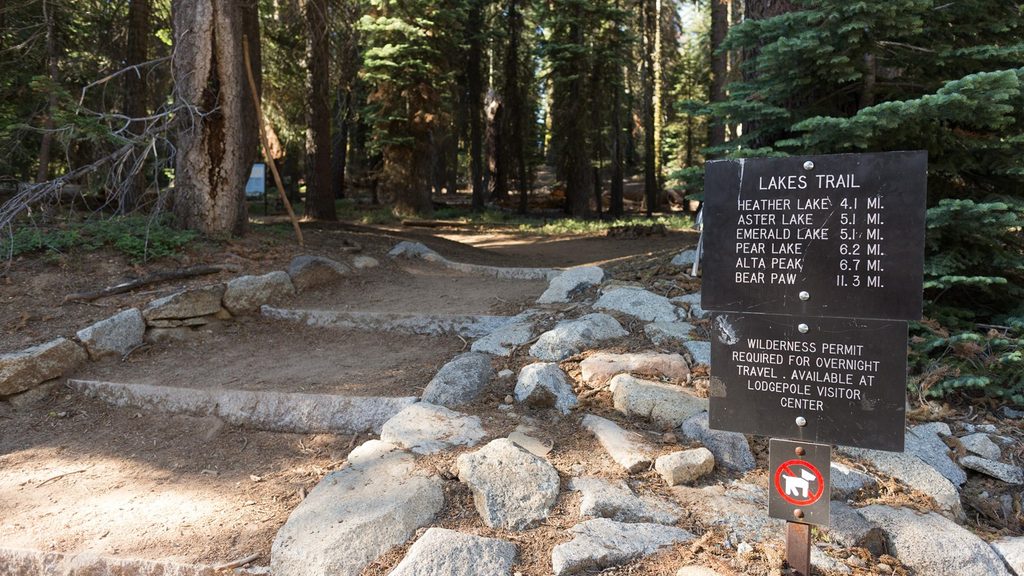
Beyond the first couple miles, expect use trails and off‑trail navigation; steep slabs near passes may require hands. Snow can linger into mid‑summer on higher terrain, winds are stronger above treeline, meadows can be marshy, and dogs are not allowed on park trails. Wilderness permits required for overnights and proper bear‑resistant food storage is mandatory.
Place · 0.2 mi away
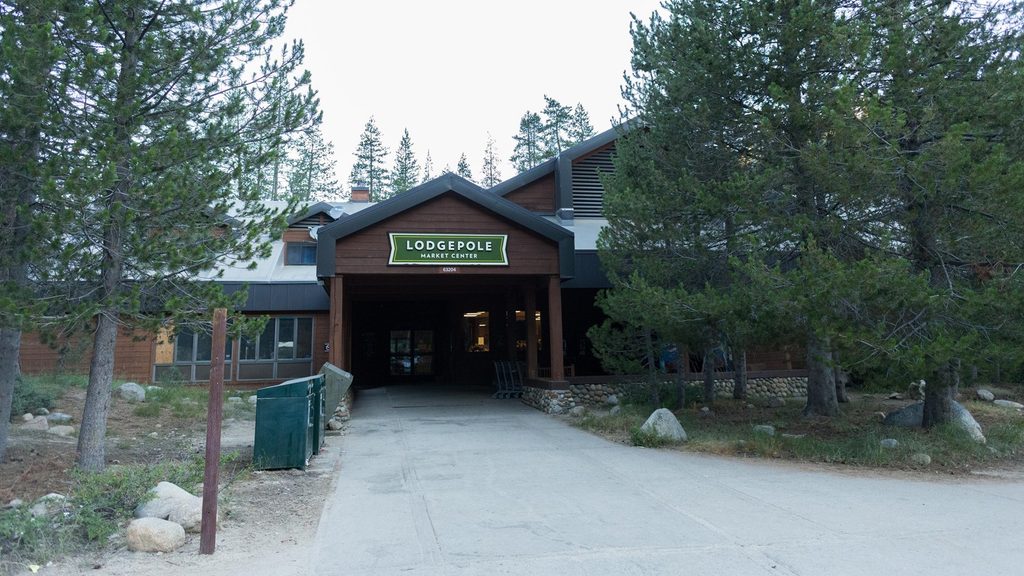
Place · 0.5 mi away
Place · 0.5 mi away
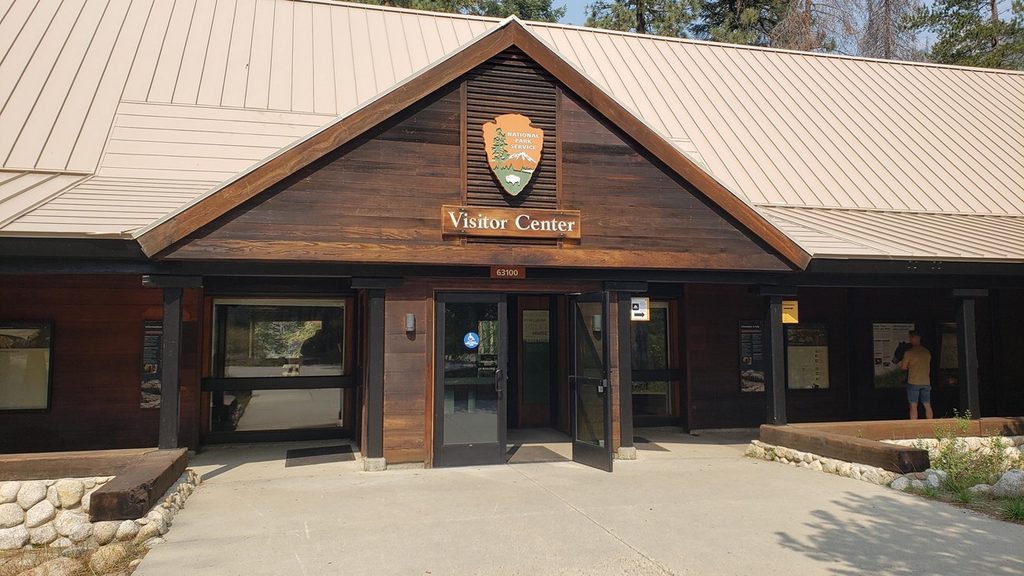
Place · 0.5 mi away
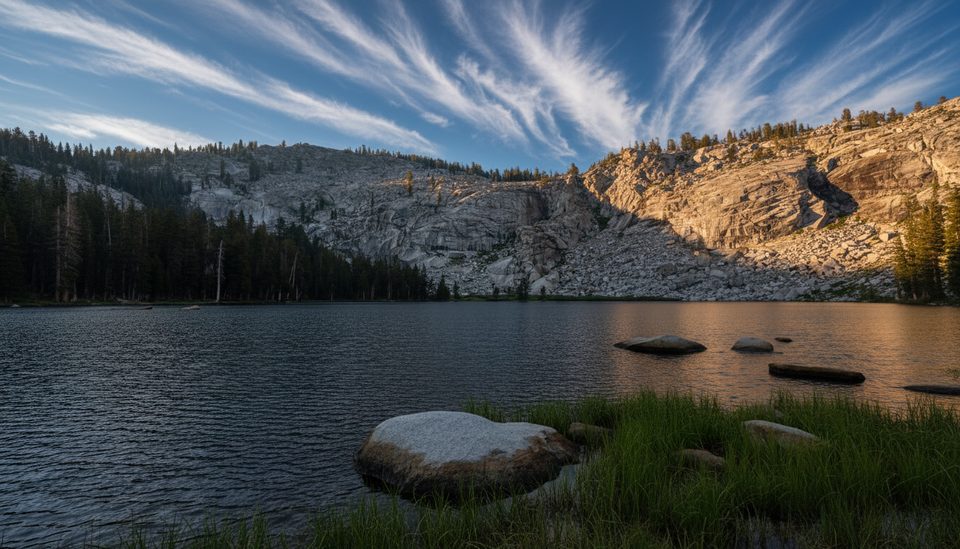
Challenging · 0 mi away
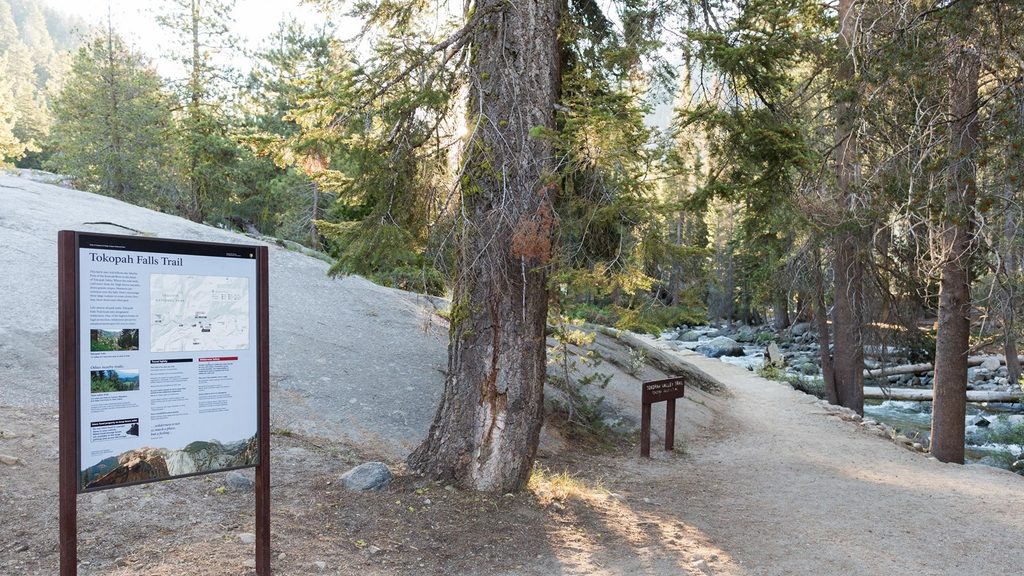
Easy · 0 mi away
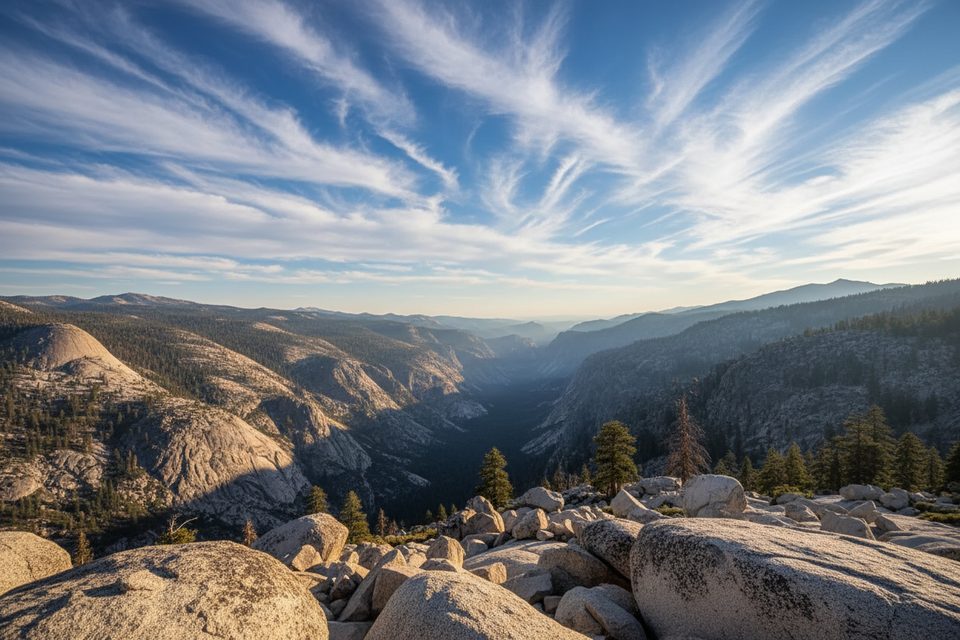
Challenging · 0.9 mi away
Challenging · 0.9 mi away

Parkwolf Tour Guide
