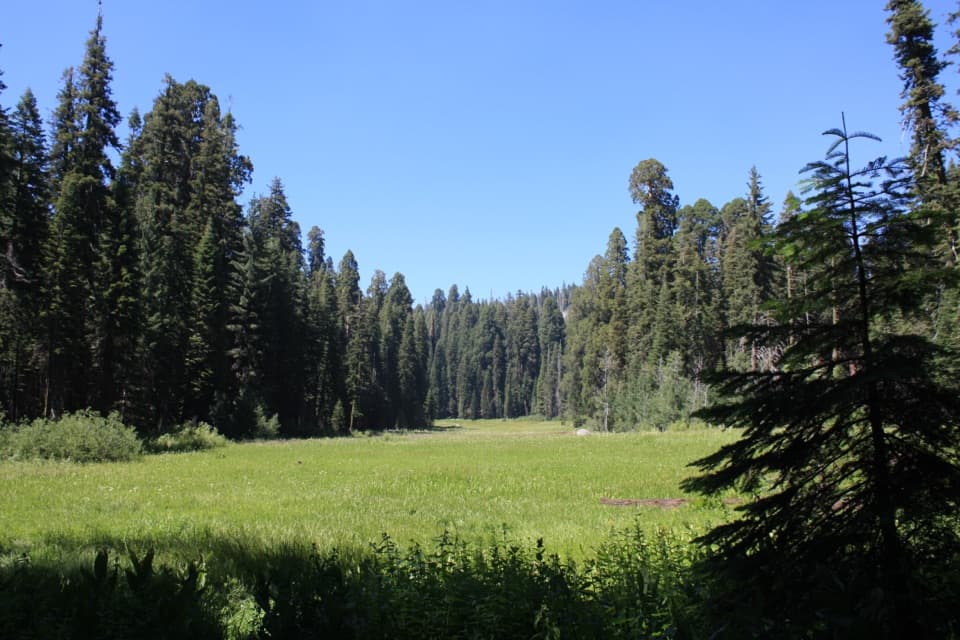
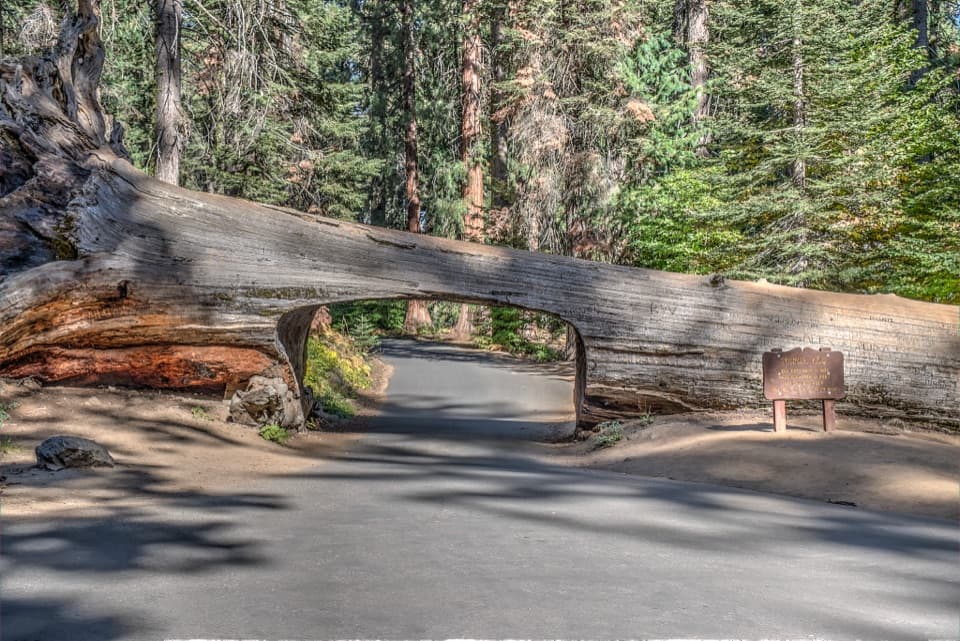
Best time to go
The campground typically operates from May into November, with loops closing in stages as winter approaches. At 6,700 feet, spring and fall snow is possible, and summer weather can still call for three-season camping.

Campground · Sequoia National Park
Camp beside the Marble Fork, with a shuttle to Giant Forest.
Overview
Map
Plan your stop
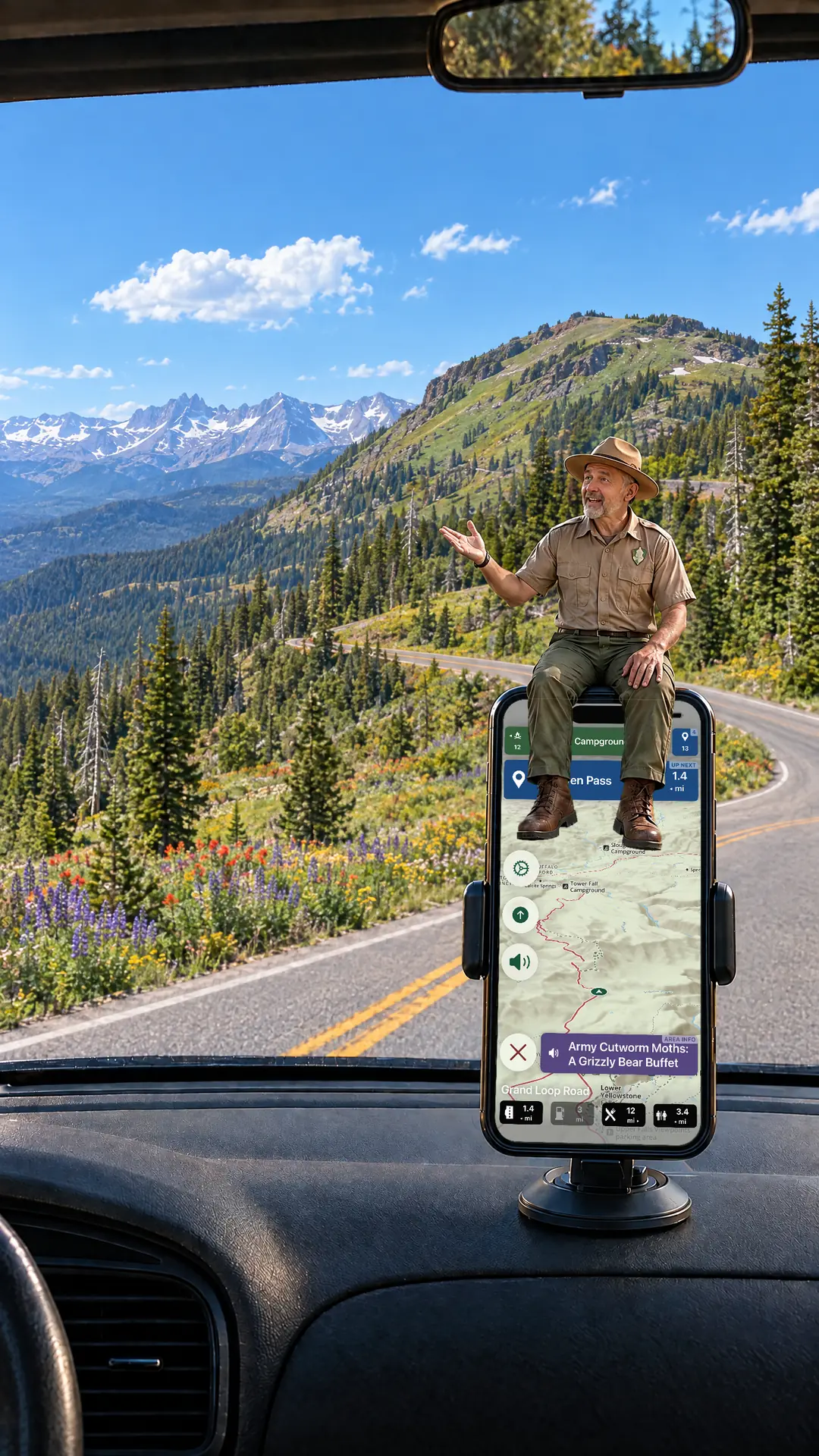
The highest, rockiest slopes around here are a summer buffet for grizzly bears.
Sequoia Tour Guide
Parkwolf is a GPS audio tour guide for Sequoia National Park. As you drive, it chimes in with what’s ahead: hidden gems, upcoming stops, history, geology, and wildlife, right through your car’s speakers.
See the Sequoia audio tourRecorded for this place
Lodgepole and Tokopah Falls“Lodgepole is coming up, where the trail to Tokopah Falls follows the river into a glacier-carved granite canyon.”
Plays as you drive up to Lodgepole Campground in the Parkwolf Sequoia Tour Guide.
More stories near here in the app
“…The kids and my husband and I all agree that the narration really added to our experience driving through the parks. We learned so much about the history and the flora & fauna.”


Guide
Lodgepole Campground is a large, developed campground on the Marble Fork of the Kaweah River, at 6,700 feet. Its best advantage is convenience: Lodgepole Village is an easy walk, and the free seasonal shuttle to Giant Forest stops here. From Generals Highway, turn onto Lodgepole Road and follow it past the visitor center and market to the campground kiosk.
There are 214 sites: 76 tent-only and 16 walk-to or boat-to sites, with no electric hookups. Check the individual listing before booking; only five sites can take RVs around 40 feet, and tent-pad sizes vary. Campers describe both roomy and close-set spots, so privacy depends on your particular site. All sites require reservations.
Sites have a picnic table, fire ring and bear-resistant food locker. The paved campground has seasonal potable water and flush toilets. Accessible sites 62 and 63 have a paved route to accessible restrooms and a water spigot; the central parking lot is sloped. Leashed dogs are allowed in camp, but not on park trails.
Lodgepole Village is next door on foot: the seasonal market carries groceries, camp supplies and grab-and-go food, while Lodgepole Grill serves burgers, sandwiches, salads and snacks. Showers and laundry are in the village, not the campground, and their availability is seasonal.
Wildlife
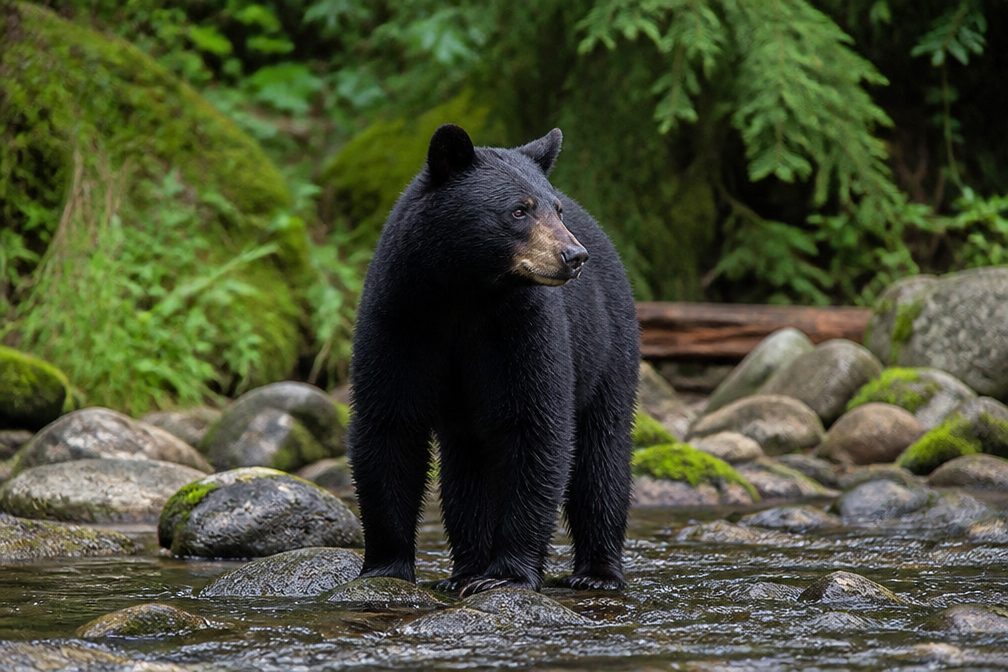 691 sightingsBlack BearMost seen around 6 PMSighting map
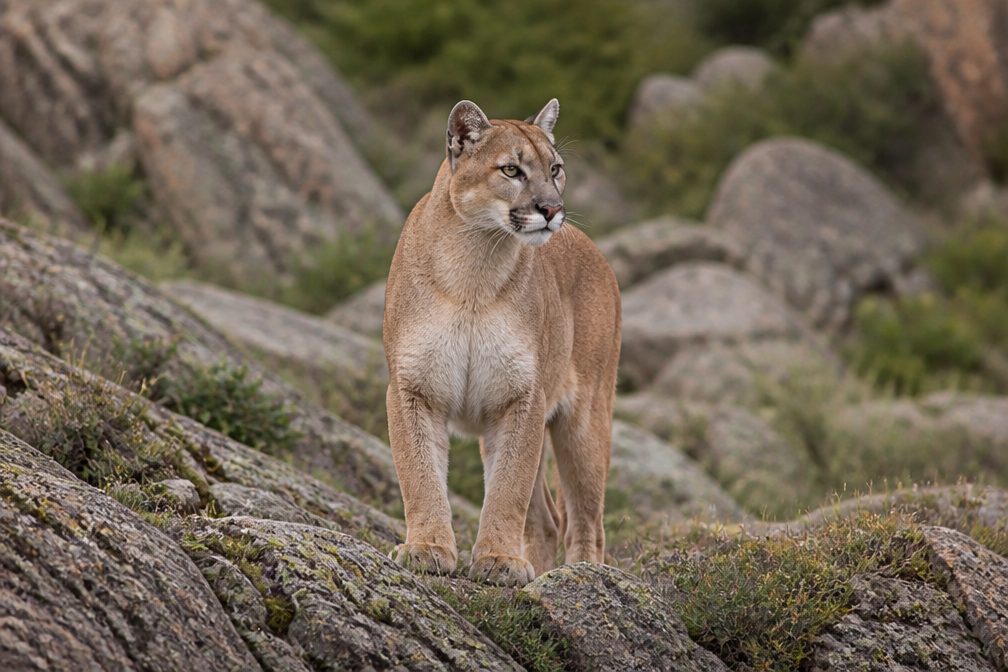 17 sightingsMountain LionMost seen around 6 AMSighting map
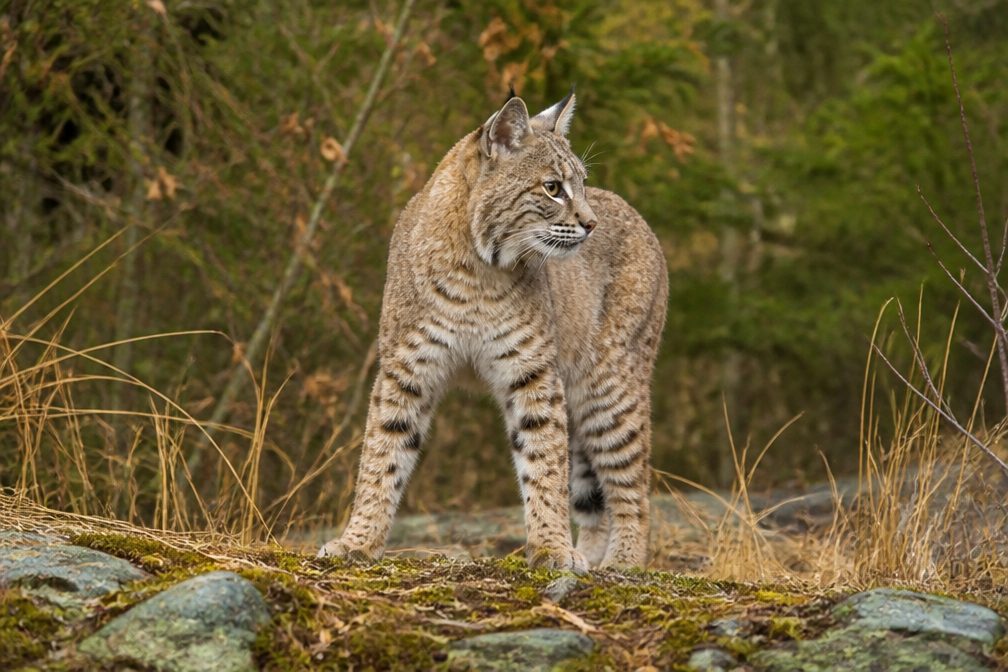 18 sightingsBobcatMost seen around 7 PMSighting map
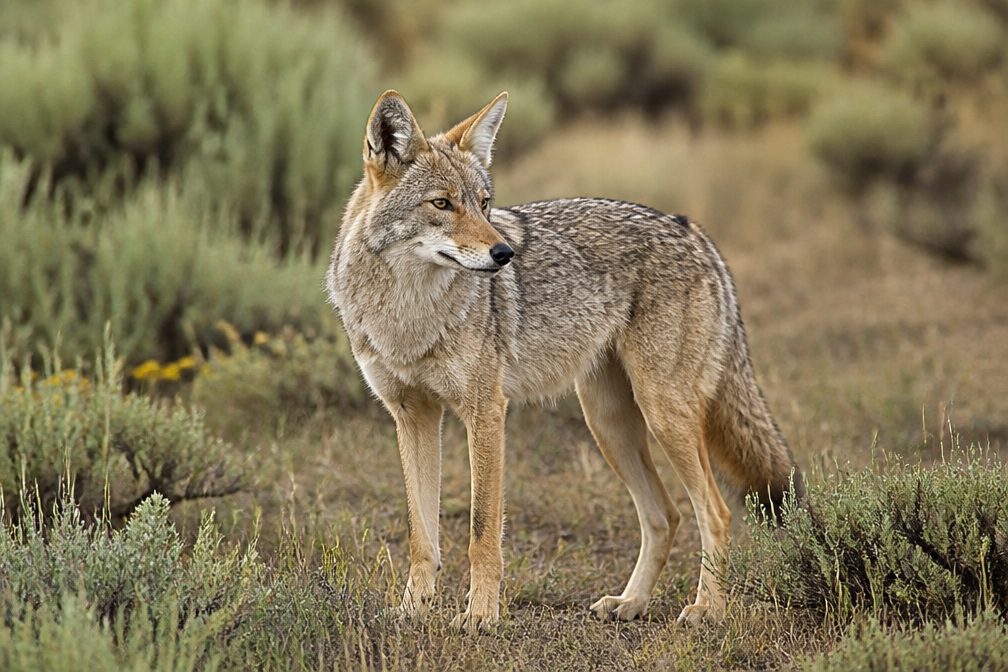 24 sightingsCoyoteMost seen around 7 PMSighting map
 15 sightingsGolden EagleMost seen around 11 AMSighting map
 20 sightingsSpotted OwlMost seen around 7 PMSighting map
Sighting maps show where each species has been reported across Sequoia. Wildlife moves, so no sighting is guaranteed.
Keep exploring
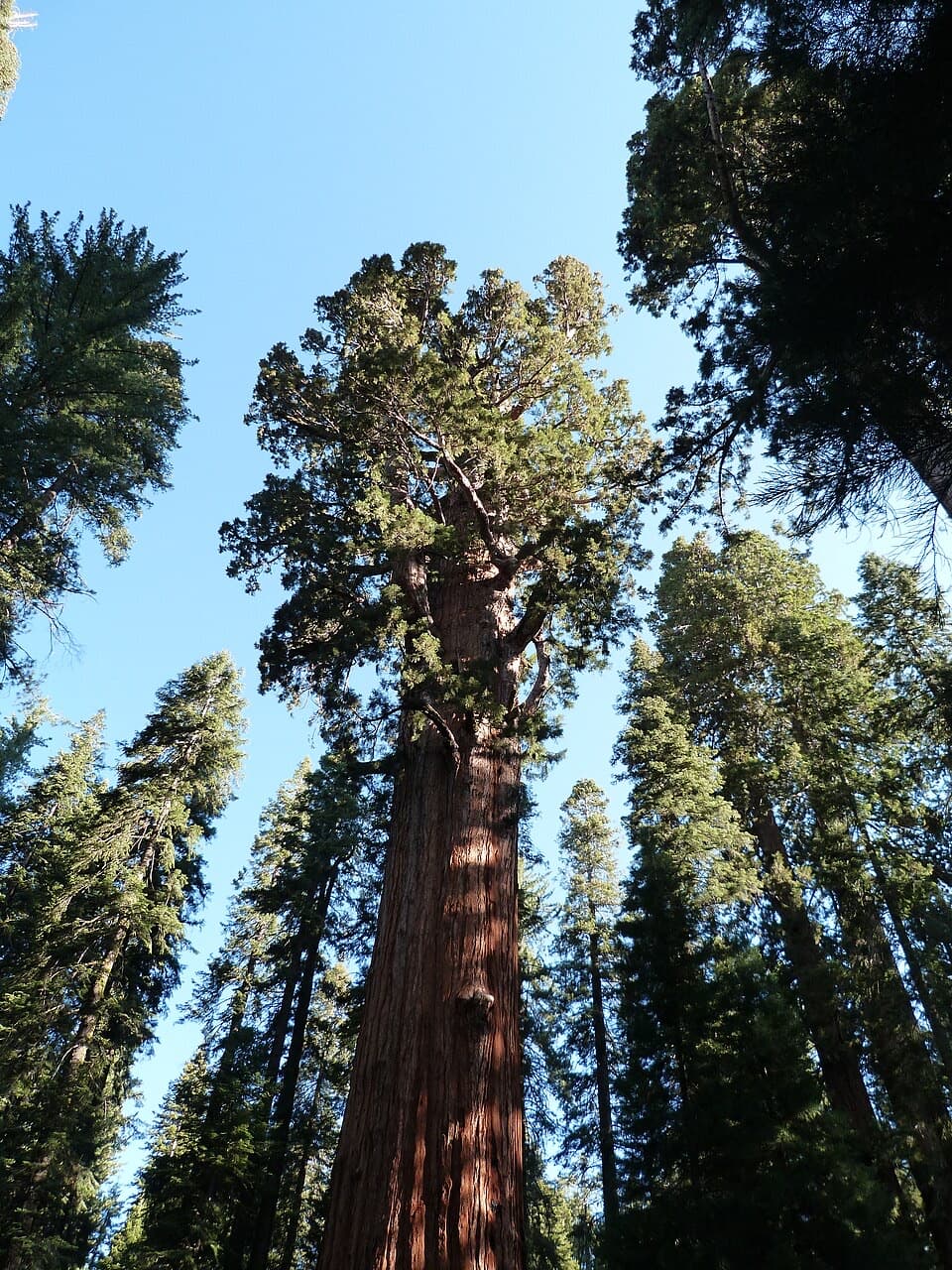 ModerateLodgepole–Sherman Tree Trail2.8 mi · 3.5 hr · 0.1 mi awayA 2.8-mile walk through sequoias to General Sherman Tree.
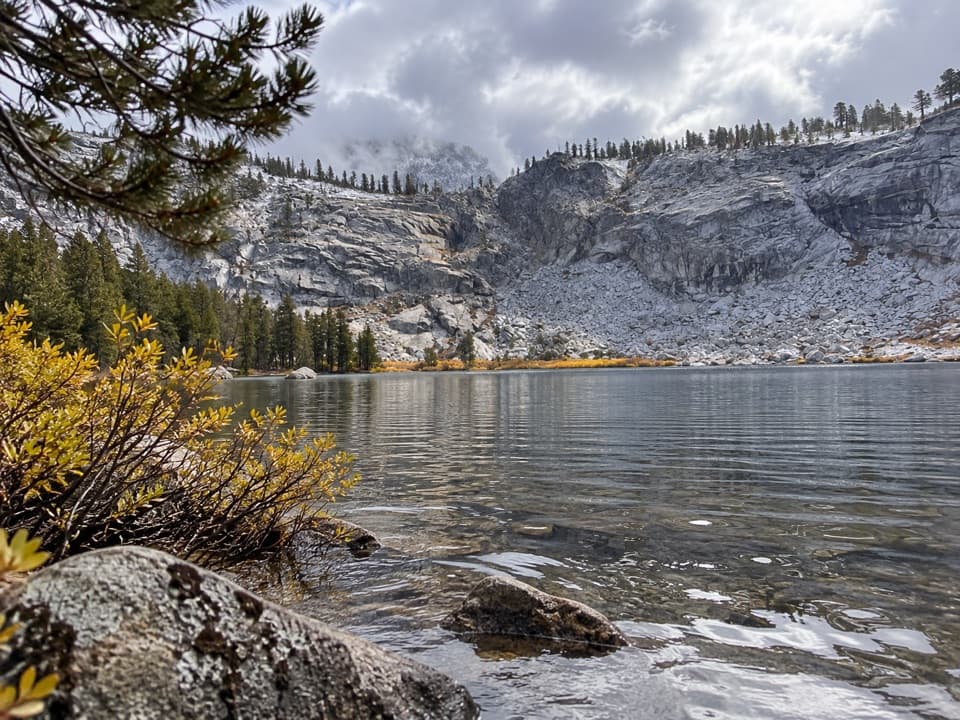 ChallengingTwin Lakes Trail13.6 mi · 8 hr · 0.2 mi awayWorth the long pine climb for two quiet high Sierra lakes.
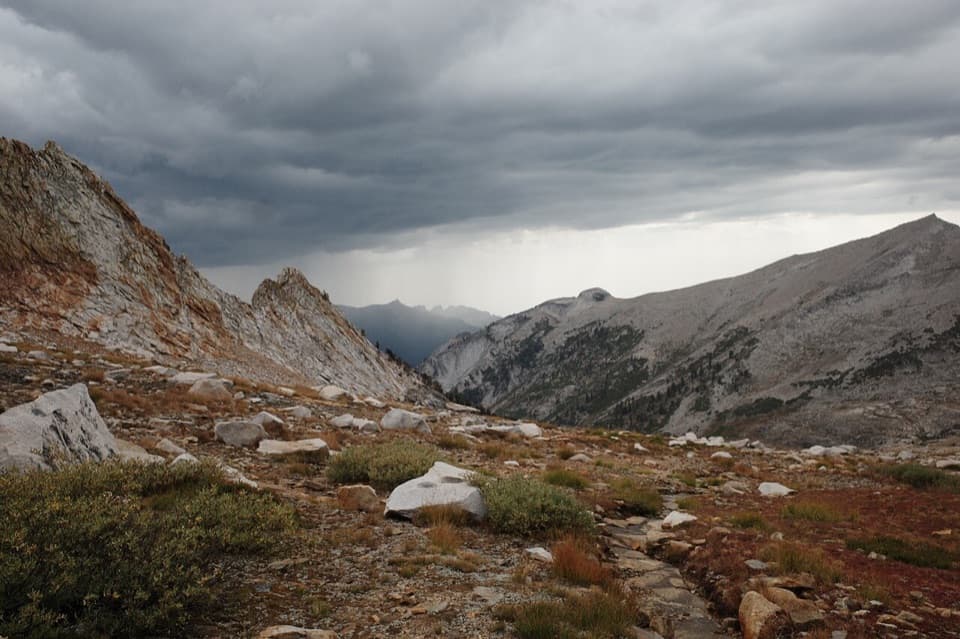 ChallengingDeadman Canyon Loop49 mi · 1.3 days · 0.2 mi awayA six-day traverse from Lodgepole to Deadman Canyon’s granite headwall
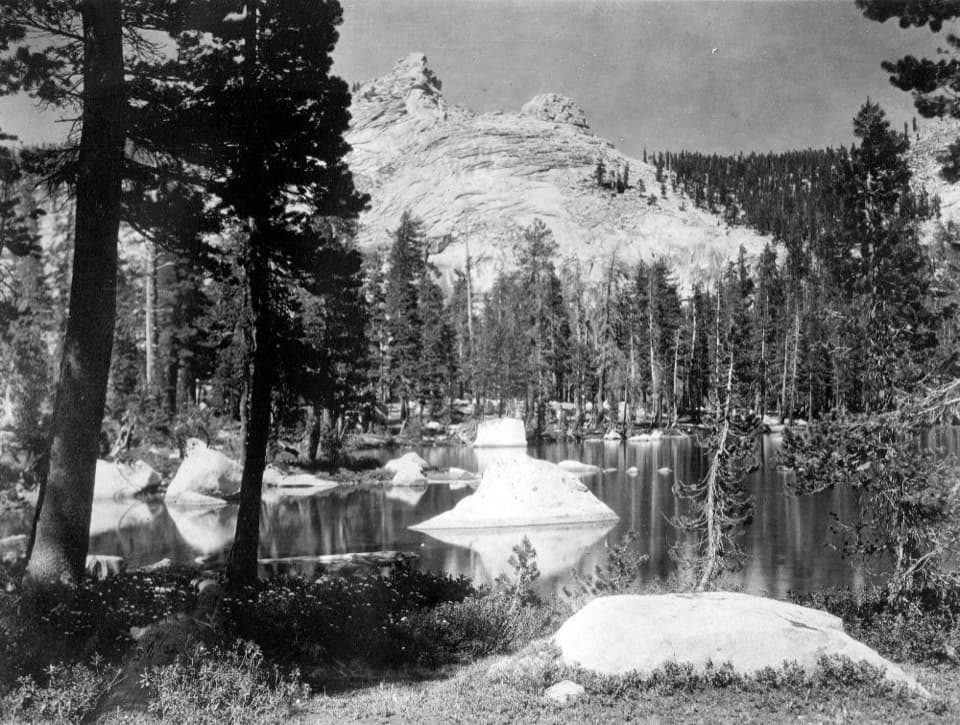 ChallengingSilliman Pass Trail15.4 mi · 10 hr · 0.2 mi awayA long, strenuous hike to Twin Lakes and a wooded Sierra pass.
 ModerateTokopah Falls Trail3.8 mi · 2.3 hr · 0.2 mi awayFollow the Marble Fork to a 1,200-foot granite cascade
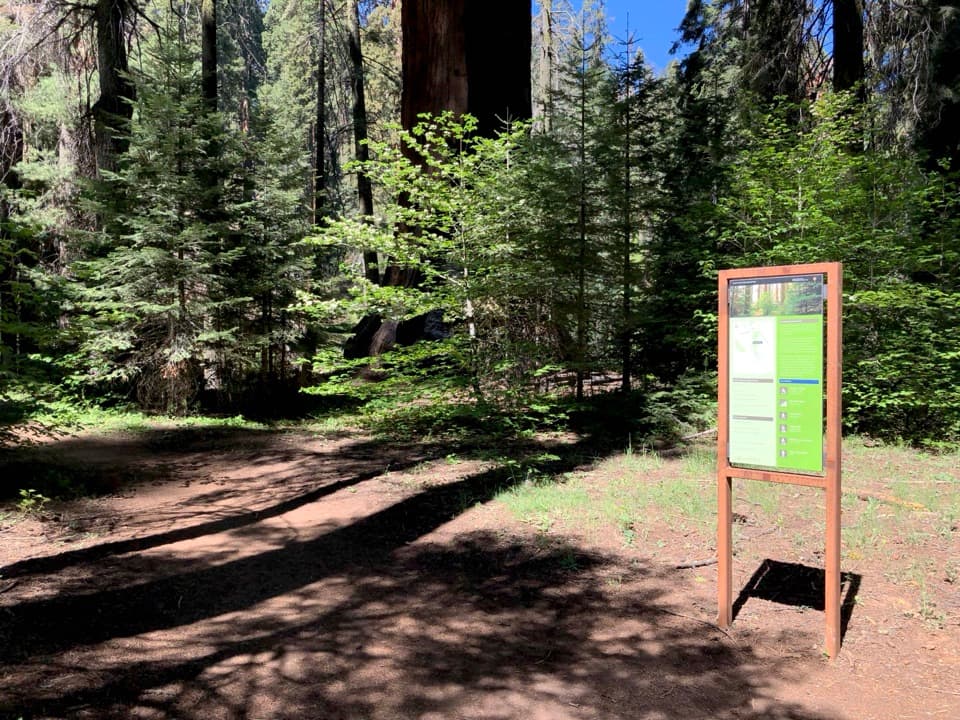 ChallengingAlta Winter Trail6.2 mi · 7 hr · 0.7 mi awayA winter ridge drops into Giant Forest's giant sequoias.
 ModerateLong Meadow Loop2.8 mi · 1.5 hr · 0.7 mi awayA quiet loop around a wet meadow where wildlife is the point.
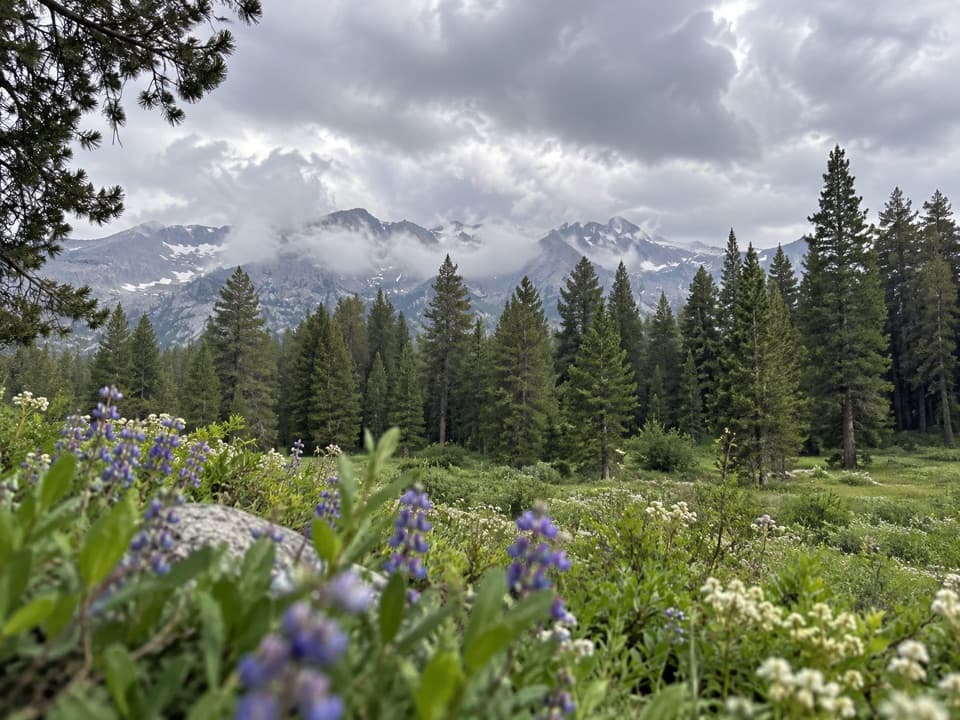 ChallengingAlta Meadow Trail13.1 mi · 7.5 hr · 0.7 mi awayA hard climb ends in a meadow beneath the Great Western Divide.
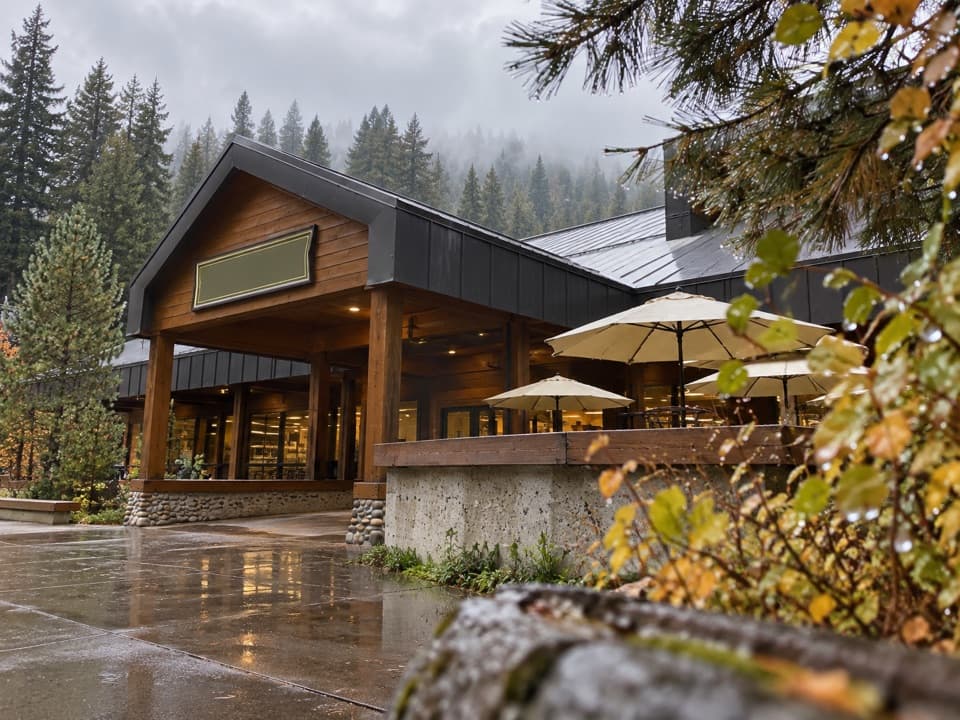 Store · 0.3 mi awayLodgepole Market CenterA high-country supply stop with groceries, a grill, showers, and laundry.
 Visitor center · 0.3 mi awayLodgepole Visitor CenterGet oriented before the big trees, with exhibits that travel by sound.
 Picnic area · 0.5 mi awayLodgepole Picnic AreaA shaded riverside picnic with Lodgepole's village services close by.
 Picnic area · 0.8 mi awayWolverton Picnic and Snowplay AreaA meadow picnic spot with winter snowplay when conditions allow.
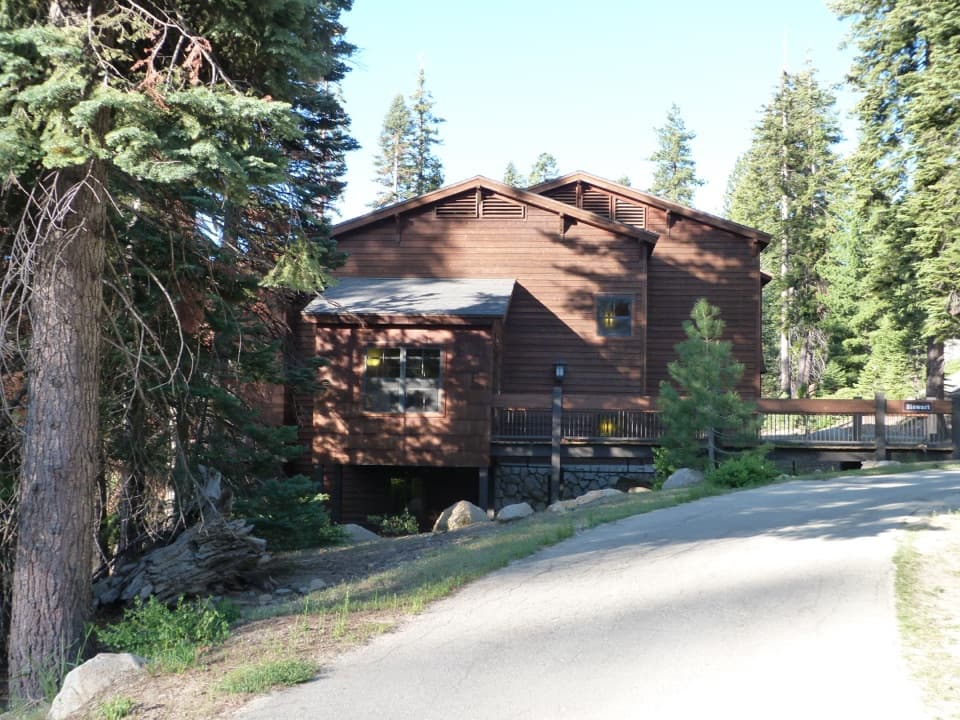 Lodging · 1.4 mi awayWuksachi LodgeA wooded, in-park base with meals and starry skies.
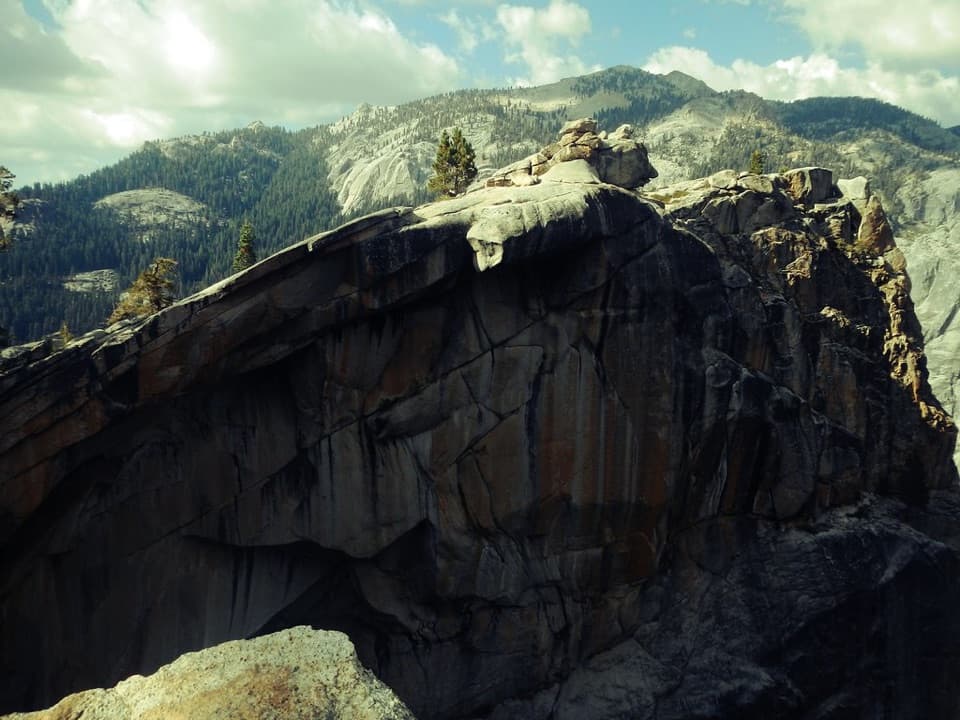 Sight · 1.5 mi awayThe Watchtower ViewpointA long climb pays off with Tokopah Falls far below.
 Sight · 1.9 mi awayTokopah FallsA granite canyon walk ends at a 1,200-foot waterfall.
 Sight · 2.2 mi awayGeneral Sherman TreeSee the world's largest tree by trunk volume up close
Parkwolf’s Sequoia ranking

The audio tour guide for the drive, plus offline maps, trails, and wildlife heatmaps for when the signal drops.