
Place
Challenging
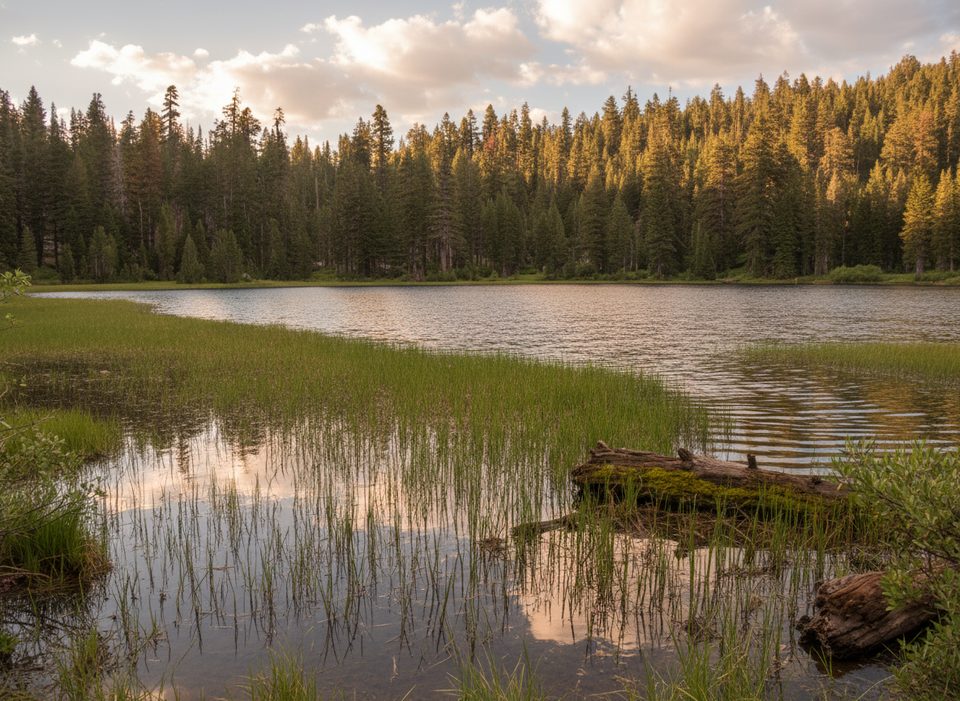
This is a demanding out-and-back to Summit Lake that starts near Shake Camp (Balch Park/Mountain Home side) and enters Sequoia National Park near the Hockett Meadows area. Expect roughly 14.3 miles total with about 3,700 feet of gain and an 8-hour day for strong hikers. The route is known for a steep final climb to the lake, multiple creek crossings, and sections where the tread fades—this is not a casual stroll.
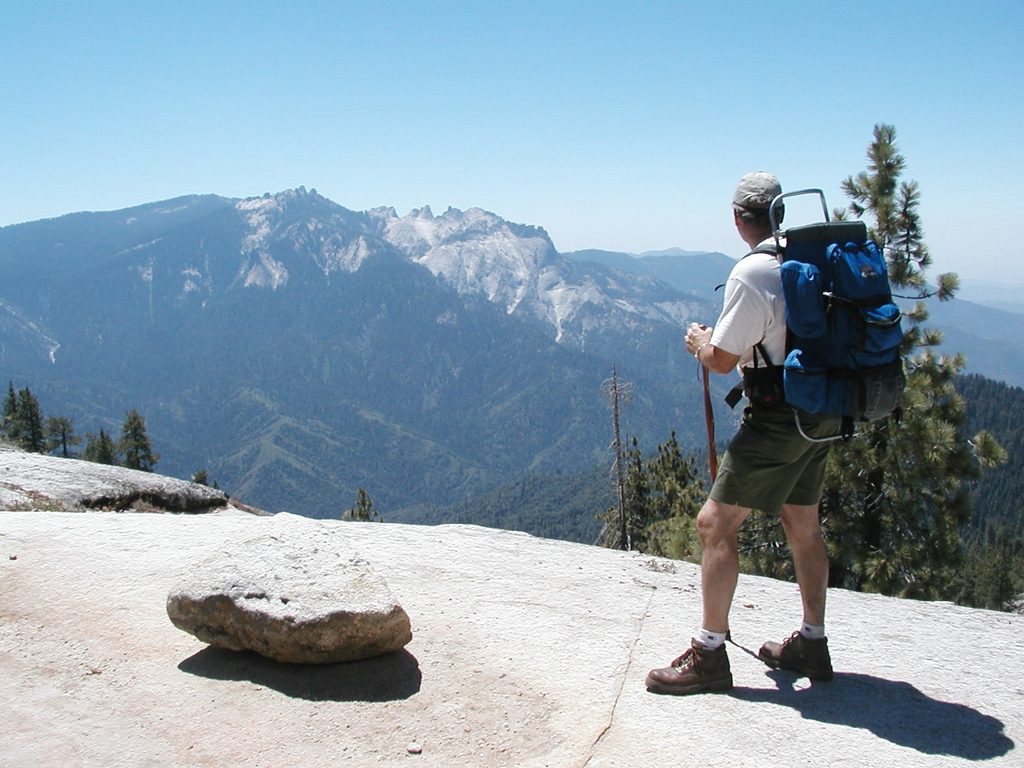
Early on, you’ll walk among the giants in the Long Meadow Giant Sequoia Grove and follow waterways tied to the headwaters of the Tule River. Much of the approach passes through burn scar, which opens views but drastically cuts shade. Meadows, new growth amid blackened trunks, and a good chance of deer sightings are common along the way; a bear encounter has been reported. Summit Lake itself is a quiet, high-country destination—some hikers love the payoff; others find it modest for the effort.
July through October is the sweet spot, when lingering snow is least likely and creeks are generally more manageable. Go early in the day to beat heat on exposed sections. Weekdays typically feel quieter than weekends, and afternoon light can be harsh across the burn—morning light is friendlier for photos and comfort.
Choose this if you want a longer, less-crowded sequoia-to-lake day with some route-finding and real effort. If you prefer well-signed, consistently shaded trails with minimal crossings and big alpine views per mile, there are other classic lake hikes in the park that may fit better.
Overnighters need to coordinate wilderness permits with the correct agency based on where they start. Day hikers typically begin from Shake Camp; a recent hiker reported free parking there. Dogs have been reported as allowed on-leash along this approach, but rules can change when you cross into the national park—verify current regulations before you go.
Start at the Shake Camp area (Balch Park/Mountain Home side); a recent report noted free parking at the trailhead.
Expect limited shade through burn areas, multiple creek crossings, a steep final climb, and sections where the trail is hard to follow—download an offline map. Wildlife (including bears) is possible. Pet and permit rules change as you enter the national park—verify before you go.
Place
Place
Place
Place
Challenging
Challenging
Challenging
Easy

Parkwolf Tour Guide
