Place · 3.3 mi away

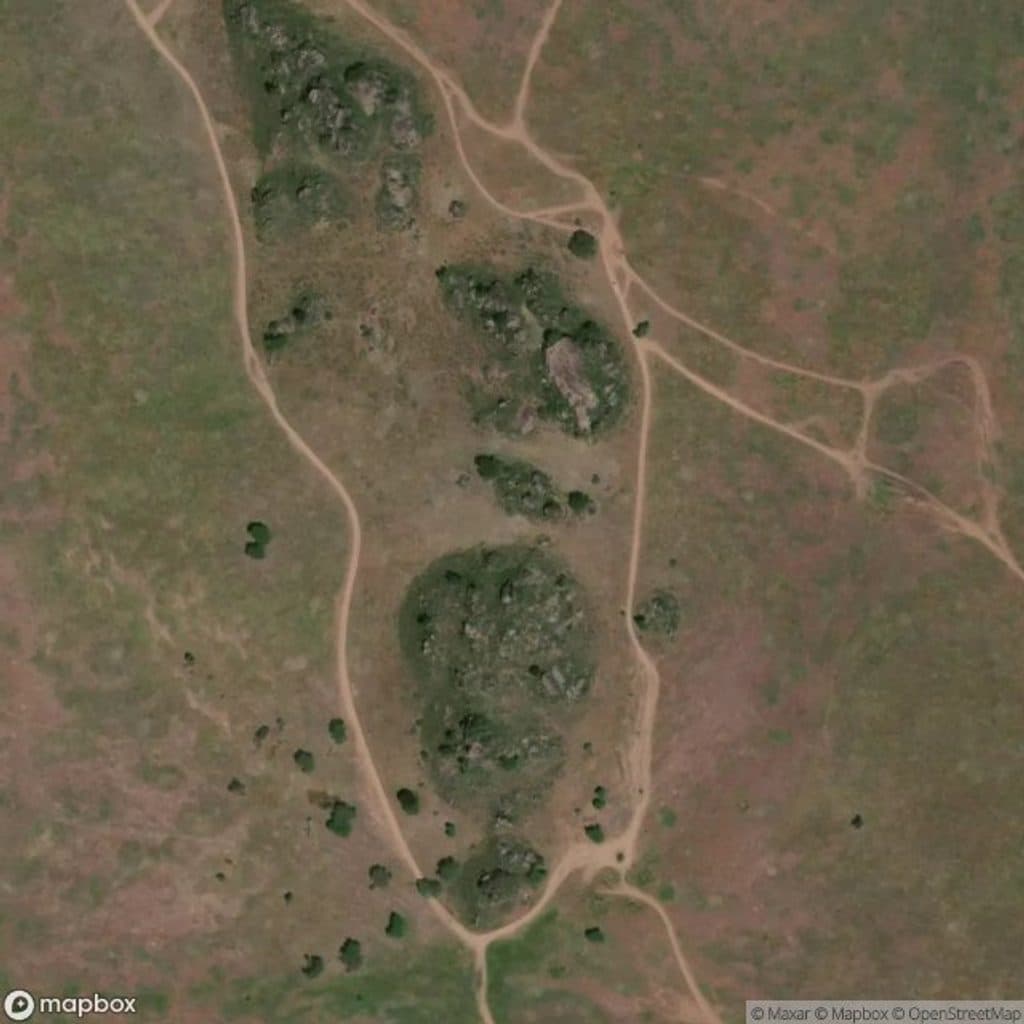
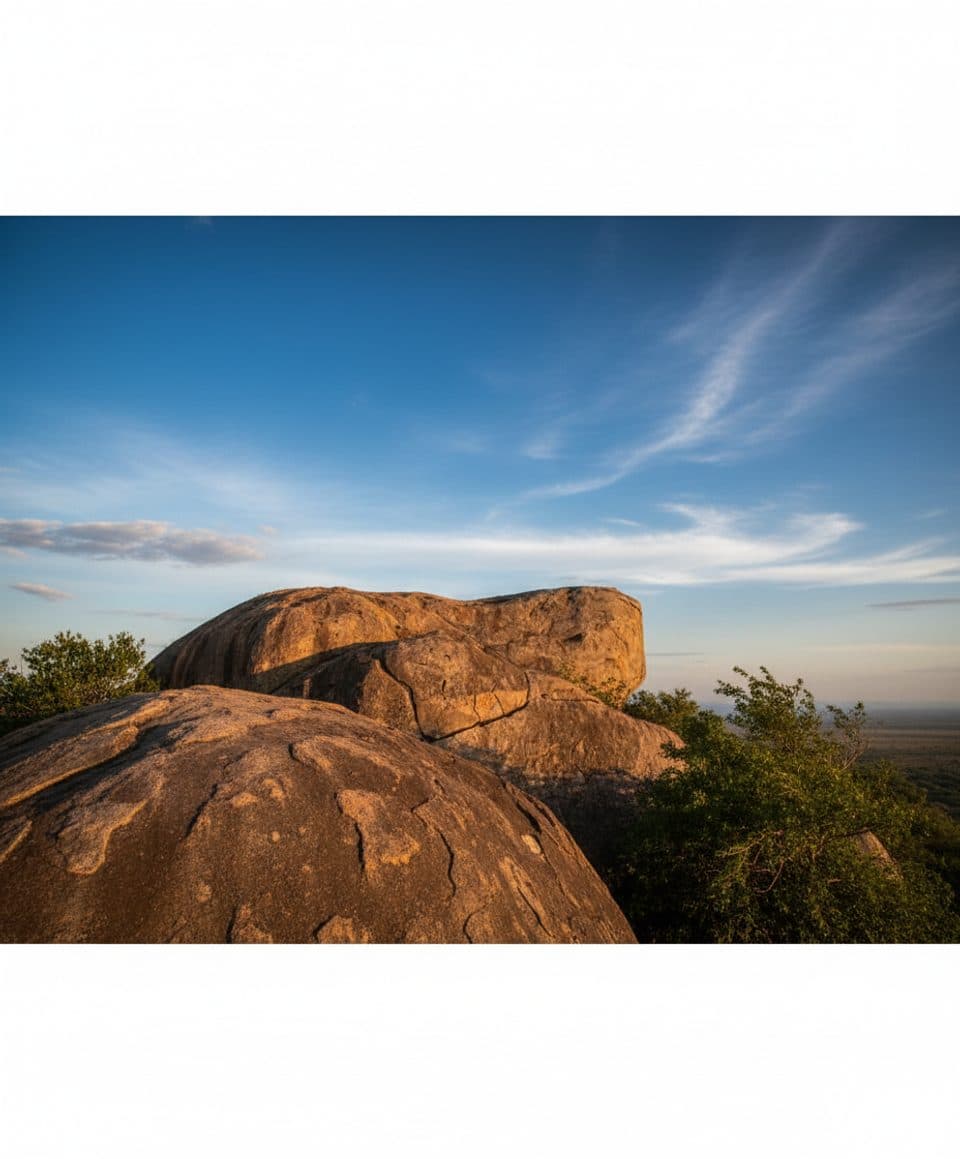
Boma Kopjes is a cluster of ancient granite outcrops rising from open grassland—pure, classic Serengeti. Think sculpted boulders dotted with lone figs and euphorbia, with lions draped over warm rock slabs and endless plains rolling away in every direction. It’s a simple stop—no signs, no picnic site—just a natural viewpoint that often delivers.
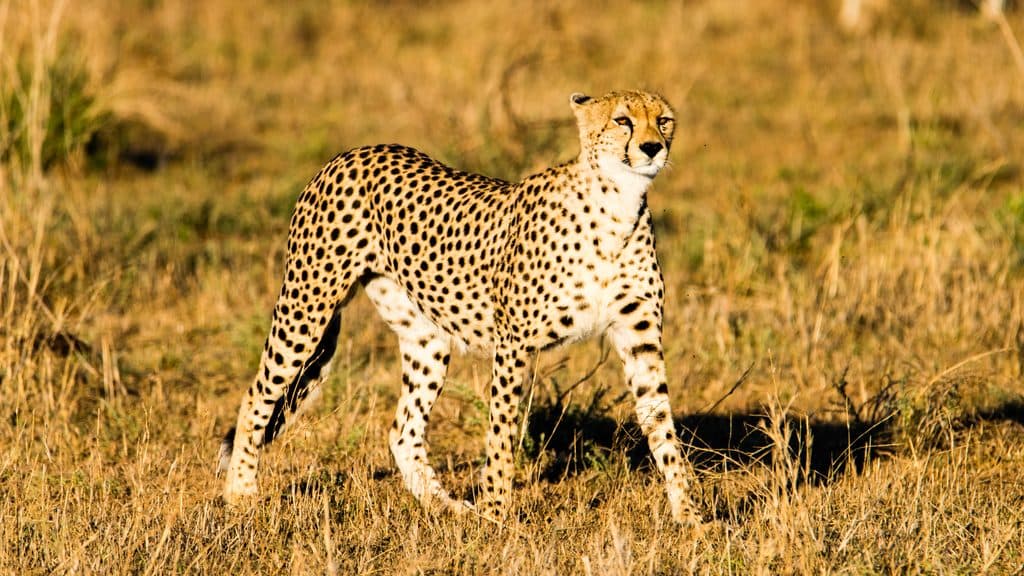
Kopjes act like islands: shade, tiny water catchments in rock pans, and perfect lookouts. That combo draws predators, especially lions, which use the rocks for denning and vantage. Leopards are possible, while cheetahs usually work the surrounding flats. You’ll also spot kopje specialists like rock hyrax, klipspringer, and agama lizards, plus raptors riding the thermals overhead.
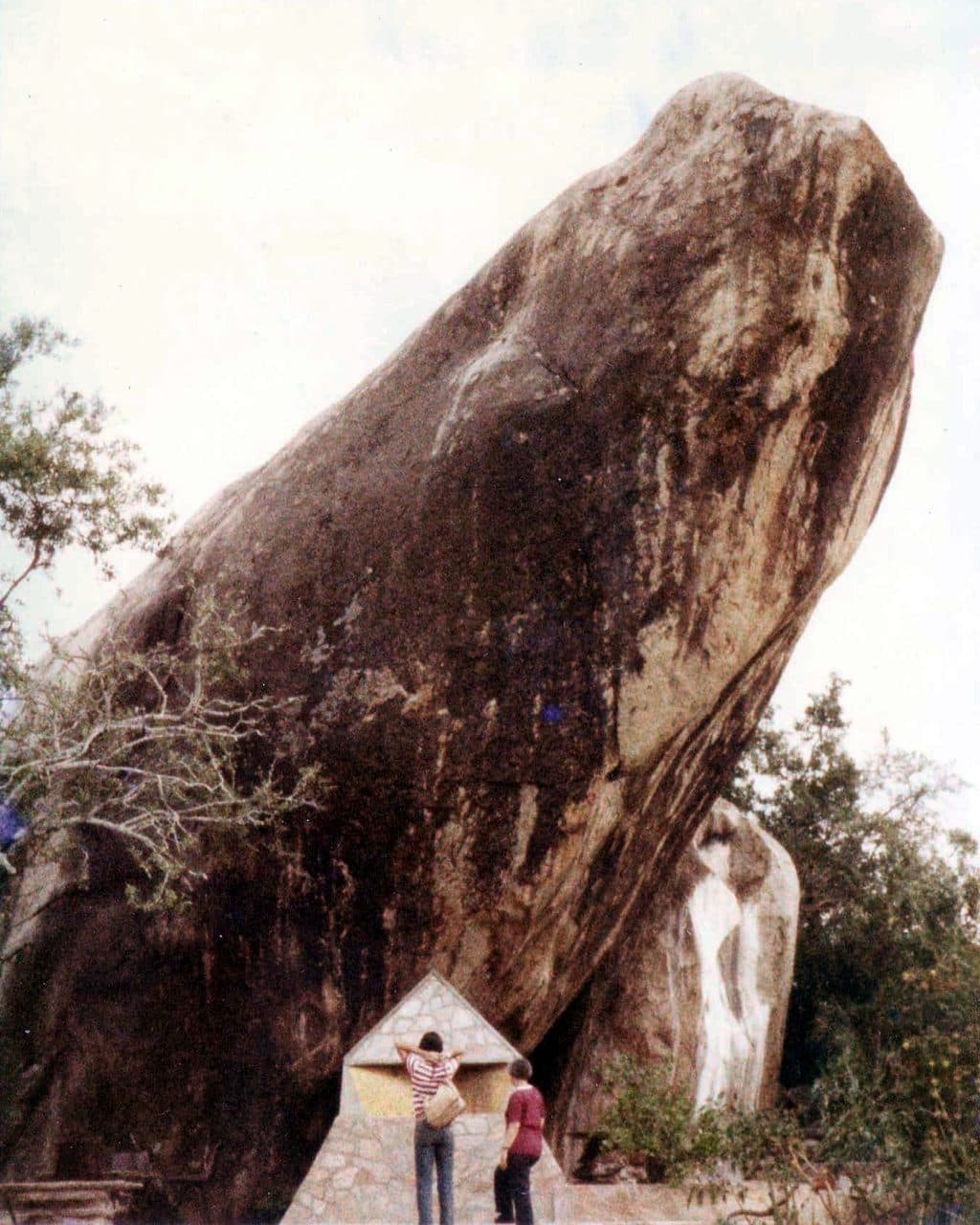
These kopjes are Precambrian granites/gneisses exposed by erosion. Over time, exfoliation and spheroidal weathering rounded the boulders, and rain collects in shallow rock pans, creating micro‑oases that concentrate life and keep predators nearby.
Bring a 100–400mm (or 70–200mm with a 1.4x) for cats on the rocks and a 24–70mm for sweeping landscapes. A beanbag on the vehicle window beats a tripod. Work side‑light at sunrise/sunset, and watch for lion silhouettes on ridgelines. Keep engines off and voices low for natural behavior.
There are no facilities at Boma Kopjes. Use official stops on your route—Naabi Hill Gate, the Serengeti Visitor Centre at Seronera, or airstrips—then plan your loop. Stay in the vehicle unless you’re at a signed, designated site; no drones in Tanzanian national parks; and keep at least 25 meters from big cats. Tsetse flies can bother near woodland fringes—neutral colors and partly up windows help. Self‑drivers should check road conditions at the Seronera Information Centre, carry extra water, and in wet months pack a shovel/traction boards and confirm fuel.
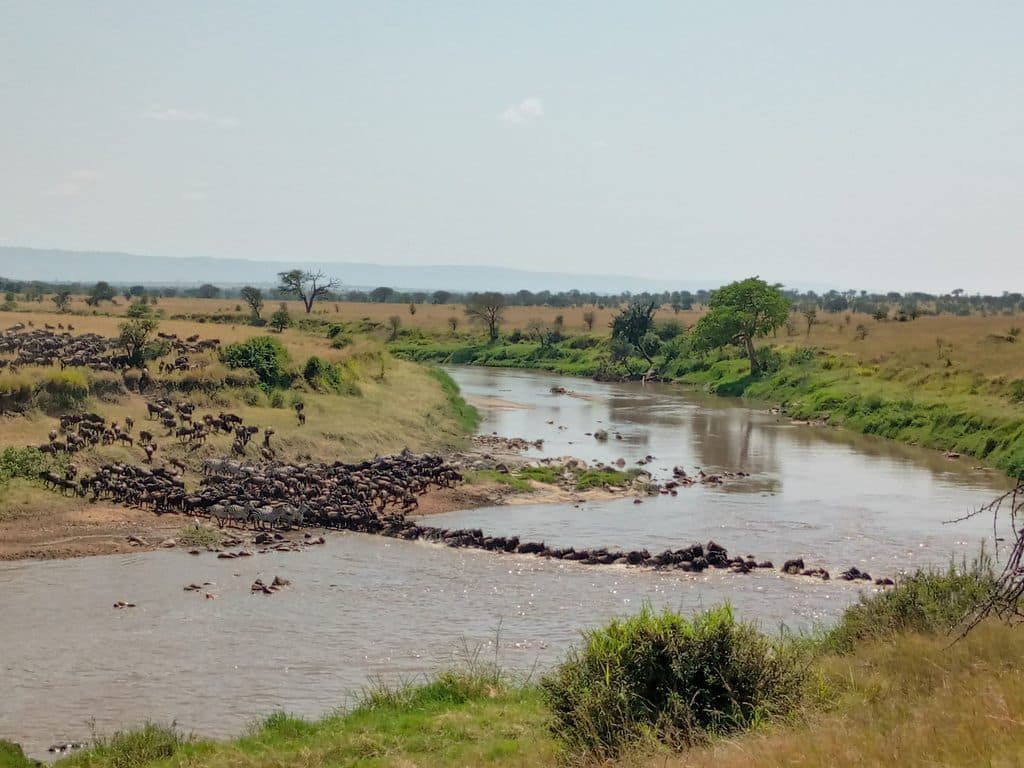
From Seronera, start early, loop out to Boma Kopjes for morning cats and landscapes, then work the adjacent open plains for cheetah. If time allows, pair it with another kopje cluster before returning via a river circuit—tune the route to grass height, recent rains, and where animals have been active.