Place · 0 mi away

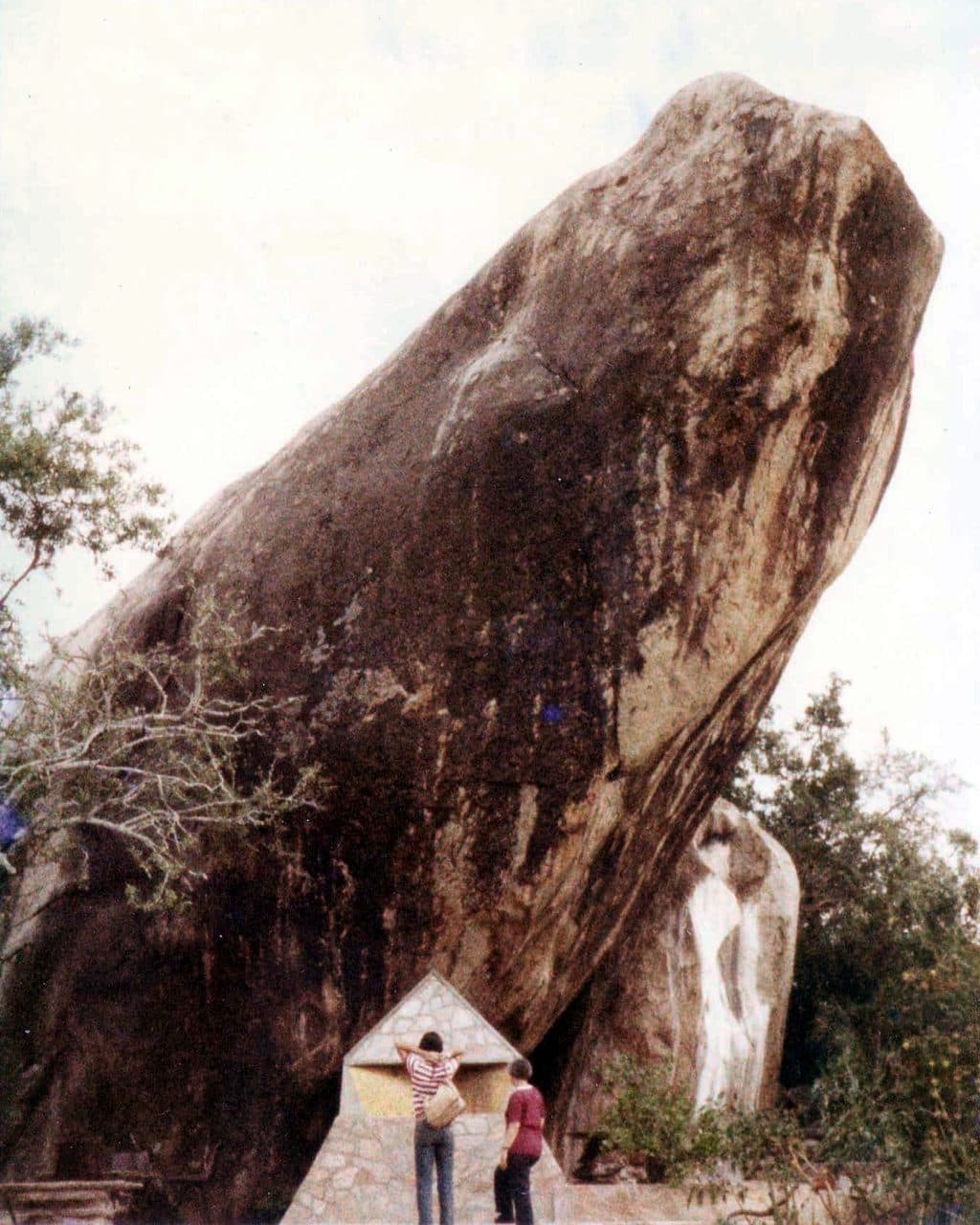
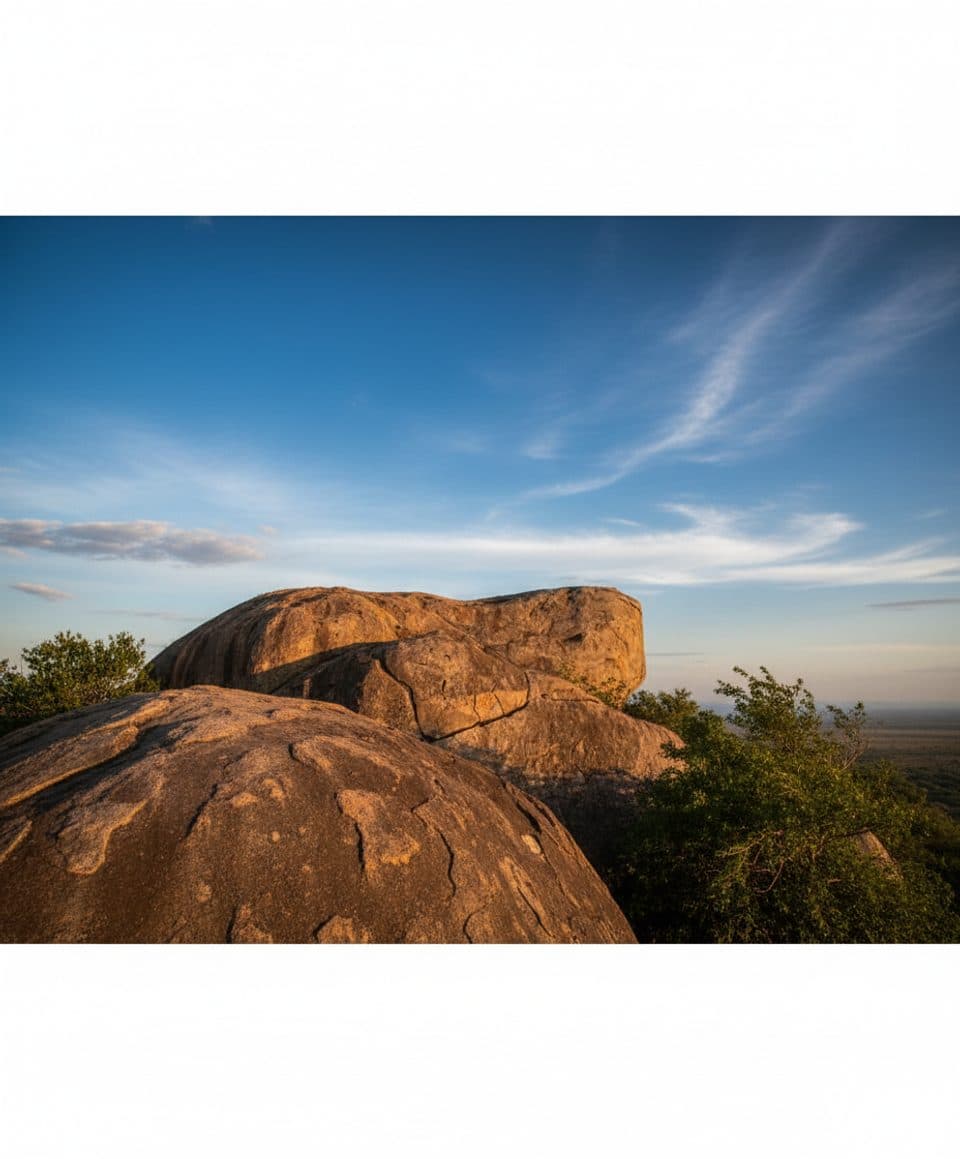
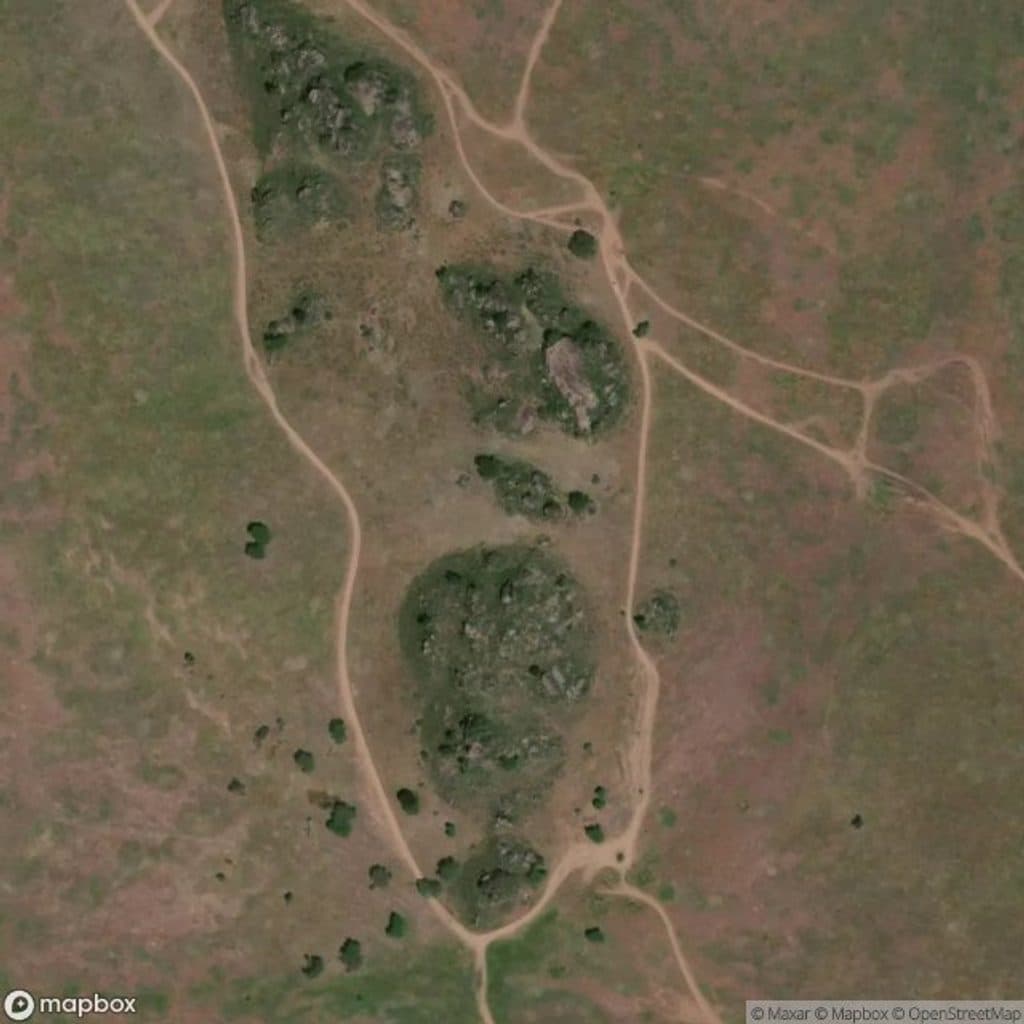
Set among classic granite kopjes in the central plains near Seronera, this picnic site is all about eating with a view. The rocks create their own mini‑ecosystems and, importantly for you, natural vantage points—exactly why lions love them. If you want a coffee stop where you might spot a cat stretched on sun‑warmed stone, this is the spot.
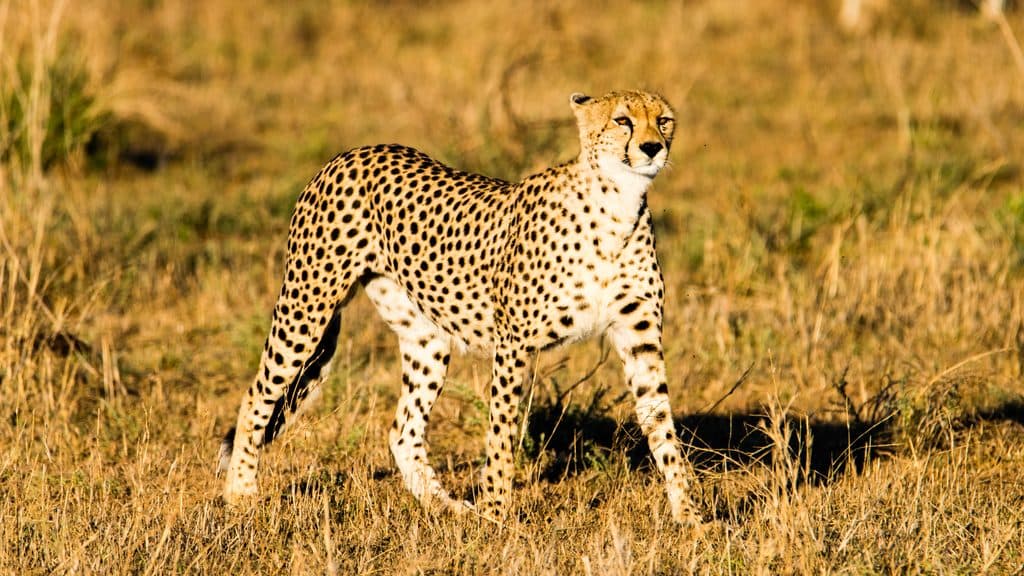
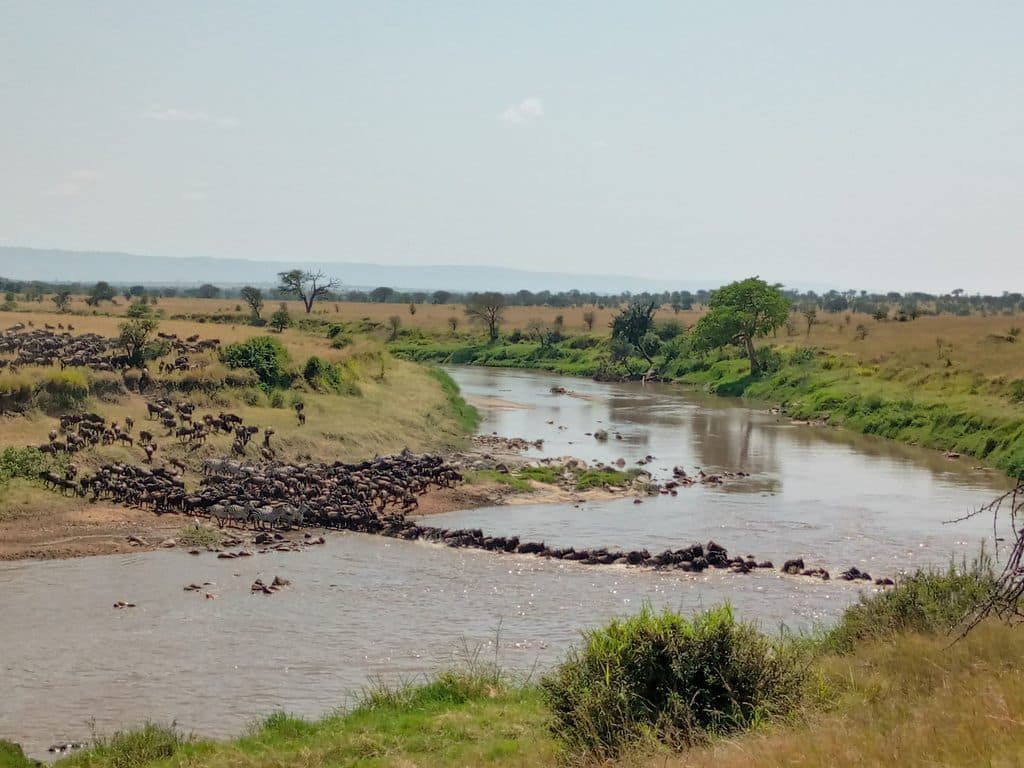
Expect quintessential kopje scenery: stacked boulders, scattered trees, and sweeping grassland. Wildlife patrols the area year‑round. Lions commonly lounge on the rocks; leopards use the nearby woodland for cover; cheetah work the surrounding plains. You’ll also see giraffe and impala browsing, buffalo and the odd hippo in nearby pools, plus good birding around the rocks. In the adjacent swampy patches, keep an eye out for the shy Bohor reedbuck.
Amenities are intentionally simple: picnic tables and basic long‑drop toilets. There’s no potable water, no shop, and no bins—pack out everything. Shade depends on the angle of the sun and nearby boulders/trees, and wind can whistle through on exposed rock. You’ll park right beside the site in an open dirt clearing (no marked bays). If you prefer more developed ablutions, plan a separate stop at Naabi Hill Gate or the Serengeti Visitor Centre in Seronera.
Have your guide scan the area before stepping out—predators and baboons move through. Keep food sealed, stay close to the vehicle, and never wander onto the rocks beyond the designated area.
From Seronera, it’s roughly a 30‑minute drive south toward the Seronera–Ndutu road, then a signed turn‑off to the Maasai Kopjes. In the green season, rain can rattle the road surface—budget extra time.
Bring a 100–400mm (or similar) for big cats, plus a mid‑wide lens for kopje landscapes. Low‑angle compositions of lions on the skyline are money; use the boulders as foreground at sunrise/sunset.
Daily: aim for early morning or late afternoon when temperatures are cooler, predators are active, and the light is soft. If you’re picnicking, late morning can be pleasant once the sun warms the rocks, but it’s harsher for photos. Seasonally, May–October is dry with clear visibility; December–March is green and lush with resident predators still working the area.