Place · 0.4 mi away

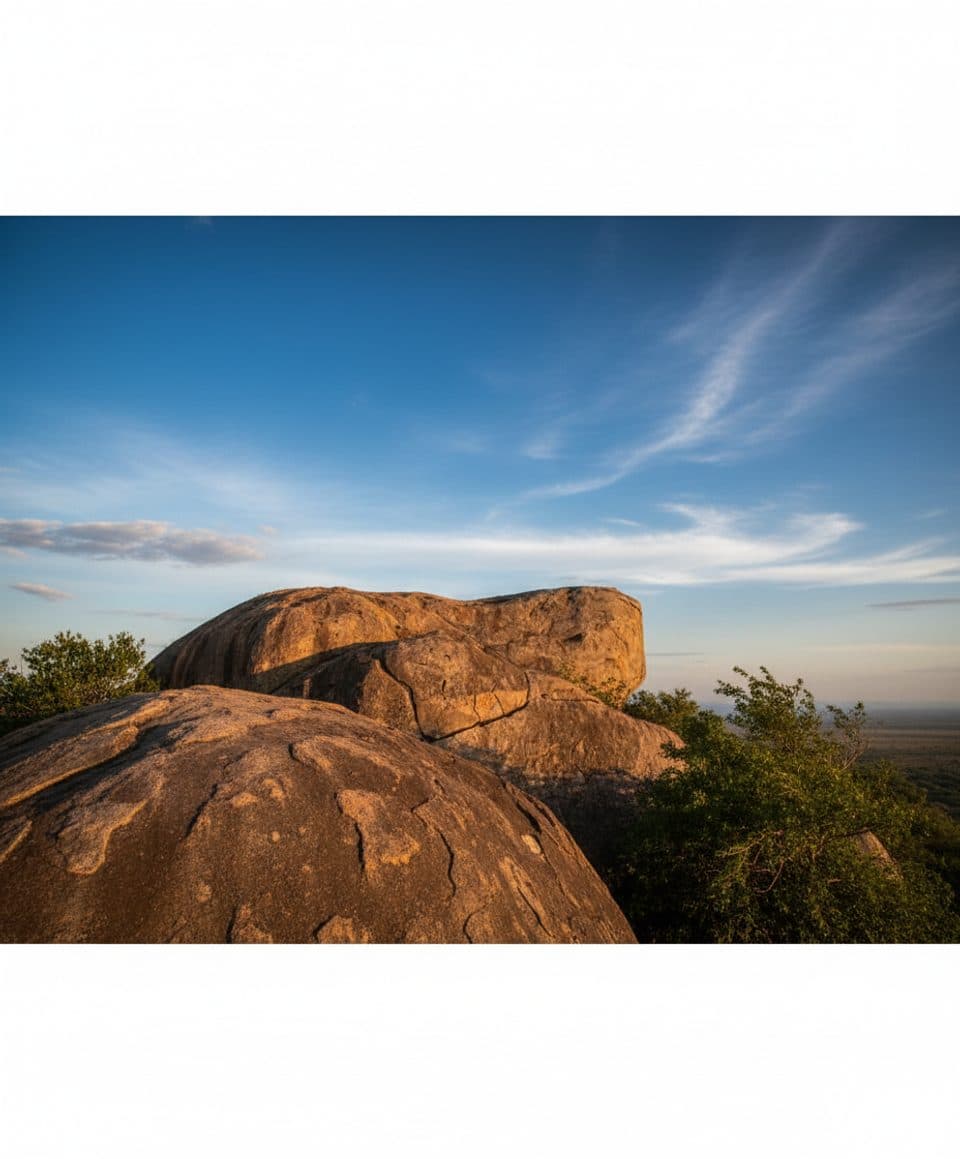
Kopjes are the Serengeti’s rocky islands—ancient granite outcrops that pop from the grass sea. They break the flat horizon with stacked boulders, hidden ledges, and small pockets of shade and moisture. If you’re here for predators and characterful scenery, make time for the kopje belts.
These outcrops are remnants of very old granite and gneiss. Over millions of years, softer surrounding rock eroded away, leaving the harder cores exposed and rounded by daily heating and cooling. The result: isolated rock hills that feel sculpted for drama.
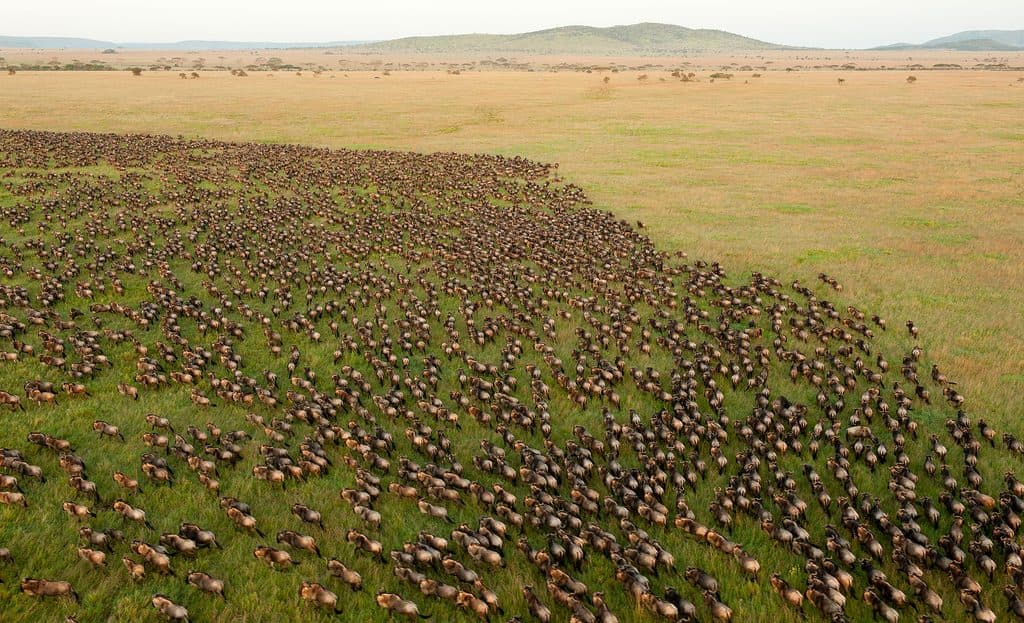
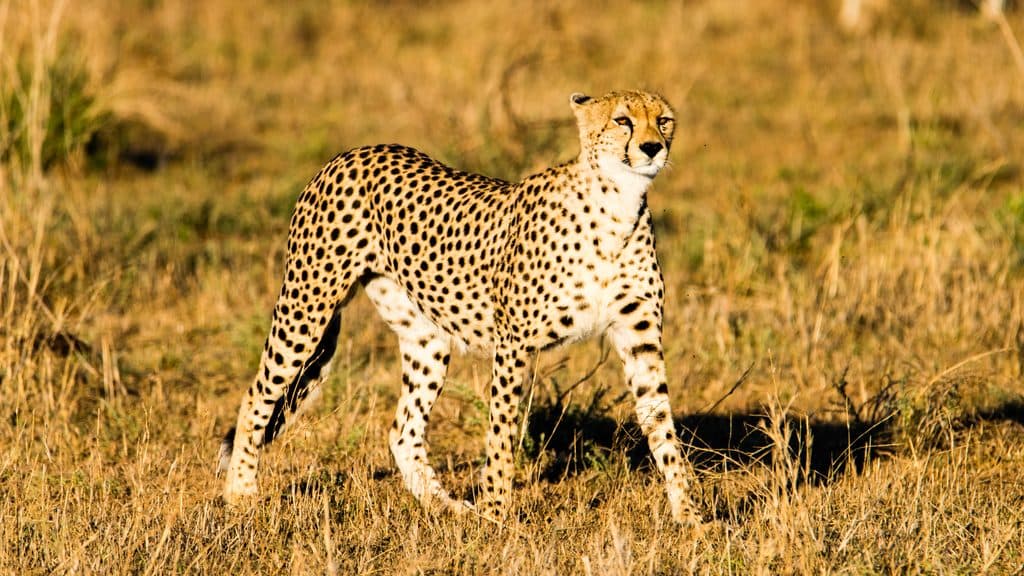
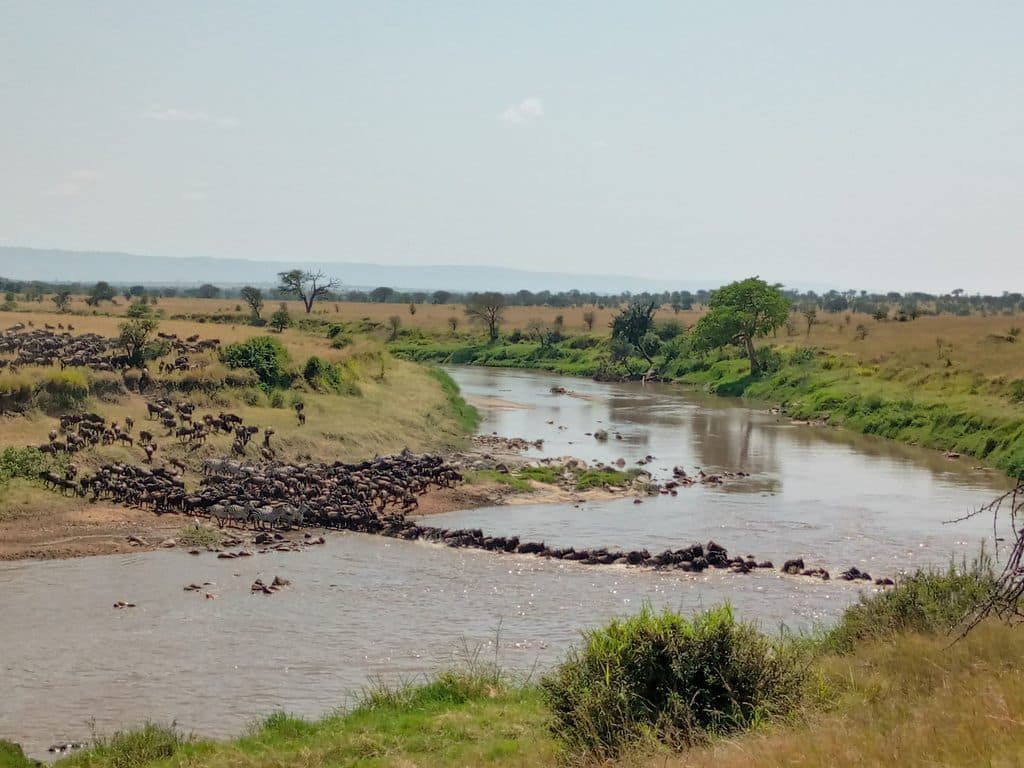
Kopjes act like micro‑oases—cool crevices, a bit more moisture, and plants you won’t see in the open plains. Lions, leopards, and cheetahs use them as sunbathing platforms, lookouts, and den sites. You’ll also find hyenas, baboons, klipspringers, rock hyraxes, agama lizards, raptors, and more working the cracks and edges. When nearby plains fill with migrating herds, the rocks become strategic hunting perches.
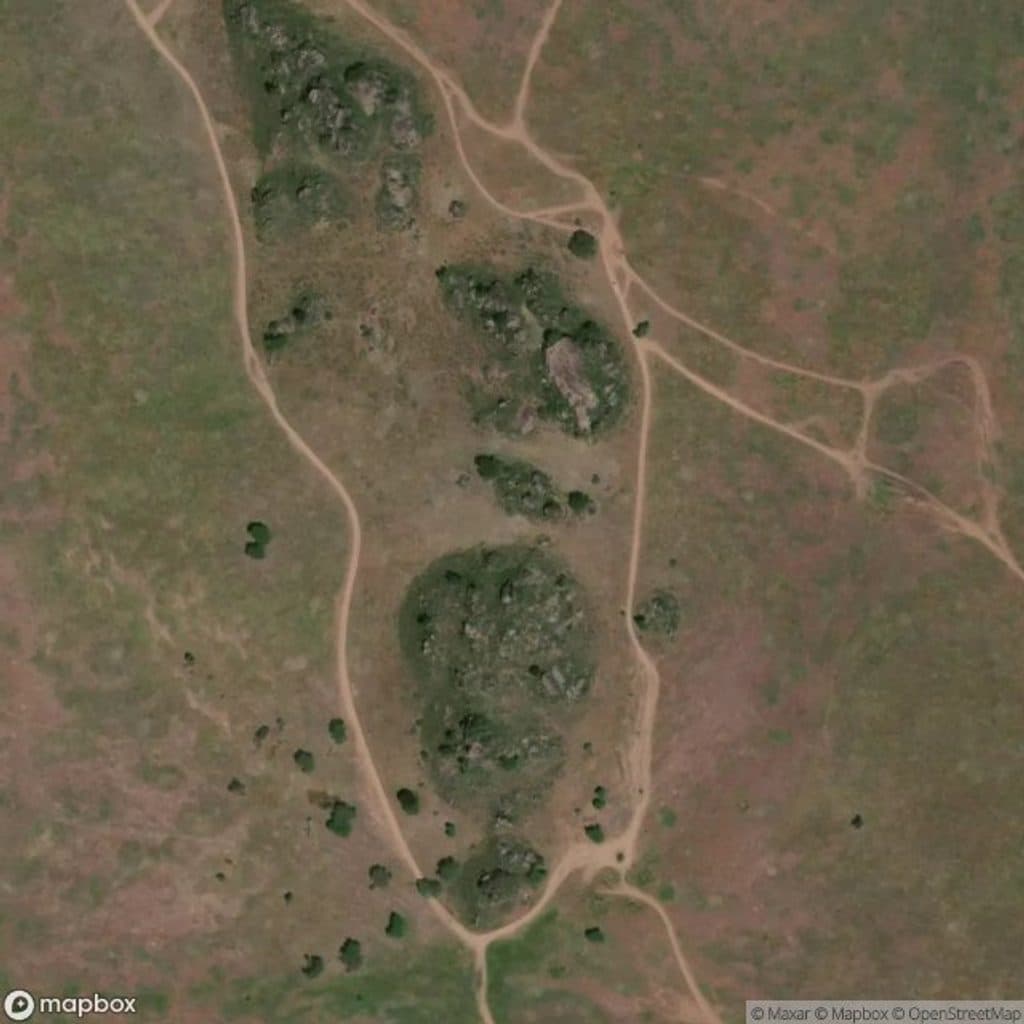
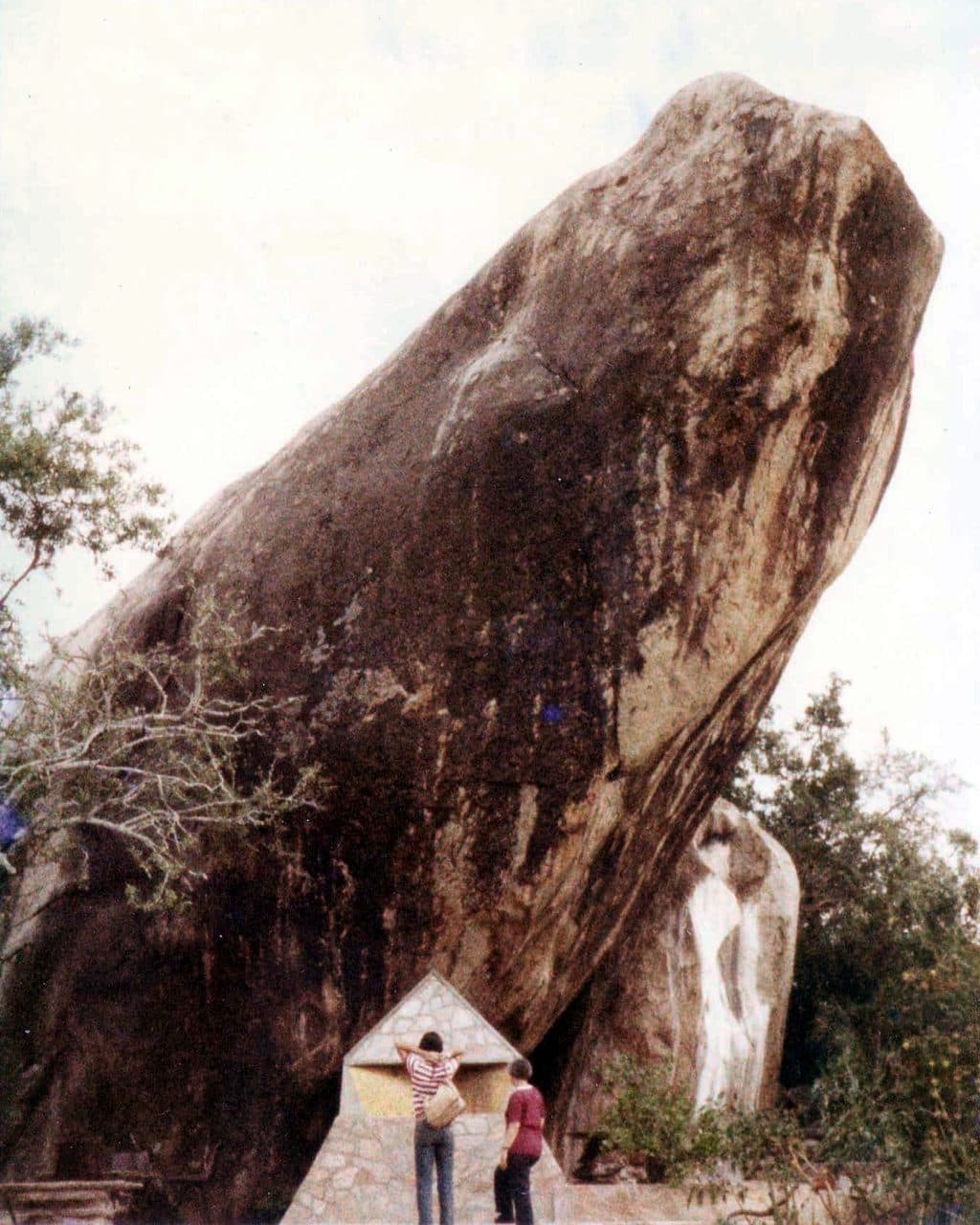
Central and eastern Serengeti around Seronera is thick with accessible kopjes. Moru Kopjes is the headline cluster many itineraries include, and Maasai Kopjes are known for leopard activity. You’ll also encounter named outcrops like Simba Kopje—famous for inspiring film imagery.
Have your guide slowly circle each kopje. Glass every ledge, tree, and shaded base; then pause with the engine off—predators often reveal themselves when it’s quiet. For photos, early and late light is magic, and stormy afternoons can turn the rocks into silhouettes against dark skies. A solid zoom (around 300–400 mm) and binoculars help; a beanbag steadies shots from the vehicle.
These are wild rocks, not developed viewpoints. Designated picnic sites in the kopje belt typically provide pull‑ins/parking, tables, and basic washrooms (often drop/pit toilets—bring your own TP and sanitizer). For cleaner facilities and running water, plan stops at hubs like the Seronera Visitor Centre or park gates. Walking is generally limited—stay in the vehicle unless a guide specifically leads a sanctioned walk.
Year‑round is good, with different moods by season. For wildlife, aim for dawn and late afternoon when cats bask on warm stone or climb to scout; at midday, check shaded ledges and boulder bases. Photographers should target sunrise and sunset for golden tones and long shadows; after storms, watch for dramatic skies. When rains green the plains, herbivores disperse a bit, but predators still work the high ground.