Place · 0 mi away

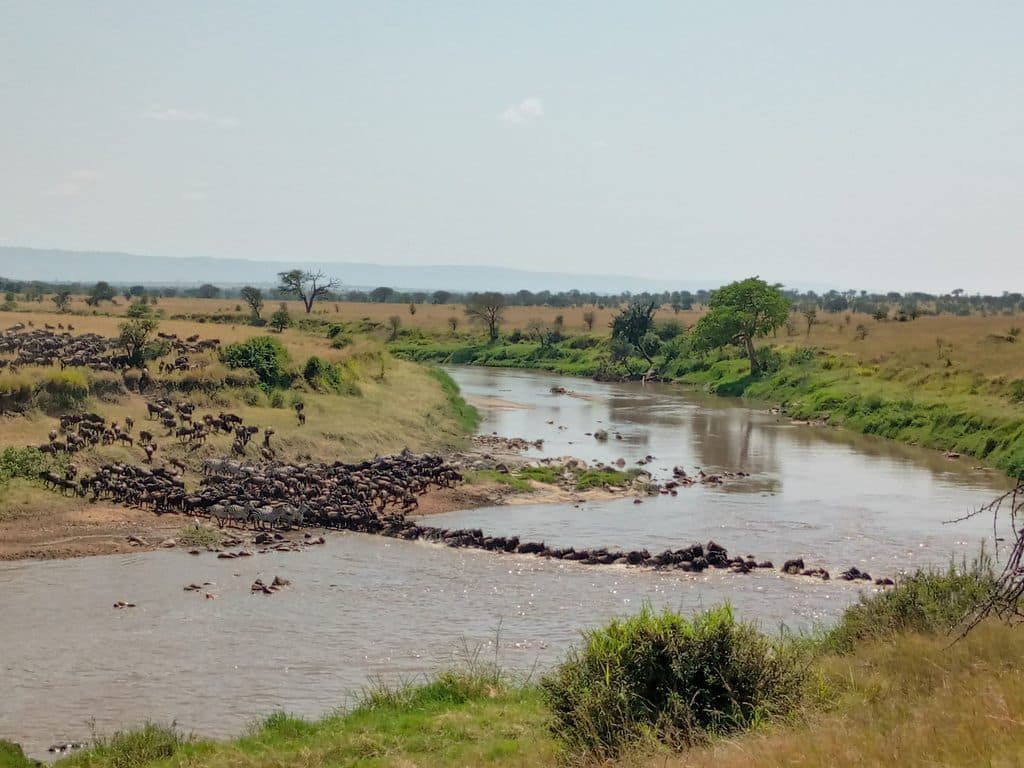
Kirawira Hills rise above the Western Corridor with a classic Serengeti look: granite kopjes poking through seas of grass and wide, west-facing vistas across the plains. It’s a scenic, quieter corner than the busy central areas and a smart perch when the Great Migration swings through the corridor.
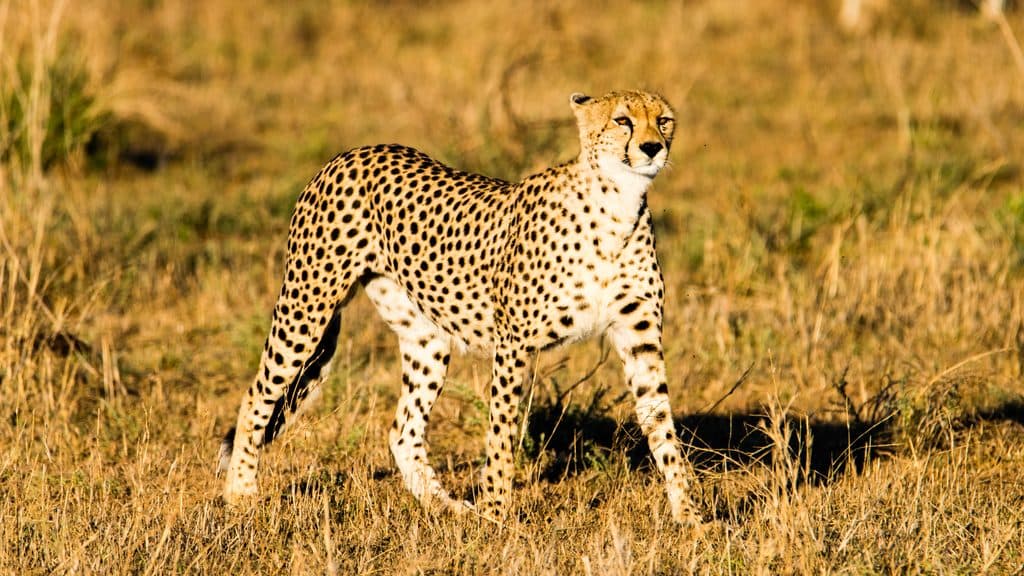
Those kopjes aren’t just pretty rocks. They’re ecological islands—cooler, moister refuges that hold water a bit longer, shelter plants, and give wildlife places to hide, bask, and scan the plains. Expect lizards and snakes on warm rock faces and, with luck, big cats using the boulders as lookouts.
Kirawira’s hills are built from very old rocks—Precambrian volcanic material, banded ironstones, and nutrient-poor granites dating back hundreds of millions to billions of years. The granite once intruded as a molten “bubble” and, over eons of heating, cooling, and wind, weathered into rounded boulders known as kopjes. East of Seronera the soils are ash-rich from younger Rift volcanoes, but out here the underlying rocks are much older—one reason the landscape and vegetation feel different.
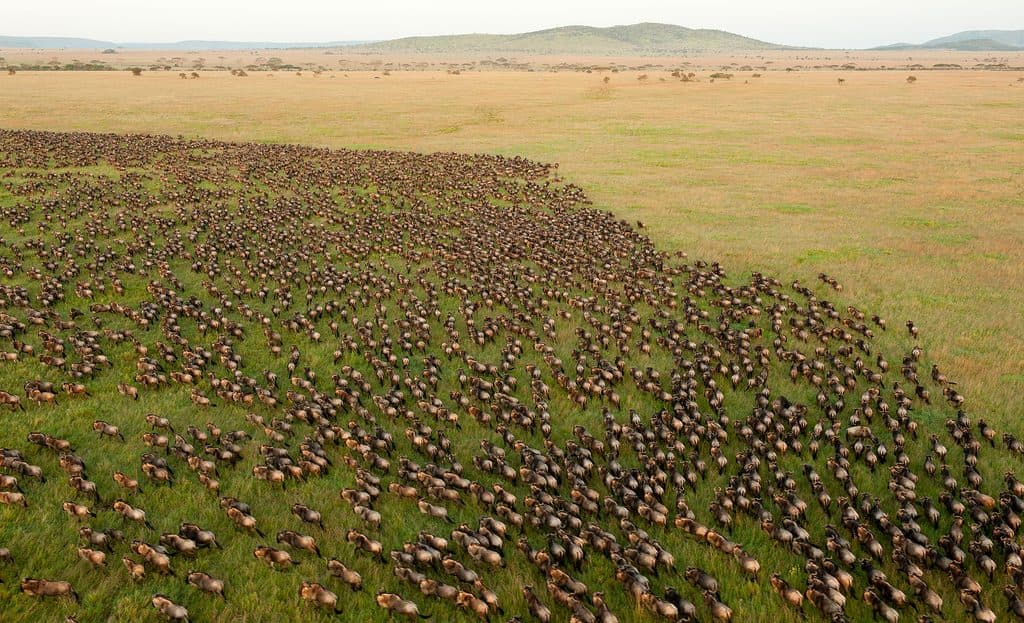
From roughly May–July, the Western Corridor becomes a frontline for the Great Migration, and Kirawira Hills make a handy vantage to scan for moving herds and predators shadowing them. Outside that window there’s still resident game, but densities naturally dip compared to peak migration months.
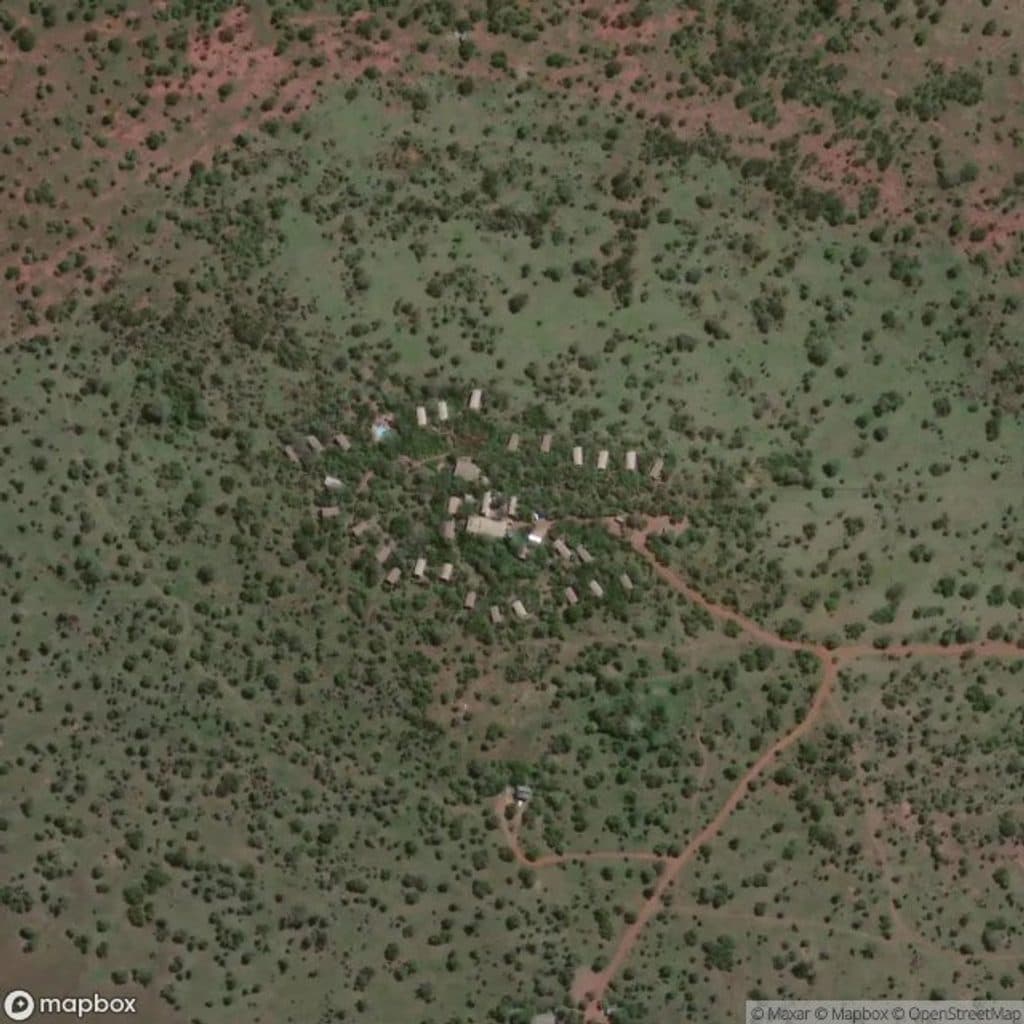
This is a game-drive destination: you’ll explore by vehicle along established roads. There are no public hiking trailheads on the hills; walking is permitted only on guided, lodge-organized walks. There aren’t public facilities here, so plan your stops at designated picnic sites or ranger posts elsewhere in the corridor.
The Serengeti’s patchwork of ancient bedrock and younger volcanic soils shapes plant nutrients, which in turn influences where and when grazers move. Kirawira’s older rocks and kopje islands are part of that mosaic—one of the subtle, long-term drivers behind the Migration’s grand circuit.