Kirawira Plains

Quiet western plains for migration drama and big-sky sunsets
Kirawira Plains, Serengeti National Park
InsideSerengeti National Park

Overview

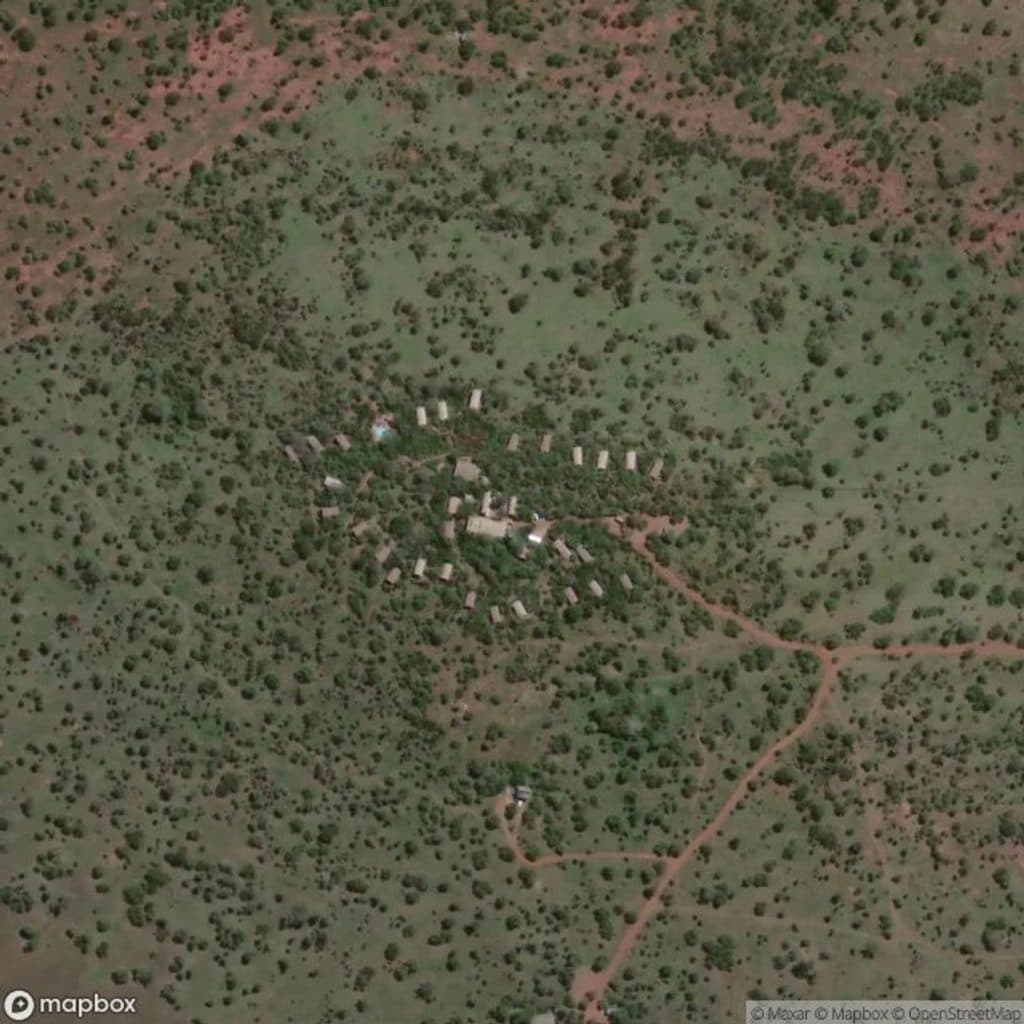
Kirawira Plains stretch across the Serengeti’s Western Corridor—quiet, open country with long, golden views and big west-facing sunsets. It’s a calmer alternative to the busier central areas, and hilltop camps here look out over a sea of grass that feels endless.

Why it’s special

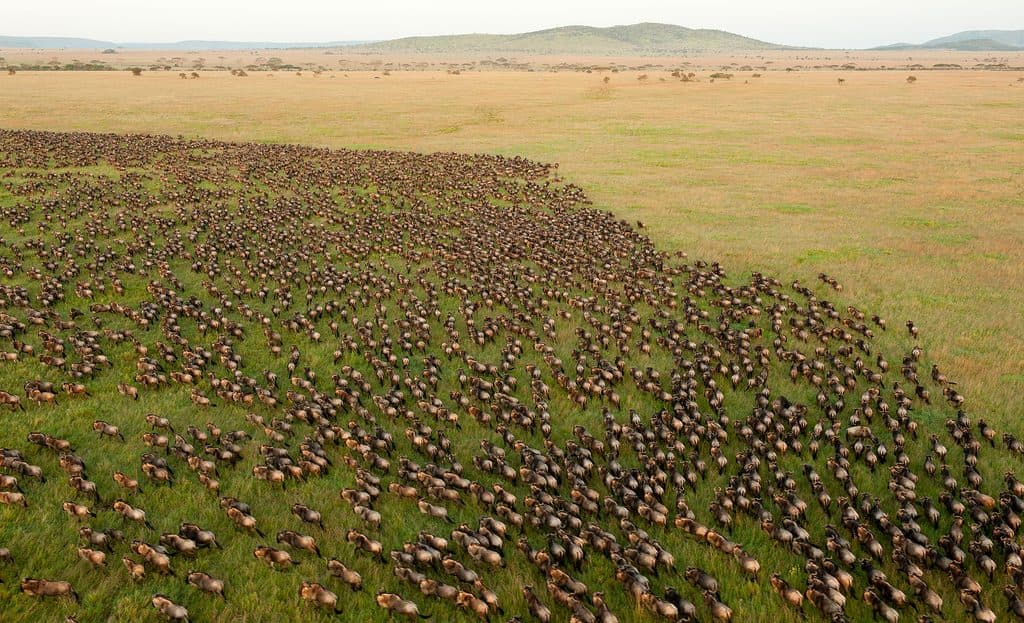
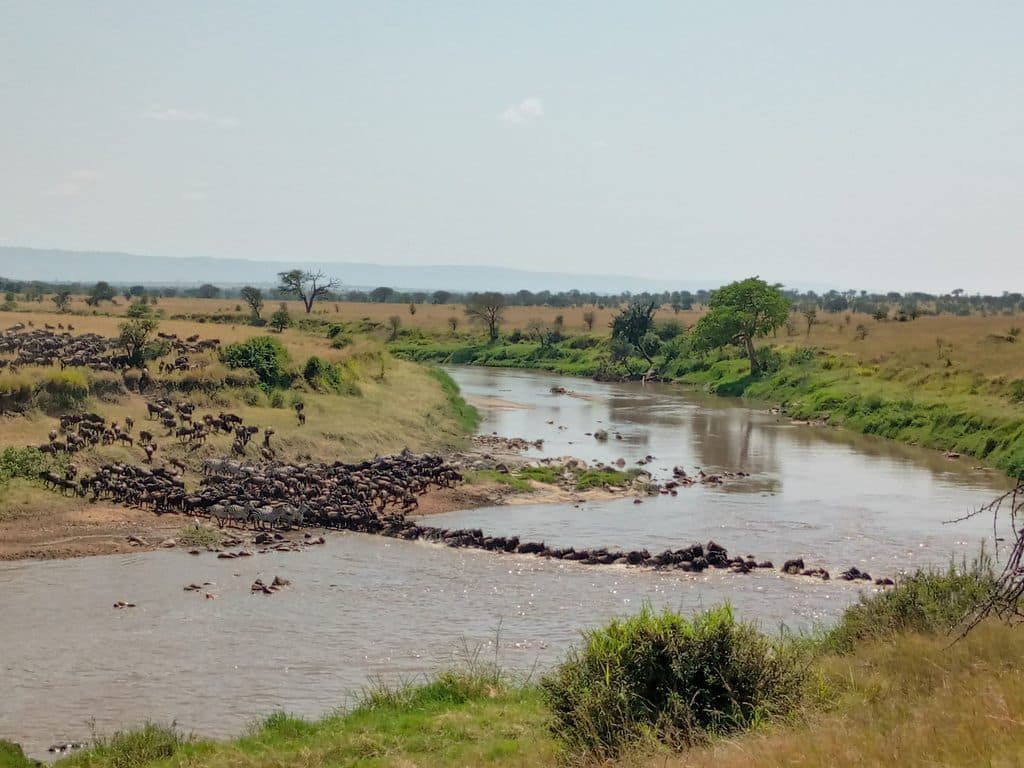
From late May through July, the Great Migration often pours through this corridor en route to the Grumeti River. When it hits, the plains feel alive with wildebeest and zebra and the predators that shadow them. Even outside peak months, you can find resident game and wide-open scenery that’s made for scanning and photography.

Wildlife you might see

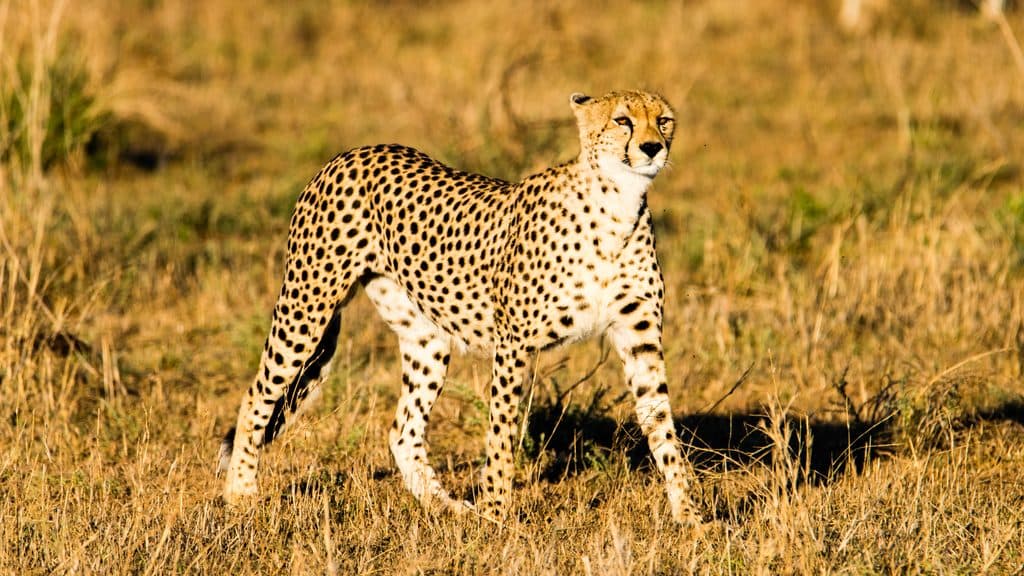
During the migration window, expect vast herds and attendant predators. Year‑round residents include giraffe, elephant, buffalo, zebra, lion, cheetah, hyena, hippo and large crocodiles near watercourses. The Western Corridor also has a regional specialty: black‑and‑white colobus monkeys in riverine forest.

Things to do

  • Classic 4×4 game drives focused on migration movements and Grumeti country.
  • Birding on the open plains and along rivers.
  • Optional sunrise hot‑air ballooning for an aerial read of the corridor.
  • Day trips toward Lake Victoria (typically an added‑cost excursion arranged through your lodge).

Getting there & on-the-ground logistics

Most visitors fly into nearby airstrips and transfer by vehicle; Kirawira is about 14 km from the Grumeti Airstrip. Many travelers arrive with a private driver‑guide and use the plains as a base for morning and afternoon loops. Public facilities in the plains aren’t clearly marked; day visitors commonly rely on designated park picnic sites or their lodge if staying.

Best time to visit

  • For the Migration: late May–July, when herds funnel through the Western Corridor. Build in flexibility—movements shift with weather.
  • For general wildlife: the long dry season offers solid viewing. Plan dawn and late‑afternoon drives for softer light and heightened predator activity.
  • Photography: west‑facing sunsets can be superb from hilltop viewpoints; early morning gives gentle side‑light across the grasslands.

Keep in mind

Kirawira is quieter than the central Serengeti, but sightings outside the migration peak can be more spaced out. Treat it as a scenic, seasonal jackpot rather than a nonstop‑action zone.

Pros

  • Panoramic Western Corridor views with glowing west-facing sunsets
  • Prime vantage for the Great Migration from late May to July

Cons

  • Remote area with limited public facilities
  • Outside May–July, wildlife densities are lower than central/northern areas

Tips

  • Time your visit for late May–July if you want the migration nearby.
  • Plan dawn and late‑afternoon drives for the best light and predator activity.
  • Reserve a sunrise balloon flight well ahead for peak season.
  • Carry your own binoculars; 8–10x makes scanning the plains much easier.
  • If self‑driving, confirm the nearest picnic sites with toilets before you go.
The Parkwolf tour guide sitting on a phone mounted in a car

Parkwolf Tour Guide

Like a tour guide in your car.

Save the places you found around Serengeti, then let Parkwolf guide the drive between them.Download Parkwolf on the App Store