Place · 0 mi away

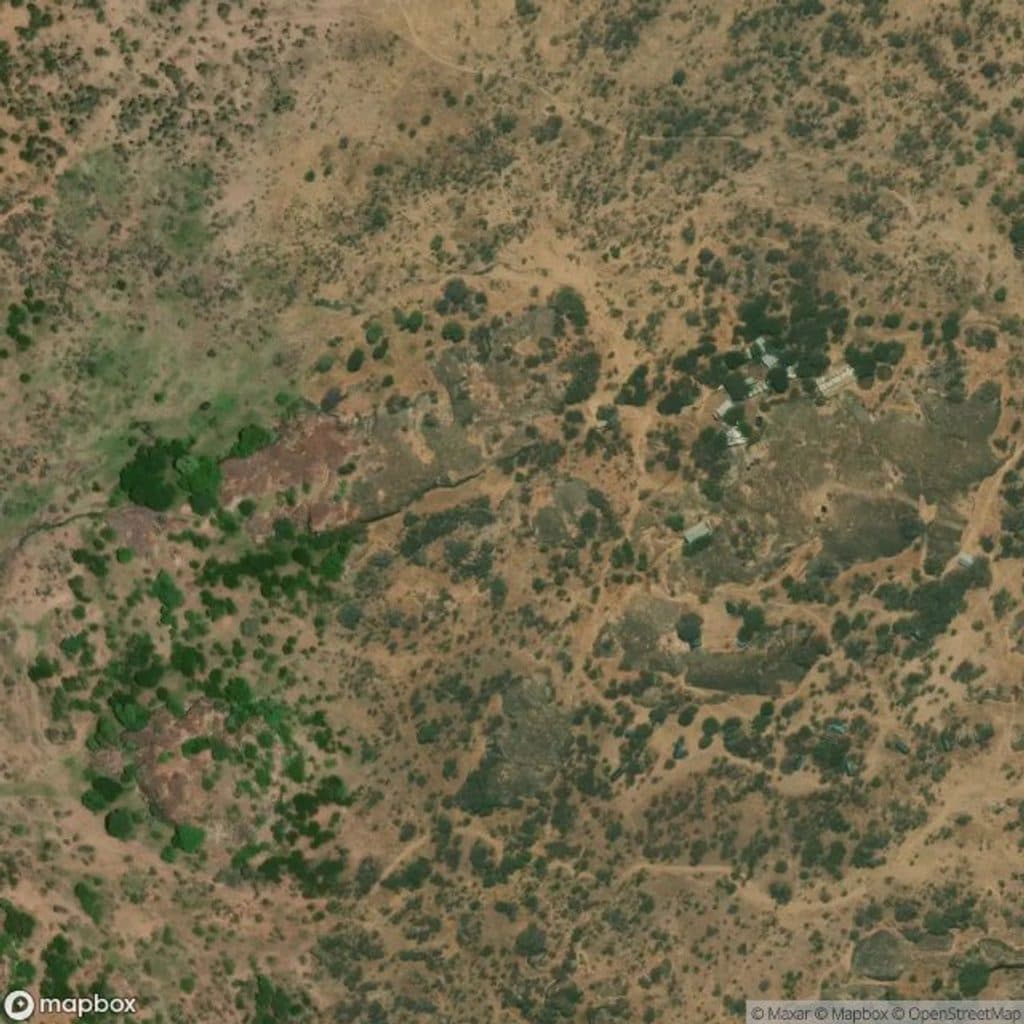
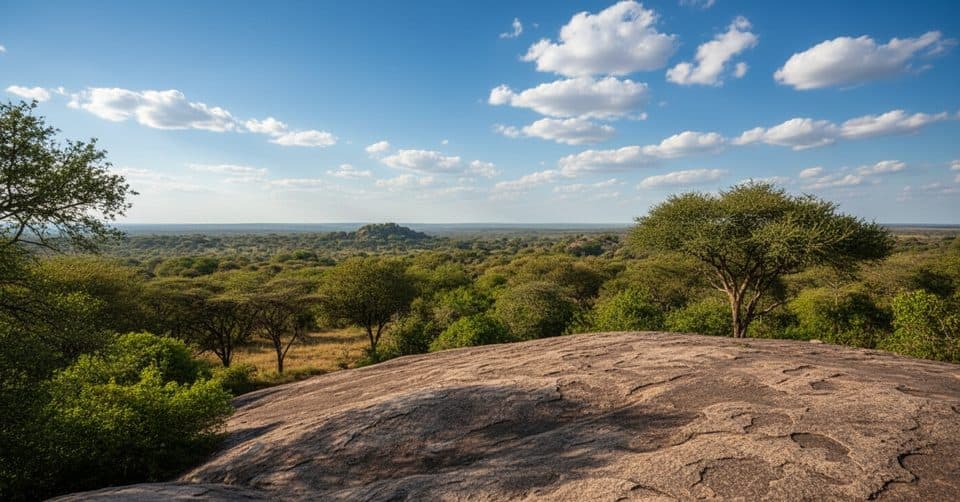
In the far southwest, the Kusini Kopjes rise like islands from open short‑grass plains—classic Serengeti granite domes that double as watchtowers for lions and leopards. It’s quiet, remote, and scenic in that big‑sky way; you come here for sweeping views and intimate wildlife moments rather than crowds.
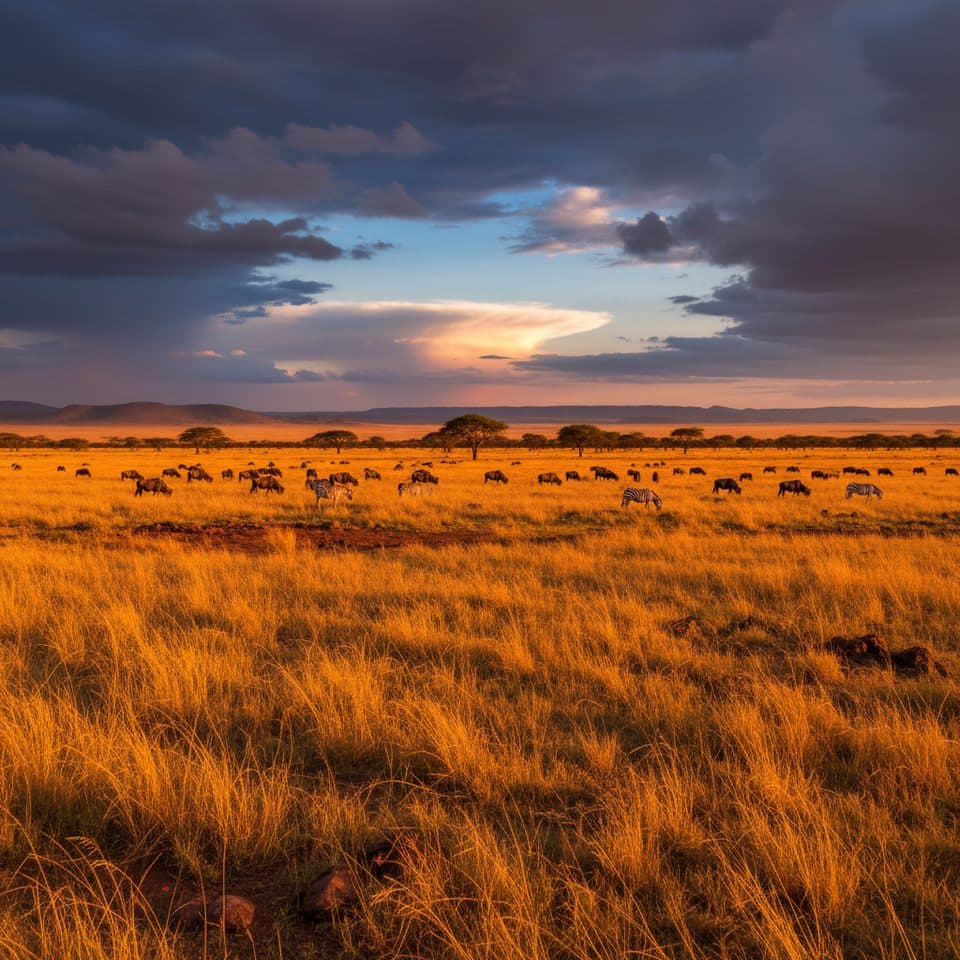
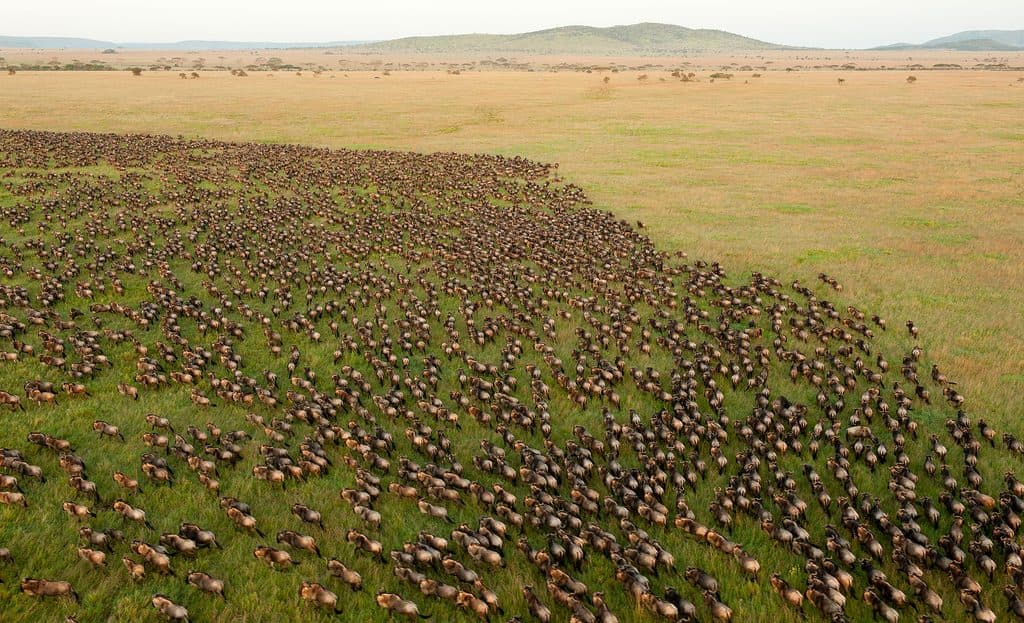
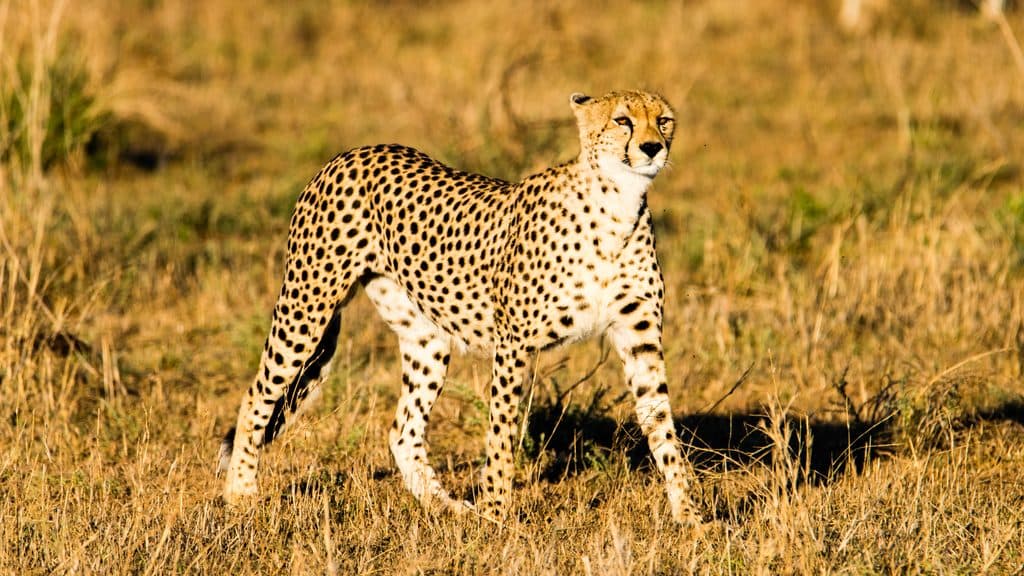
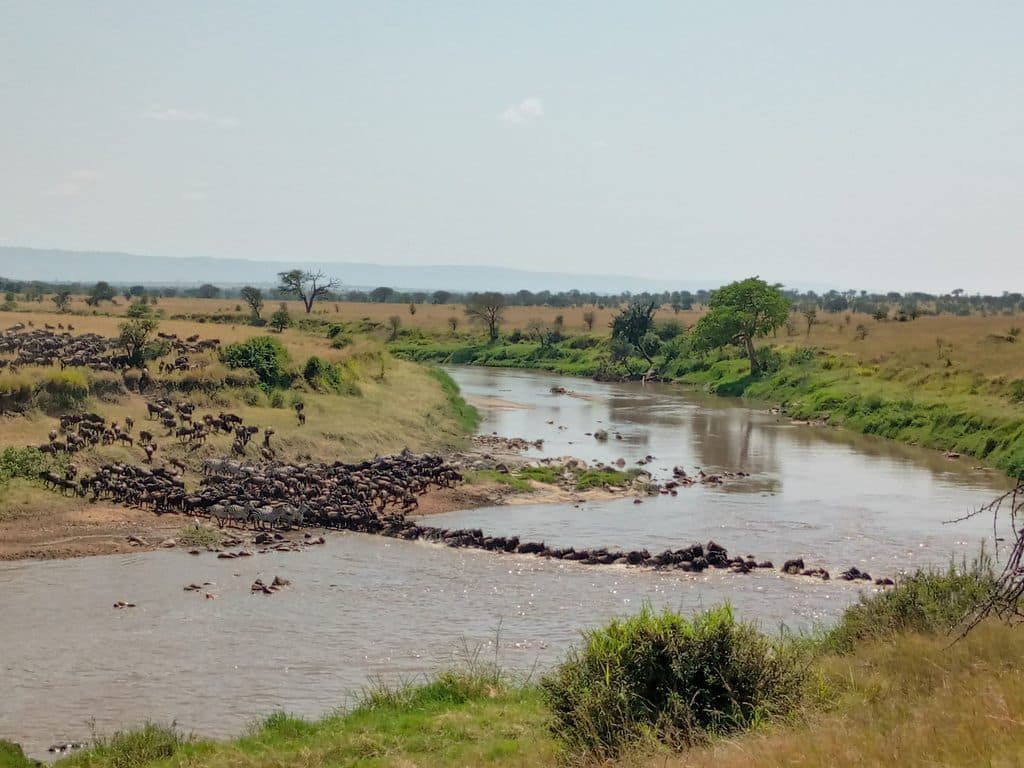
Kopjes create cool, sheltered micro‑habitats with cracks, shade and rainwater pockets—perfect for hyrax, lizards and, crucially, big cats. Around Kusini, the treeless plains are also ideal cheetah country, so you get that mix of rocky lookouts and fast‑cat hunting grounds. When the Great Migration drops south for calving (roughly December through April), the surrounding short grass turns into daily predator‑prey theater.
Expect reliable lion action around the rocks and excellent chances for cheetah on the plains; leopard sightings are very possible on the kopjes themselves. Birding is strong along the rocky gardens and fringes of woodland, with good activity around the kopje edges.
Most visitors reach the area via nearby airstrips and continue in camp vehicles; self‑drivers should confirm with park authorities and any camp before planning stops. There are no public restrooms or formal facilities at the kopjes—guides arrange discreet bush‑toilet breaks as needed. It’s unfussy, genuine safari country.
For sheer drama, plan for December–April when wildebeest and zebra gather to calve and predators concentrate. Year‑round game viewing holds up thanks to resident cats. Light is gorgeous at sunrise and late afternoon for photographing the granite forms and the plains beyond; midday heat is for siestas, not photos. The area’s remoteness keeps vehicle numbers low most days.
Tsetse flies may appear in nearby woodlands: wear neutral colors (skip black and blue) and bring strong repellent; your guide may keep windows up through known patches. Bring binoculars and a longer lens for cats on distant rocks. Carry tissues and hand sanitizer for bush stops. If you want a sundowner viewpoint on a kopje, let your guide know—those golden‑hour perches are the signature Kusini moment.