Kusini Plains

Remote short‑grass plains for calving herds and prowling cats
Kusini Plains, Serengeti National Park
InsideSerengeti National Park

Overview

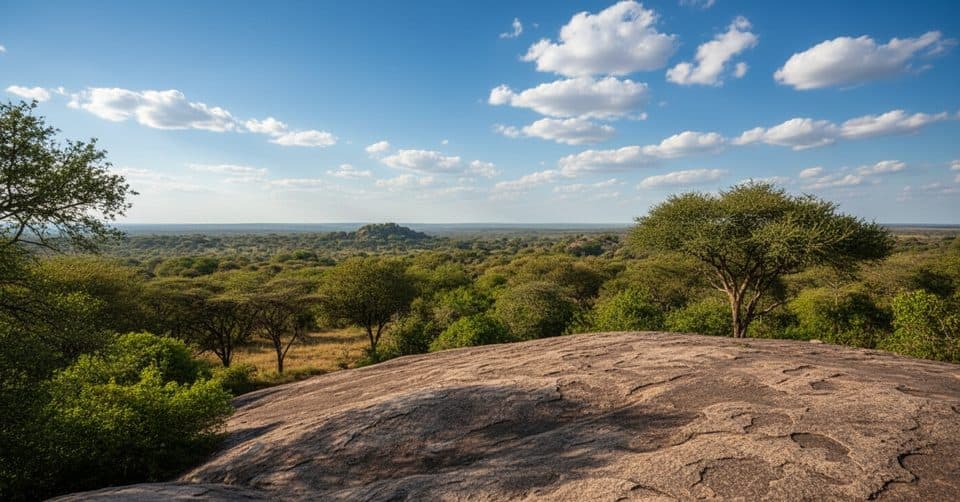
Kusini sits in the far south on open short‑grass plains punctuated by granite kopjes. It’s remote, quiet, and made for long horizons and on‑top‑of‑the‑world viewpoints from the rocks. Several camps operate here seasonally, and it tends to see fewer vehicles than the busier central areas.

Why It’s Special

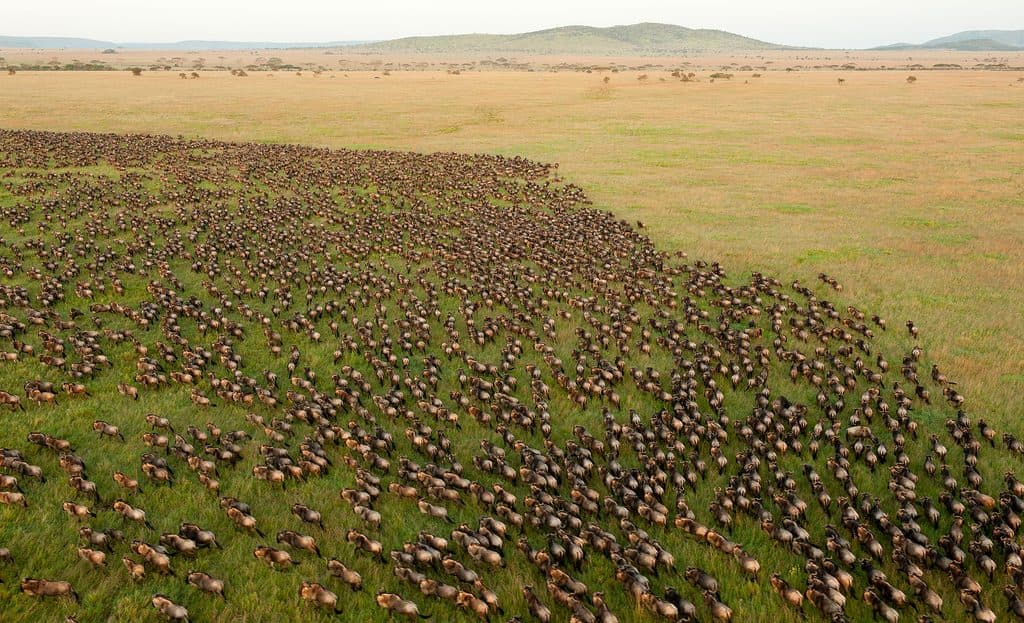
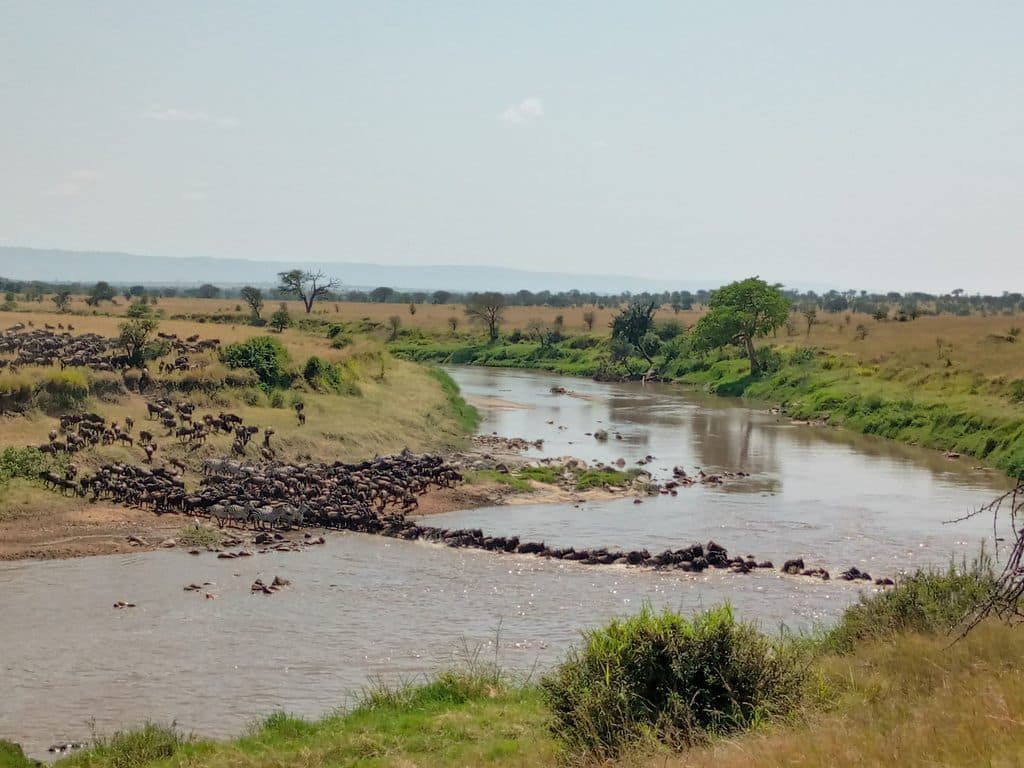
When the Great Migration swings south, these short grasses turn into a nursery. From roughly January–March, wildebeest and zebra drop calves in staggering numbers—an irresistible magnet for cheetahs and lions. Even outside peak months, resident predators and plains game keep sightings strong.

Wildlife Highlights

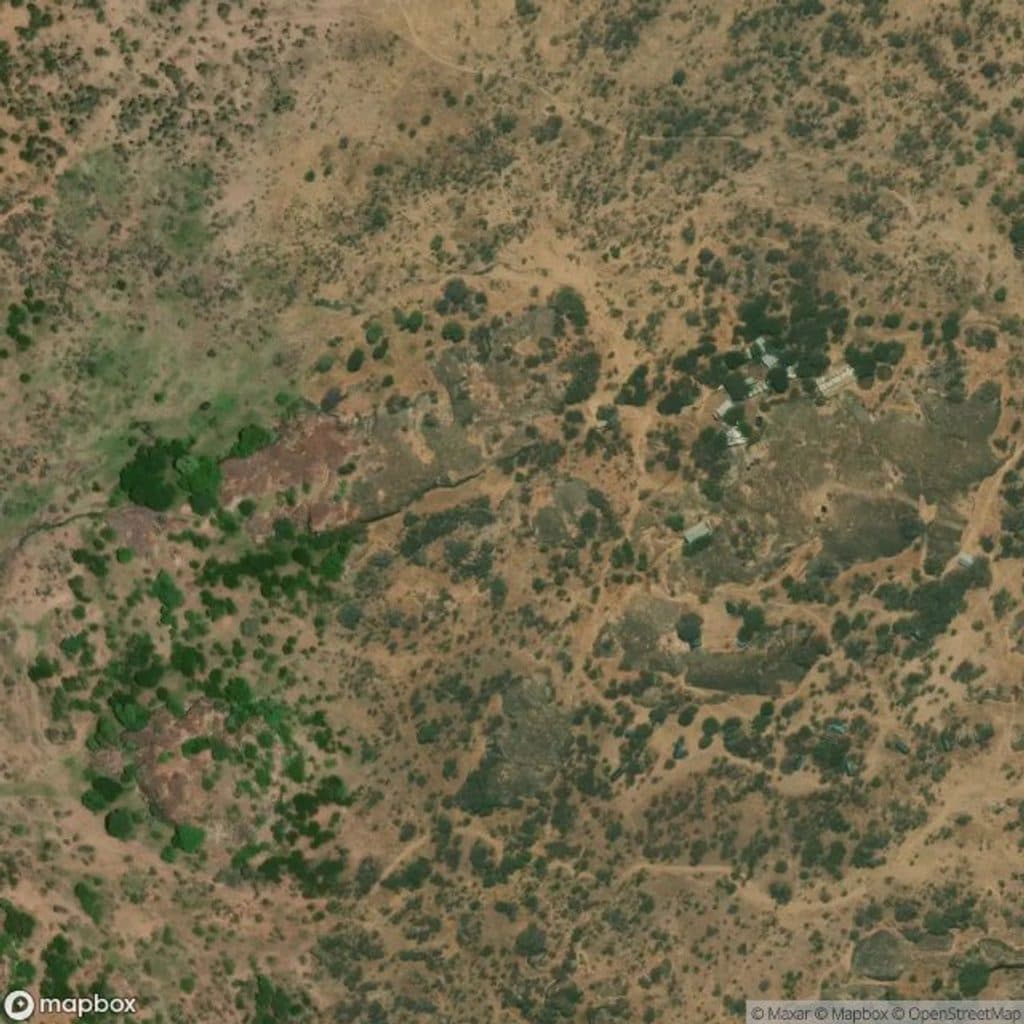
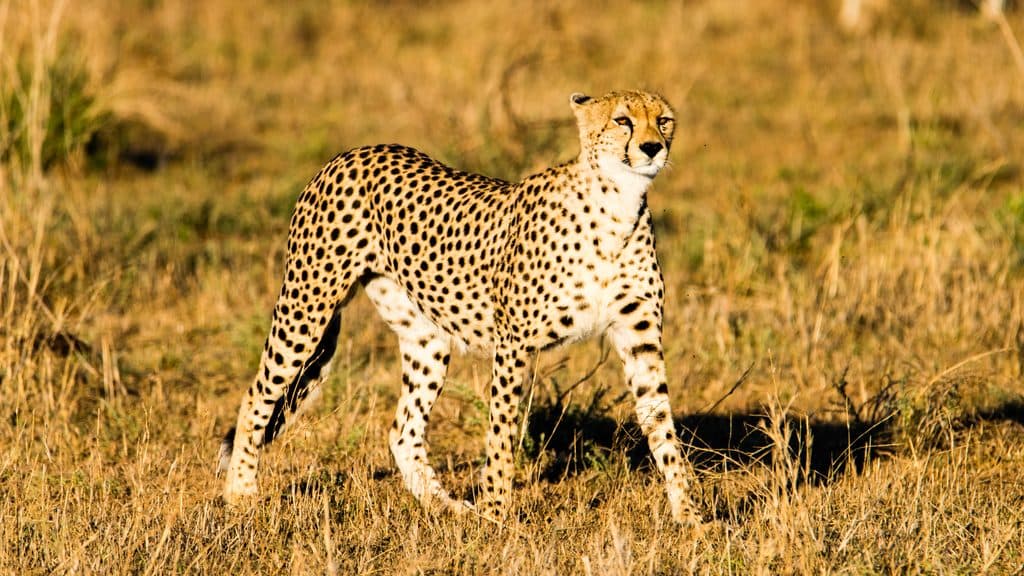
Expect multiple lion prides using the kopjes for shade and vantage, good odds of cheetah on the short grass, and occasional leopard around rocky outcrops. Elephant, giraffe, buffalo, hyena, and plenty of plains game round things out. A local favorite nicknamed the “Kusini Crater”—a circular grass flat ringed by acacia—often concentrates game and is known for cheetah encounters.

Best Time to Visit

  • Green season (late Nov–May): moody skies, lush landscapes, and the headline calving action Jan–Mar.
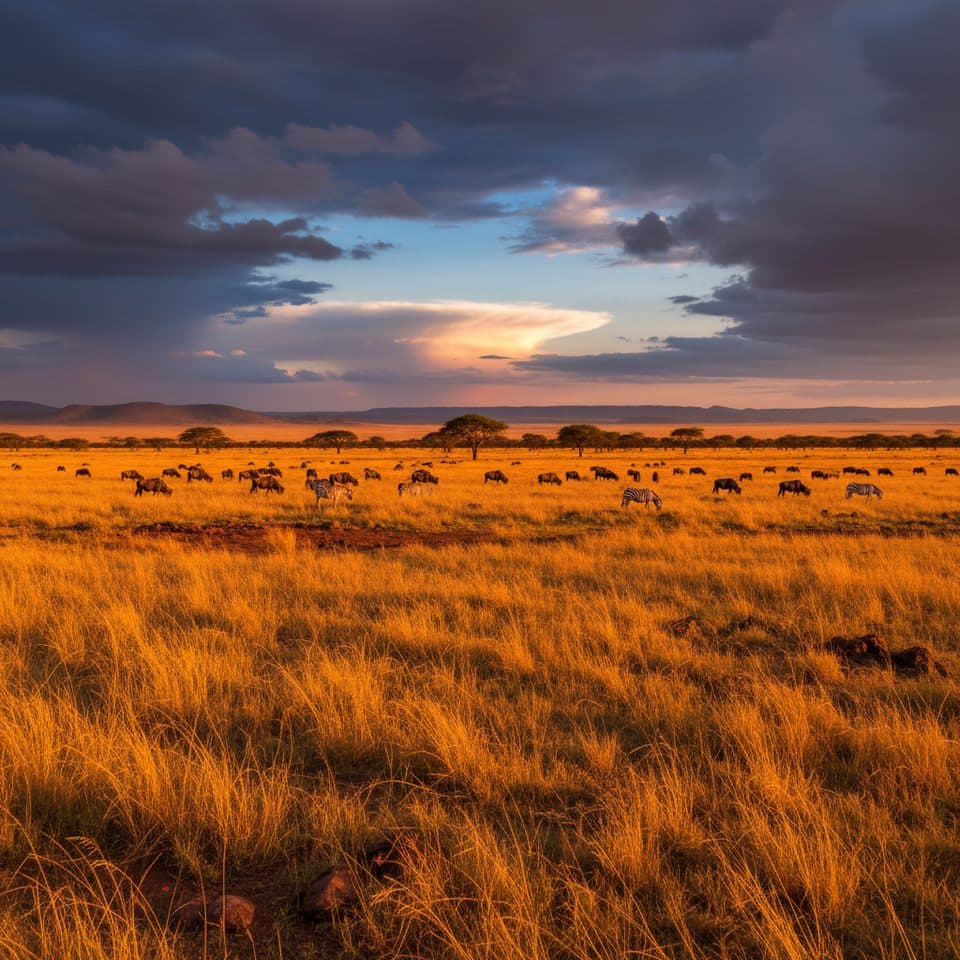
  • Dry months: golden grass and long views with reliable resident predators.
For photography, work the soft light at sunrise and the warm glow before sunset; mid‑day heat is siesta time for both animals and humans. Crowds are generally light given the area’s remoteness.

Getting There & Logistics

The simplest approach is to fly to a nearby bush airstrip and transfer with your lodge. Self‑drivers should plan fuel, water, and comfort stops through their camp—there aren’t standalone public amenities here. A 3–4‑night stay lets you follow predator movements and react to weather and herds.

What a Day Feels Like

Pre‑dawn coffee by the fire, an early game drive (often with a bush‑breakfast), a lazy siesta through the heat, then an afternoon drive to hunt for cats and wrap with kopje sundowners. Guided walking on the granite outcrops is a signature experience and a brilliant way to read tracks and geology.

Geology in a Nutshell

Beneath the short grasses lie ancient Precambrian granites and gneisses. Erosion exposed rounded kopjes—little ecological islands that trap moisture and create shade and lookout posts for predators. Volcanic ash from the highlands formed shallow, mineral‑rich soils that favor nutritious short grass, which is exactly why calving herds love it.

Practical Notes

  • This is wild, open country—always follow your guide’s lead around kopjes and cats.
  • Typical safari etiquette includes tipping guides; many travelers budget around US$10–15 per guest per day when service warrants.
  • A new seasonal base camp is slated for mid‑December 2025, and several existing seasonal/permanent camps already operate here.

Pros

  • Prime spot for wildebeest calving Jan–Mar with intense predator action
  • Remote, kopje‑dotted short‑grass plains with fewer vehicles and big views

Cons

  • No public facilities; you’ll rely on a camp/guide for logistics
  • Very remote—flying to a nearby bush airstrip is usually the practical way

Tips

  • Plan 3–4 nights to follow predator movements and shifting herds.
  • Fly into a nearby bush airstrip and arrange transfers with your lodge.
  • Bring binoculars and a 300mm+ lens for cheetah on open short grass.
  • Wear grippy footwear for kopje walks and pack layers for cool dawns.
  • Ask your guide about the “Kusini Crater” for concentrated game viewing.
The Parkwolf tour guide sitting on a phone mounted in a car

Parkwolf Tour Guide

Like a tour guide in your car.

Save the places you found around Serengeti, then let Parkwolf guide the drive between them.Download Parkwolf on the App Store