Sanctuary Kusini Safari Camp

Remote 12‑tent camp with calving‑season drama and kopje sunsets
Sanctuary Kusini Safari Camp, Serengeti National Park
InsideSerengeti National Park

Overview

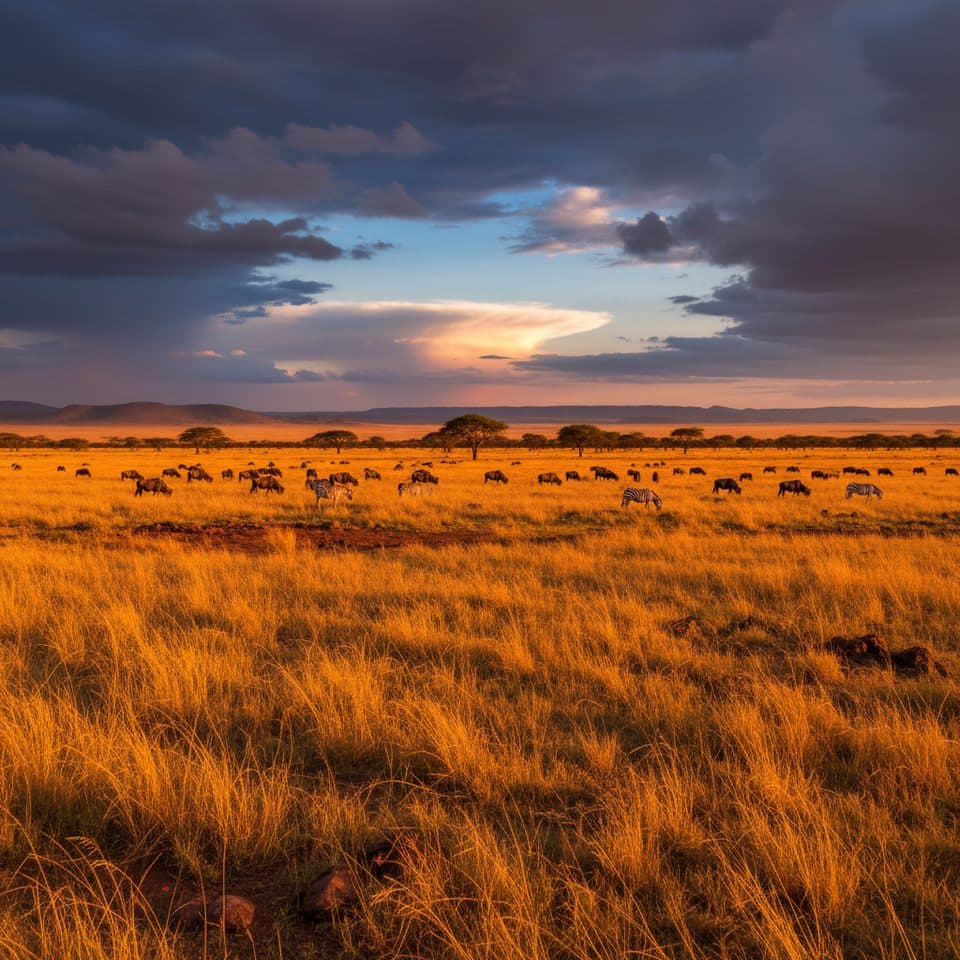
Sanctuary Kusini is a small, permanent tented camp tucked into a kopje in the remote southern Serengeti. With only twelve tents and endless plains in every direction, it feels private in a way most safari hubs don’t. The headline here is proximity to the calving grounds: when the herds push south, you’re already in position for the action.

Setting & Access

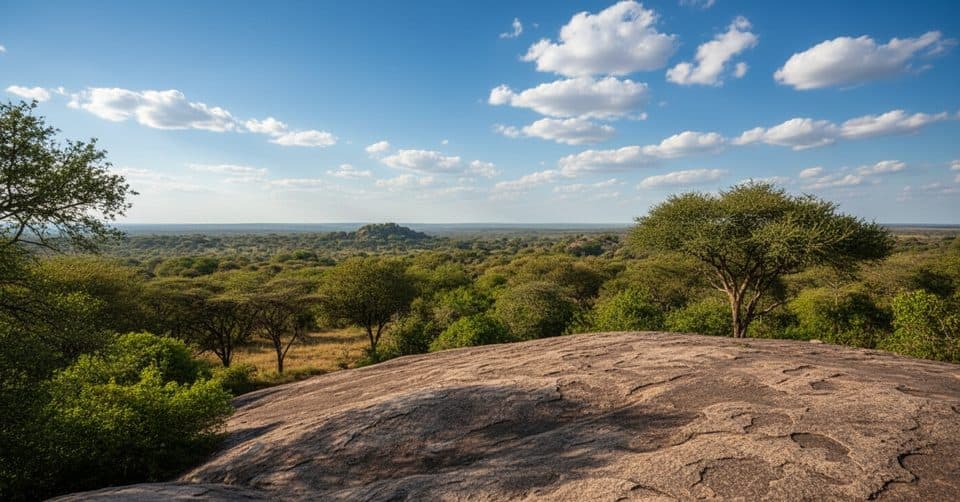
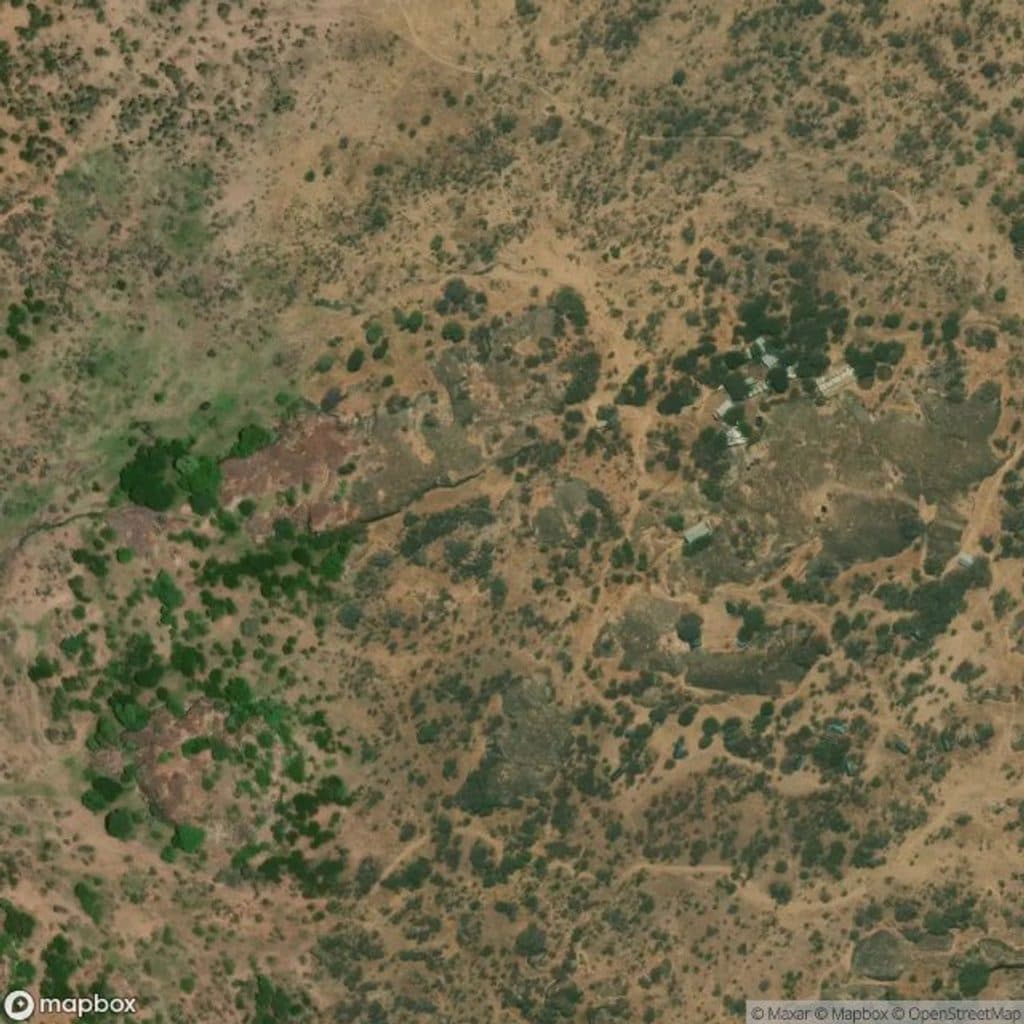
The camp sits among granite outcrops with big‑sky views. It’s served by a nearby private airstrip and also reachable by road via the central Serengeti, but expect a long travel day either way. The remoteness is the point—game drives here often have no other vehicles in sight.

Wildlife Highlights

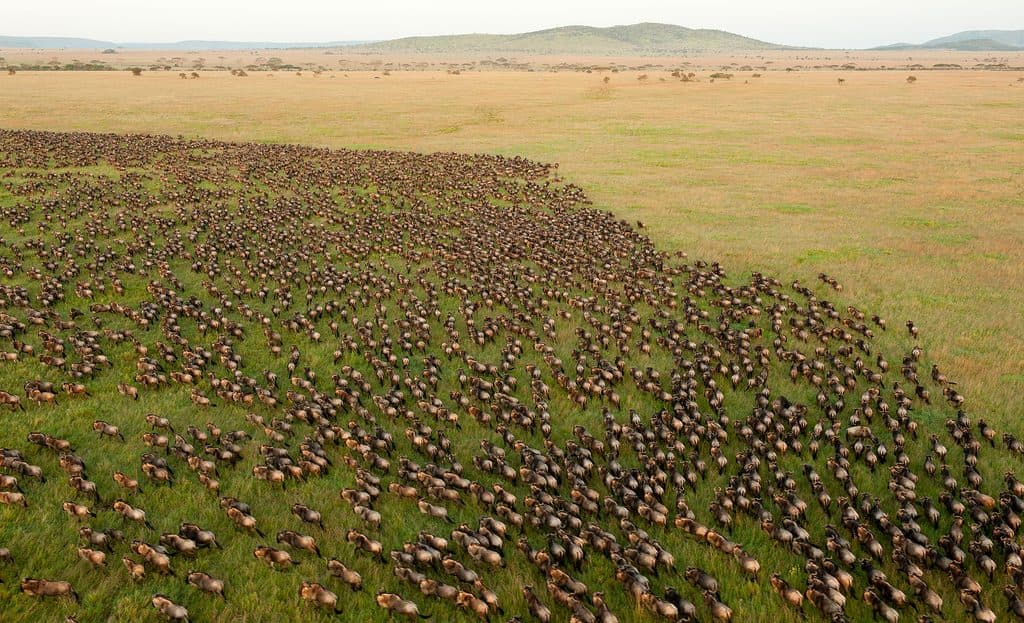
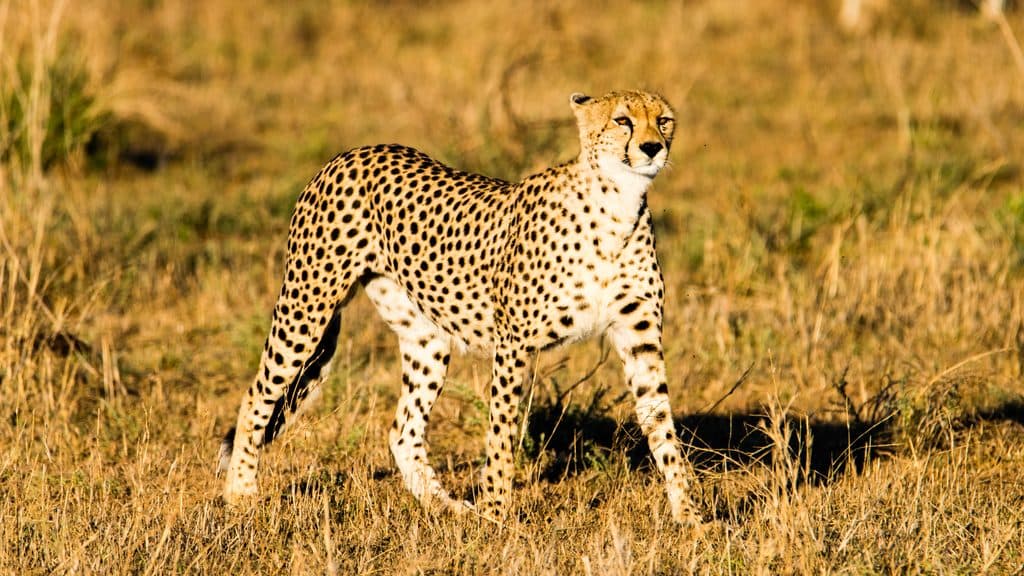
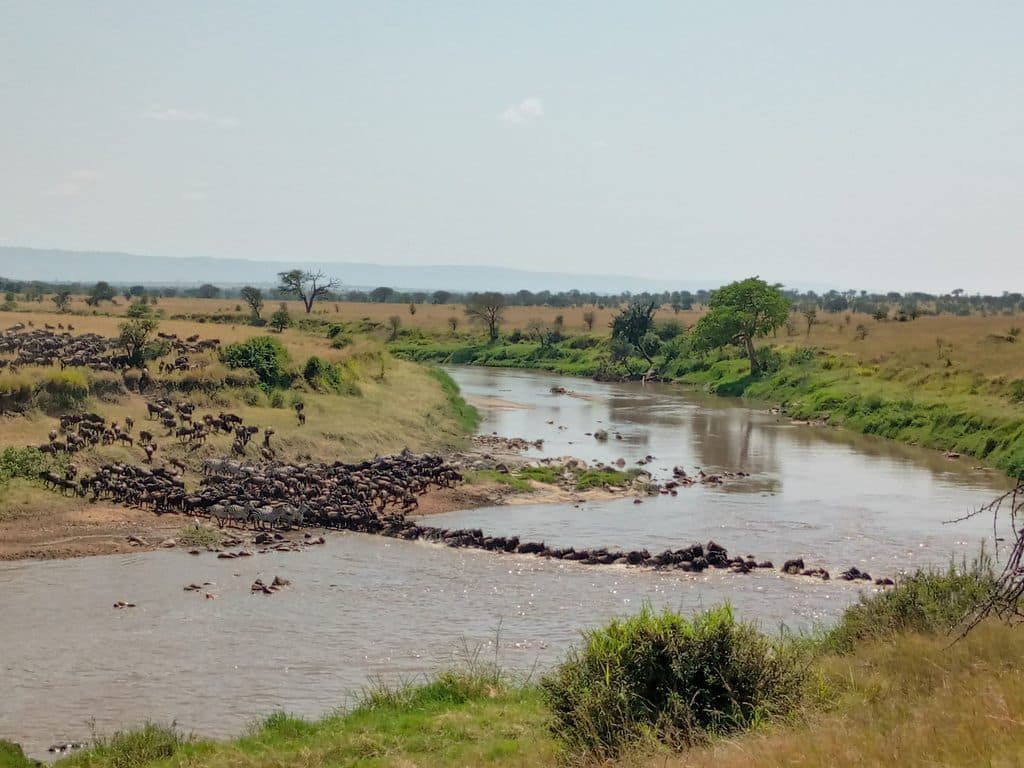
This area shines for predators: lions, cheetahs and leopards work the kopjes and surrounding grasslands. From roughly December through March, the Great Migration’s calving season transforms the southern plains as wildebeest and zebra crowd in, with intense predator interactions. Outside those months, resident game keeps drives rewarding without the bustle.

Activities

Twice‑daily game drives in custom 4WDs anchor the experience. Guests can join cheetah‑focused outings that contribute photos and sightings to an ongoing research program. Bush breakfasts, kopje sundowners and guided stargazing make the most of the camp’s elevated setting.

Tents & Camp Life

Twelve spacious, en‑suite canvas tents sit under acacias, each with a private wooden veranda. Expect mosquito netting, 220v charging outlets, a hairdryer and in‑room safe. A personal attendant looks after each tent. In the main area you’ll find a lounge, library and dining space with far‑reaching views. Meals, laundry and local drinks are included. There’s Wi‑Fi in the main area, but no air‑conditioning, telephone or cellular coverage.

Best Time to Visit

  • December–March: Peak if you’re chasing the calving season and predator drama, with soft dawn and dusk light for photography.
  • April–November: Quieter, with solid resident game and that coveted sense of having the Serengeti to yourself.


Even in high season, the southern sector around camp feels less crowded than the busier central corridors. Plan morning and late‑afternoon drives for the best wildlife and light; save the kopje for sunset.

Is it for you?

If you want a polished yet traditional canvas camp that trades convenience for exclusivity and serious wildlife, Kusini overdelivers. If you need constant connectivity or city‑hotel trimmings, the eco‑tented setup may feel a touch too rustic.

Pros

  • Front‑row base for the wildebeest calving season and big‑cat action
  • Remote 12‑tent setup on a kopje with sweeping plains views
  • Hands‑on cheetah monitoring drives and memorable kopje stargazing

Cons

  • Long, logistics‑heavy transfers and truly remote location
  • Connectivity is limited; Wi‑Fi only in main area and no cell service

Tips

  • Time a visit for December–March if the calving season is your priority.
  • Confirm your inbound airstrip and transfer plan with the camp or operator.
  • Expect limited connectivity; download what you need and plan to unplug.
  • Bring layers and a power bank—cool mornings and solar power can limit heavy charging.
  • Ask your guide to include a cheetah‑monitoring drive and a sunset on the kopje.
The Parkwolf tour guide sitting on a phone mounted in a car

Parkwolf Tour Guide

Like a tour guide in your car.

Save the places you found around Serengeti, then let Parkwolf guide the drive between them.Download Parkwolf on the App Store