Lemala Ewanjan Tented Camp

Intimate Seronera camp with big‑cat action and sunset‑facing tents
Lemala Ewanjan Tented Camp, Serengeti National Park
InsideSerengeti National Park

Overview

Set on the lower slopes near Makoma Hill at the end of the Seronera Valley, Lemala Ewanjan balances comfort with a true bush feel. It’s small (14 tents), stylish without being fussy, and perfectly placed for year‑round wildlife—this is big‑cat country with dependable water sources and classic Serengeti plains.

What Makes It Stand Out

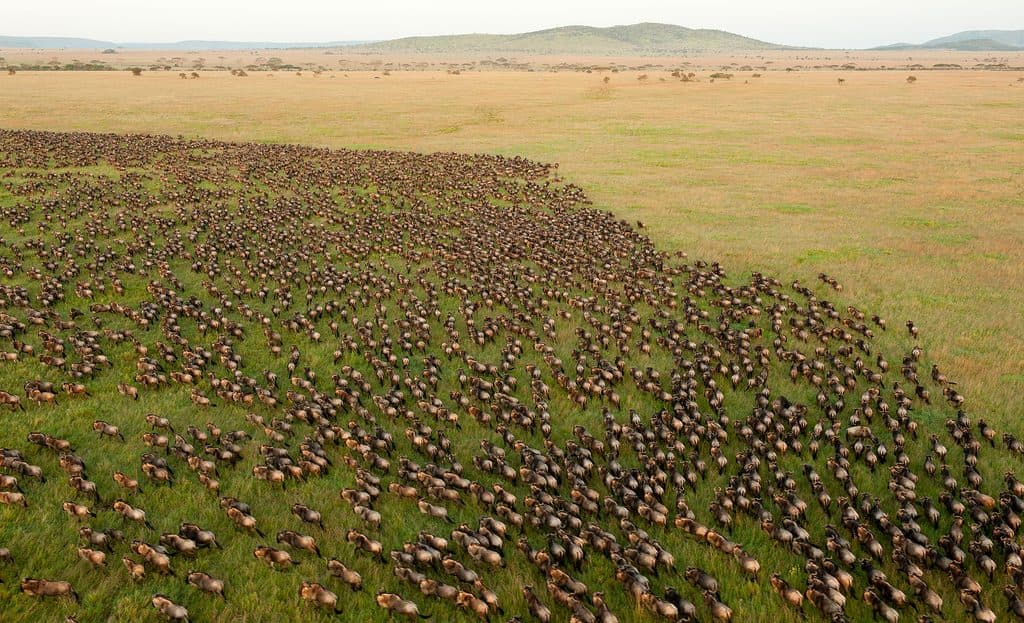
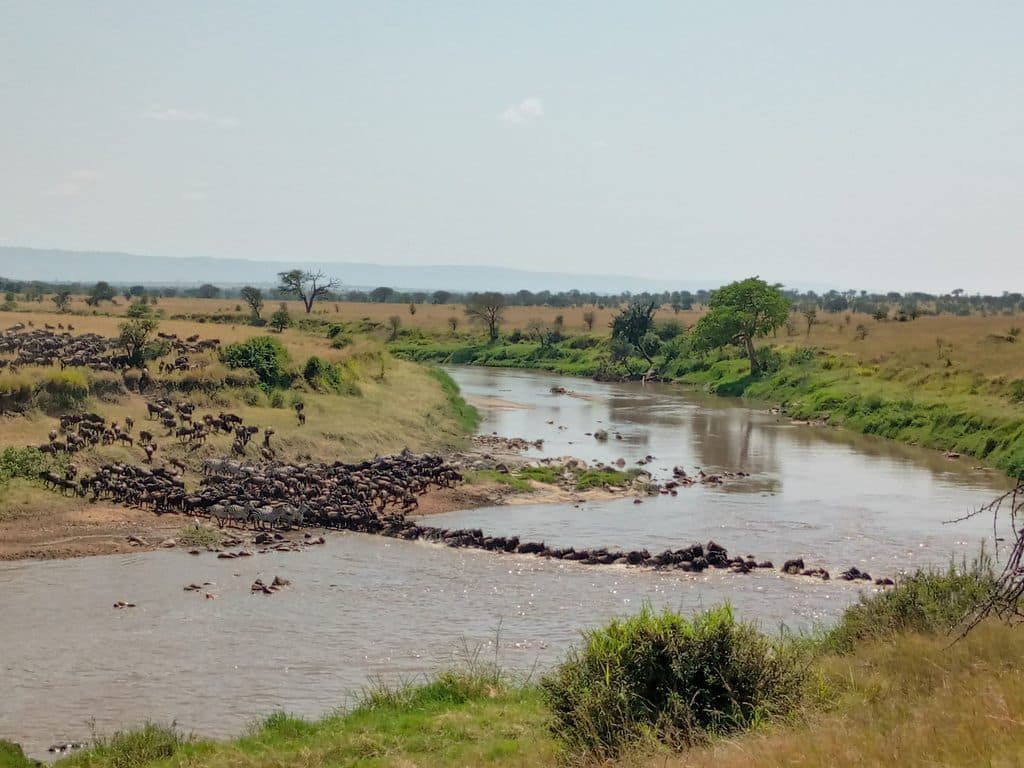
  • Location, location: central Serengeti means resident game all year and front‑row seats when the Great Migration sweeps through roughly April–June and again November–January.
  • Tents face open plains and sunsets, so your deck doubles as an evening viewpoint.
  • Thoughtful inclusions: full board with house drinks and complimentary (limited) laundry keeps life easy between game drives.

Tents & Camp Life

Twelve one‑bedroom tents (typically two queen beds or one king) plus two two‑bedroom family tents all come en‑suite with flush toilets and safari‑style hot showers. You’ll have 24‑hour solar power (backup generator), cozy duvets, wooden storage, and a private deck with loungers. The mess tent hosts the lounge, bar, and dining—think leather sofas, rugs, and an inviting campfire for sundowners. Complimentary Wi‑Fi and charging are available in the lounge/bar.

Wildlife & Activities

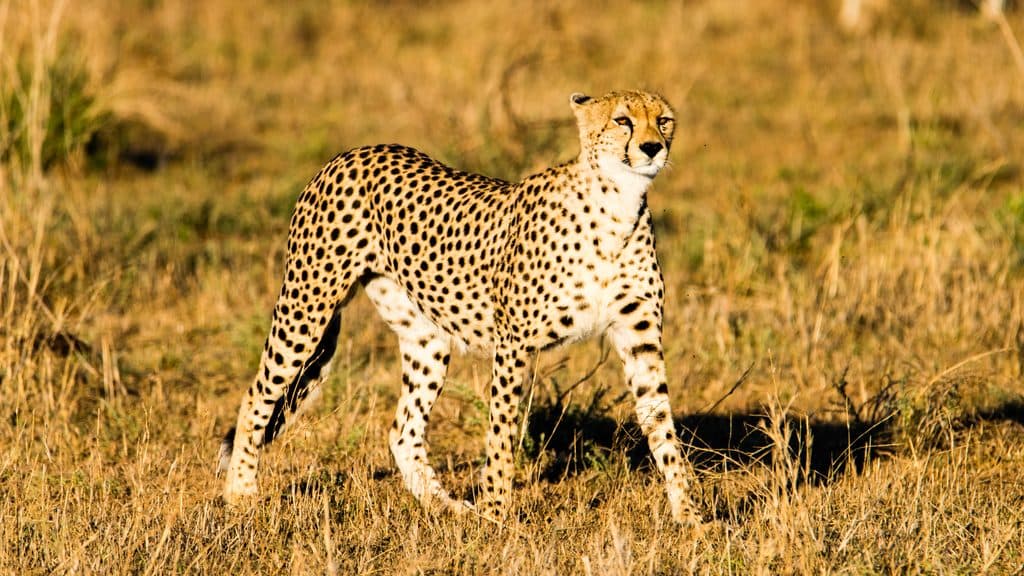
This Seronera base reliably delivers lions, leopards, elephants, buffalo, and more, with cheetah, hyena, jackal, giraffe, hippo, and rich birdlife in the mix. Guided game drives run early and late (into the evening), and optional hot‑air ballooning takes sunrise to another level. Seasonal walking in designated areas and the Lemala Cubs program keep active travelers and families engaged.

Practicalities

It’s about a 30‑minute drive from Seronera Airstrip, so you can be on the plains soon after landing. Stays are typically full board with house drinks included; premium wines/spirits, private vehicles, balloon safaris, park/concession fees, and transfers are extra. Rates have been listed from about $305 per person per night sharing, depending on season and specifics.

Trade‑offs to Know

Shade can be limited, so tents may warm up at midday in hotter months. This is an unfenced, genuinely wild setting—escorts are standard after dark, and children must be closely supervised.

Best Time to Visit

  • April–June and November–January: Best shot at seeing migration herds near camp, plus plenty of predator action.
  • Rest of year: Strong resident wildlife; dawn and late‑afternoon drives are golden for light and sightings.


For photography, plan sunrise and sunset sessions from your deck or out on drive; midday is better for a siesta.

Who It’s For

Safari‑keen couples, friends, and families who want central‑Serengeti convenience, intimate scale, and a true tented‑camp vibe without sacrificing comfort.

Pros

  • Prime Seronera location with year‑round game and migration access
  • Sunset‑facing, en‑suite tents with private decks and 24‑hour solar
  • House drinks and limited laundry included on full board

Cons

  • Limited shade can make tents hot at midday in warmer months
  • Extras like park fees, transfers, premium drinks and balloon safaris cost more

Tips

  • Time your trip for April–June or November–January if migration viewing is a priority.
  • Book family tents well ahead for peak months; there are only two.
  • Budget for extras like park/concession fees, transfers, premium drinks, and balloon safaris.
  • Expect an unfenced, wildlife‑rich setting—use escorts after dark and keep kids close.
  • Plan early‑morning and late‑afternoon drives; use midday for a siesta when tents are warm.
The Parkwolf tour guide sitting on a phone mounted in a car

Parkwolf Tour Guide

Like a tour guide in your car.

Save the places you found around Serengeti, then let Parkwolf guide the drive between them.Download Parkwolf on the App Store