Makoma Hill

Predator-rich lookout over sweeping plains and classic kopjes
Makoma Hill, Serengeti National Park
InsideSerengeti National Park

Overview

Makoma Hill rises from the central plains in classic kopje country—a bushy, granite-studded lookout that hands you the Serengeti on a platter. From the slopes and nearby vantage spots you get sweeping, 360-degree views, which is why guides love to build game drives around it. It even had a star turn in the 2021 Royal Tour film, which nudged more visitors to put it on the map.

Wildlife

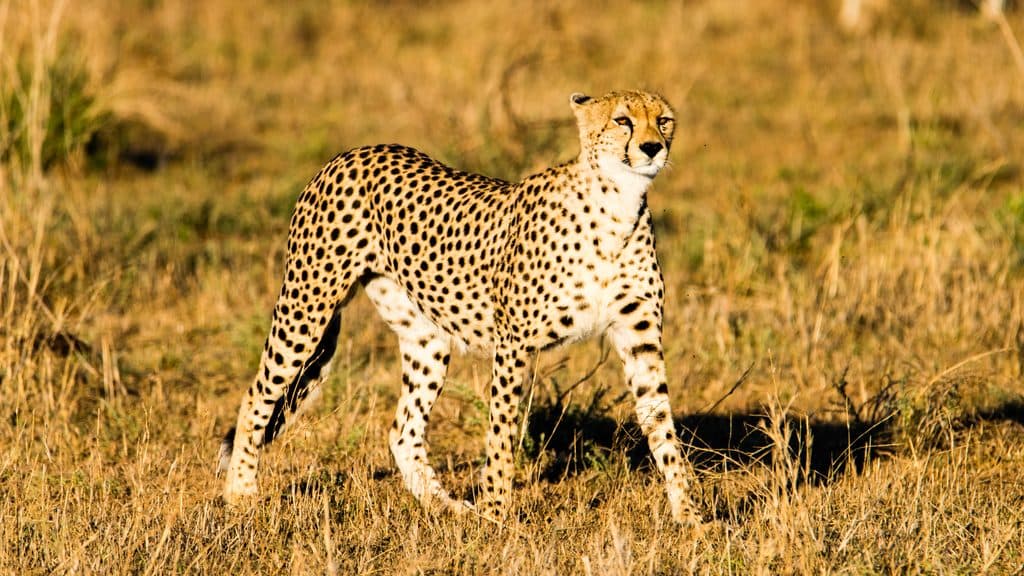
This is prime hunting ground. The surrounding short-grass and termite mounds are cheetah territory; lions and hyenas work the same plains, and a resident pride often uses nearby Thatch Kopjes as a den area. Between scans for predators, keep an eye on the skyline for giraffe neck-tops, and expect elephant, buffalo, and mixed gazelle herds working the edges. Leopards are less reliable here than along thicker riverine cover, but the overall predator-and-prey mix is excellent.

Landscape & Geology

Makoma sits among ancient granite kopjes shaped by the region’s long volcanic and tectonic story tied to the East African Rift. Those rounded boulders make natural lookouts and shaded loafing spots for cats; they also give your photos scale and drama.

How to Visit

Most travelers weave Makoma into a half- or full-day game drive from central Serengeti camps. Do a slow loop of the Makoma Plain, stop for a patient scan from a vantage point, then work the hill edges and adjacent kopjes. There’s an informal bush-picnic spot at the base, but no built tables or bathrooms—your guide will set up kit beside the vehicle. Stay on designated tracks and only step out where your guide confirms it’s permitted.

Best Time to Visit

  • Dry seasons (December–February, mid‑June–September) bring easier driving, shorter grass, and long sight lines—ideal for scanning and photography.
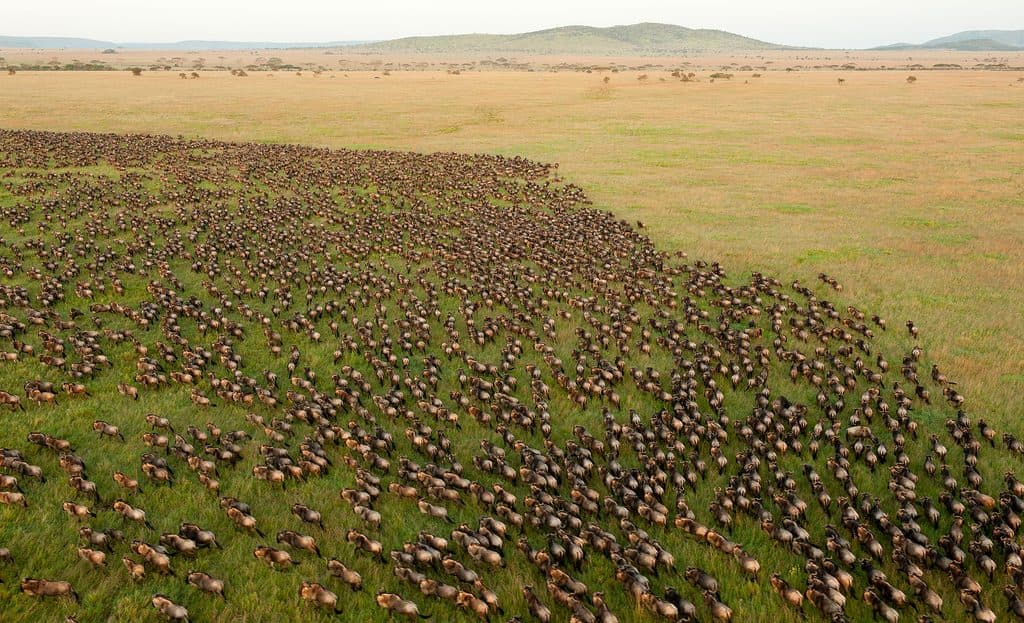
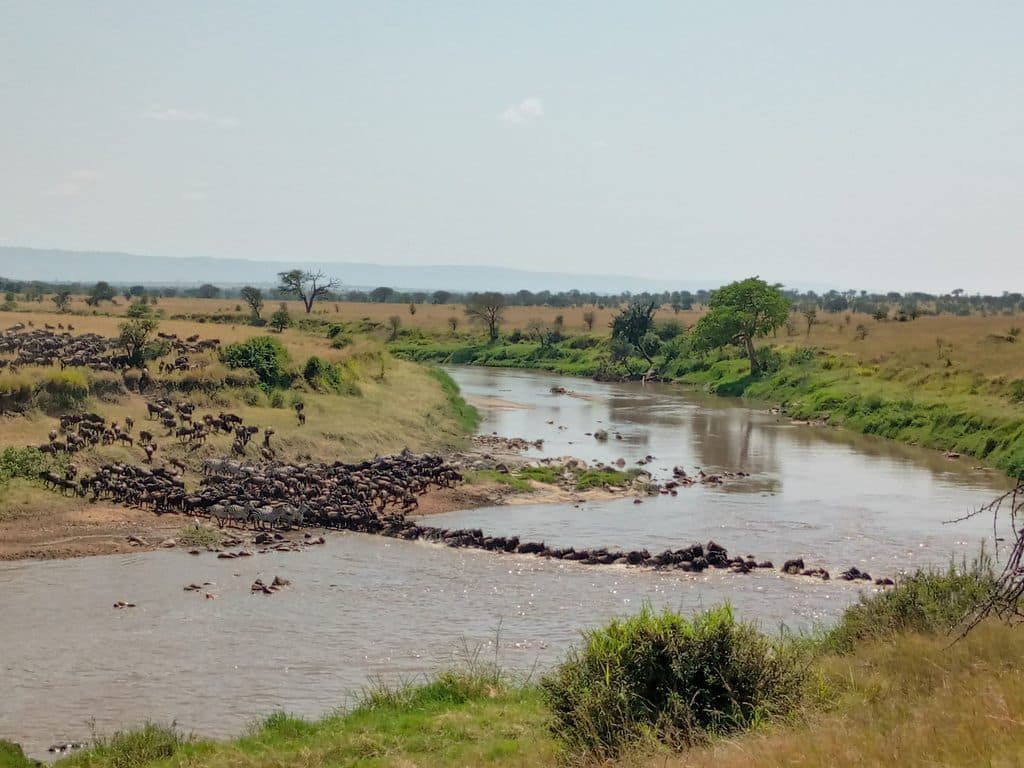
  • Migration pulses often pass nearby in May/June (northbound) and November/December (southbound), spiking predator activity.
  • Central Serengeti is popular: June–September and late December–January see more vehicles. Beat the crowd with first light starts and linger for the last two hours before sunset.


Photography Tips

  • Be on a viewpoint for sunrise or late afternoon; midday heat haze softens long shots.
  • A flexible telephoto for predators and a wide lens for plains panoramas make a perfect pair.
  • Use kopjes, lone acacias, and layered herds to anchor compositions.

Practicalities

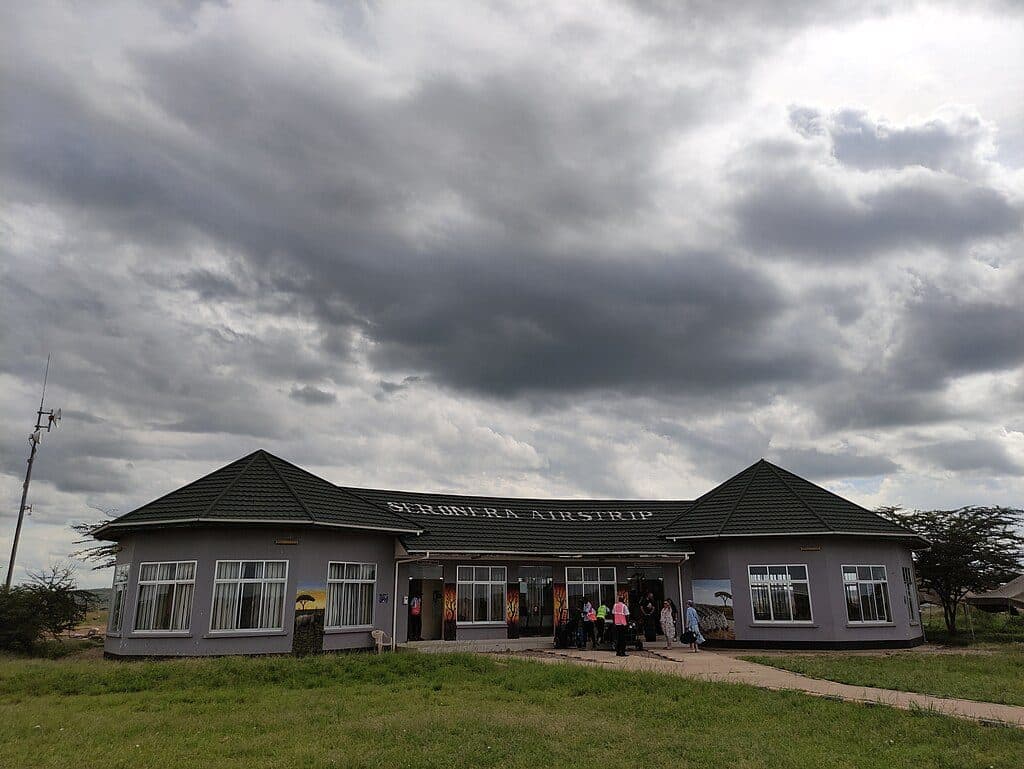
There are no restrooms at Makoma. Plan ablution and picnic-table stops at developed sites in Seronera or at Naabi Hill Gate when your route allows. In the green season (March–April), expect taller grass and occasional sticky tracks—build buffer time into your loop.

Pros

  • Wide, 360-degree views over plains and kopje country
  • Reliable predator action with cheetah, lion and hyena nearby

Cons

  • No facilities on-site (no restrooms, no developed picnic area)
  • Can draw vehicle traffic in peak season

Tips

  • Start at first light to have the hill and predators mostly to yourself.
  • Bring binoculars and scan termite mounds and short-grass patches for cheetahs.
  • Work a slow loop: pause on a viewpoint, then circle the hill edges and nearby kopjes.
  • In March–April, allow extra time; some approaches can be muddy and slow.
  • No facilities here—plan restroom stops at Seronera or Naabi Hill Gate.
The Parkwolf tour guide sitting on a phone mounted in a car

Parkwolf Tour Guide

Like a tour guide in your car.

Save the places you found around Serengeti, then let Parkwolf guide the drive between them.Download Parkwolf on the App Store