Place · 0 mi away

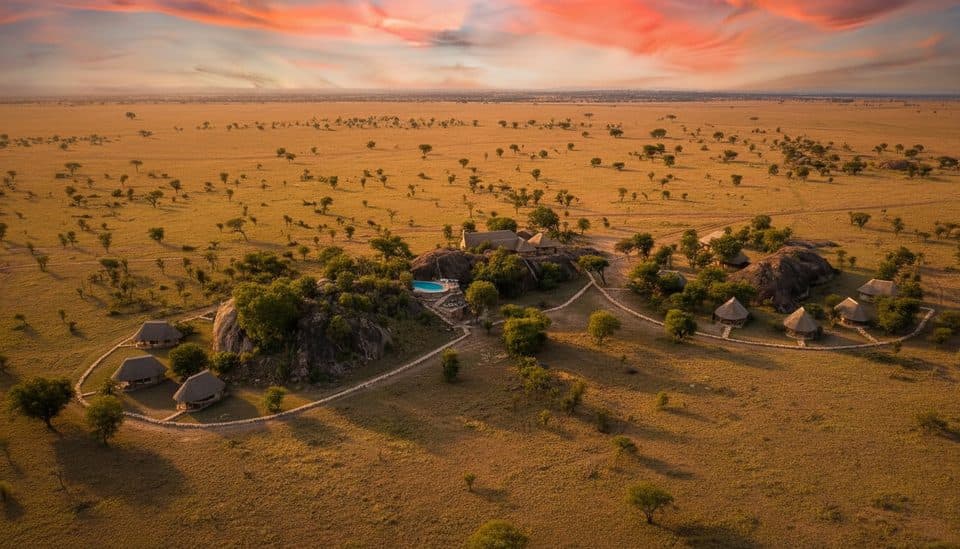
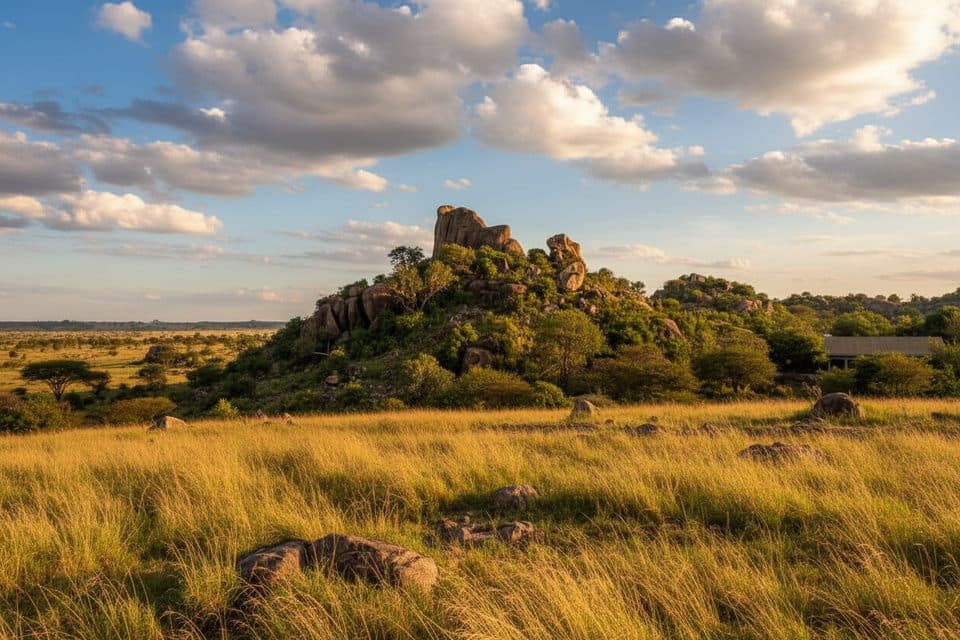
Mbuzi Mawe Kopjes are a cluster of dramatic granite outcrops rising from the central plains—classic Serengeti “islands in a sea of grass.” The name means “rock goat,” a nod to the nimble klipspringer that darts across these boulders. Set between Seronera and the northern Serengeti, the kopjes make a striking, easy-to-reach stop on any central-corridor game drive.
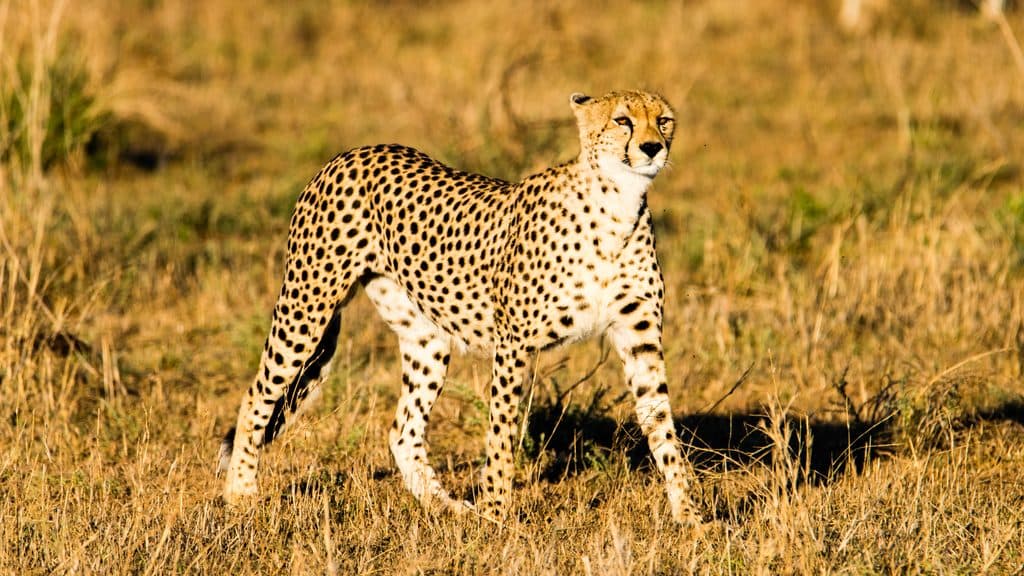
Kopjes act like wildlife magnets. Their shade, cracks, and hidden water pockets create mini‑habitats that attract everything from lizards and hyrax to antelope and apex predators. Lions, leopards, and cheetahs use the rocks as lookouts and ambush cover, which is why these formations are famous for big‑cat sightings. The scenery itself is a show—rounded boulders stacked like sculpture above golden grassland.
These kopjes are the exposed tops of ancient granite that formed deep underground and were revealed by erosion over immense time. Repeated heating and cooling, plus wind, have rounded and split the rock, carving the distinctive shapes you see today.
Expect klipspringer and rock hyrax on the stones, with reedbuck, gazelles, ostrich, jackals, and hyenas on the surrounding plains. Predators often drape themselves on the boulders or patrol the edges, using the kopjes for shade and height. Patient scanning pays off here.
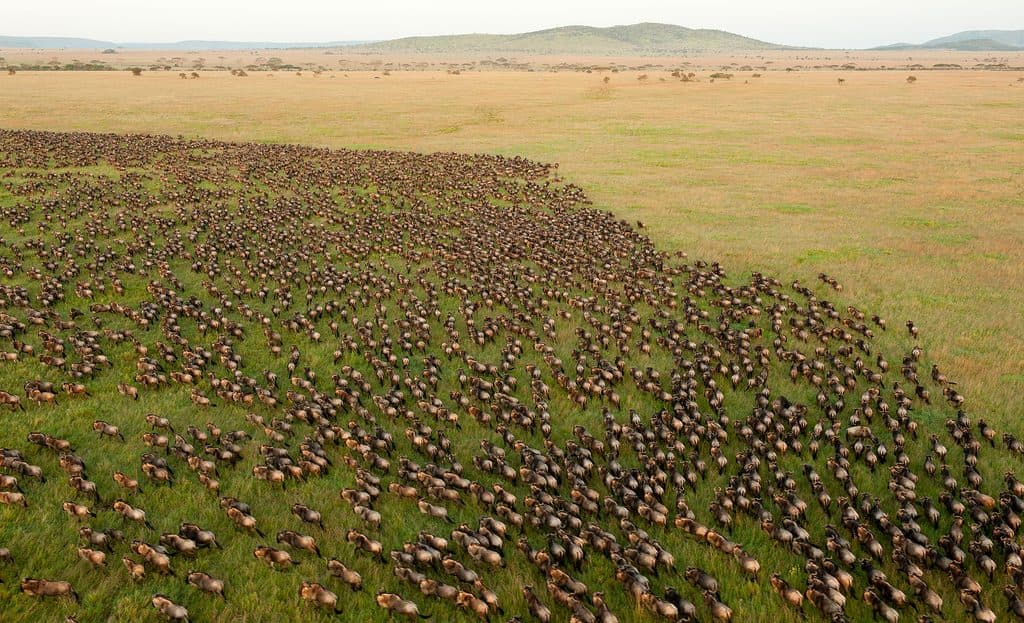
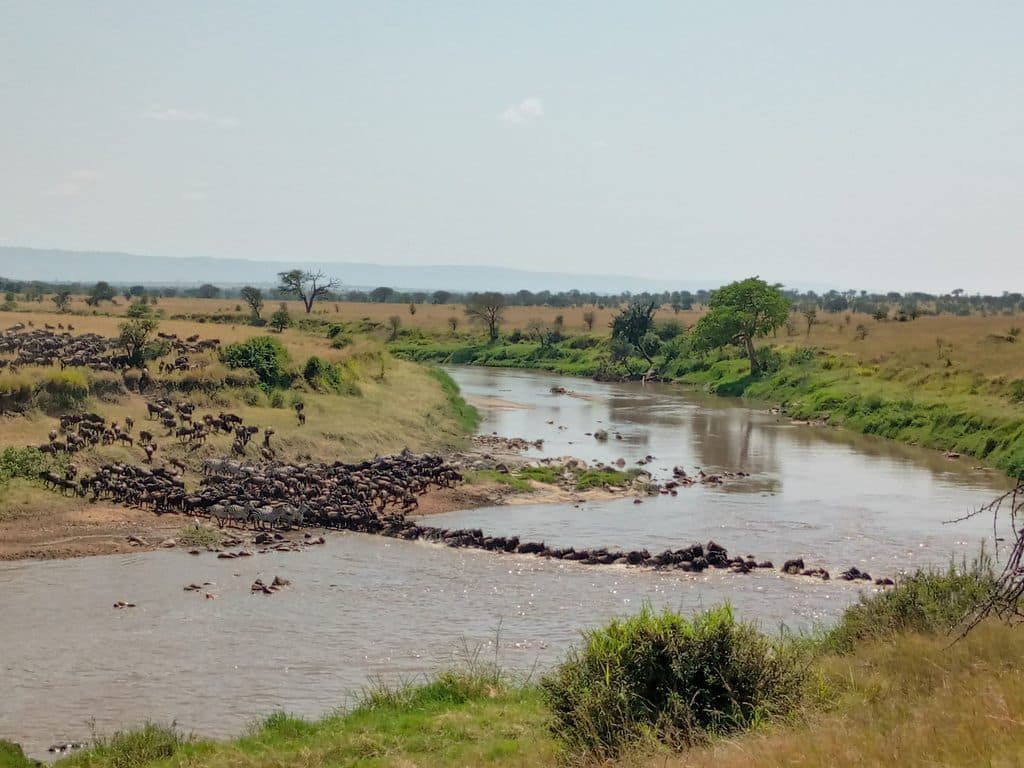
Sunrise and sunset cast warm light on the granite and make predators more active—prime photography and viewing windows. The central corridor shines when the Great Migration moves through roughly March–April (northbound) and November–January (southbound). Those windows can draw more vehicles, but animal action usually justifies the traffic.

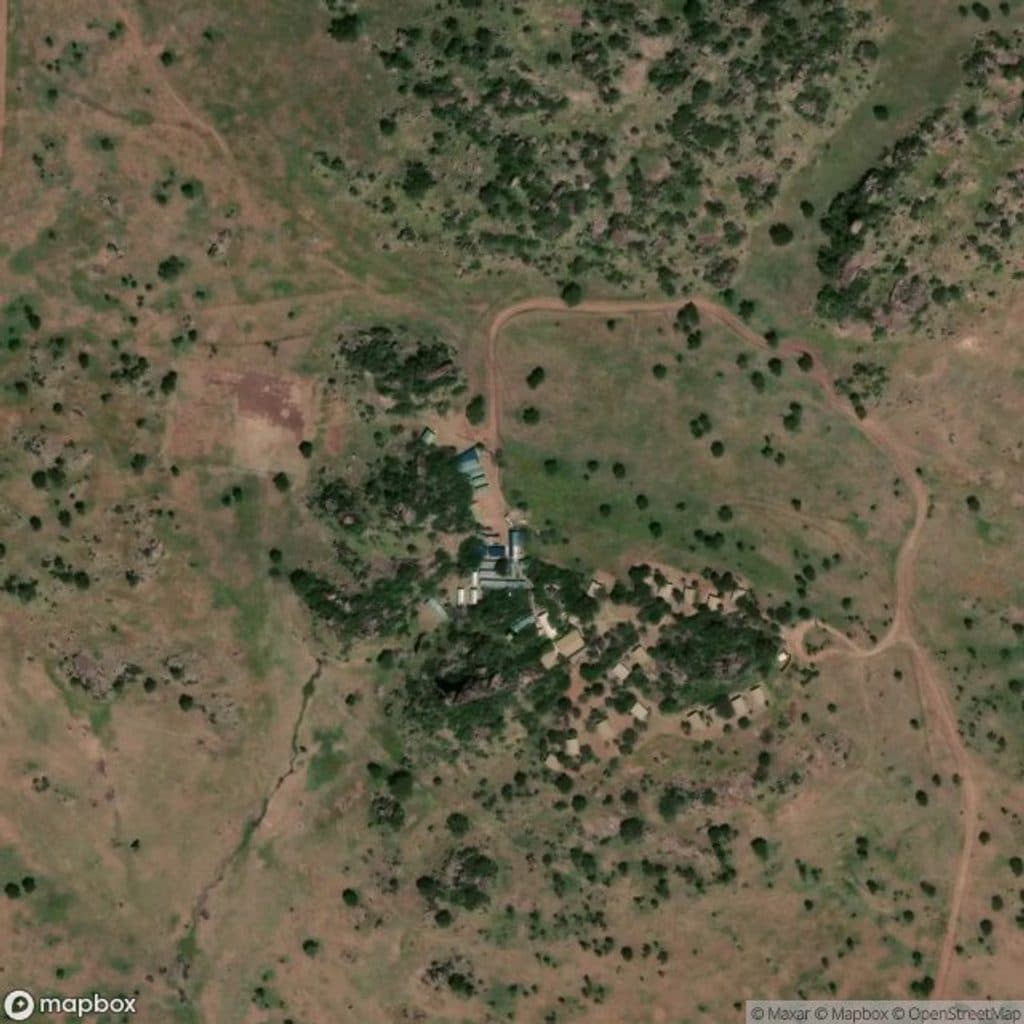
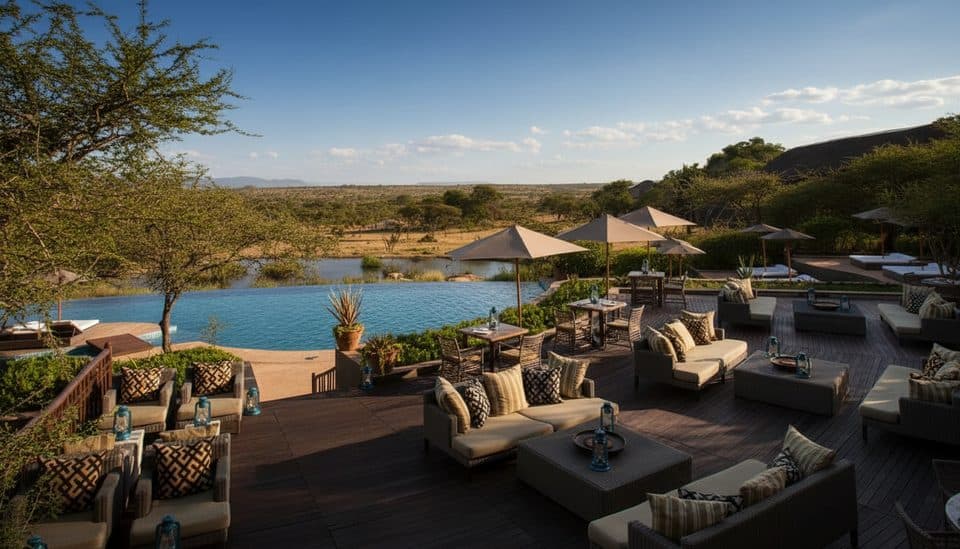
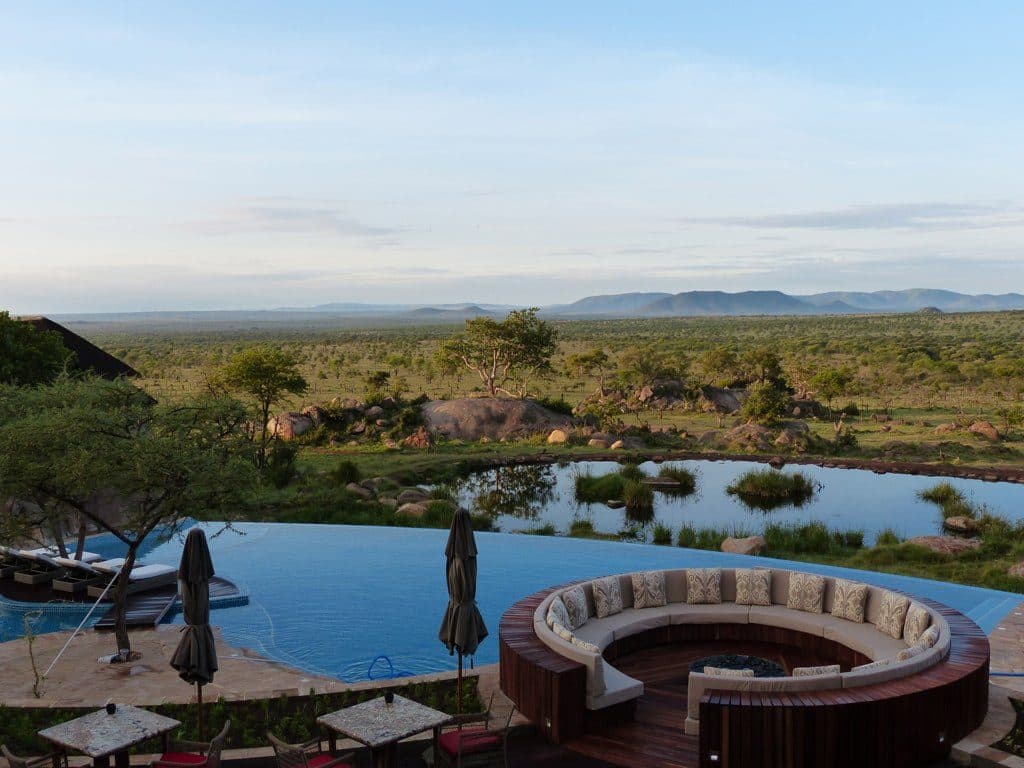
Most viewing is by vehicle along the north–south artery; this sector has fewer side tracks than Seronera, so plan your stops where rock outcrops and plains meet. Guided walks or even light scrambles are sometimes offered by operators in the area, and there’s a convenient base right among the rocks at Mbuzi Mawe Tented Camp if you want to linger longer.
Local Maasai regard kopjes as significant places, and you’ll feel why when the wind moves through the rocks at dusk. Treat the formations with respect and avoid clambering where wildlife is resting.
If rhinos are high on your list, the Moru Kopjes area hosts a rhino center with tracking experiences—different kopjes, same park—so consider pairing these regions on a longer itinerary.