Togoro Hills

Remote kopje-studded hills with reliable wildlife and migration moments
Togoro Hills, Serengeti National Park
InsideSerengeti National Park

Overview

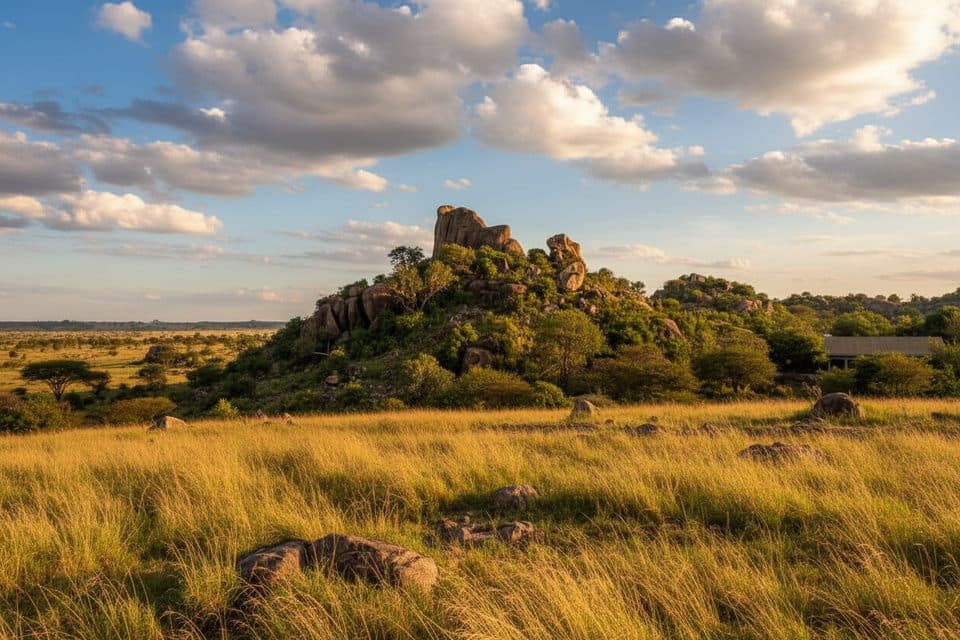
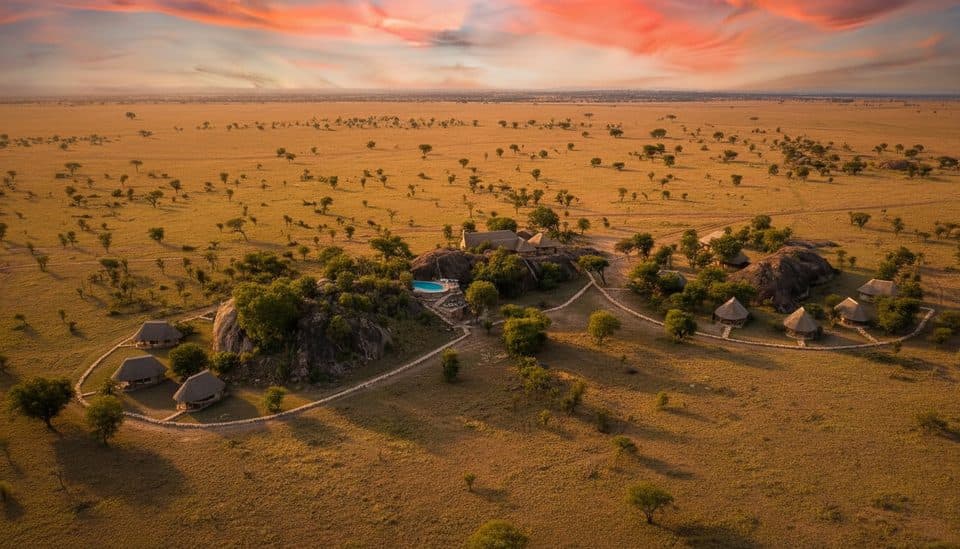
Togoro Hills sit in the northern Serengeti near the Lobo Hills, a remote sweep of open plains punctuated by rocky kopjes. It’s off the busiest river‑crossing circuit, yet the wildlife density holds its own, thanks to strong resident game and a strategic position on the migration route.

Why it’s worth your time

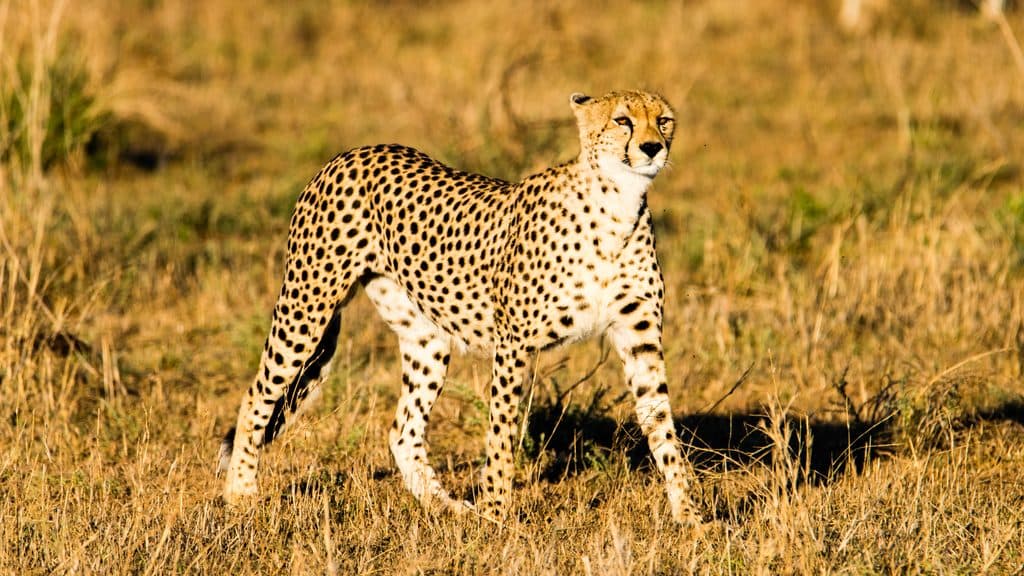
Kopjes act like lookouts and shade islands, drawing lions and other predators—exactly the kind of behavior‑rich viewing photographers love. You’re here for expansive grassland scenes framed by granite outcrops and for that away‑from‑the‑crowds feel without sacrificing sightings.

Migration and seasonality

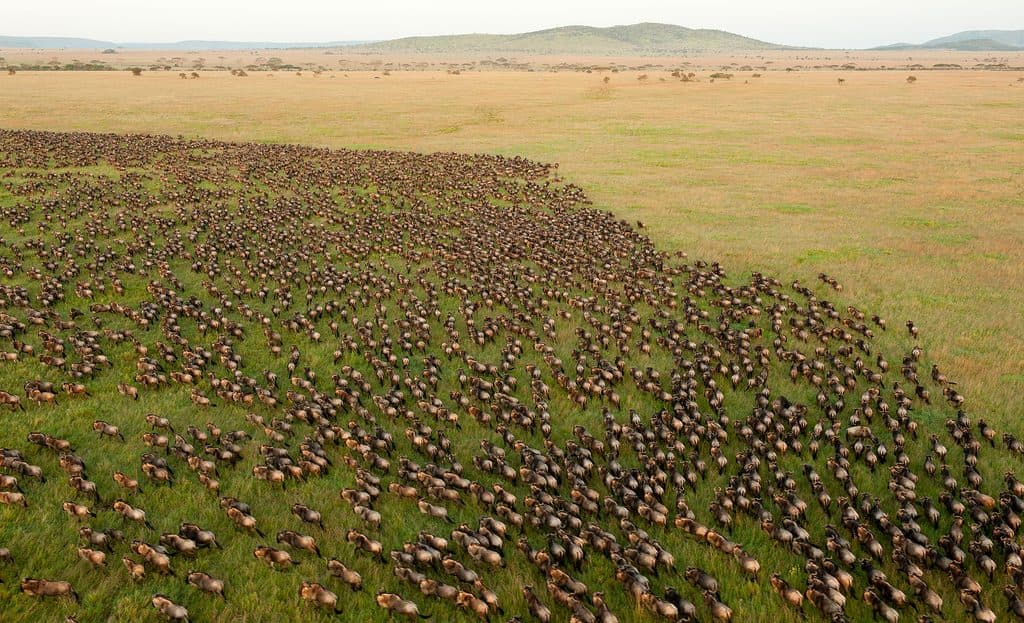
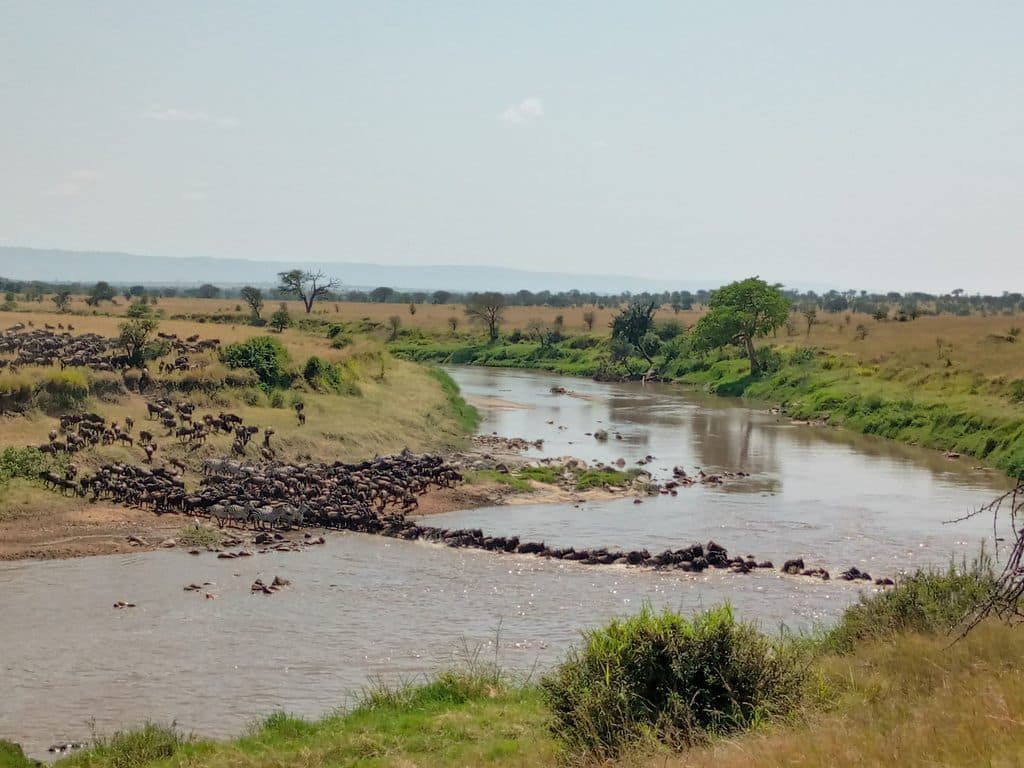
Expect seasonal surges as the herds push out of the southern calving grounds in March–April and drive west toward the Grumeti by June, then continue north in July–September. In practical terms, Togoro can deliver excellent “through‑traffic” migration moments from late April into June, while remaining solid for big cats and general game the rest of the year. October–November brings short rains, greener scenes, and a quieter vibe. Note that some tracks can be muddy in May–June as the long rains taper.

Landscape and geology (plain‑English version)

The hills rise from ancient Precambrian granite and gneiss, with younger volcanic ash mantling parts of the eastern Serengeti. Shallow, mineral‑rich soils favor short‑grass plains; the kopjes hold pockets of moisture, shade, and vantage points that concentrate wildlife. In the broader central/west corridor, the Grumeti and Mbalageti rivers run seasonally or in perennial stretches, while the only truly permanent river in the wider ecosystem is the Mara to the north.

Getting oriented

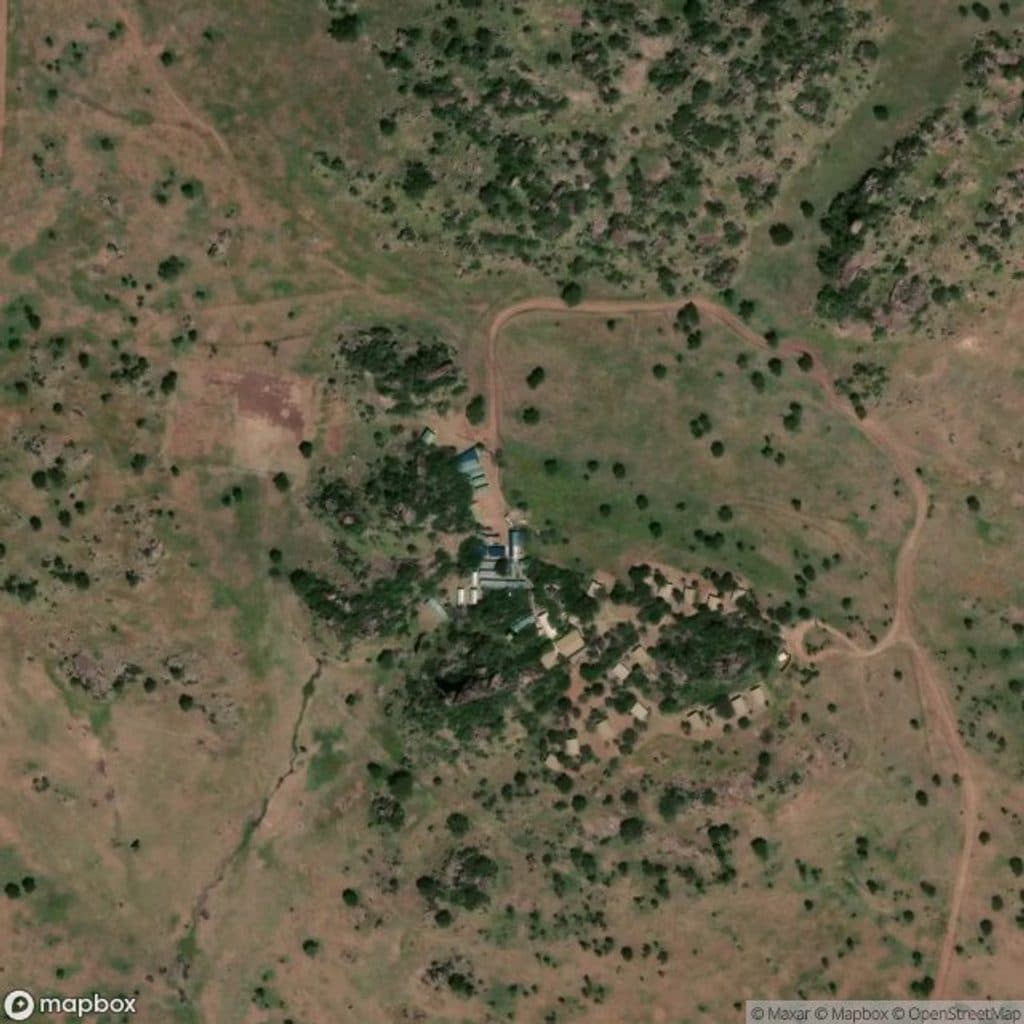
You’re roughly 1.5 hours from Seronera and about an hour from Klein’s Gate, putting you close enough to key hubs but far enough to feel properly wild. The area includes a designated special campsite (Togoro 3) and a handful of tented camps scattered across the plains.

Facilities on the ground

Outside the private camps, facilities are minimal. Plan bathroom stops at your camp or at major hubs along your route—your guide will time these for you. Treat this as a true back‑of‑beyond game‑drive zone rather than a serviced picnic site.

Activities

Guided game drives are the main event. Some operators in this sector also arrange walking or balloon safaris where permitted, plus occasional cultural visits coordinated via camp.

Best time to visit

  • Late April–June: Most reliable for migration herds moving through, with lush backdrops; allow extra time for potentially muddy tracks.
  • July–September: Peak season overall as herds trend north; Togoro stays productive for predators and general game.
  • October–November: Short‑rains greenery, softer crowds, and great mood to the plains.
  • December–February: Calving is centered farther south, but Togoro still offers strong resident predator and plains‑game viewing.

Pros

  • Reliable year‑round wildlife with classic kopje predator action
  • Seasonal migration passes through, peaking late April–June

Cons

  • Remote area with very sparse public facilities
  • Tracks can be muddy during the long‑rains period

Tips

  • Ask your guide to plan bathroom breaks at camp or major hubs—there are few public facilities out here.
  • If visiting in May–June, expect some muddy tracks and build in extra drive time.
  • Base yourself at a camp in the Togoro area for easy midday breaks between drives.
  • Check with your operator in advance if you want walking or balloon safaris in this sector.
The Parkwolf tour guide sitting on a phone mounted in a car

Parkwolf Tour Guide

Like a tour guide in your car.

Save the places you found around Serengeti, then let Parkwolf guide the drive between them.Download Parkwolf on the App Store