Best time to go
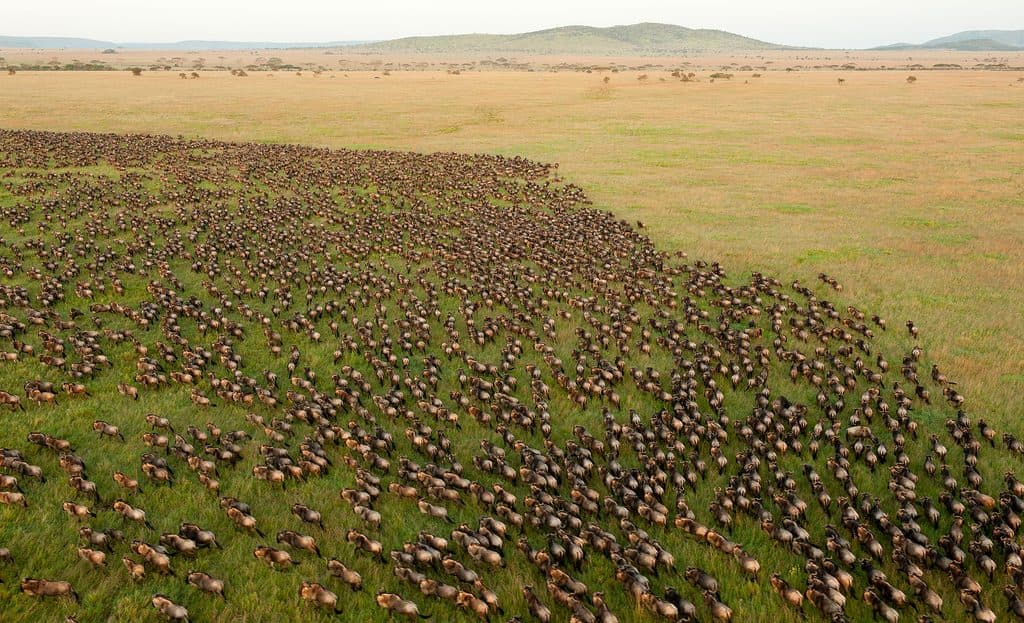
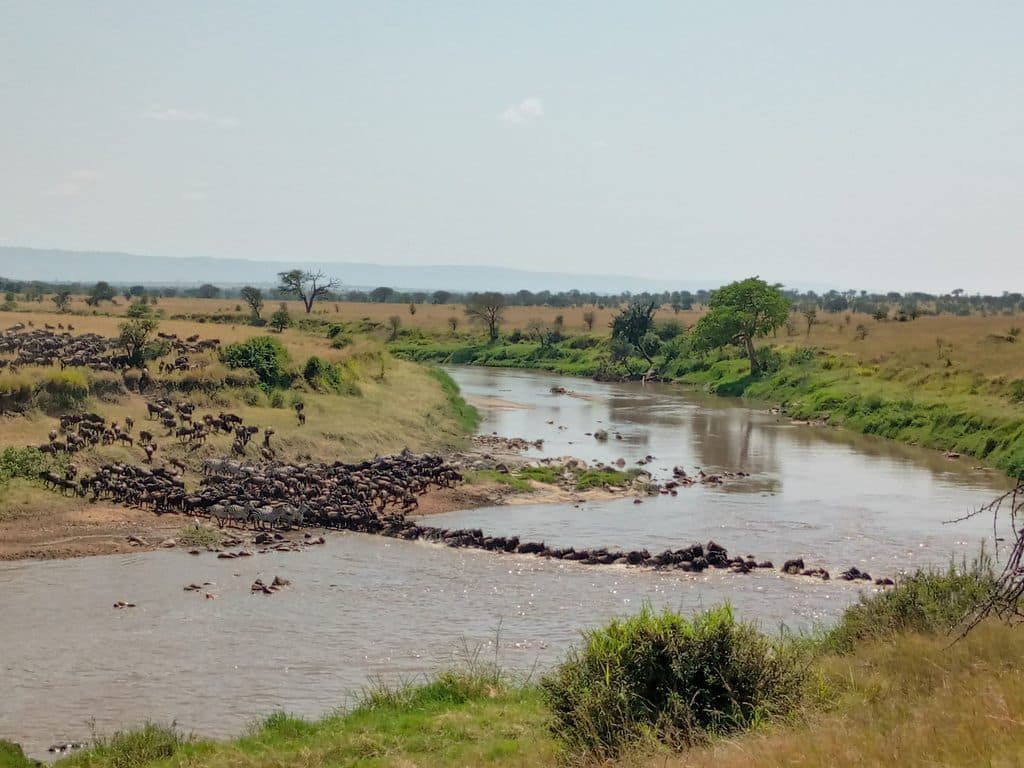
This base is especially well‑placed when the migration swings through roughly March–April (northbound) and November–January (southbound). A typical stay is 2–3 nights, longer if you’re timing it to the migration.
Lodging · Serengeti National Park
Intimate kopje camp on a migration route with luxe tents
Overview
Tucked among ancient granite kopjes, Mbuzi Mawe Serena Camp delivers a polished tented‑camp experience right in the heart of the Serengeti’s migration paths. It’s intimate for a Serena property, with big views, a friendly team, and the kind of creature comforts that make long safari days easy to love.
Map
Local know-how
Target roughly Nov–Jan or Mar–Apr if you want migration herds nearby.
Use the reception safe for valuables; there are no in‑tent safes.
Plan full‑day drives with packed lunches; same‑day laundry is available.
Expect meal windows: breakfast 6:30–9:30, lunch 12:30–14:30, dinner 19:30–21:30.
After dark, wait for an escort—wildlife moves through camp.
Plan your stop

The highest, rockiest slopes around here are a summer buffet for grizzly bears.
Serengeti Tour Guide
Parkwolf is a GPS audio tour guide for Serengeti National Park. As you drive, it chimes in with what’s ahead: hidden gems, upcoming stops, history, geology, and wildlife, right through your car’s speakers.
See the Serengeti audio tourRecorded for this place
Mbuzi Mawe Kopjes and Camp“You're now among the Mbuzi Mawe Kopjes. The name means 'rock goat,' a reference to the nimble klipspringer antelope you can sometimes spot on these boulders.”
Plays as you drive up to Mbuzi Mawe Serena Camp in the Parkwolf Serengeti Tour Guide.
More stories near here in the app
“Fantastic app with many points of information… It’s great to just turn on while you’re driving and it gives you an audio tour of the national Park. We love it!!!!”


Guide
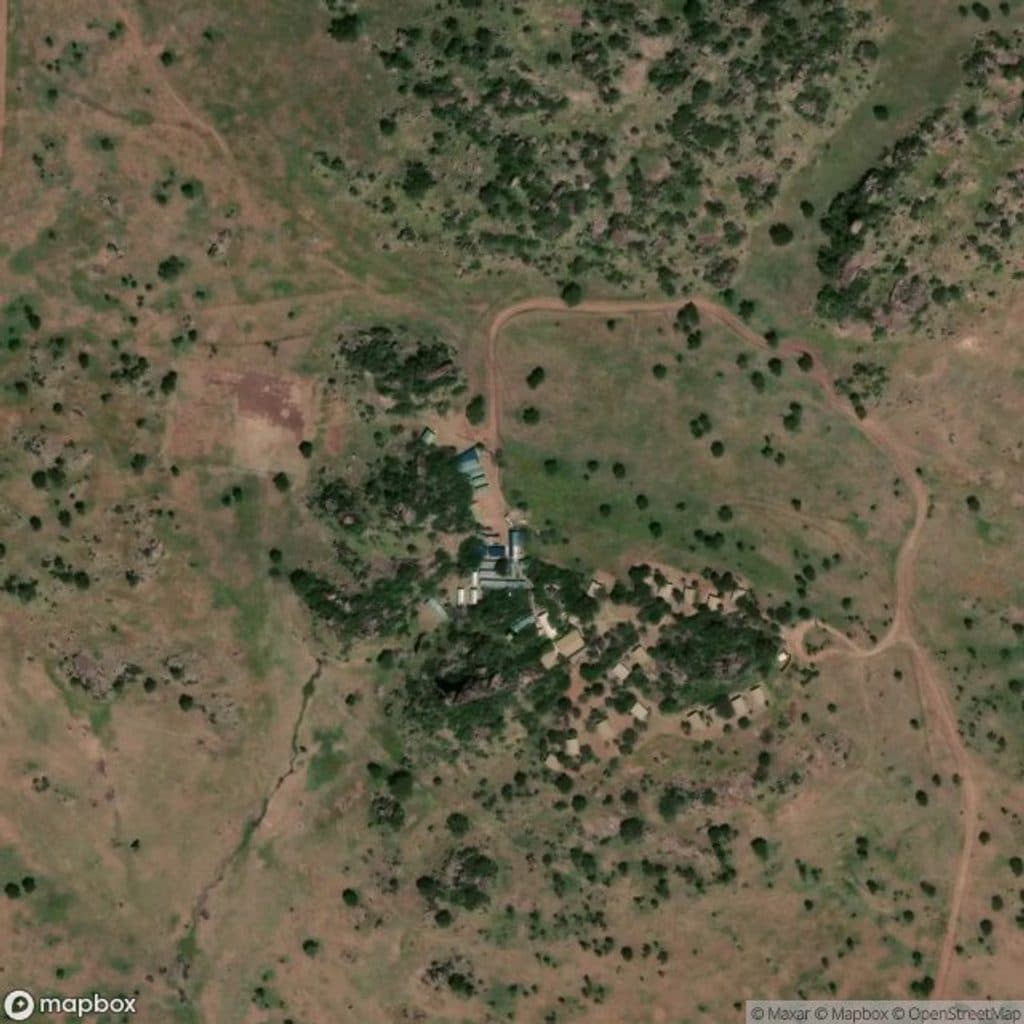
Set off the main Seronera–north road, the camp sits between central and northern game areas—about 57 minutes from Seronera Airstrip and roughly 2.5 hours from Naabi Hill Gate. “Mbuzi mawe” refers to rock goats (klipspringers), and you’ll often spot rock hyraxes and other wildlife weaving through the kopjes around camp.
Meals are served in a tented dining room and on a shaded stone deck. Expect a cold buffet plus cooked‑to‑order breakfast (6:30–9:30), plated lunch (12:30–14:30), and plated dinner (19:30–21:30) with a salad buffet. Bush lunches and romantic bush dinners can be arranged, and the team is accommodating with vegetarian and children’s meals. Drinks are extra; typical guide prices mentioned include about $4 for beer, $3 for sodas, and $25–30 for a bottle of wine.
Game drives are the main draw, with bird‑watching tours and nearby hot‑air ballooning as add‑ons. The immediate road network around camp is sparse, so many outings run north or south along the main gravel road. Wildlife is classic Serengeti: resident big cats and plains game year‑round, with migration herds passing nearby in season.
Time your visit for the migration windows above if that’s your priority. Otherwise, central Serengeti residents make this a solid year‑round base; use the set meal windows to plan early starts and full‑day drives.
Wildlife
 645 sightingsLionMost seen around 6 AMSighting map
 234 sightingsLeopardMost seen around 6 PMSighting map
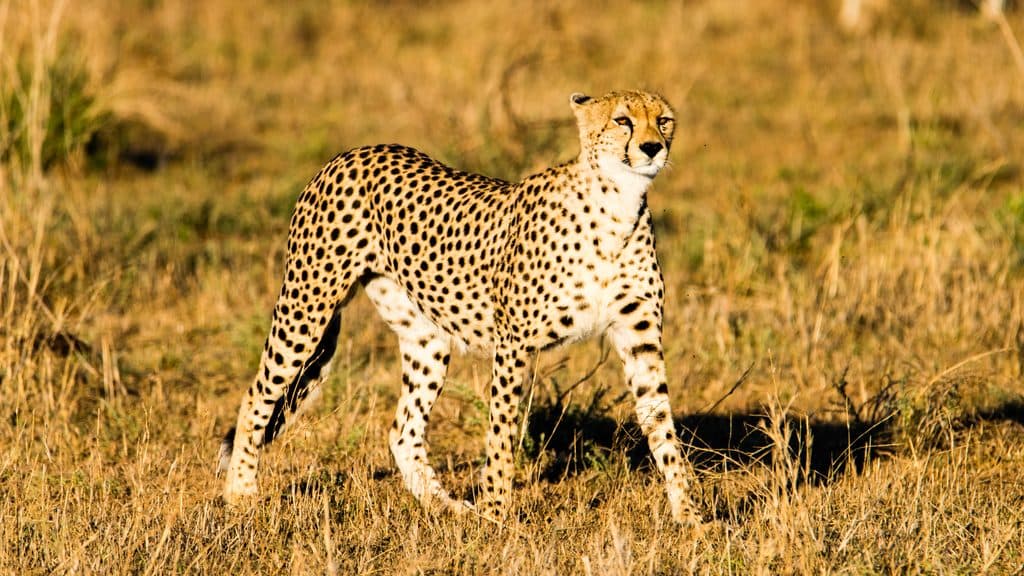
 273 sightingsCheetahMost seen around 7 AMSighting map
 542 sightingsElephantMost seen around 5 PMSighting map
 132 sightingsCape BuffaloMost seen around 7 AMSighting map
 190 sightingsWildebeestMost seen around 5 PMSighting map
Sighting maps show where each species has been reported across Serengeti. Wildlife moves, so no sighting is guaranteed.
Keep exploring
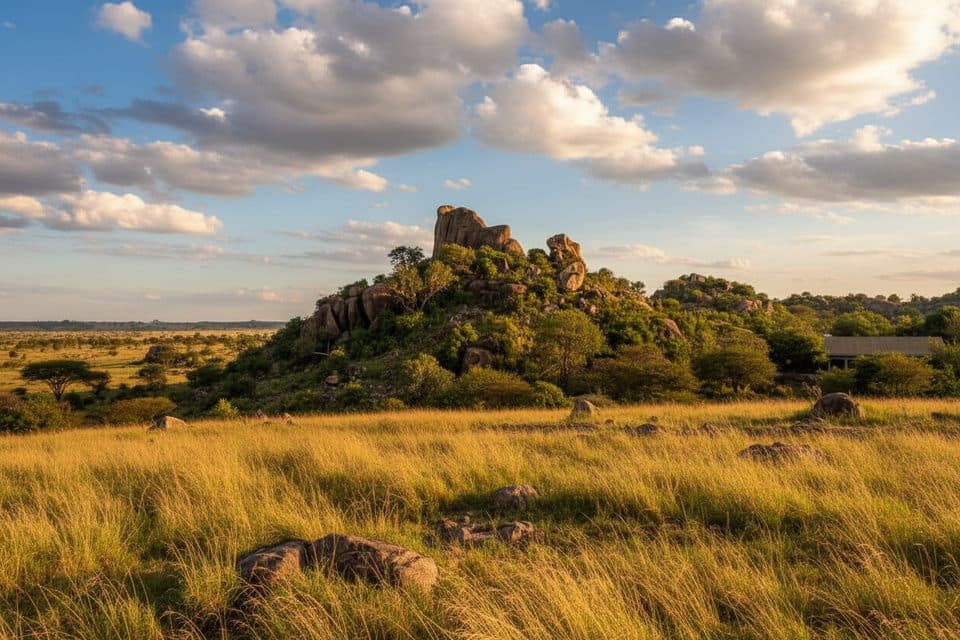 Sight · At the trailheadMbuzi Mawe KopjesGranite outcrops where lions lounge and sunsets light up the plains
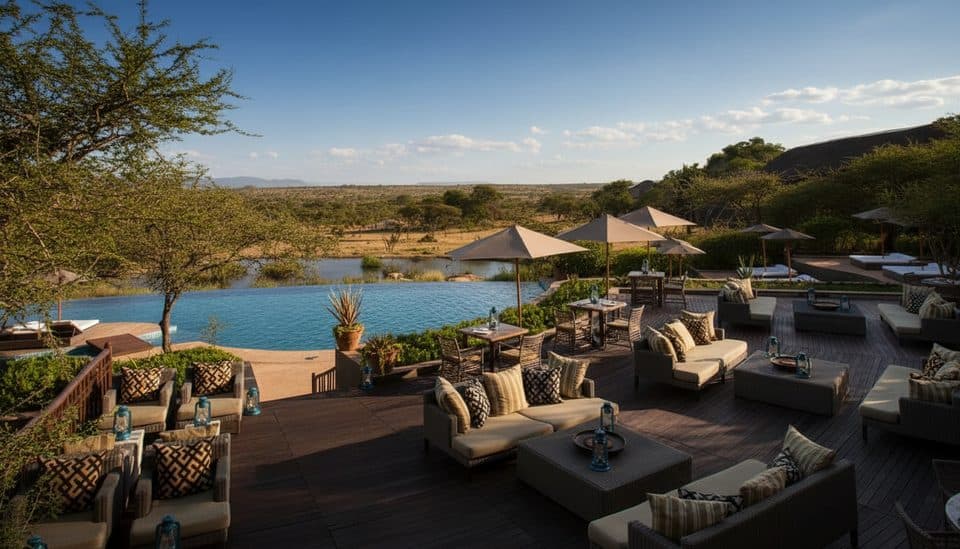 Restaurant · 5.5 km awayBoma GrillOpen‑air firepit dinners with Maasai flair at Four Seasons
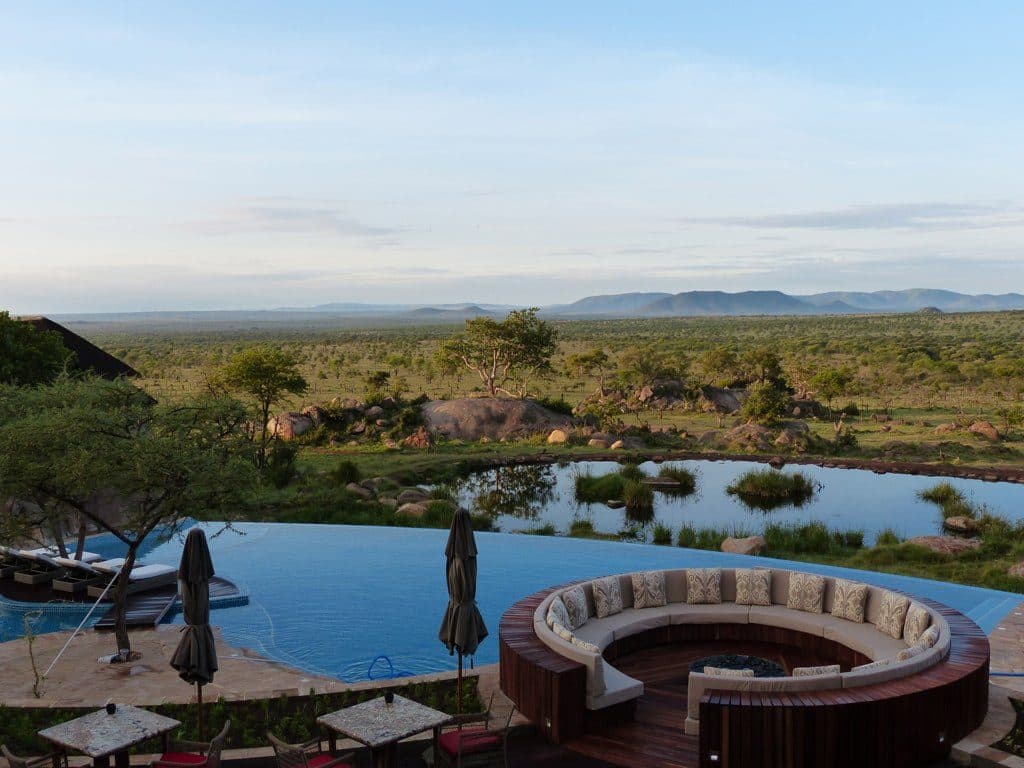 Lodging · 5.6 km awayFour Seasons Safari Lodge SerengetiLuxury lodge with a front‑row seat to an elephant‑filled waterhole
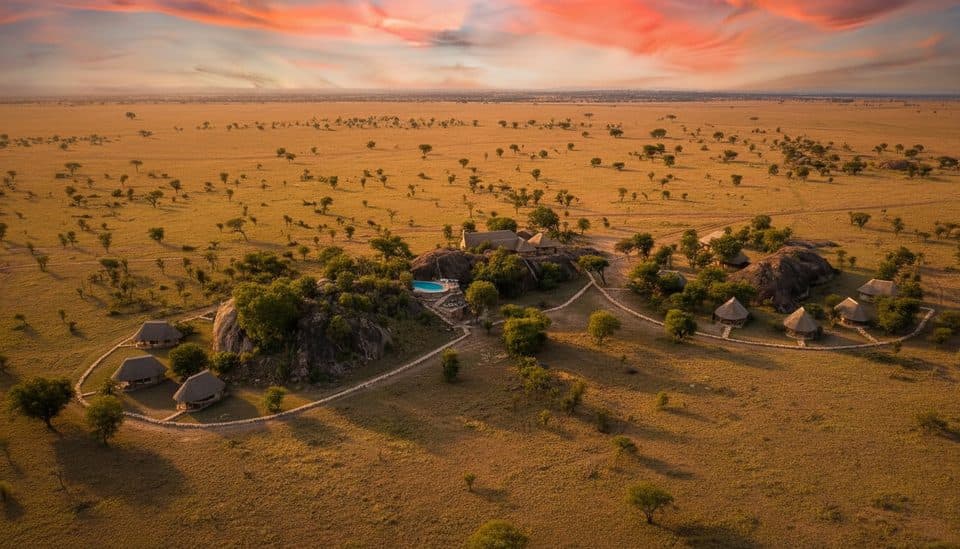 Sight · 7.8 km awayTogoro HillsRemote kopje-studded hills with reliable wildlife and migration moments
Parkwolf’s Serengeti ranking

The audio tour guide for the drive, plus offline maps, trails, and wildlife heatmaps for when the signal drops.