Ngiri Public Campsite

Basic Seronera camp with shelters, cold showers, and big-cat access
Ngiri Public Campsite, Serengeti National Park
InsideSerengeti National Park

Overview

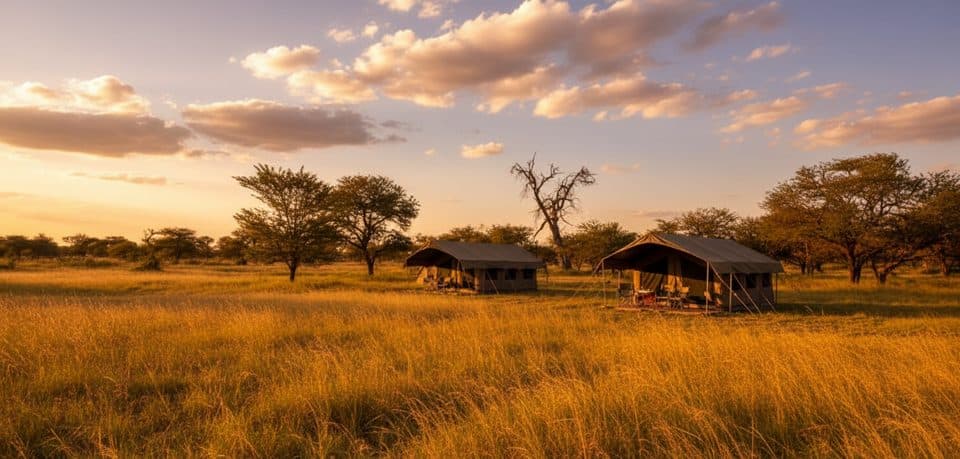
Ngiri is one of the public camps in the Seronera hub—basic, busy at times, and perfectly placed for classic big‑cat country. Think functional more than fancy: set up your tent, cook in the shared shelters, and fall asleep to hyena whoops and distant lion roars. If you want an affordable, close‑to‑the‑action base camp, this is the spot.

Facilities & What to Expect

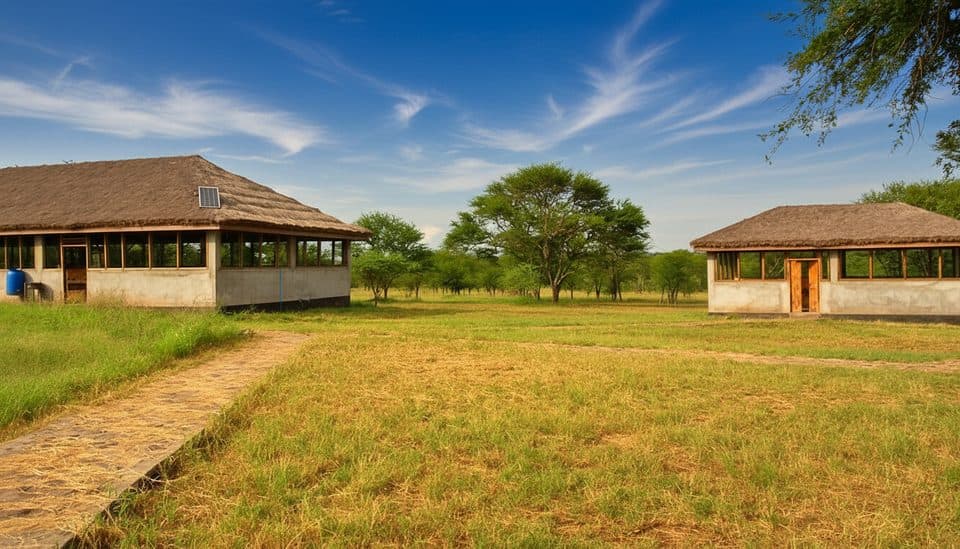
  • Communal ablutions with flush toilets and cold showers.
  • Two enclosed, covered shelters for cooking and eating—handy when wildlife wanders through.
  • Washing water available; bring your own drinking water and all consumables (toilet paper, soap).
  • Don’t count on connectivity. Cell signal is often absent, and electricity—if present—is limited to solar‑lit kitchen areas with a few charging points.
  • Camps are unfenced; you’re expected to check in before dark and keep movements minimal at night.

Wildlife & Safety

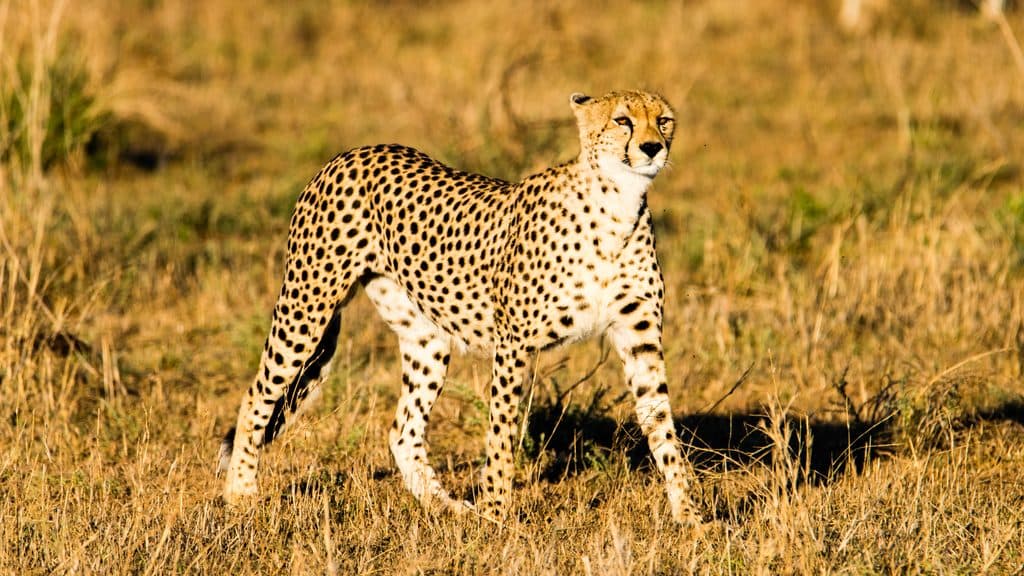
Seronera delivers predators: lions and cheetahs are regulars on nearby kopje circuits, with hyenas, buffalo, giraffe, zebra, and more in the mix. At camp, animals may pass through after dark. Follow ranger/guide instructions, avoid leaving food in tents, carry a headlamp, and keep nighttime bathroom trips short and cautious.

Game‑Drive Game Plan

  • Late‑day arrival play: enter via Naabi Hill in the afternoon, loop Gol and Simba Kopjes for golden‑hour viewing, then reach camp before nightfall.
  • Dawn strategy: work Masai Kopjes and the Lake Magadi/Moru circuits for predators and general game. Shadowing clusters of vehicles can tip you to active sightings.

Booking, Fees & How Payment Works

Public camping is first‑come, first‑served. Buy park entry and camping at the gate by card; tickets run on a 24‑hour clock from purchase. You’ll declare your campsite for the night. Recent ballpark numbers reported by travelers: park entry around $60–$70 per adult and roughly $35 per person per night for public camping. A vehicle fee also applies and policies change—plan extra time for payment processing.

Getting There & Road Notes

Self‑drive is doable with a 4×4, keeping to sensible speeds on main tracks and treating side loops cautiously—especially after rain. December often sees short rains; some tracks get muddy, so plan conservatively and avoid waterlogged spurs.

Best Time to Visit

Dry season (roughly June–October) offers the easiest driving and most predictable roads, with January–February also workable. In the short‑rains window (November–December), expect wet patches and slower travel. For light and crowds, target golden hour loops near the kopjes and be at camp by sunset; early mornings deliver your best predator activity and soft photography light.

Pros

  • Central Seronera base for quick access to prime game-viewing loops
  • Two enclosed cooking/dining shelters for safer meal prep and eating

Cons

  • Cold showers only; bring your own drinking water and toilet paper
  • Unfenced with wildlife roaming at night; strict after-dark precautions
  • Connectivity is unreliable and any power is limited to the kitchen area

Tips

  • Buy entry and camping by card at the gate and declare Ngiri when you pay.
  • Aim to enter the park around 4 pm so you can game‑drive and still reach camp before dark.
  • Bring plenty of drinking water, toilet paper, and a strong headlamp—facilities are basic and cold‑water only.
  • Keep food out of tents and limit walking after dark; wildlife regularly roams through camp.
  • In the November–December short rains, avoid muddy side tracks and plan conservatively.
The Parkwolf tour guide sitting on a phone mounted in a car

Parkwolf Tour Guide

Like a tour guide in your car.

Save the places you found around Serengeti, then let Parkwolf guide the drive between them.Download Parkwolf on the App Store