Place · 0.5 mi away

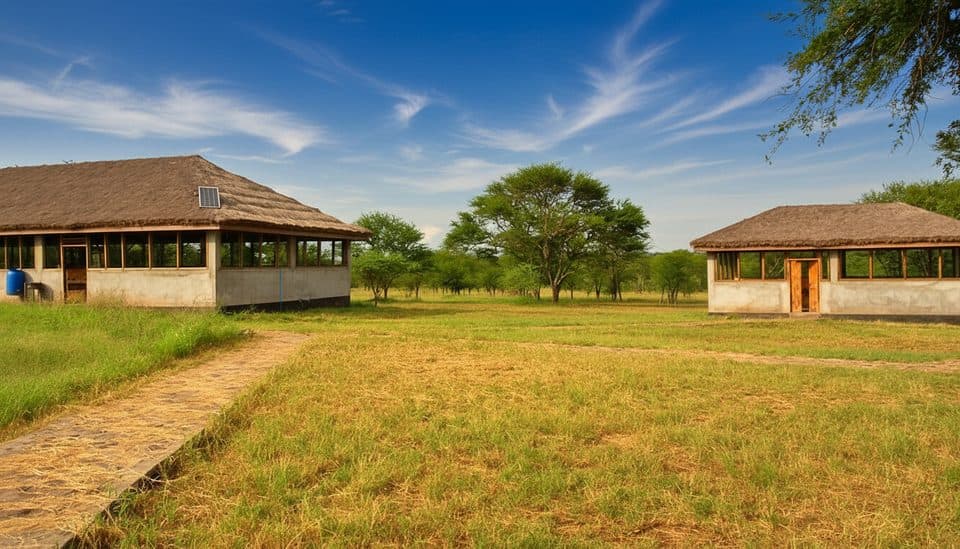
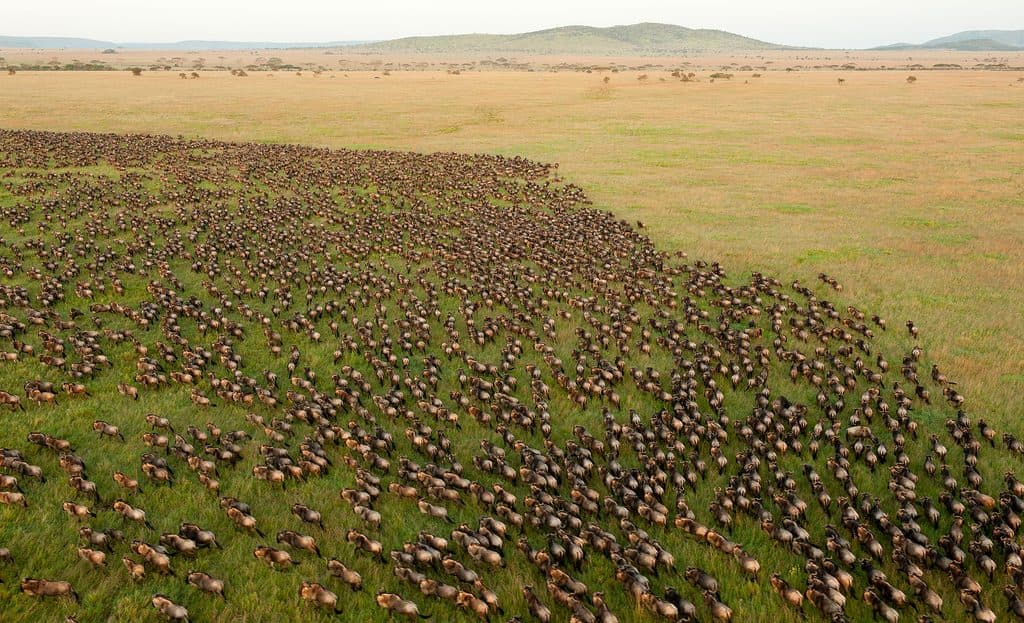
The Serengeti Research Institute sits in Seronera, the park’s central hub, and was established in 1966 to monitor and research the Great Migration. Think of it as the brain of the Serengeti—scientists tracking herds and predators, helping inform conservation across these famous plains.
This isn’t a typical visitor stop; it’s significant because of what happens behind the scenes. Research here underpins protection of the Great Migration and the broader ecosystem. If you’re curious about the science that keeps the Serengeti thriving, this is the nexus.
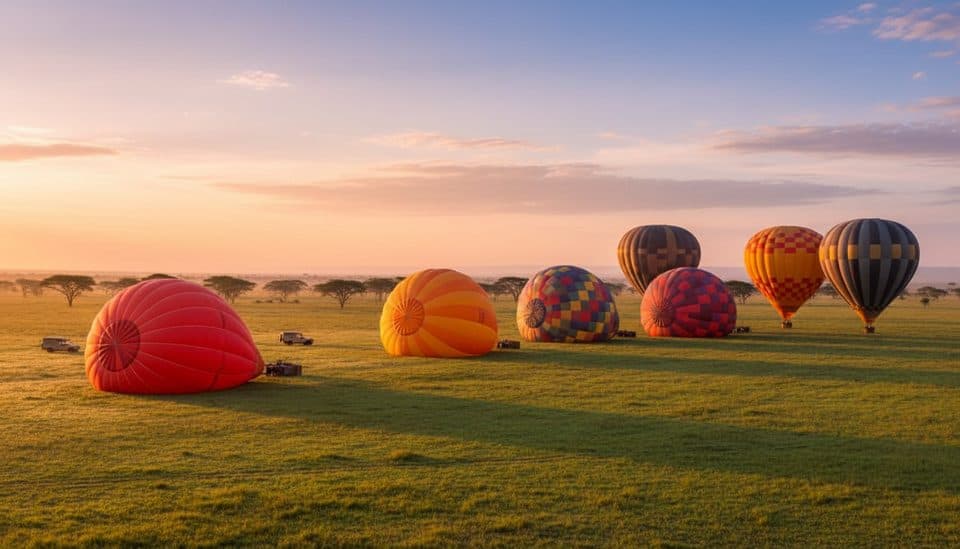
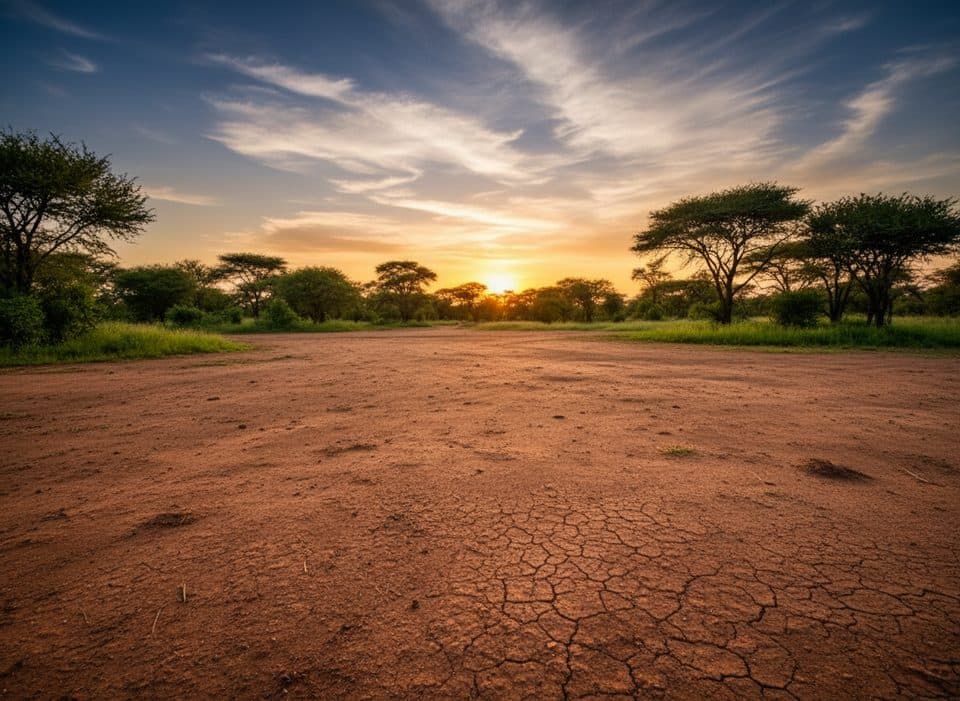
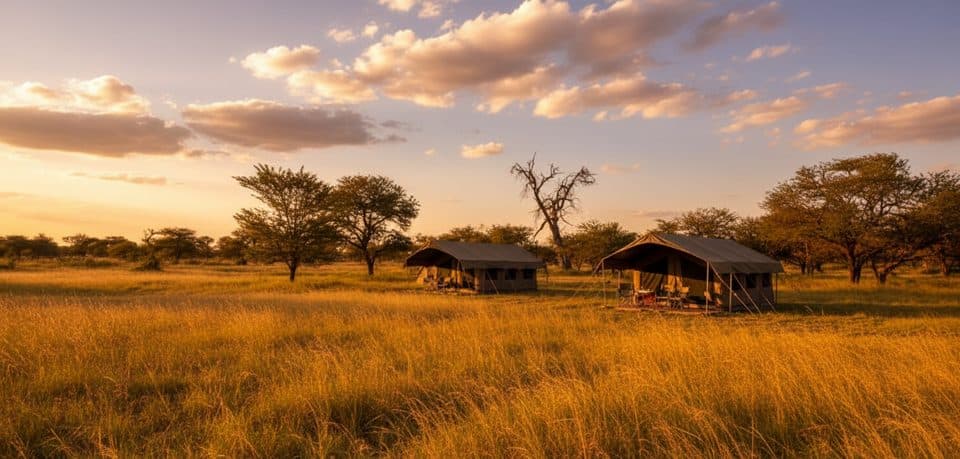
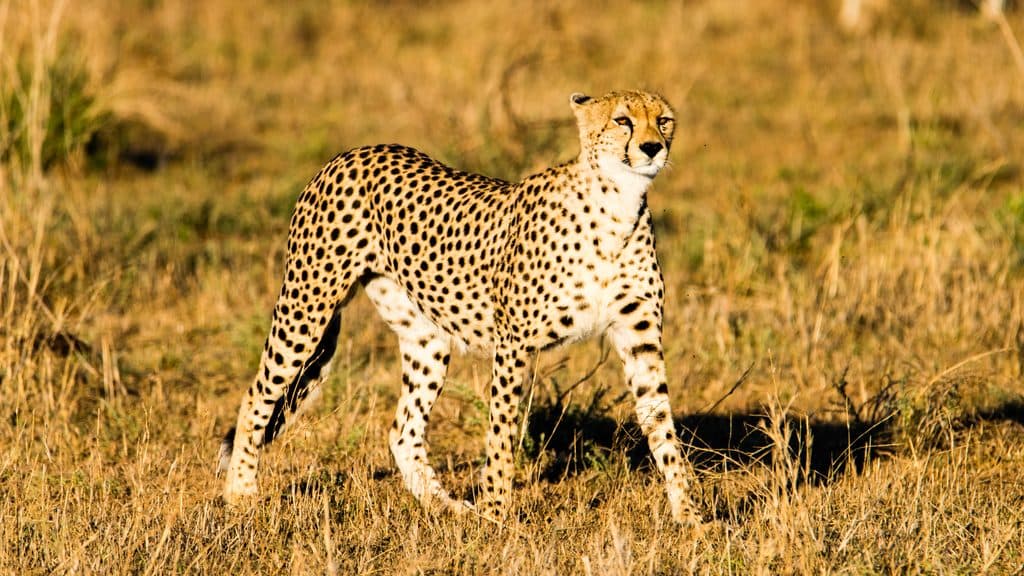
Seronera is classic central Serengeti—open plains broken by rocky kopjes, river lines, and waterholes. It’s renowned for high densities of big cats (lions, leopards, cheetahs) and a constant cast of elephants, buffalo, giraffe, and more. The migration moves through this region, and the nearby airstrip makes Seronera a common base for game drives.
Visitor-facing details for the institute aren’t provided here, so don’t plan on exhibits or a formal tour. Treat it as a notable landmark within a top-notch wildlife area and focus your time on the surrounding game-drive circuits where sightings are consistently rewarding.
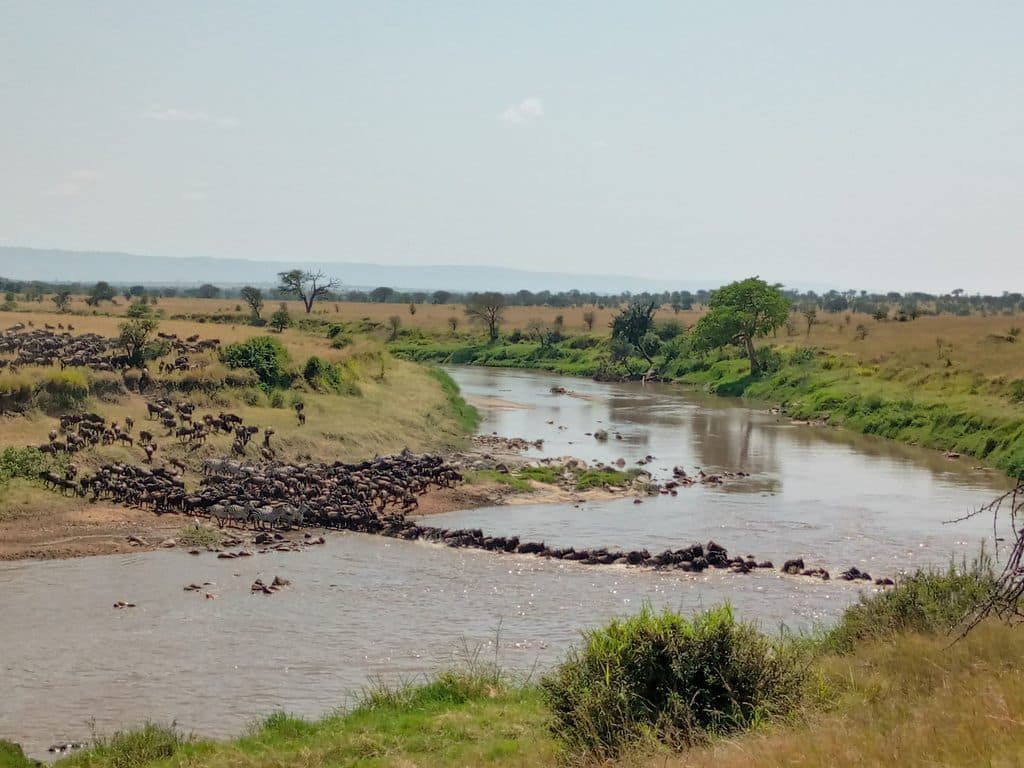
For wildlife viewing around Seronera, the dry season (June–October) is prime as animals cluster near water. The wet season (November–March) turns the park lush and is excellent for birding; calving peaks January–March. River crossings in the wider ecosystem occur between roughly April and September, with herds returning south by October. Time your drives for early and late light; midday is harsher for photos.
Because public access to the institute isn’t spelled out here, coordinate with your guide on what’s feasible and focus most of your time on wildlife-rich routes nearby.