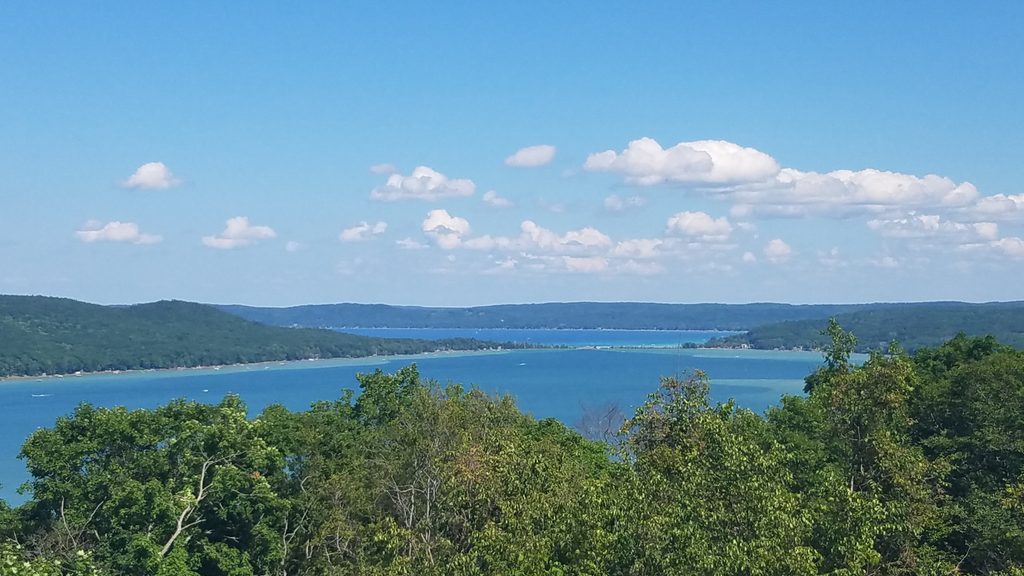
Alligator Hill

Shady ridge loops with lake-and-island overlooks and winter skiing
Alligator Hill, Sleeping Bear Dunes National Lakeshore
InsideSleeping Bear Dunes National Lakeshore

Overview

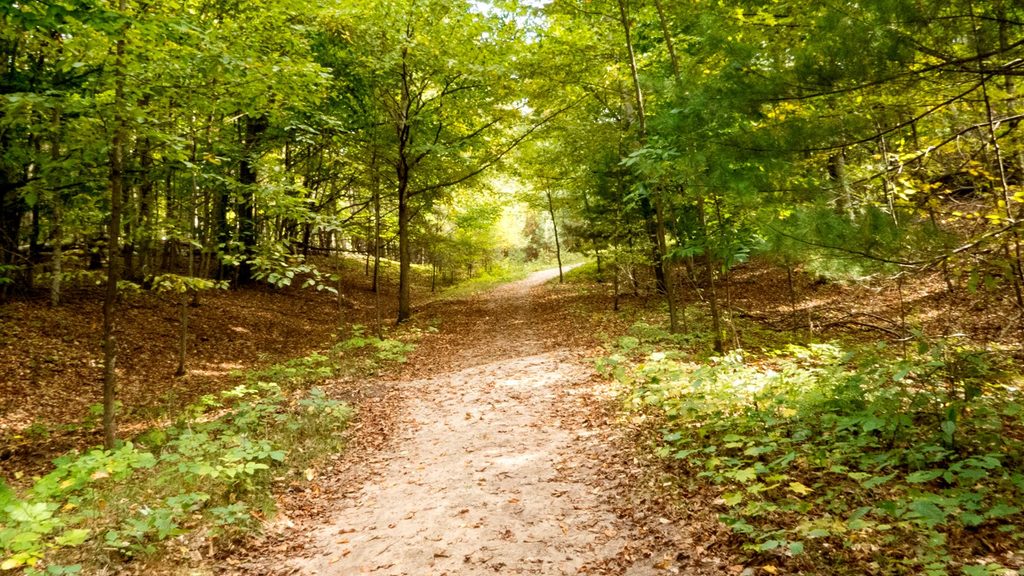
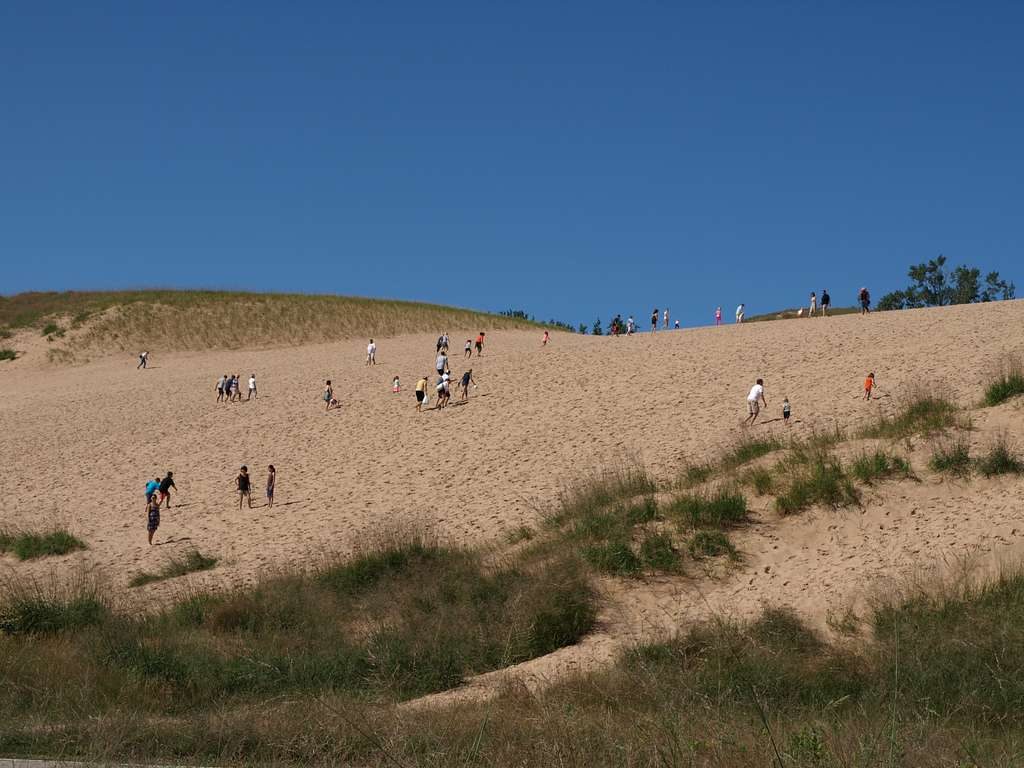
Alligator Hill is a forested ridge near Glen Arbor with a well-marked network of loop trails. It’s less crowded than the big-name dune spots, and its trails roll over an alligator-shaped ridge (the namesake silhouette is best appreciated from afar). Expect a mix of easy-to-moderate grades, steady ups and downs, and quiet woods that feel a world away from the busy lakeshore.

What You’ll See

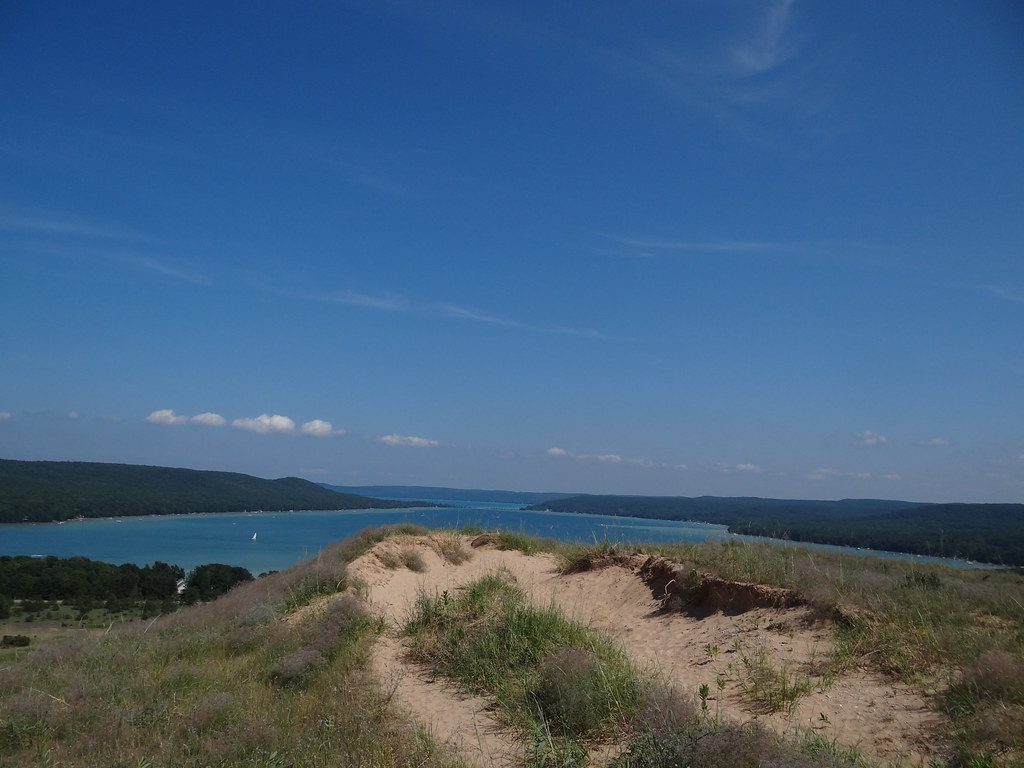
  • Overlooks toward Lake Michigan and the Manitou Islands, plus a spur to a Glen Lake view. Some vistas peek through the trees, but the payoff benches and viewpoints are memorable.
  • Classic northern hardwoods—beech-maple forest—interspersed with brushy openings and pine plantations.

Trails & Activities

  • Interconnected loops totaling up to roughly 9 miles, with common outings in the 3–8 mile range and a 1.6-mile spur to the Glen Lake overlook.
  • Year-round fun: hiking in the green season; some of the Lakeshore’s best cross-country skiing in winter.
  • The only place in the park where horseback riding is allowed.
  • No mountain bikes here—this is a hike/ski/horse trail system.

Trailheads & Navigation

Enter from either the Stocking Drive Trailhead or the Forest Haven Trailhead. Grab a map at the trailhead and pick a loop that matches your energy—there are plenty of junctions to “choose your own adventure.”

Best Time to Visit

All seasons work here, but your activity dictates timing: winter for cross‑country skiing; spring–fall for shaded forest walks and overlooks. It’s generally quieter than the marquee dunes, which makes it a smart pick on busy weekends.

Know Before You Go

  • Bring water and snacks—there are no water sources or restrooms at the trailhead.
  • A park pass is required.
  • Pets must be leashed; they’re not allowed on these trails Dec 1–Mar 31 during ski season.
  • Trails can feel longer than expected thanks to the rolling terrain; a pocket map or GPS helps at the many junctions.
  • Some viewpoints are partially grown in; don’t be surprised if the best looks come with a little framing through the trees.

History & Geology

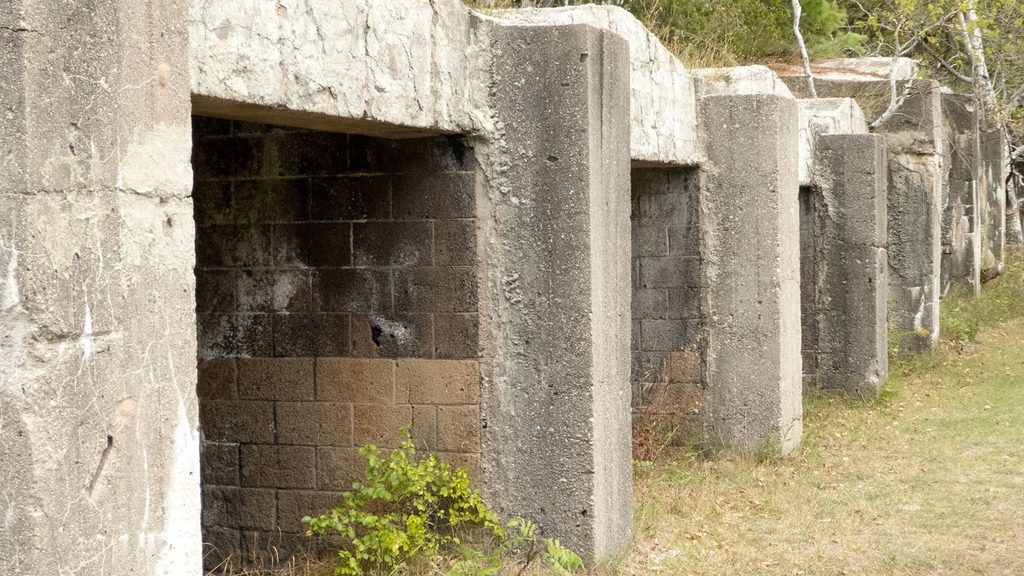
You’re walking old development roads, driveways, and former fairways that now form the backbone of the trail network. The ridge itself is glacial—a product of ice lobes that shaped Glen Lakes and left behind the sandy, rocky spine that became Alligator Hill.

Wildlife

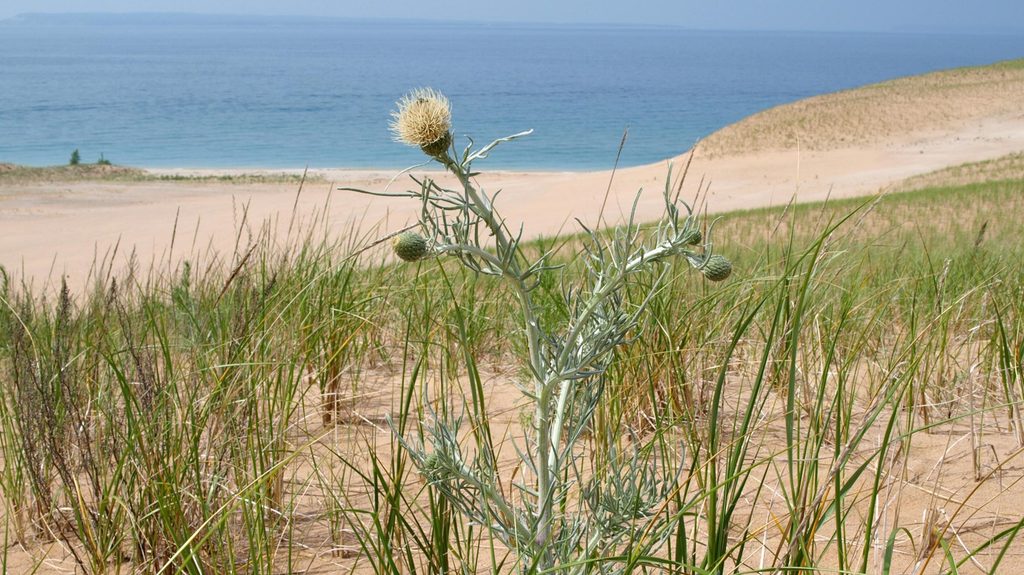
Specific sightings aren’t documented for this trail, but in these forests it’s typical to encounter songbirds, wild turkeys, white‑tailed deer, and other small mammals. As always in the dunes environment, stay on designated routes to protect this fragile landscape.

Park Programs

Alligator Hill counts toward the Lakeshore’s Trail Trekker Challenge—hike all the mainland trails for a little prize and a lot of bragging rights.

Pros

  • Multiple loop options with lake and island overlooks
  • Only trail in the park that allows horseback riding
  • Excellent winter cross-country skiing

Cons

  • No restrooms or water at the trailhead
  • Some viewpoints can be partially obscured by trees

Tips

  • Grab a trail map at the trailhead and stick to marked loops.
  • Bring bug spray in warmer months.
  • Pack all the water and snacks you’ll need—there’s no water on site.
  • A park pass is required for trail use.
  • Pets must be leashed and are not allowed Dec 1–Mar 31.
The Parkwolf tour guide sitting on a phone mounted in a car

Parkwolf Tour Guide

Like a tour guide in your car.

Save the places you found around Sleeping Bear Dunes, then let Parkwolf guide the drive between them.Download Parkwolf on the App Store