
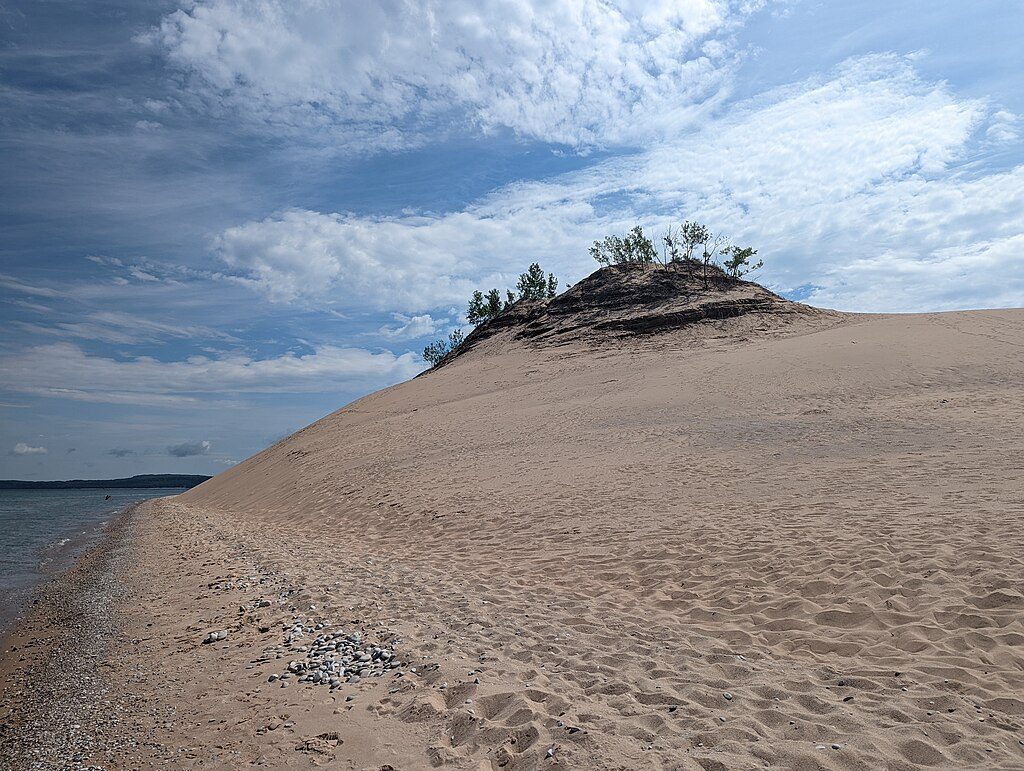
Place · 0.4 mi away
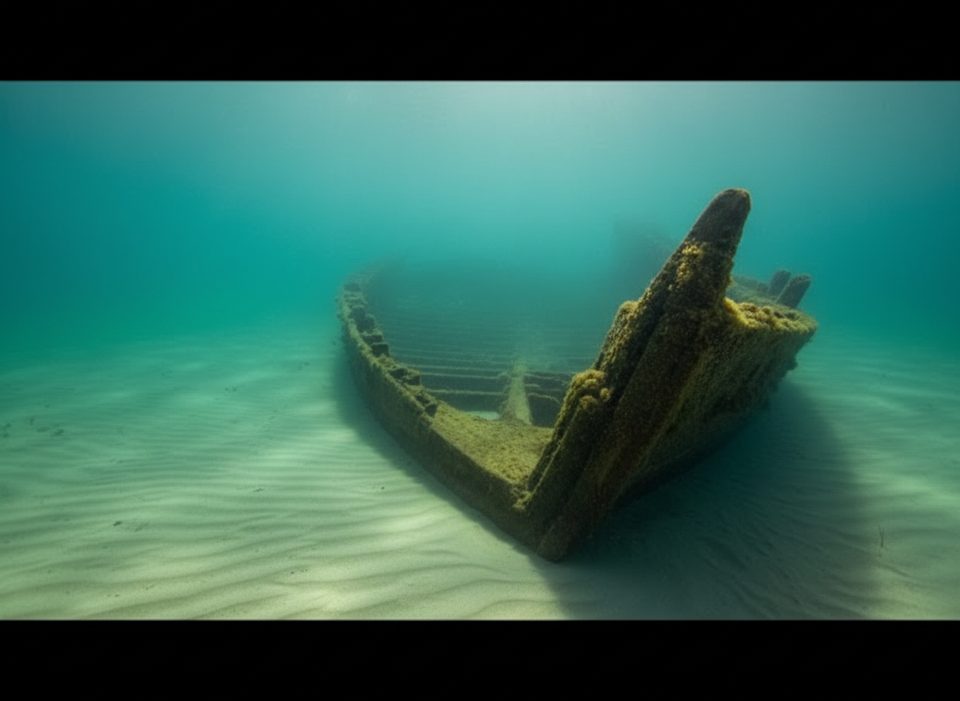
The James McBride Shipwreck rests just offshore of Sleeping Bear Point, a 121-foot brig built in 1848 that ran aground and sank in 1857. It lies in roughly 5–15 feet of water, making it unusually accessible for a Great Lakes wreck and, on the right day, visible from the beach. It’s among the older documented shipwrecks in the area and part of the region’s broader maritime story.
Expect to spot sections of the wooden hull and scattered timbers beneath the surface; on exceptionally clear, calm days you can pick it out from the shoreline or dune overlooks. After strong storms and shifting sands, larger portions sometimes emerge—at one point a 43-foot section was exposed—so what’s visible can change year to year.
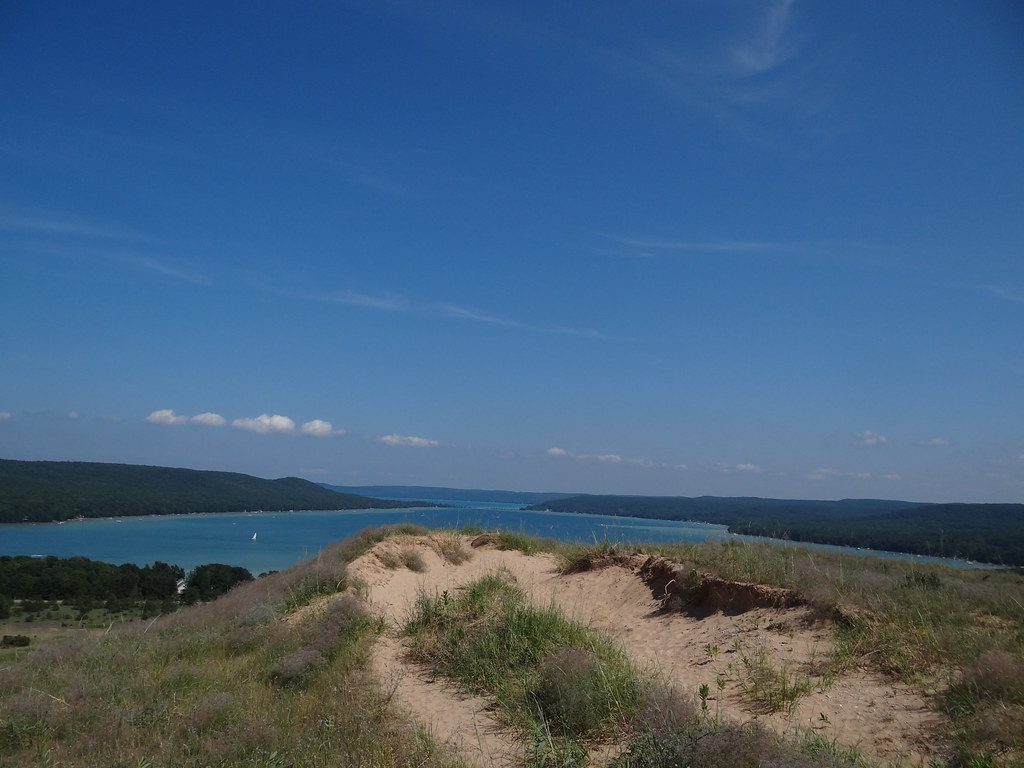
This is an undeveloped shoreline/dive site, not a built attraction. The nearest onshore access is the Sleeping Bear Point area, with hike-in access via the Sleeping Bear Point Trail from the parking by Glen Haven. Many people view the wreck from shore with polarized sunglasses to cut glare; others paddle out by kayak or snorkel it when conditions are calm. There are no services at the beach or in the water—plan to be self-sufficient.
Two scenarios shine: spring after ice melt (when the water can be exceptionally clear) and the calm, crystal days following storms that have shifted sand off the wreck. Any day with light winds, low turbidity, and glassy water dramatically improves visibility.
Lake Michigan stays cold, even in summer—dress for immersion if you plan to wade or snorkel. Check wind, waves, and water clarity before committing; if it’s choppy, you won’t see much. The wreck is protected by law: look, photograph, and leave everything in place.
Nearshore waters here often host small fish and occasional waterfowl; you might glimpse perch or other common lake species nosing around the timbers. Overhead, keep an eye out for passing birds along the shoreline.
If you love maritime history or unusual photo ops, this is a memorable, low-effort payoff on the right day. Just know it’s moody: some days it’s a ghostly silhouette in gin-clear water; other days it disappears into chop and sand.
Place · 0.4 mi away
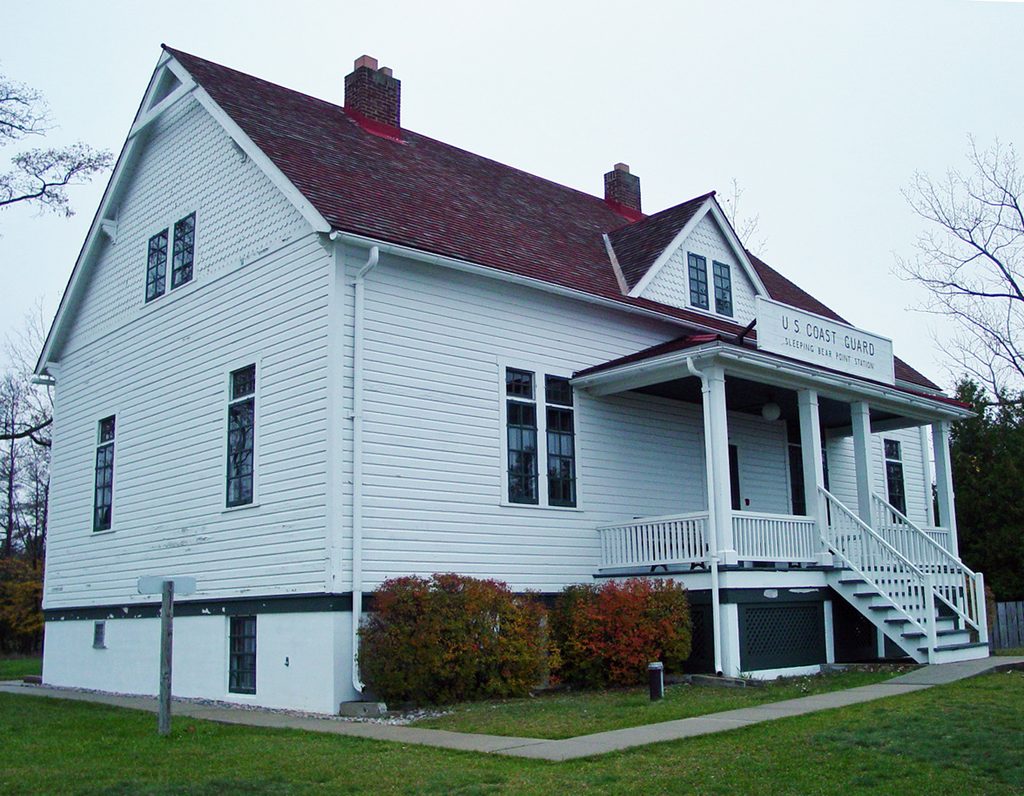
Place · 0.8 mi away
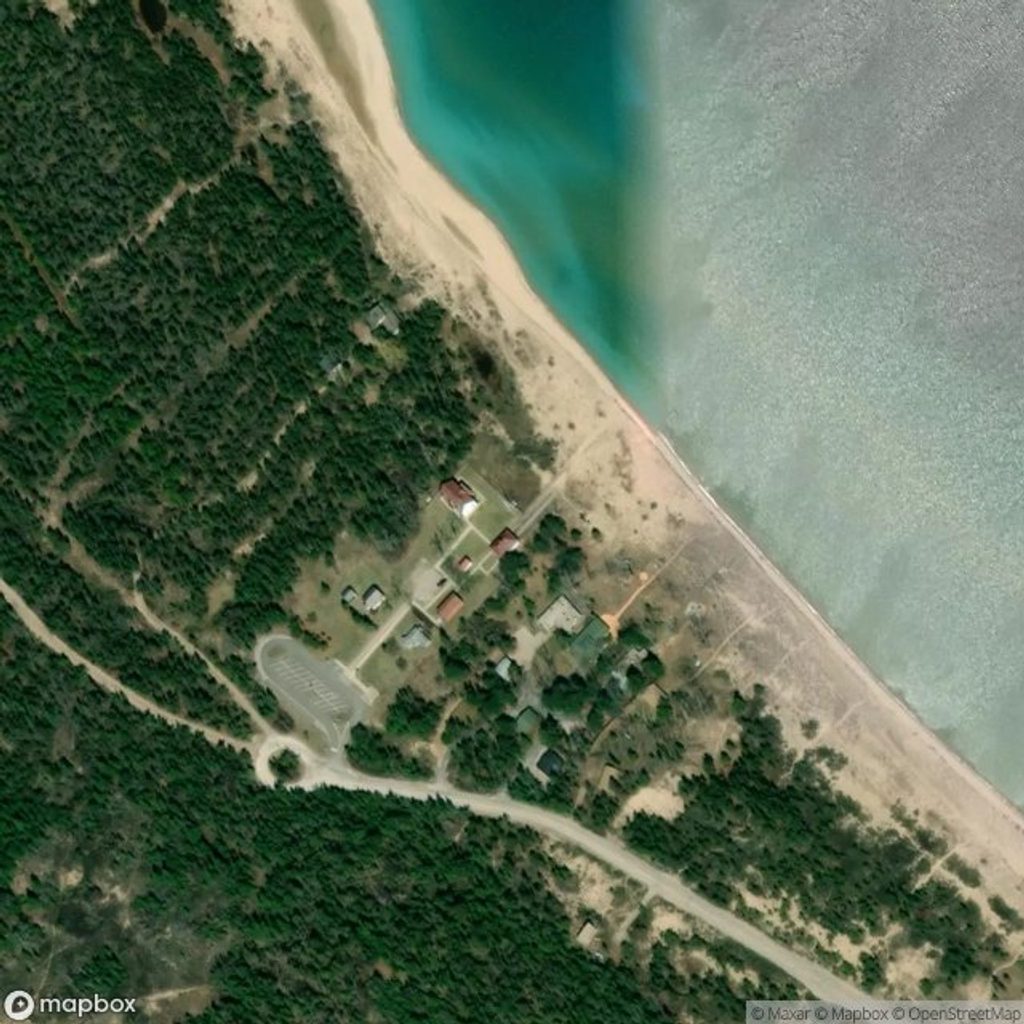
Place · 0.8 mi away
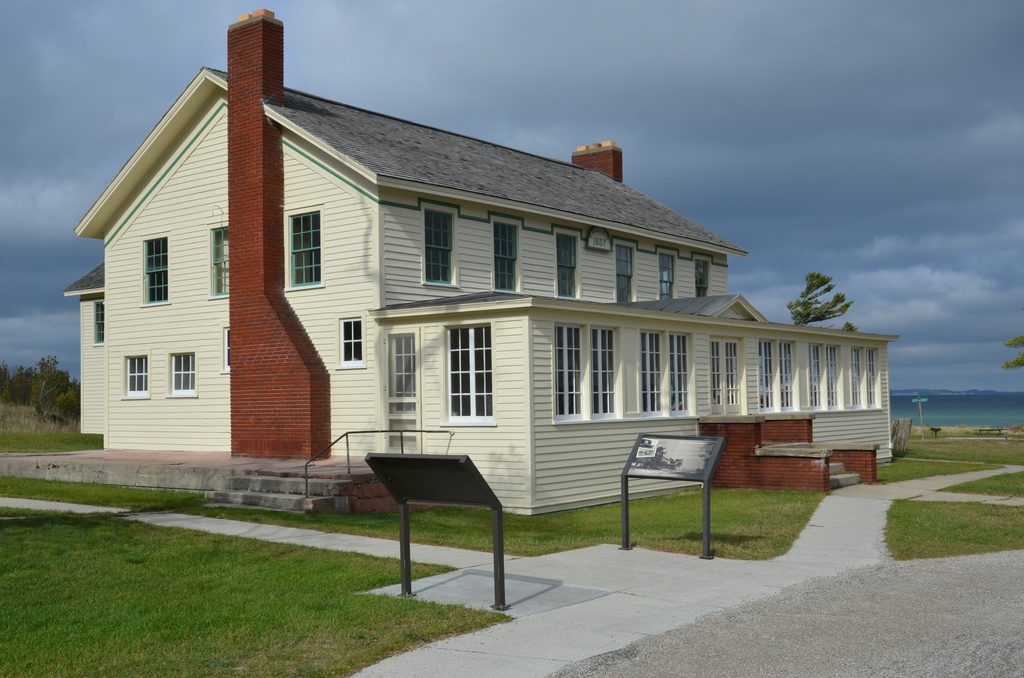
Place · 1.3 mi away
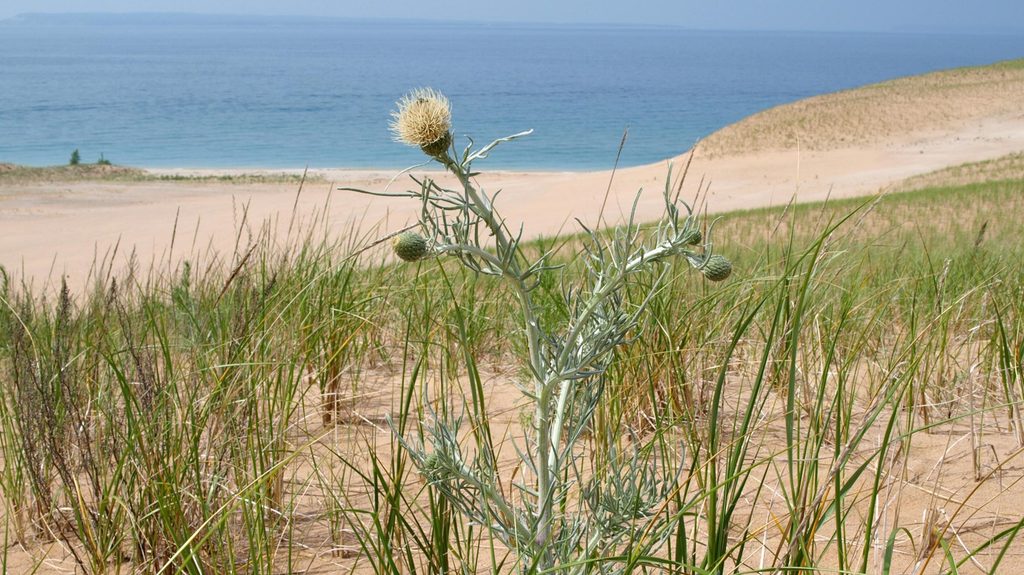
Challenging · 0.6 mi away
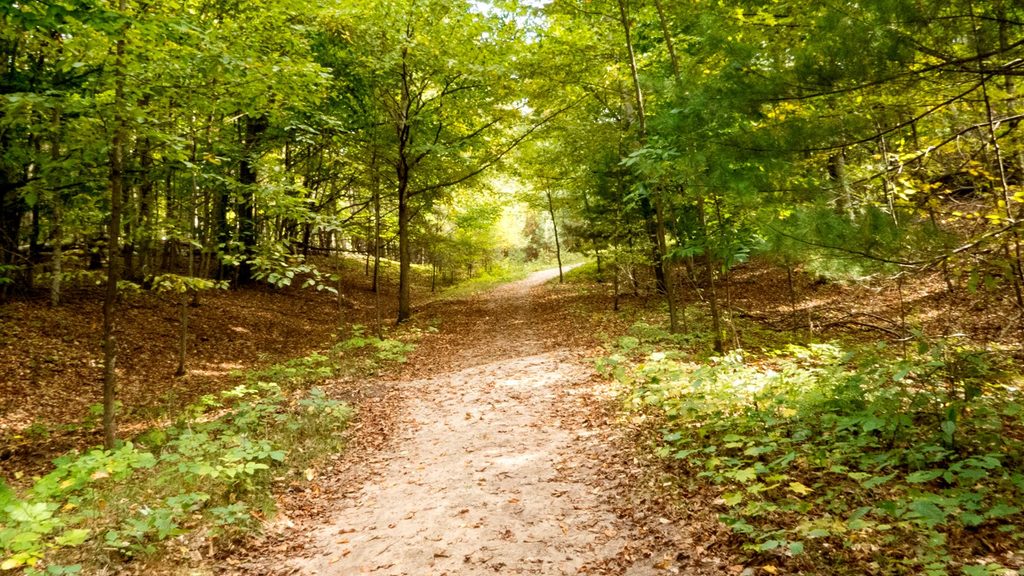
Moderate · 2.2 mi away
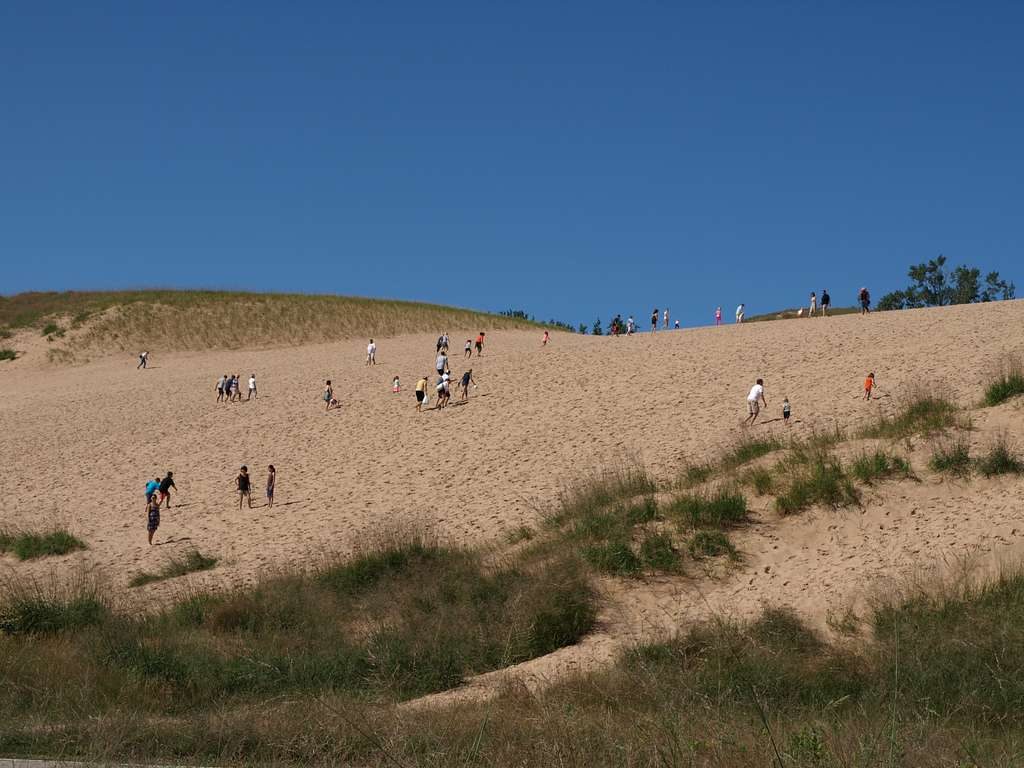
Challenging · 2.4 mi away
Moderate · 3 mi away

Parkwolf Tour Guide
