
Place · 1.4 mi away
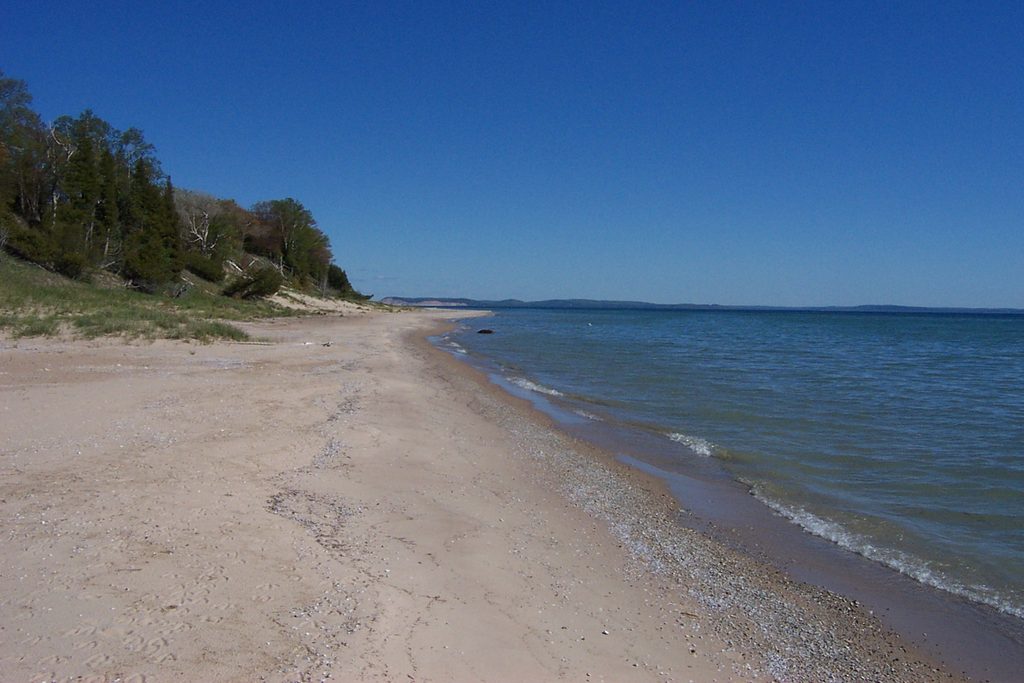
North Manitou Island is the park’s backcountry crown jewel: a remote, largely designated wilderness of dunes, high bluffs, cedar swamps, and quiet beaches. It’s accessible only by seasonal ferry or private boat, and there are no residents or modern conveniences—just you, your gear, and the sound of Lake Michigan.
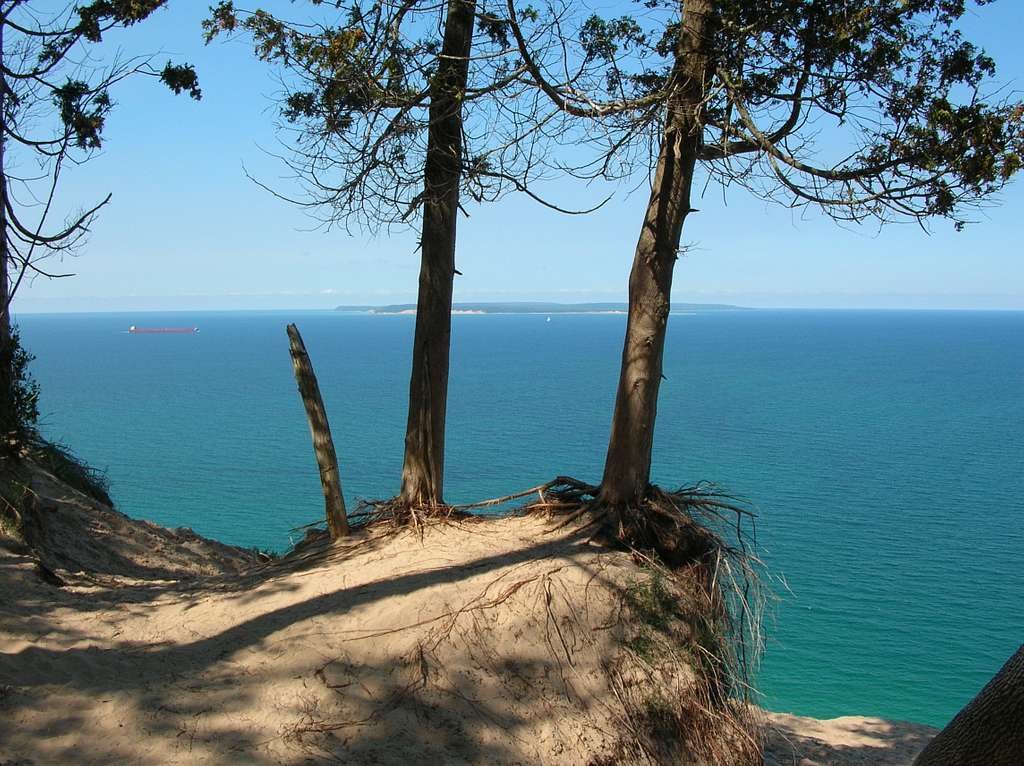
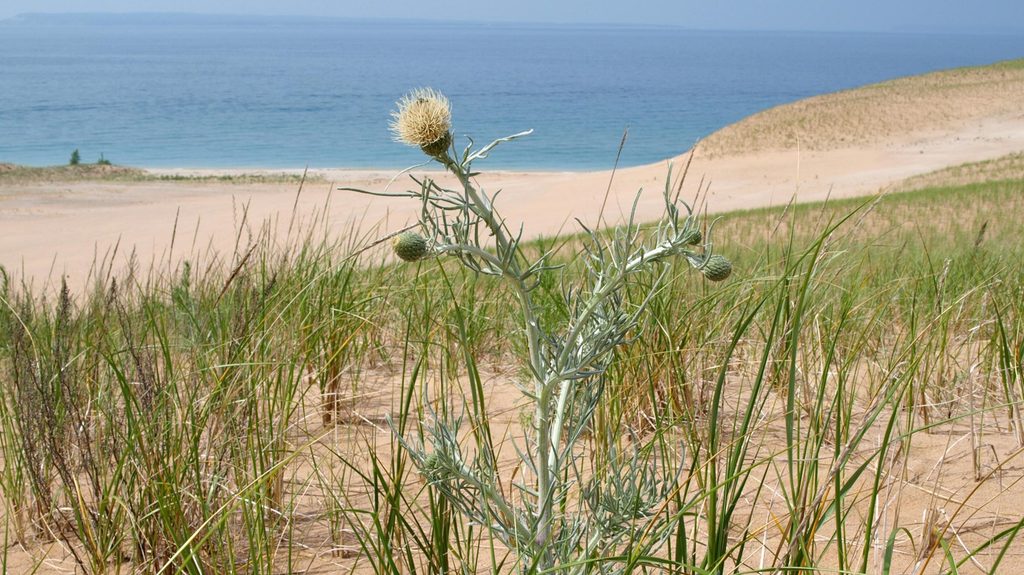
Expect sweeping bluff-top views, extensive dune fields on the northwest and southwest shores, and a mix of forest, meadows, and wetlands. Inland, Lake Manitou breaks up the woods with calm water and long, quiet stretches. You’ll stumble across remnants of past lives—old village structures, farm sites, cemeteries—and, offshore, the waters protect dozens of historic shipwrecks (look, don’t touch).
There are 20+ miles of hiking via old roads, beach walking, and paths—including sections on a historic logging railroad grade. Much of the island is open to off-trail wandering, but don’t expect manicured route-finding everywhere; some paths are faint or overgrown, so bring solid navigation.
Birders do well here: hawks and eagles patrol the skies, and endangered piping plovers nest at Dimmick’s Point (closed May 1–August 15). On the mammal front you’ll see white‑tailed deer, coyotes, beavers, and chipmunks. Garter snakes are common. On the boat ride over, keep an eye out for double‑crested cormorants loafing on the Lighthouse Crib.
This is wilderness camping country. Dispersed camping is allowed across much of the island, with a small designated Village Campground near the dock. Potable water is only available at the ranger station; everywhere else you’ll need to filter or purify. Restrooms are simple outhouses at the ranger station and Village Campground—nowhere else. No fires outside the campground rings.
You’ll need a Sleeping Bear Dunes entrance pass, and you should plan for self-reliance—there are no stores, restaurants, or medical facilities. Weather can swing fast on Lake Michigan, and the ferry schedule can shift with conditions. Emergency response is limited and may be delayed by weather.
Late spring through early fall aligns with ferry operations and the most stable weather. For quieter shores, aim for weekdays and shoulder-season windows. Sunsets glow along the west-facing beaches; mornings are calmest for glassy water and easier crossings. Even in summer, pack a warm layer for the boat.
Place · 1.4 mi away
Place · 2 mi away
Place · 2.2 mi away
Place · 2.4 mi away
Easy · 7.8 mi away
Moderate · 11 mi away
Moderate · 12.5 mi away
Challenging · 13.8 mi away

Parkwolf Tour Guide
