
Place · 0.2 mi away
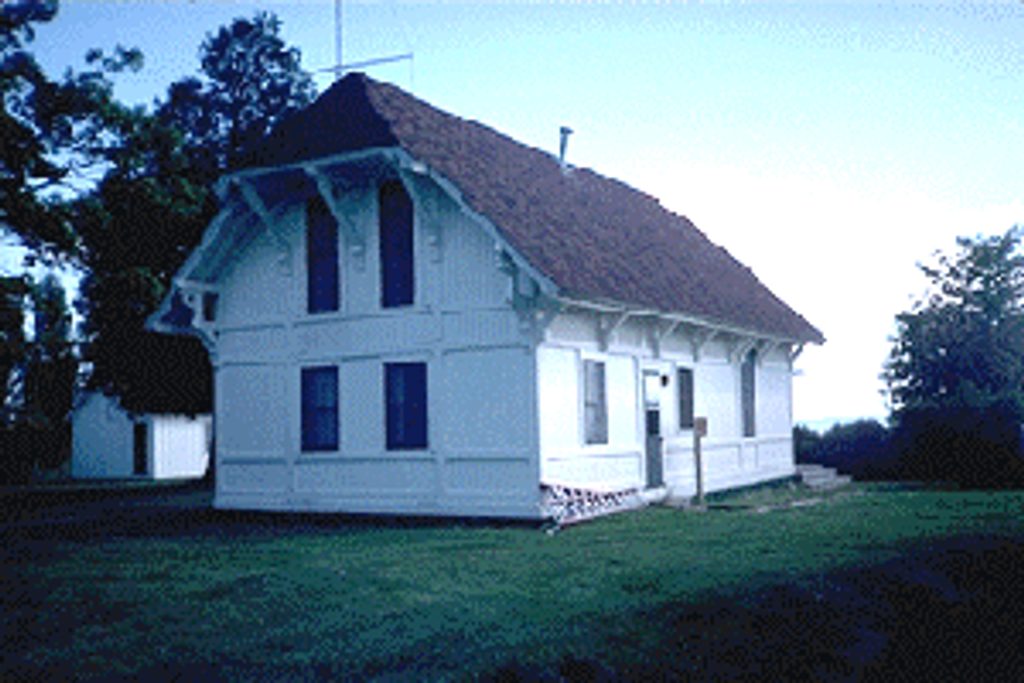
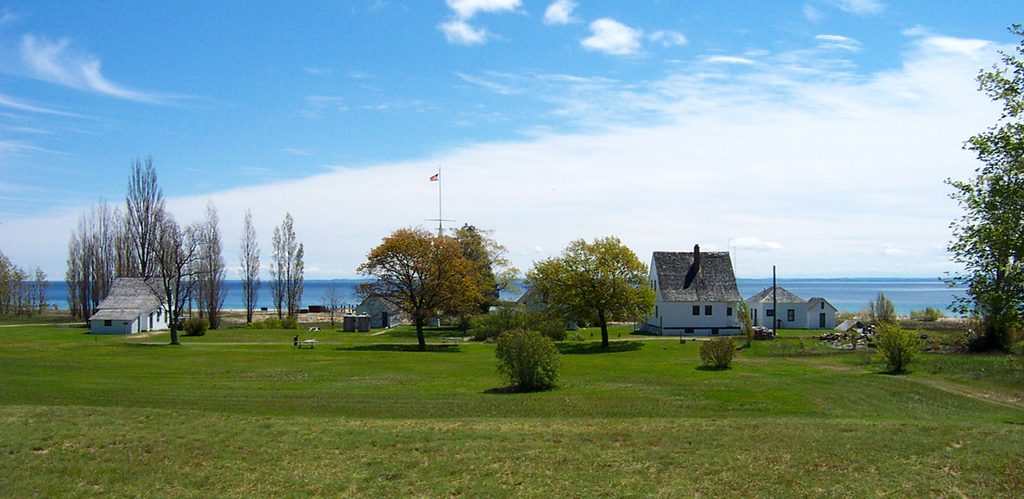
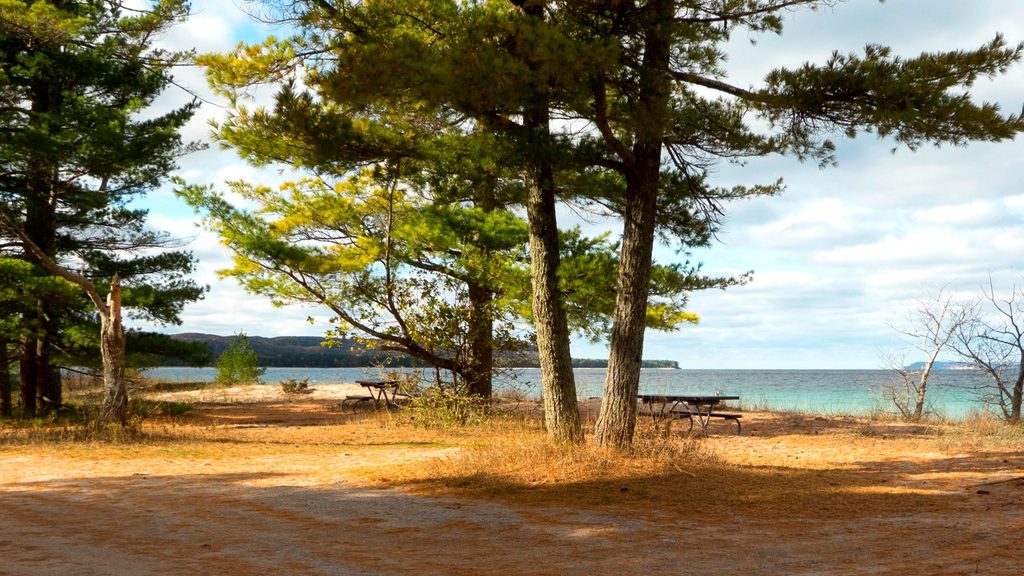
Set on the east/northeast shore of North Manitou Island, this historic lifesaving complex sits just inland from a sandy Lake Michigan beach. It’s one of the park’s most compelling time capsules: a preserved station that traces the full arc of Great Lakes lifesaving—from volunteer beginnings to the U.S. Life-Saving Service and eventually the Coast Guard. It’s quieter than the mainland, and the setting—open fields, Lombardy poplars, and big skies—adds to the sense of stepping back in time.
This is the only lifesaving station that represents the entire, uninterrupted evolution of lifesaving on the Great Lakes—from volunteer crews through the U.S. Life‑Saving Service and into the Coast Guard. Its architectural integrity and intact setting have earned it recognition as a National Historic Landmark.
Established in 1854 as a volunteer rescue station, it later became part of the U.S. Life‑Saving Service (1874) and then the Coast Guard (1915). Beyond rescues, the crew supported island life with fire protection, first aid, policing, and communications. Operations wound down by 1938; afterward, the site housed employees and supported a hunting preserve before becoming part of the National Park Service in 1984. Today, the complex is restored and used by the park as a ranger station.
You’ll need a ferry or private boat to reach North Manitou Island, then walk from the dock area through the village to the station. Expect limited facilities and variable building access—this is an active NPS operations area, not a full museum.
While the station itself is about history, the island around it is classic Great Lakes habitat—expect birds and deer, and the occasional tranquil encounter with wildlife in the open fields and along the shore.
Time your visit around ferry arrivals and departures, when the village area is most active. Outside those windows, the station area is typically calm. Good weather days make the walk and beachside exploration far more pleasant.
Come self‑sufficient: bring water, snacks, and layers for changeable lakeshore weather. Cell service may be limited. Some doors stay shut for preservation or operations—respect closures and posted guidance, and enjoy the historic exteriors and setting.
Place · 0.2 mi away
Place · 0.5 mi away
Place · 2.2 mi away
Place · 2.3 mi away
Easy · 9.7 mi away
Moderate · 11.2 mi away
Moderate · 13 mi away
Easy · 14 mi away

Parkwolf Tour Guide
