
Place · 16.5 mi away
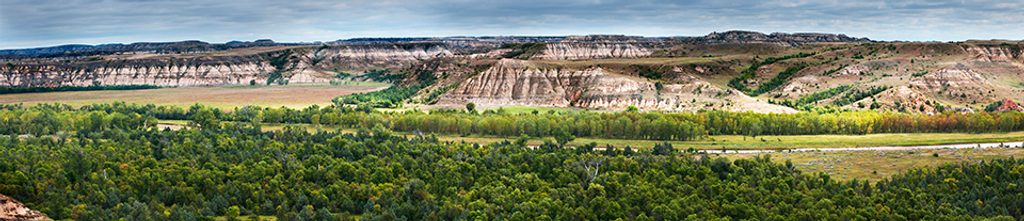
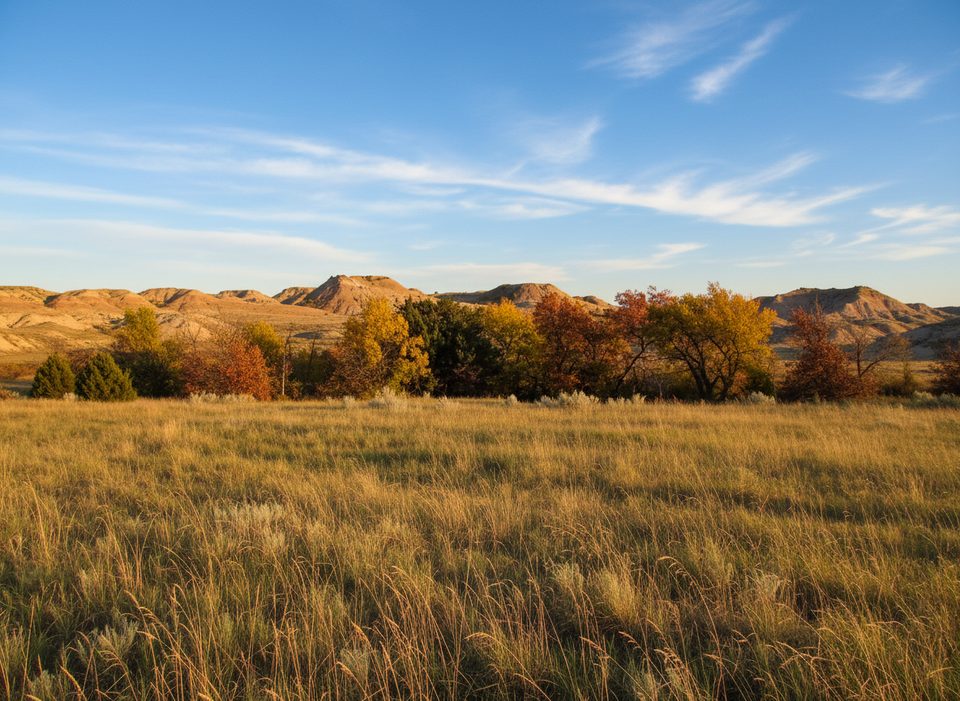
This is Theodore Roosevelt’s "home ranch" setting—kept intentionally simple so the landscape does the talking. Don’t expect a reconstructed cabin or a big interpretive complex. The draw is the solitude, the cottonwoods along the Little Missouri, and the chance to stand where Roosevelt healed, wrote, and shaped ideas that later defined his conservation legacy.
From a small parking area, a mowed path (about 0.5–0.7 miles one way) leads through river-bottom grass to the fenced foundation stones—roughly the footprint of Roosevelt’s eight-room ranch house. Along the way, low-key exhibits share passages from Roosevelt’s own writings. The cabin is gone, but the feel of the place—river, cottonwoods, open Badlands—remains.
It’s remote. The approach is all gravel/dirt with sections that can be rutted or muddy after rain. Signage can be sparse or confusing, and there’s essentially no cell service, so download offline maps and grab current directions and road conditions at a visitor center before you go. Many visitors find the southern route from I‑94 Exit 10 the most straightforward. In dry conditions, careful drivers reach it in regular cars; after storms or in winter, high clearance and sometimes 4WD are advisable. Expect occasional oilfield traffic and dust on approach roads.
The path is flat and easy, about 15–20 minutes each way. Exhibits are minimal by design, and the reward is the setting itself. Plan for a quiet, reflective stop rather than a long hike. There are no services at the trailhead or site—no water and no restrooms. A primitive USFS campground with an outhouse and hand pump sits a couple miles before the parking area; treat that as a backup, not guaranteed service.
You’re in classic Badlands habitat. Keep an eye out and give any wildlife plenty of space. Rattlesnakes have been reported in warm months; stay on the path and watch where you step. Drive cautiously on the approach roads and avoid wet conditions if you lack high clearance.
Go on dry days, ideally with a few hours of daylight cushion in case roads are slow. Early morning and late afternoon bring softer light across the river bottoms and cottonwoods, and you’ll likely have the site to yourself. Crowds are rarely an issue here; road conditions are.
Place · 16.5 mi away
Place · 18.3 mi away
Place · 18.8 mi away
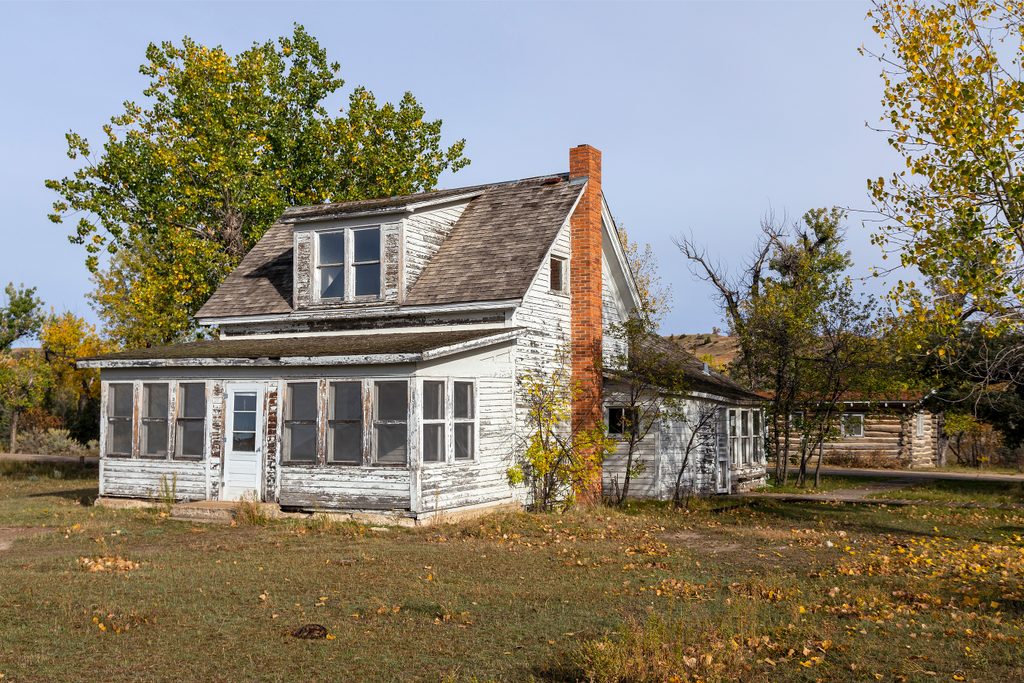
Place · 19.9 mi away
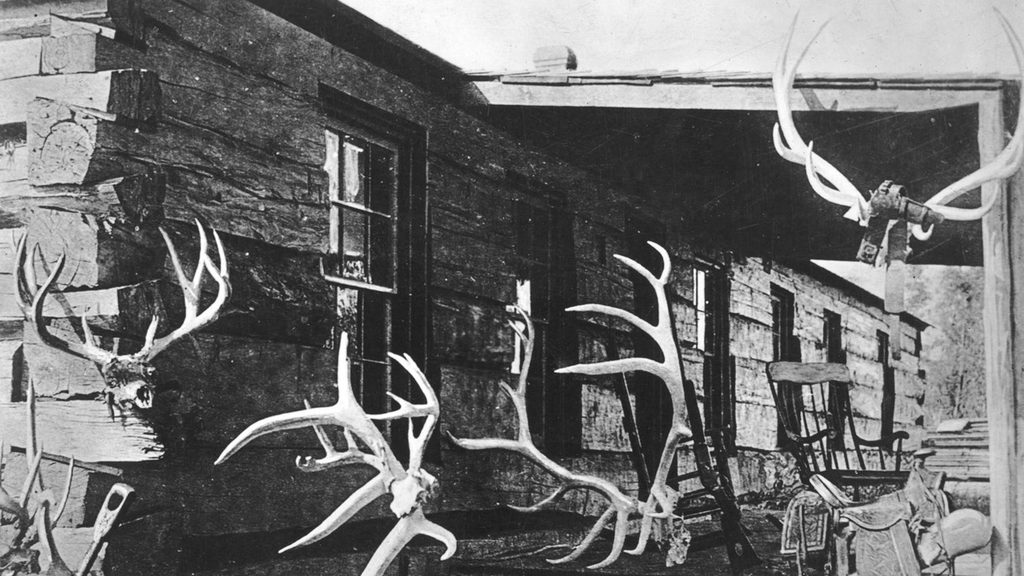
Easy · 0 mi away
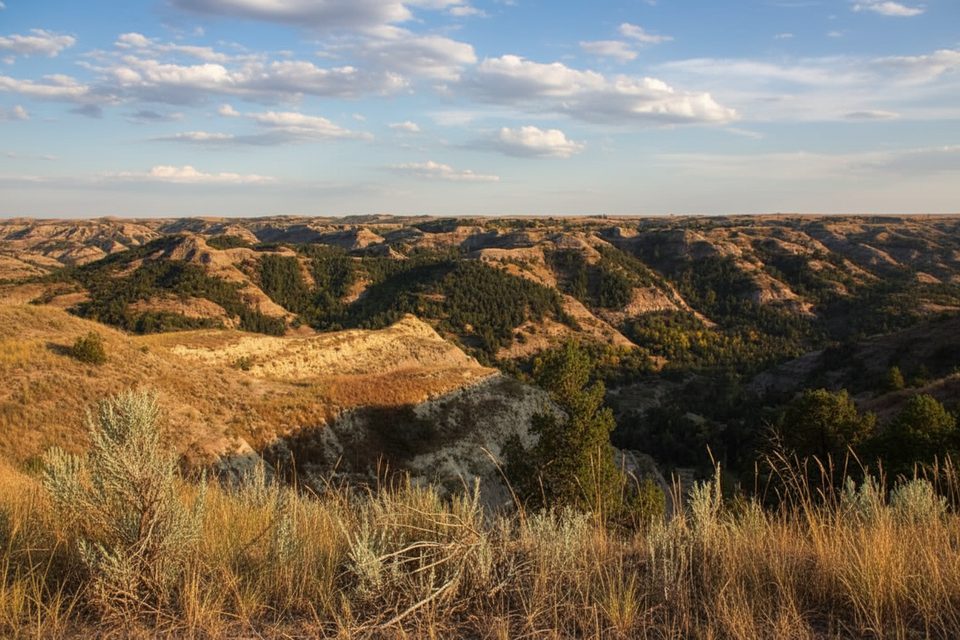
Challenging · 12.4 mi away
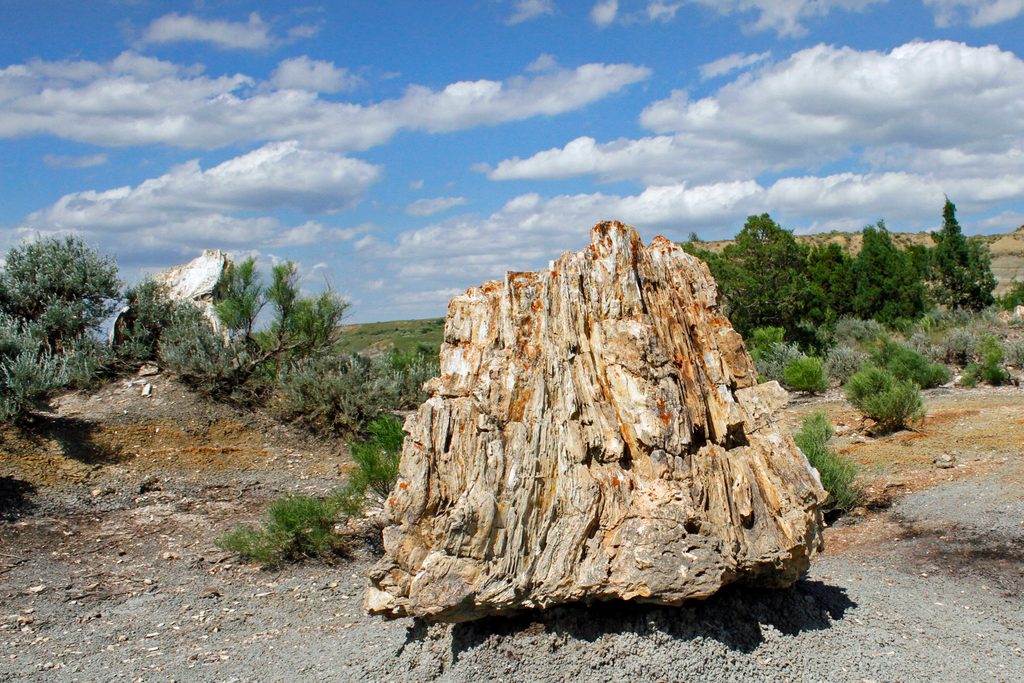
Moderate · 16.5 mi away
Moderate · 16.7 mi away

Parkwolf Tour Guide
