
Place
Easy
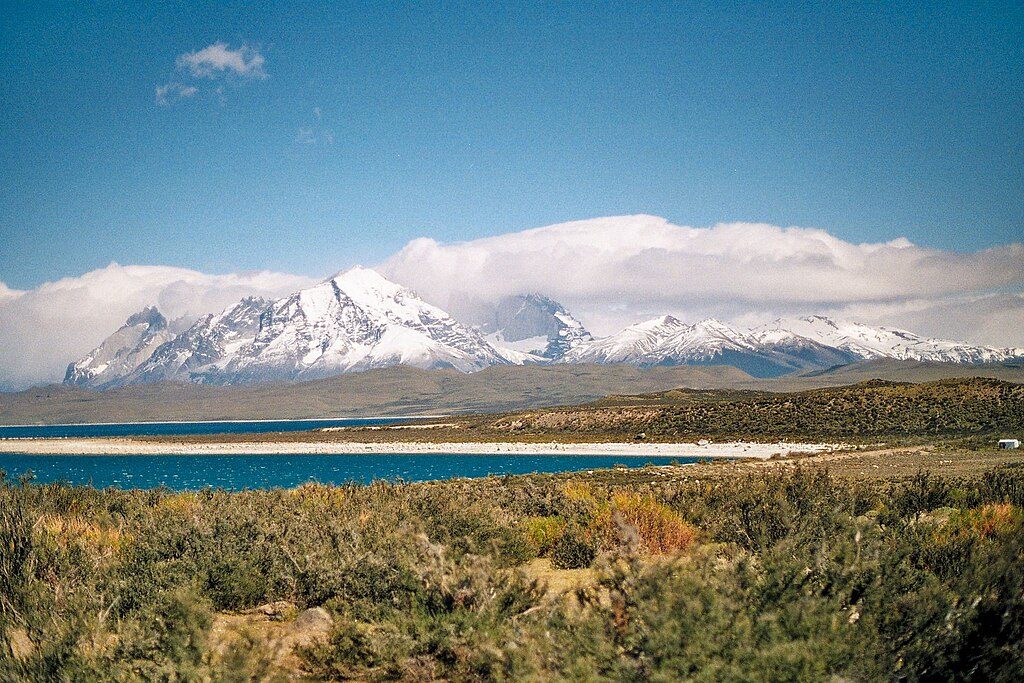
A point‑to‑point wildlife route across the park’s eastern steppe, the Fauna Trail runs between Portería Lago Sarmiento and Portería Laguna Amarga. Expect broad, photo‑ready views of the Paine Massif, rolling grasslands, and a quiet feel compared to the park’s headline hikes. The distance is about 4.5 miles/7.3 km one way with roughly 700–760 ft (≈225 m) of total ascent, typically taking 2–3 hours depending on stops.
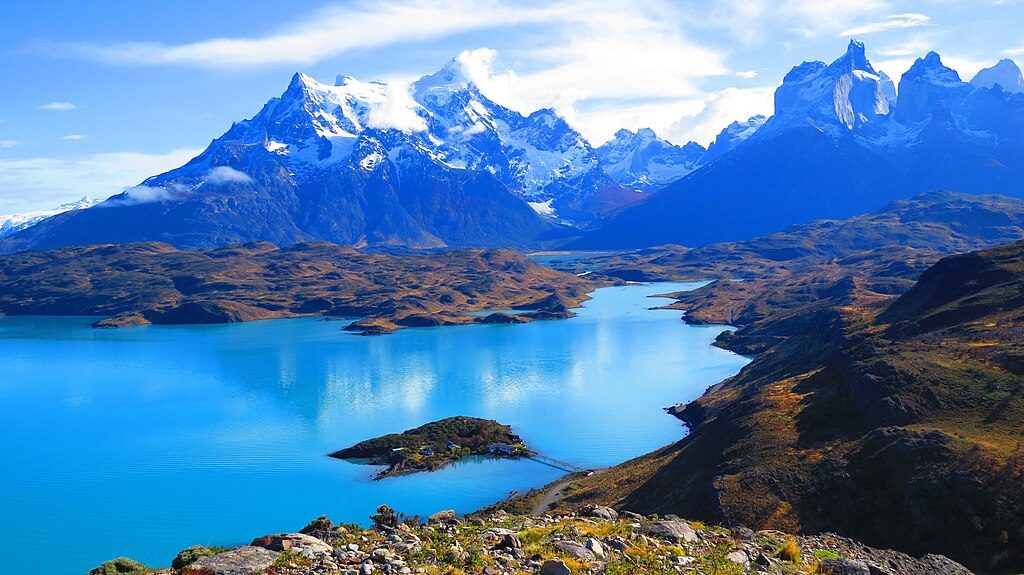
This is classic Patagonian steppe—open, windswept terrain with fencelines and gentle ridges that frame the granite-and-sedimentary skyline of the Paine Massif. Wildlife is the star: guanaco herds are common, foxes work the edges, and Andean condors ride the thermals. You’ll also notice puma sign (tracks or scat) at times. A short detour leads to prehistoric rock paintings estimated at 3,000–8,000 years old near a small cave/outcrop.
Underfoot it’s natural singletrack with some rocky, uneven stretches and full exposure (no shade). Most sources rate it easy to low‑moderate: steady grades, but the wind can make it feel tougher. It’s commonly hiked Sarmiento → Amarga as a one‑way; plan a shuttle or be ready to retrace your steps. The route can be lightly marked or unmarked in places—following ridges and fence lines—so a reliable GPS track helps, especially if you hope to find the rock‑art spur.
Summer (December–February) brings the warmest temps and long daylight, plus the biggest crowds park‑wide. Shoulder seasons—September–November and March–May—offer milder weather and fewer people. Wildlife behavior peaks in interesting ways: December often features guanaco mating and newborns on the steppe. Whatever the season, Patagonia’s weather swings fast: start early, carry layers, and expect powerful wind and passing squalls. Winter (June–August) is quiet and beautiful but can limit access.
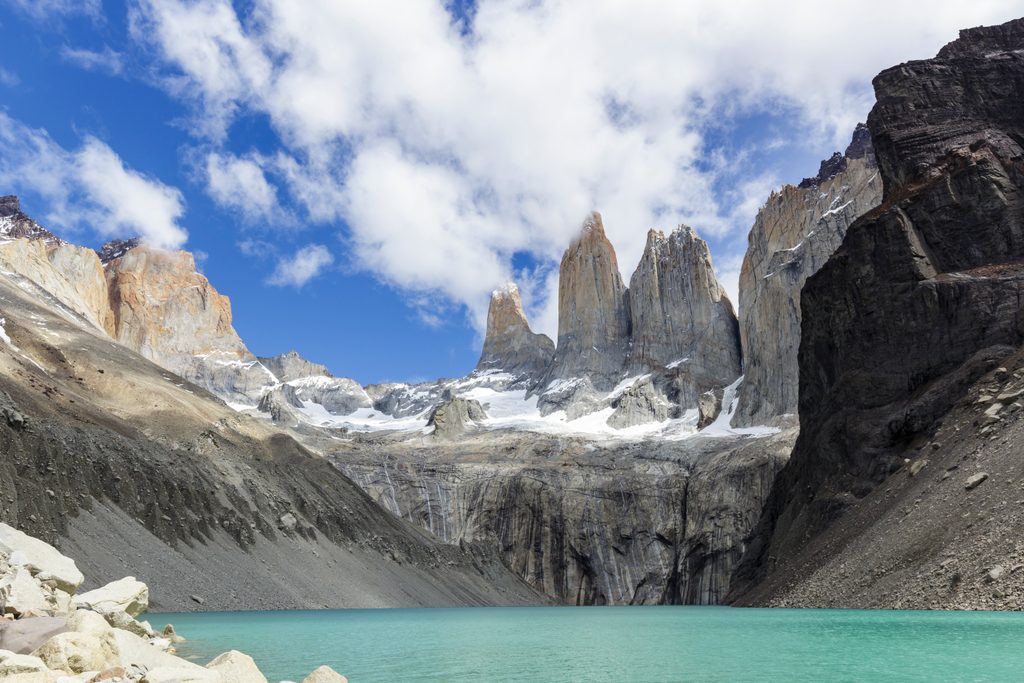
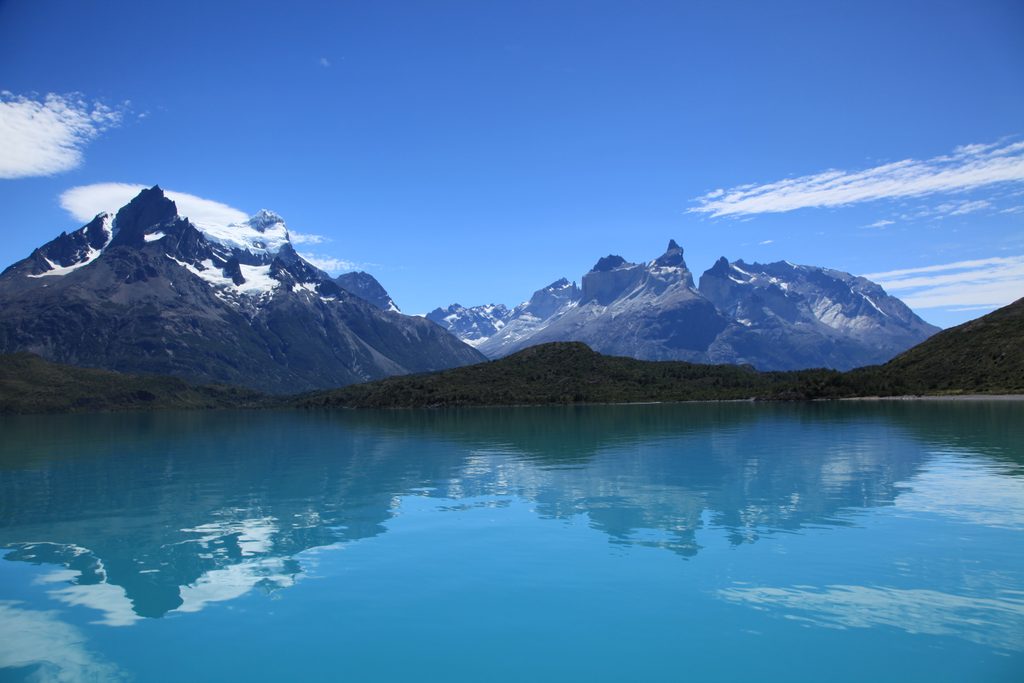
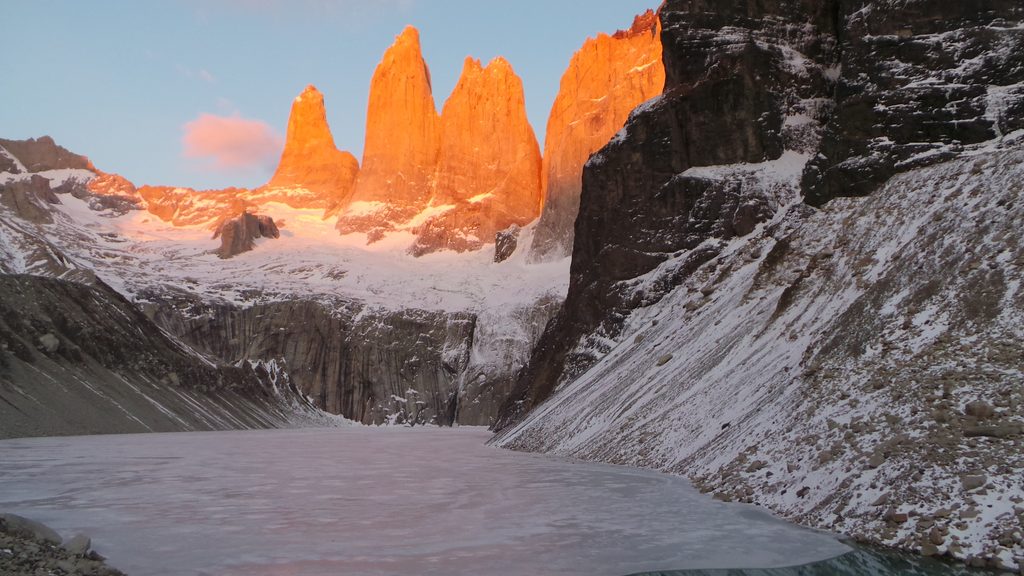
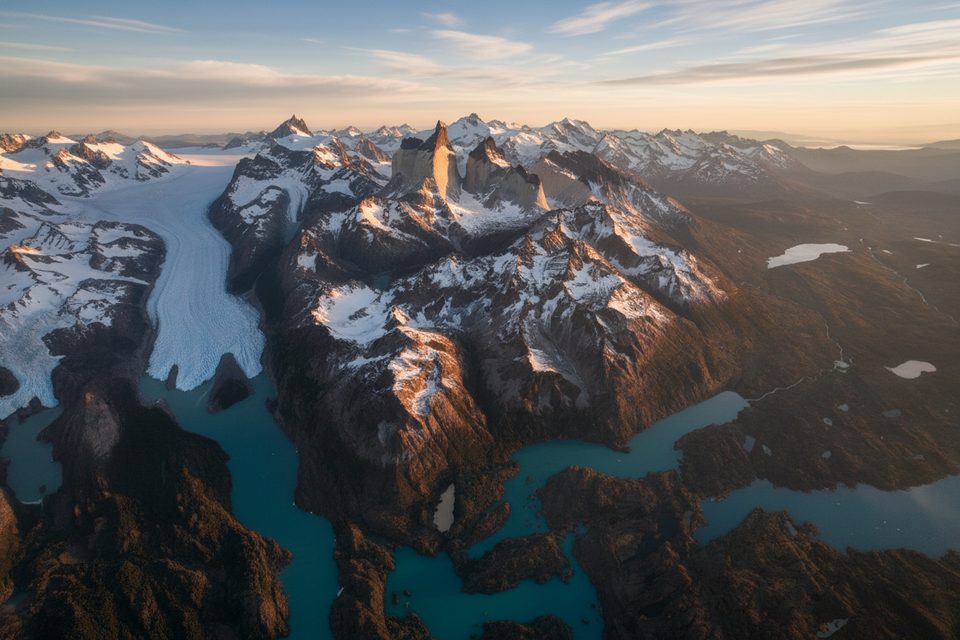
The skyline you’re admiring is the Paine Massif—an independent formation within the Andes where resistant granite intrusions and older sedimentary layers create the dramatic contrast between the Torres and the Cuernos. The Fauna Trail itself crosses Patagonian Steppe, with pockets of shrubland transition toward the massif.
Park or get dropped at Portería Lago Sarmiento; arrange pickup at Portería Laguna Amarga (or hike back the same way).
Frequent strong winds and fast weather shifts; puma presence; current rules may require a certified guide and enforce Sarmiento→Amarga one‑way—confirm on arrival. No pets or bikes. Route can be lightly marked; bring a GPS track.
Place
Place
Place
Place
Challenging
Moderate
Challenging
Moderate

Parkwolf Tour Guide
