
Place
Easy
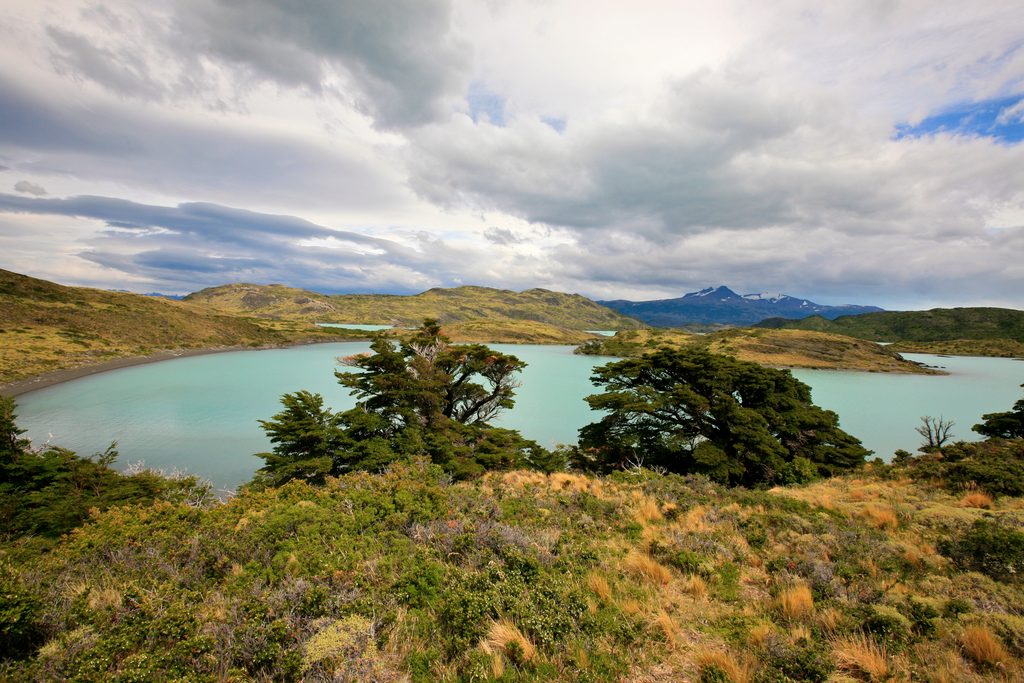
This is the park’s classic quick stop: a short, easy out‑and‑back to the Salto Grande waterfall between Lake Nordenskjöld and Lake Pehoé. It’s about 0.9 miles total (1.4 km), with roughly 65 feet of gentle gain, and most people reach the viewpoint in around 20 minutes. Expect a wide, well‑marked path starting right from a parking area in the Pudeto sector.
Salto Grande isn’t tall (about 10–15 m), but it’s all power—glacial, milky‑blue water thundering through a narrow chute toward the Paine River and Pehoé. On clear days you’ll frame the falls with big‑mountain backdrops. The lakes’ vivid color comes from fine “rock flour” ground by glaciers and suspended in the water. Keep an eye out for guanacos on the approach and scorched trunks on the surrounding hillsides—stark reminders of the 2011 fire and ongoing landscape recovery.
From the signed lot, the path is direct and mostly flat, with wooden platforms in places. You’ll be at the main viewpoint quickly—plan a few extra minutes to watch spray clouds whip up in gusts. If you want more than the waterfall, many visitors continue beyond Salto Grande toward Mirador Los Cuernos for broader Paine Range vistas.
You can visit year‑round, but the sweet spot is September through April for longer days and generally milder conditions. Patagonia’s wind is the wildcard at any time—early morning brings softer light and fewer people, and late afternoon can deliver beautiful color if the gusts play nice. This is a popular stop for tours, so mid‑day crowds and a busy parking area are common.
Absolutely for the time it takes. This is one of the highest‑value short walks in the park: minimal effort, classic Patagonia scenery, and a front‑row seat to the park’s glacial story. Pair it with the nearby walk to Mirador Los Cuernos if you’ve got an extra hour.
Signed parking area in the Pudeto sector; the trail starts directly from the lot.
Extreme gusts near the viewpoint—secure loose items and keep a firm grip on children. Spray can make surfaces slick; stay behind railings and on trail, especially through fire‑scarred, eroded areas.
Place
Place
Place
Place
Challenging
Moderate
Challenging
Moderate

Parkwolf Tour Guide
