
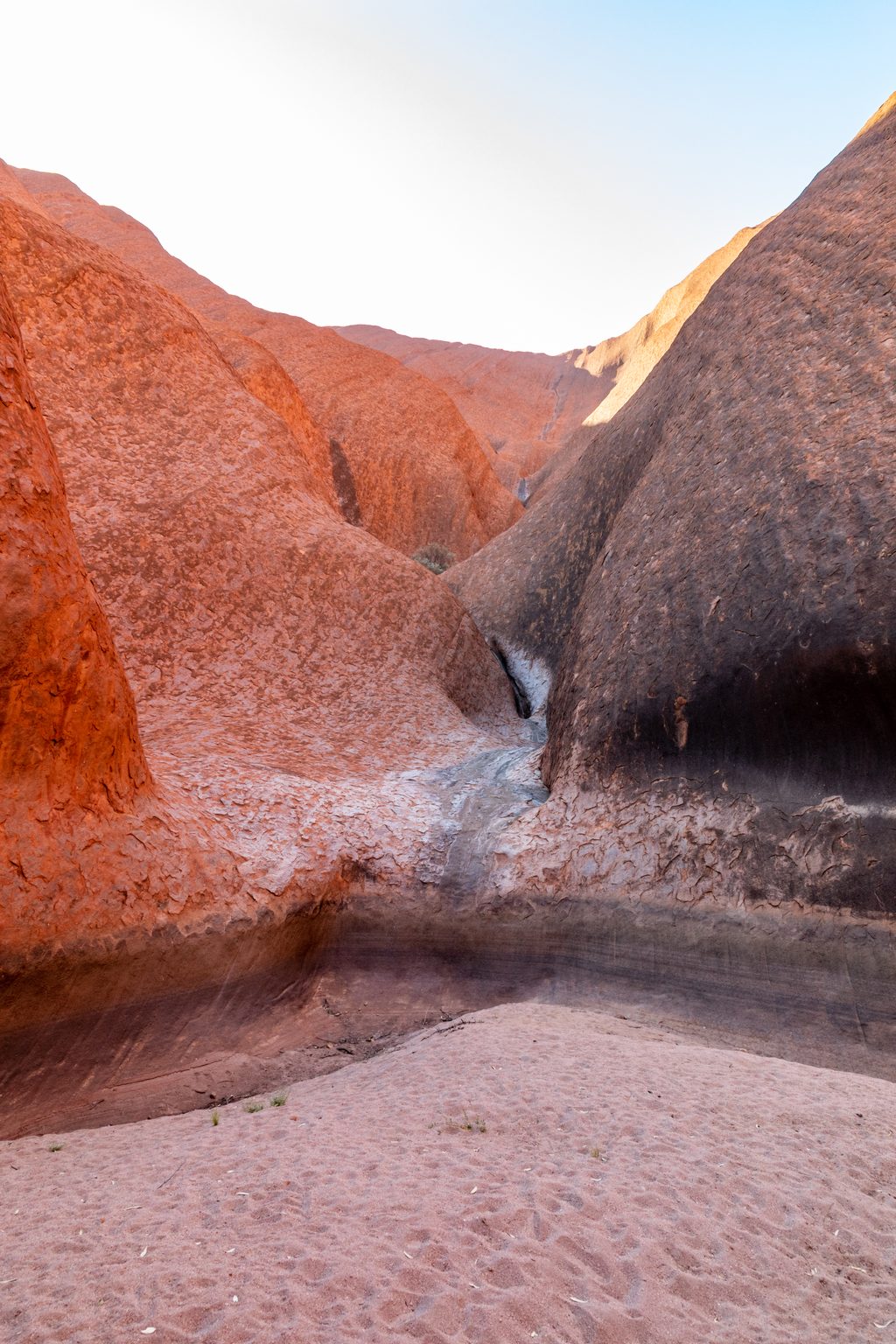
Place · 0.5 mi away
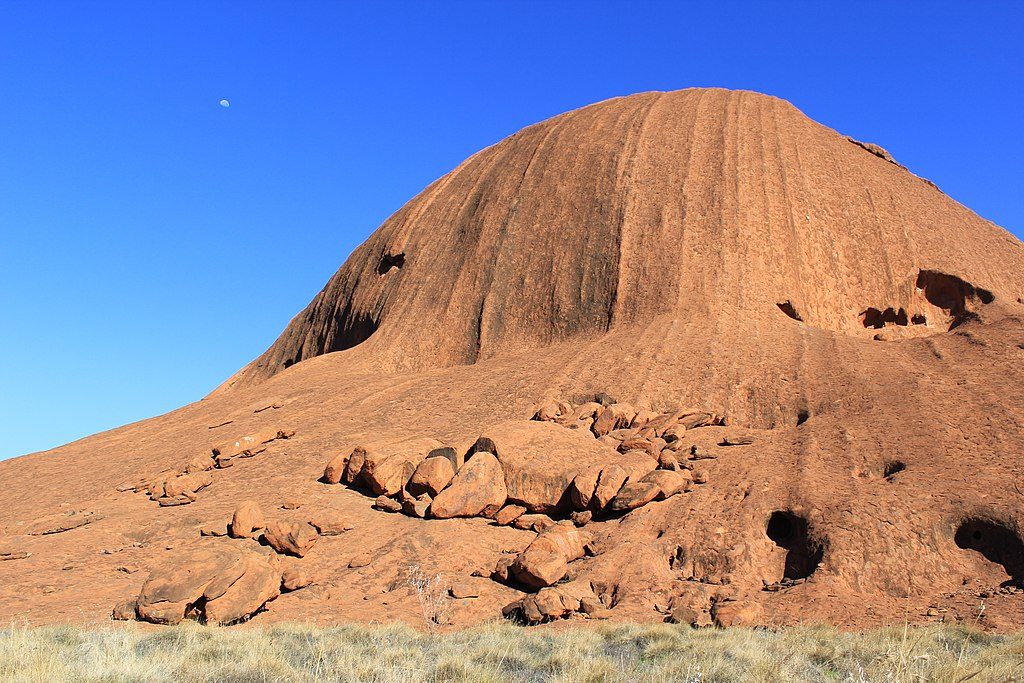
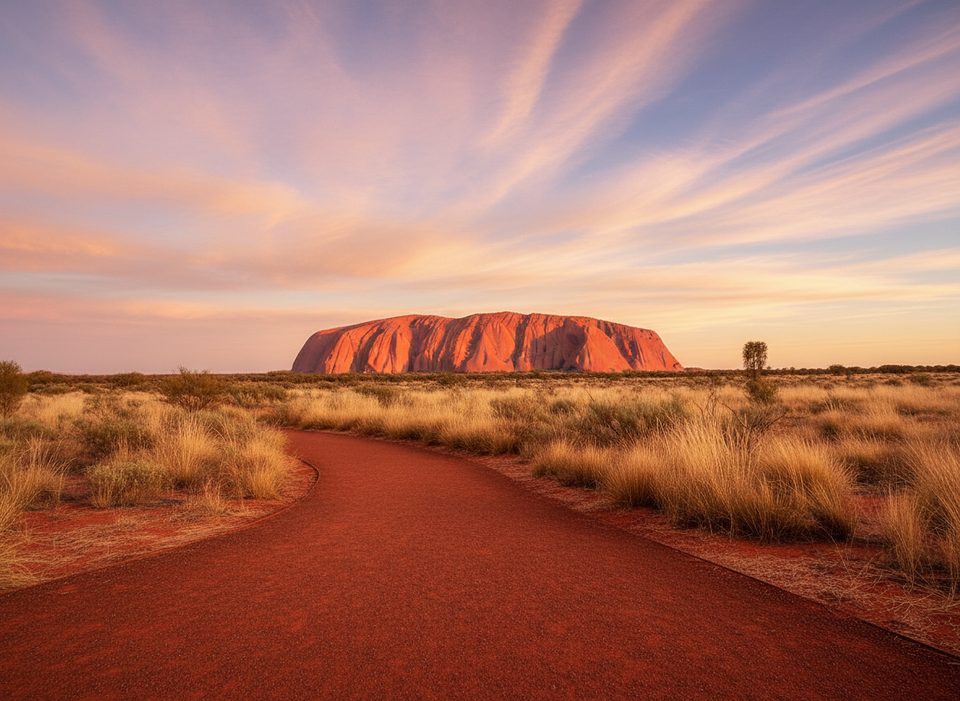
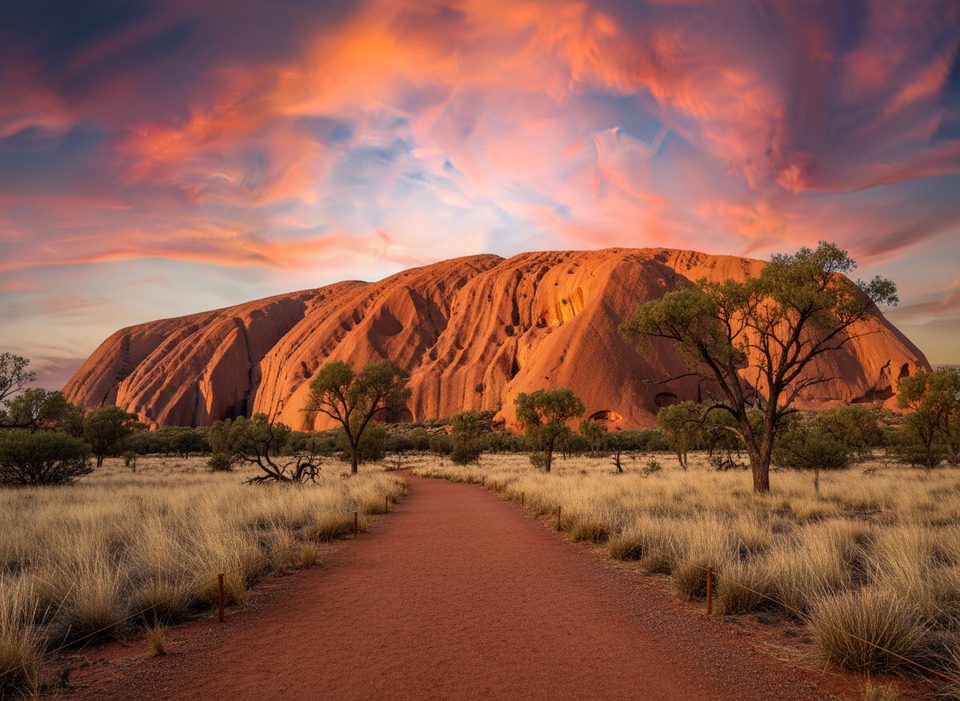
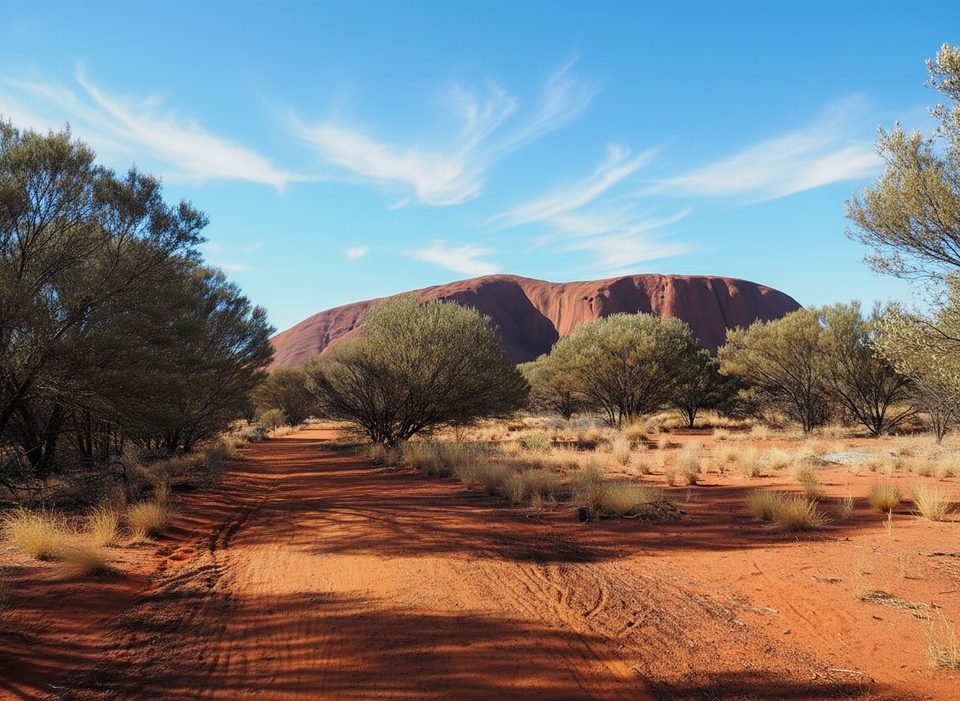
Uluru (Ayers Rock) is the park’s beating heart—sacred to the Anangu and jointly managed with Parks Australia. It’s a World Heritage landscape for both culture and nature, and the rock’s presence is as memorable as the stories that live around it.
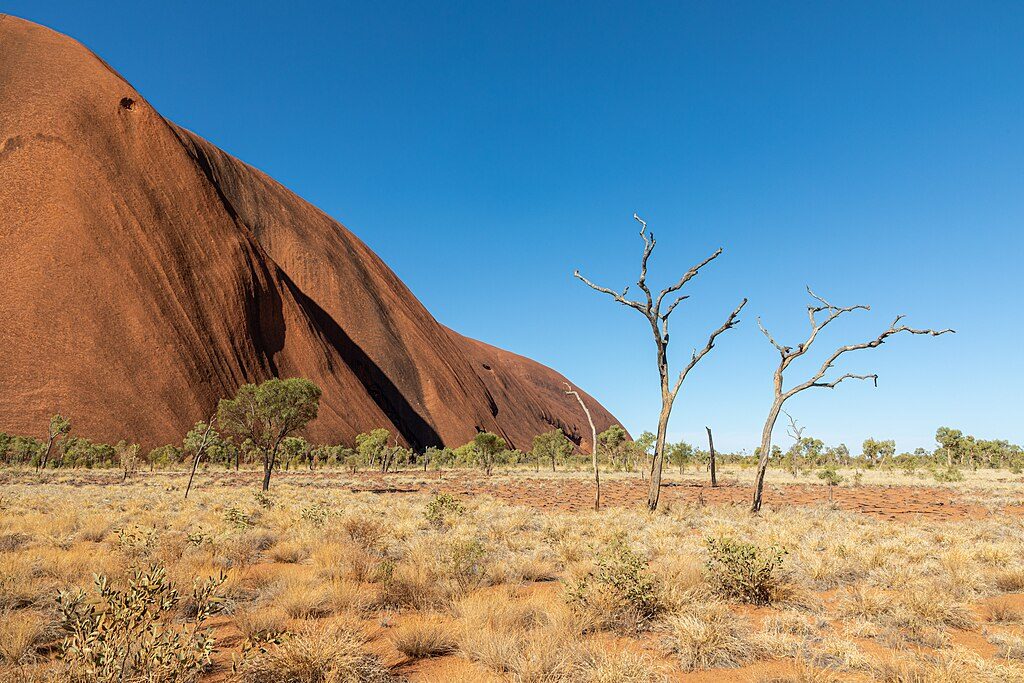
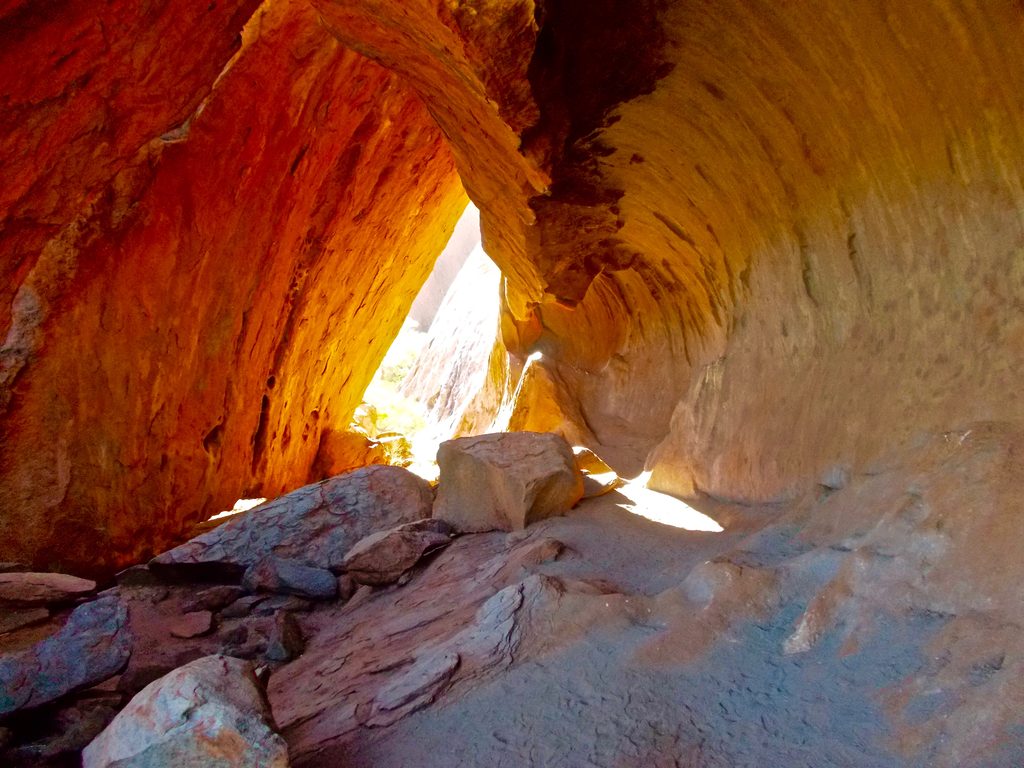
Uluru’s colors morph through the day, especially at sunrise and sunset. Walks around the base reveal caves and textures, and you can seek out rock art and interpretive storytelling on guided experiences.
This is living Country guided by Tjukurpa (traditional law). Follow signs, stay on tracks, and avoid restricted areas. The climb is closed, and there are guidelines for photography and filming—treat the place with the respect the Anangu ask for.
May–September brings cooler conditions ideal for long walks (pack warm layers for dawn). From October–March, start at first light, rest in the midday heat, and return at sunset. Sunrise and sunset are the signature shows here.
Uluru is remote; most visitors base in nearby Yulara for lodging, tours, fuel, and supplies. Inside the park, Ininti Café at the Cultural Centre is the only place to buy food and drinks, and hours can vary. Mobile coverage is patchy—download the official park app and maps for offline use, and check current opening hours and any trail closures before heading out.
Uluru formed from ancient sands laid down over 500 million years ago, later tilted, uplifted, and exposed as surrounding softer rocks eroded away. It’s arkose sandstone—red at the surface from iron minerals weathering—and the formation extends far below what you see, with most of its mass hidden underground.
You may encounter native birds, reptiles, and small mammals around the base—observe from a distance and stick to marked tracks.
Place · 0.5 mi away
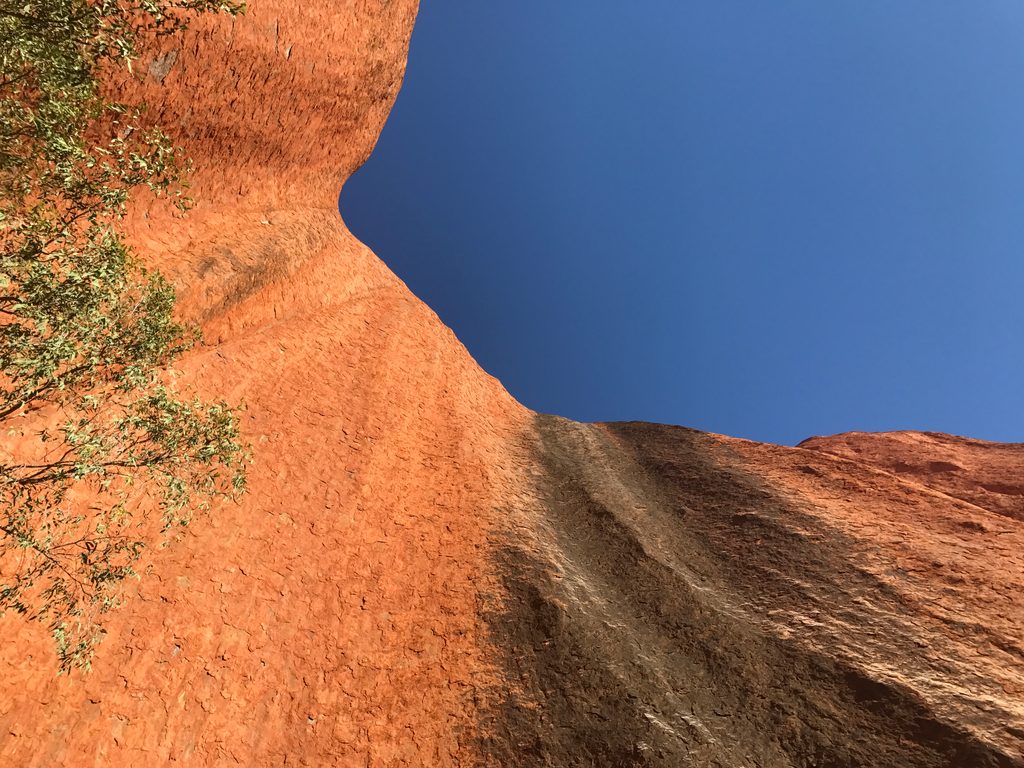
Place · 0.6 mi away
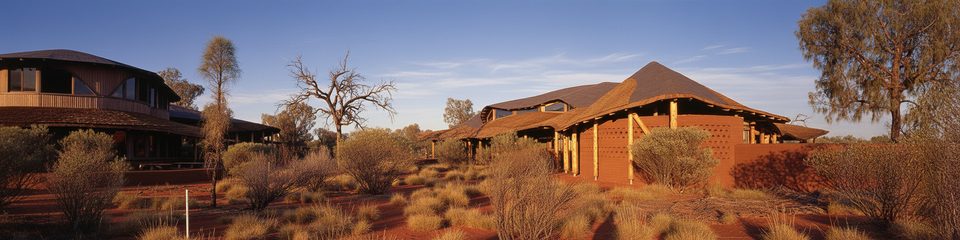
Place · 1.6 mi away
Place · 1.6 mi away
Easy · 0.6 mi away
Moderate · 1 mi away
Easy · 1 mi away
Easy · 1.6 mi away

Parkwolf Tour Guide
