
Overview
About Muṯitjulu Waterhole
Why stop
- A shaded, green pause at one of Uluṟu’s few permanent water sources
Heads up
- The pool can be low in drier periods
Map
Where it is
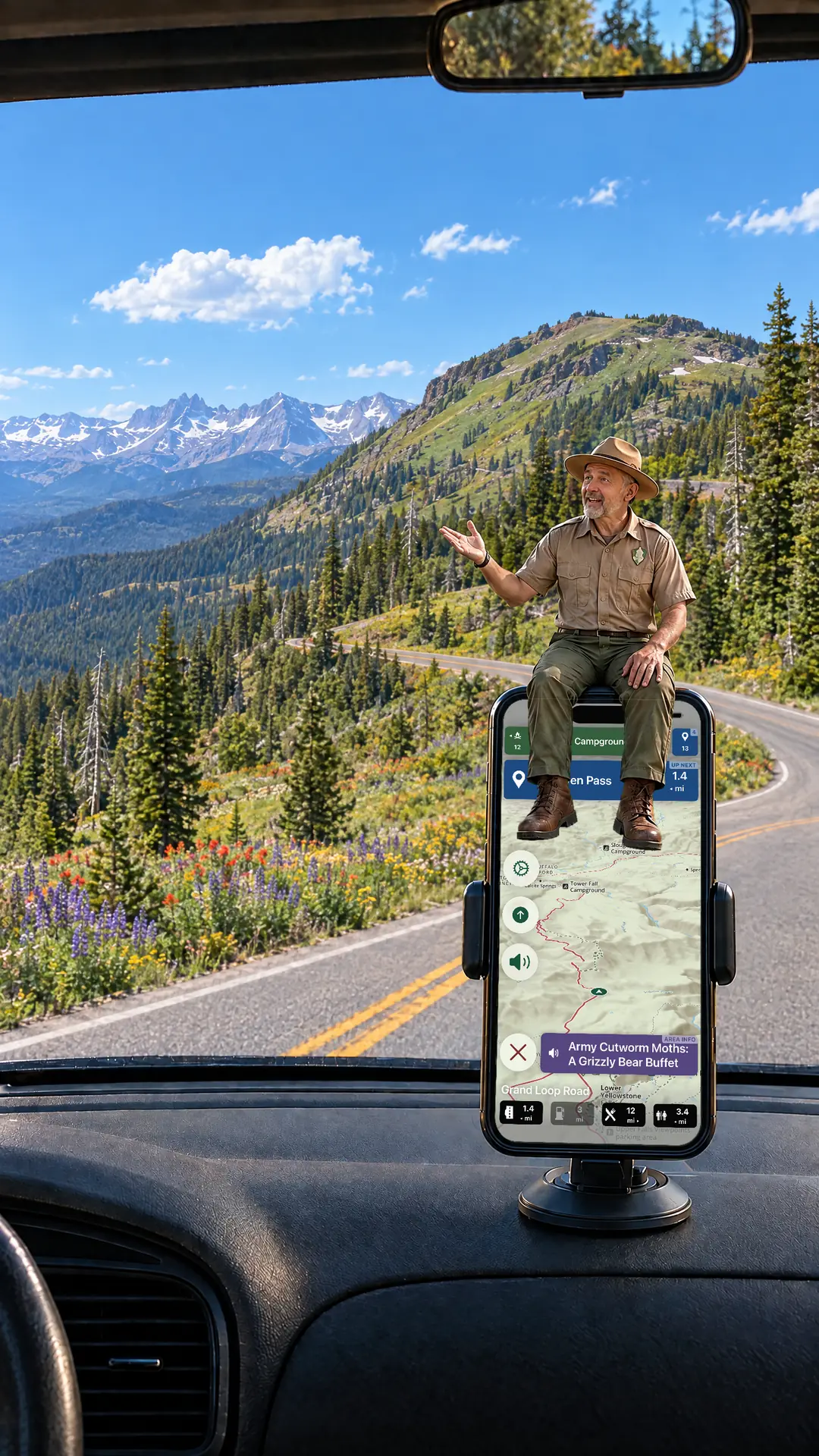
The highest, rockiest slopes around here are a summer buffet for grizzly bears.
Uluru-Kata Tjuta Tour Guide
Your drive to Muṯitjulu Waterhole, narrated.
Parkwolf is a GPS audio tour guide for Uluru-Kata Tjuta National Park. As you drive, it chimes in with what’s ahead: hidden gems, upcoming stops, history, geology, and wildlife, right through your car’s speakers.
See the Uluru-Kata Tjuta audio tourRecorded for this place
Kuniya Walk: Muṯitjulu Waterhole“You're nearing Kuniya carpark, the start of the short walk to Muṯitjulu Waterhole. I'd stop here for a green, shaded pocket beneath Uluṟu's walls, with river red gums around one of the rock's few permanent water sources.”
Plays as you drive up to Muṯitjulu Waterhole in the Parkwolf Uluru-Kata Tjuta Tour Guide.
More stories near here in the app
- Uluṟu: Mala Walk and Kaṉtju Gorge
- Flowers with a Sweet Supply
- The Bird That Looks Like a Branch
- An Emu Dad on Duty
- 40 audio storiesacross Uluru-Kata Tjuta’s roads, triggered by GPS as you drive
- Wildlife heatmapsfor Dromedary Camel, Black-breasted Kite, Brown Falcon, and 13 more
- Works offlinemaps, 15 trails, 28 places, and audio download before you lose signal
- CarPlay readysimple controls built for the drive
“Fantastic app with many points of information… It’s great to just turn on while you’re driving and it gives you an audio tour of the national Park. We love it!!!!”


Guide
More about Muṯitjulu Waterhole
A short walk to permanent waterMuṯitjulu Waterhole is a permanent pool tucked into a cleft on Uluṟu’s south side.
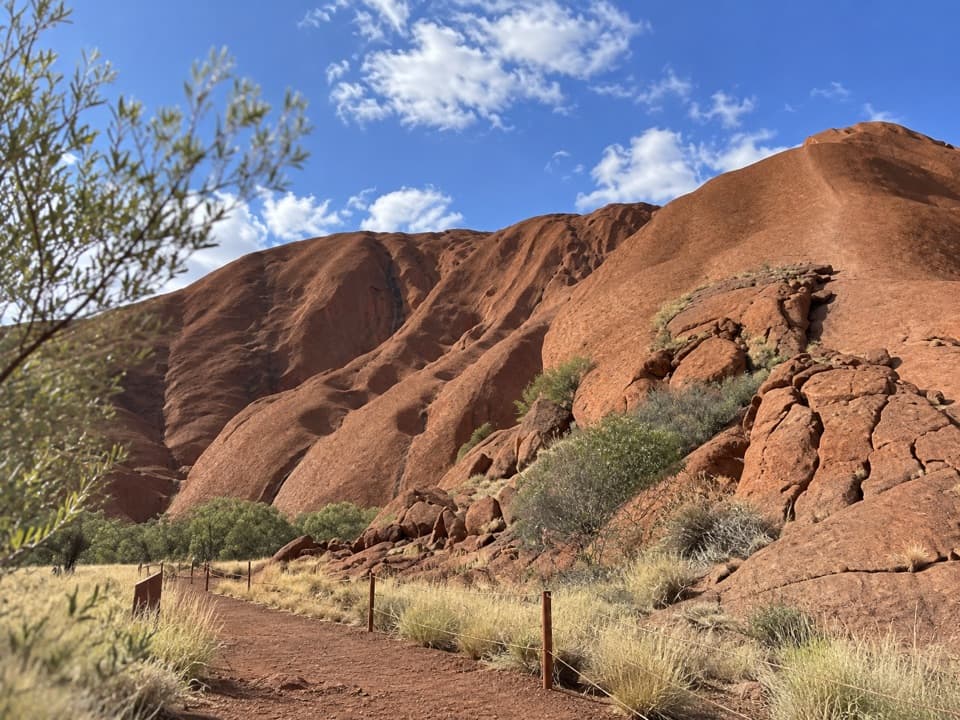
Muṯitjulu Waterhole is a permanent pool tucked into a cleft on Uluṟu’s south side. The 1 km return Kuniya Walk starts at Kuniya carpark and takes about 30–45 minutes. I’d make time for it if you want a shaded, green pause in a visit otherwise spent among Uluṟu’s exposed rock.
Make this stop workThis is one of the park’s busiest places, but sunrise, sunset and lunchtime are often quieter…
This is one of the park’s busiest places, but sunrise, sunset and lunchtime are often quieter windows. There’s a bench beside the waterhole, and no toilets along the walk. Swimming in park waterholes isn’t allowed, and you need a park pass to enter.
The pool after rainWater levels vary.
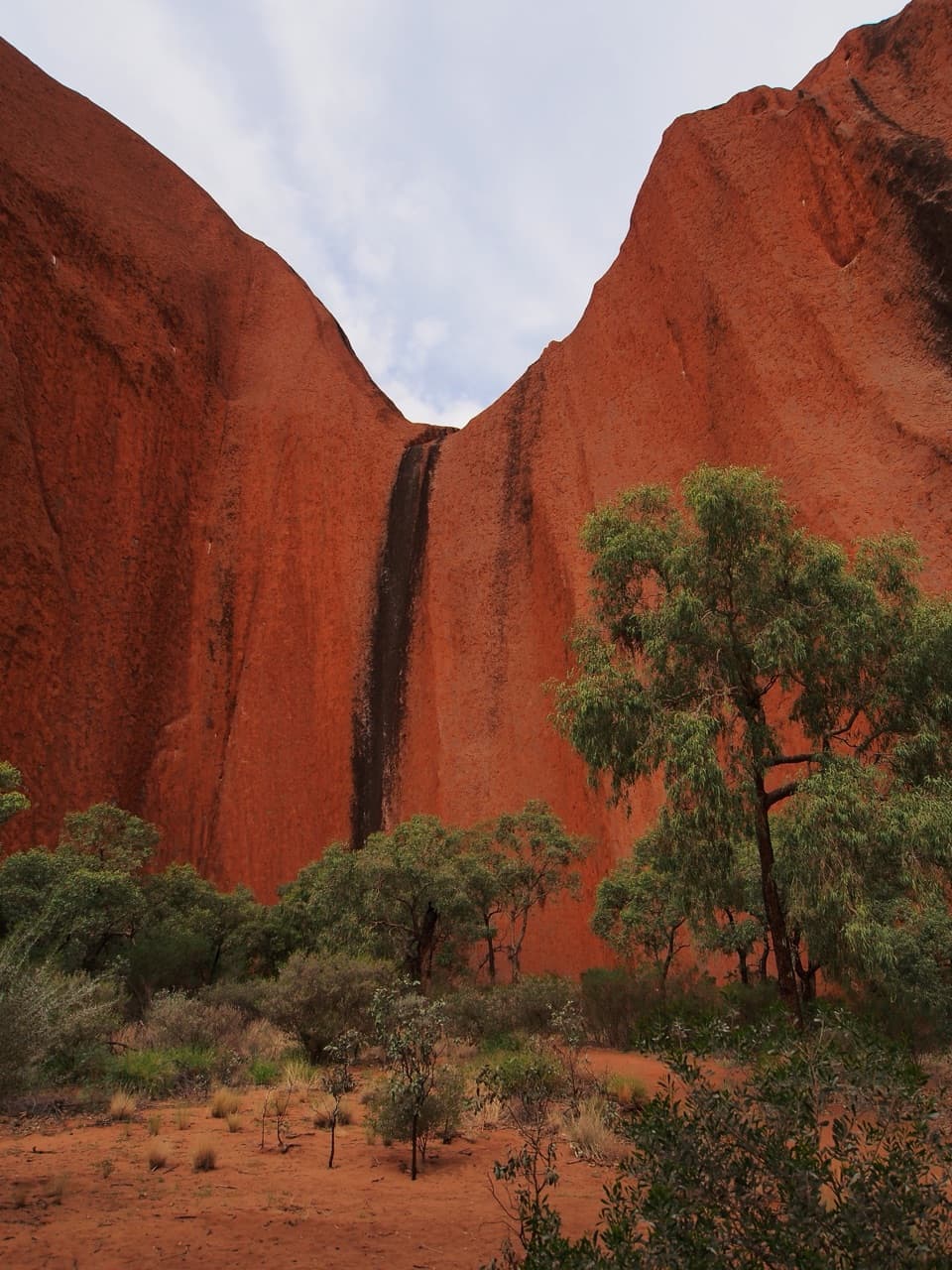
Water levels vary. After heavy rain, water can spill down the rock cleft into the pool; in drier stretches visitors have found the pool low. When water is flowing, frame both the dark pool and the narrow cleft above it so the cascade makes sense in the picture. The waterhole also catches reflections when the pool is still.
A living cultural landscapeThe short walk passes through a place of deep significance to Aṉangu.
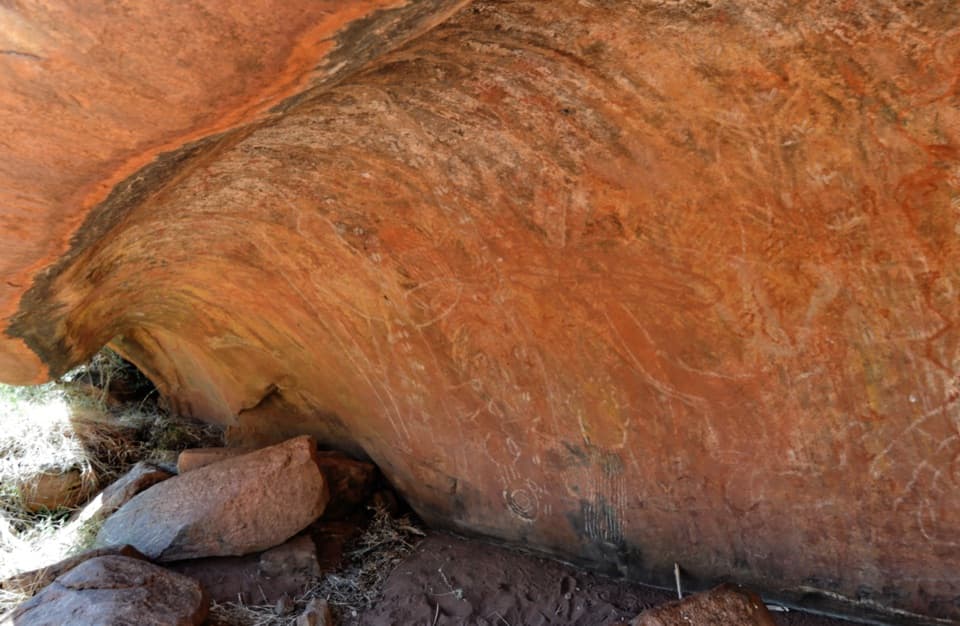
The short walk passes through a place of deep significance to Aṉangu. The Kuniya and Liru creation story is associated with the waterhole and surrounding rock; some nearby caves remain in active use by Aṉangu, the Traditional Owners.
The plants the water supportsThis is one of the few permanent water sources around Uluṟu, and the difference shows in the…
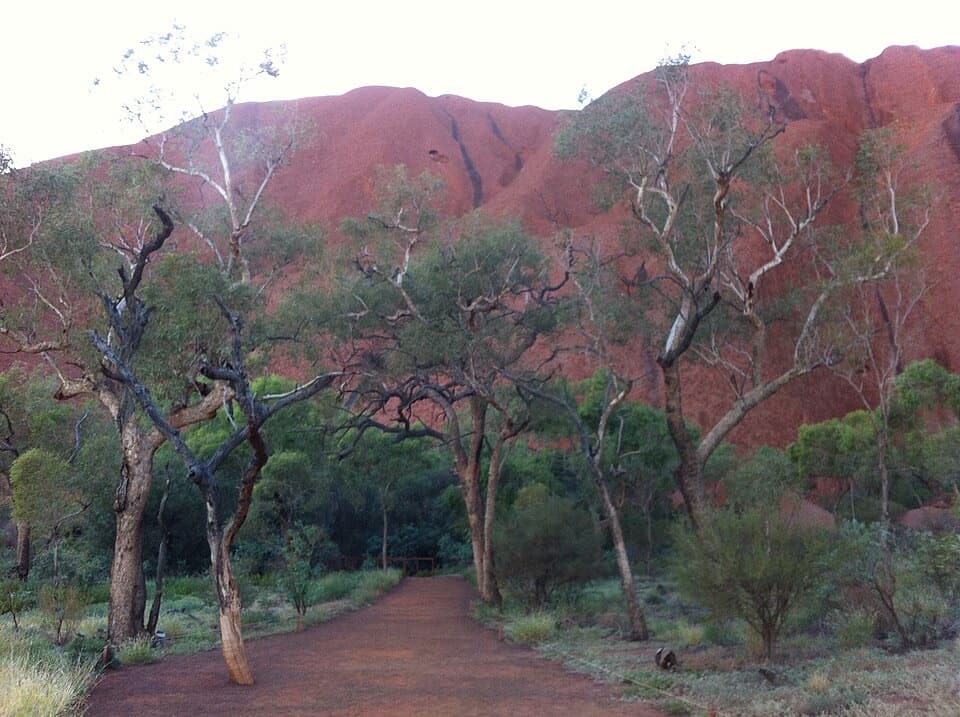
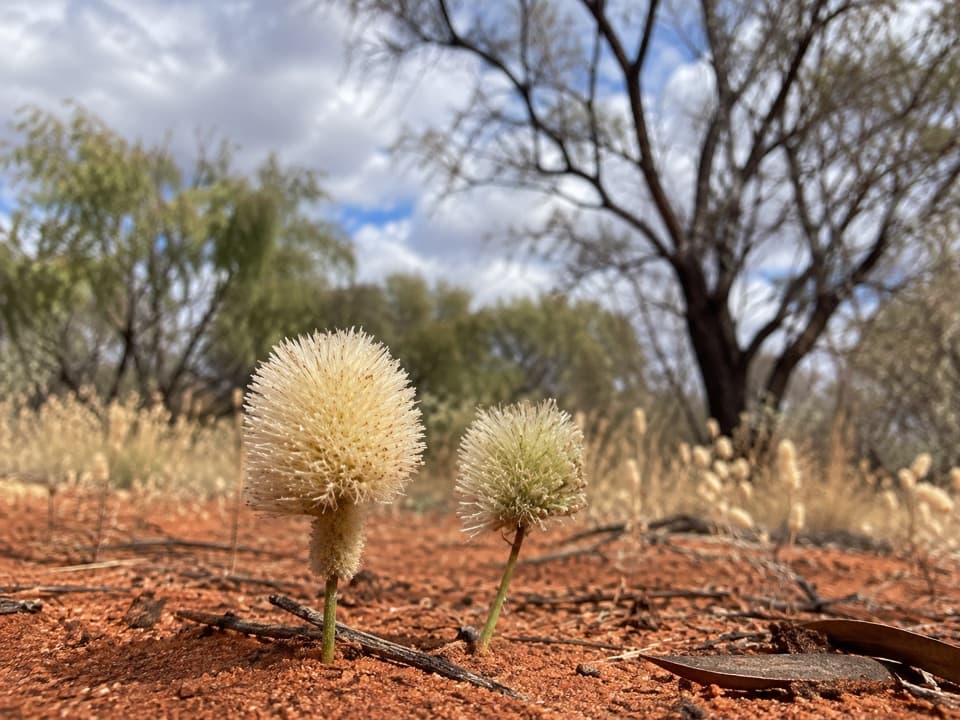
This is one of the few permanent water sources around Uluṟu, and the difference shows in the shade and greenery. Tall grasses and river red gums grow around the water. Bush foods in the area include tjantu (bush tomato), iḻi (fig) and arnguli (bush plum).
Listen for birdsWallabies may be seen among the grasses.
Wallabies may be seen among the grasses. In warmer months, look for noisy finches and nankeen kestrels; black-breasted buzzards and tawny frogmouths may nest nearby. The trickle of water and bird calls are a good reason to sit on the bench for a few minutes instead of turning straight back.
Wildlife
Wildlife in Uluru-Kata Tjuta
 32 sightingsDromedary CamelMost seen around 6 PMSighting map
 14 sightingsBlack-breasted KiteMost seen around 10 AMSighting map
 27 sightingsBrown FalconMost seen around 7 AMSighting map
 11 sightingsWestern Brown SnakeMost seen around 9 AMSighting map
 32 sightingsMain's FrogMost seen around 7 PMSighting map
 17 sightingsRed-backed KingfisherMost seen around 7 AMSighting map
Sighting maps show where each species has been reported across Uluru-Kata Tjuta. Wildlife moves, so no sighting is guaranteed.