
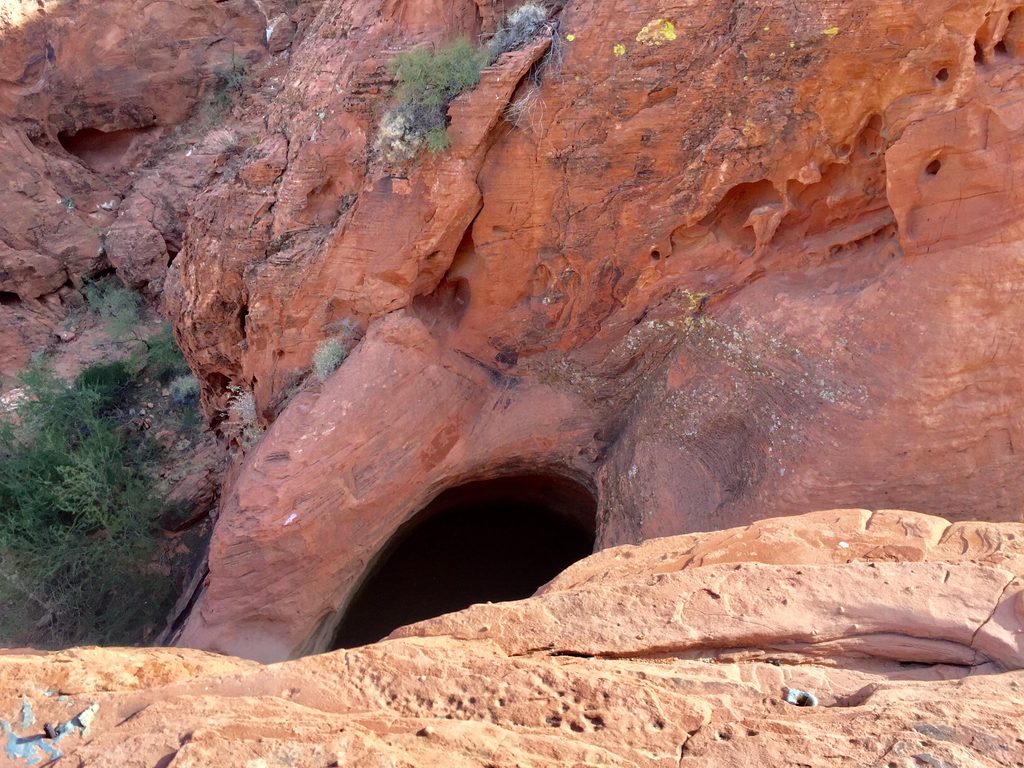
Place · 0.2 mi away
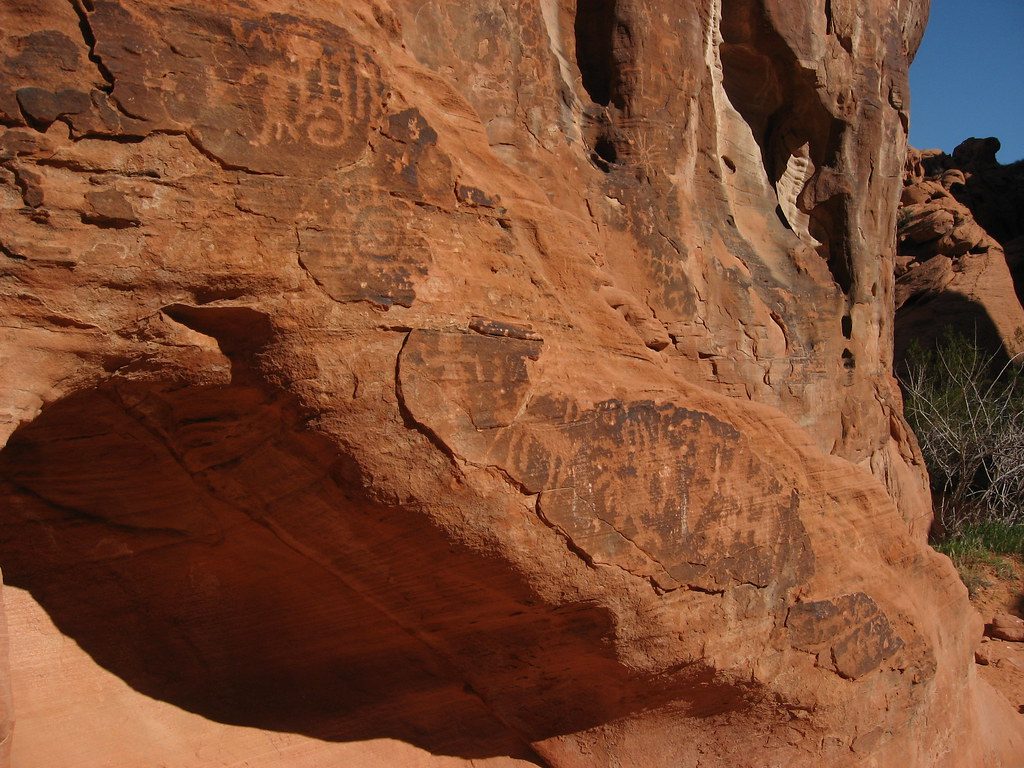
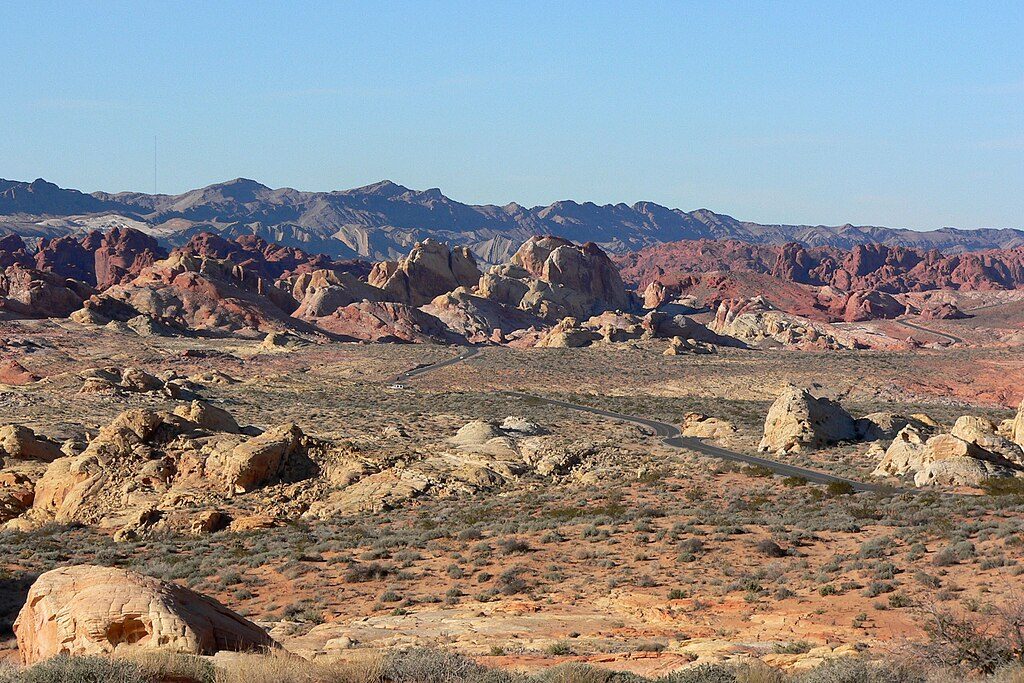
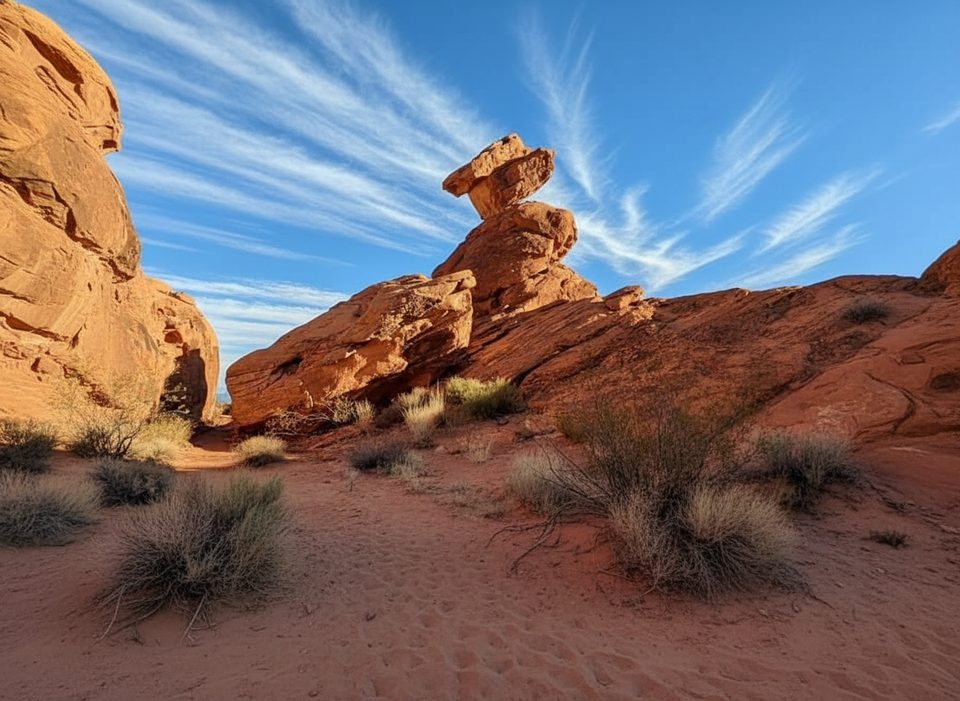
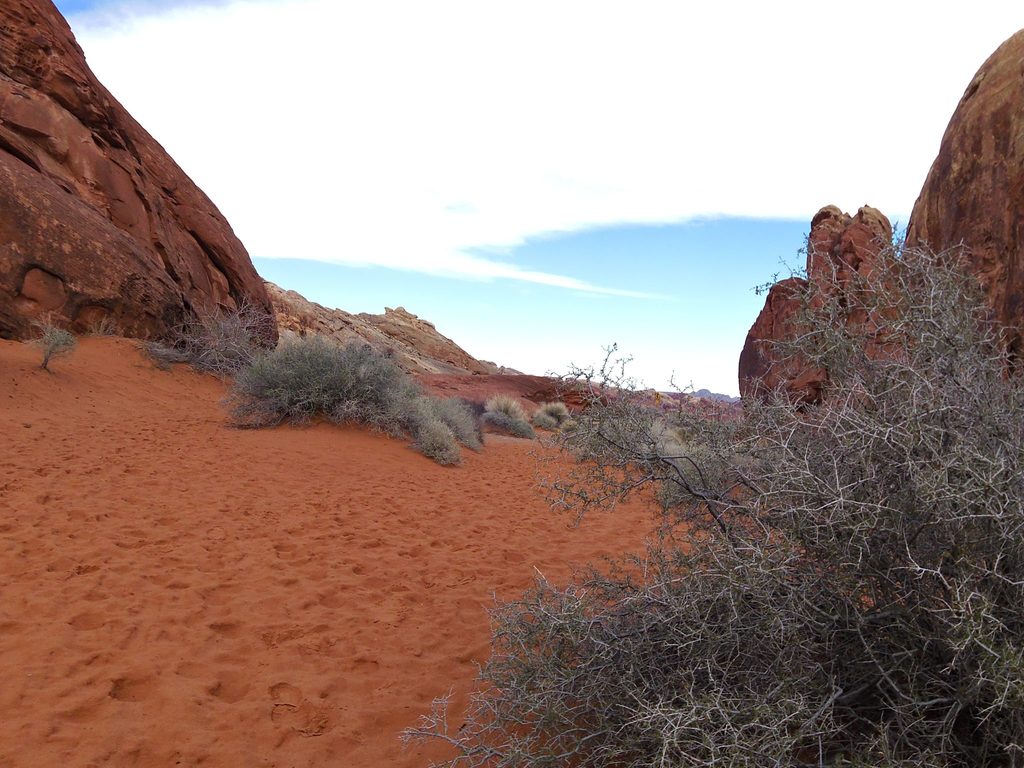
Petroglyph Canyon is the short, sandy corridor followed by the Mouse’s Tank (Petroglyph Canyon) Trail. It packs an outsized payoff: hundreds of rock art panels carved into dark desert varnish on glowing red Aztec sandstone walls, all within an easy stroll.
People have visited and carved here for a very long time. Sources differ on exact ages: some panels may be around 1,500 years old, others older, and a few as recent as the 1800s. The art is pecked into the rock’s dark “desert varnish” that forms over centuries. The canyon’s vivid hues come from iron-rich Aztec sandstone. Mouse’s Tank is named for “Little Mouse,” a Southern Paiute man who hid in the area in the late 1800s.
This is an arid, exposed canyon—expect sparse sightings. Quick lizards and a few desert-adapted birds are the usual encounters.
October–May is prime. Go at sunrise or early morning for cooler temps, fewer people, and flattering side light on petroglyph panels. Late afternoon also works; midday light is harsh and crowds peak.
Place · 0.2 mi away
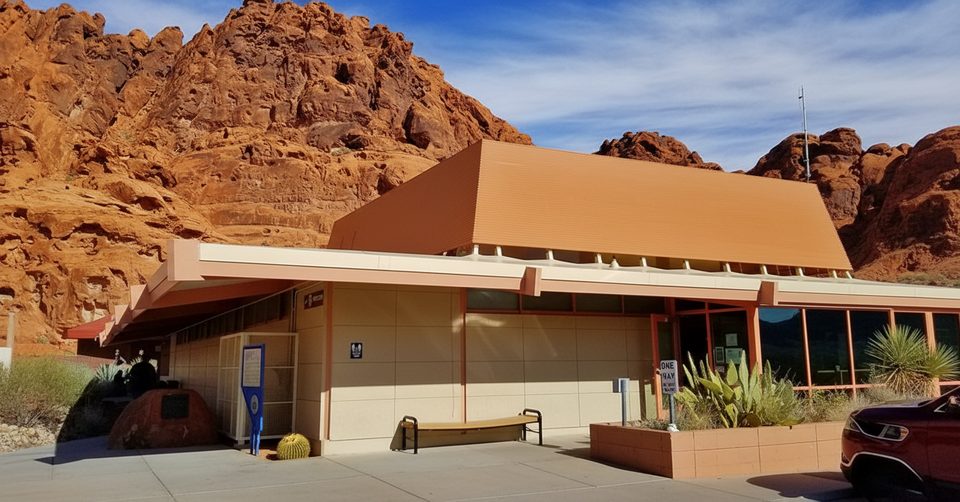
Place · 0.6 mi away
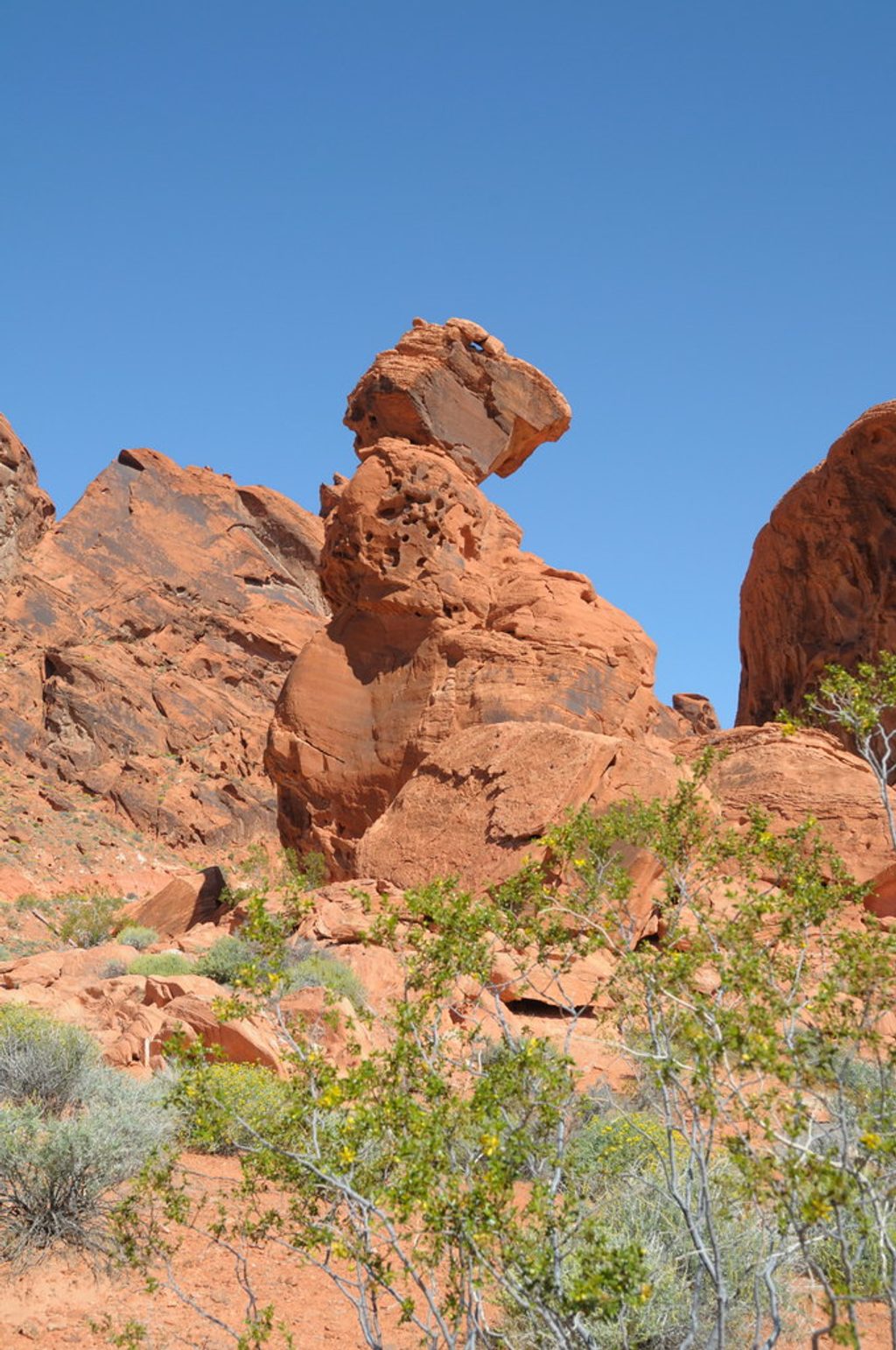
Place · 0.6 mi away
Place · 0.7 mi away
Easy · 0.6 mi away
Easy · 0.8 mi away
Easy · 0.8 mi away
Challenging · 0.8 mi away

Parkwolf Tour Guide
